
Golden Oak Cupboard
A golden oak cupboard brings warm, honey-toned grain and sturdy storage to any room.
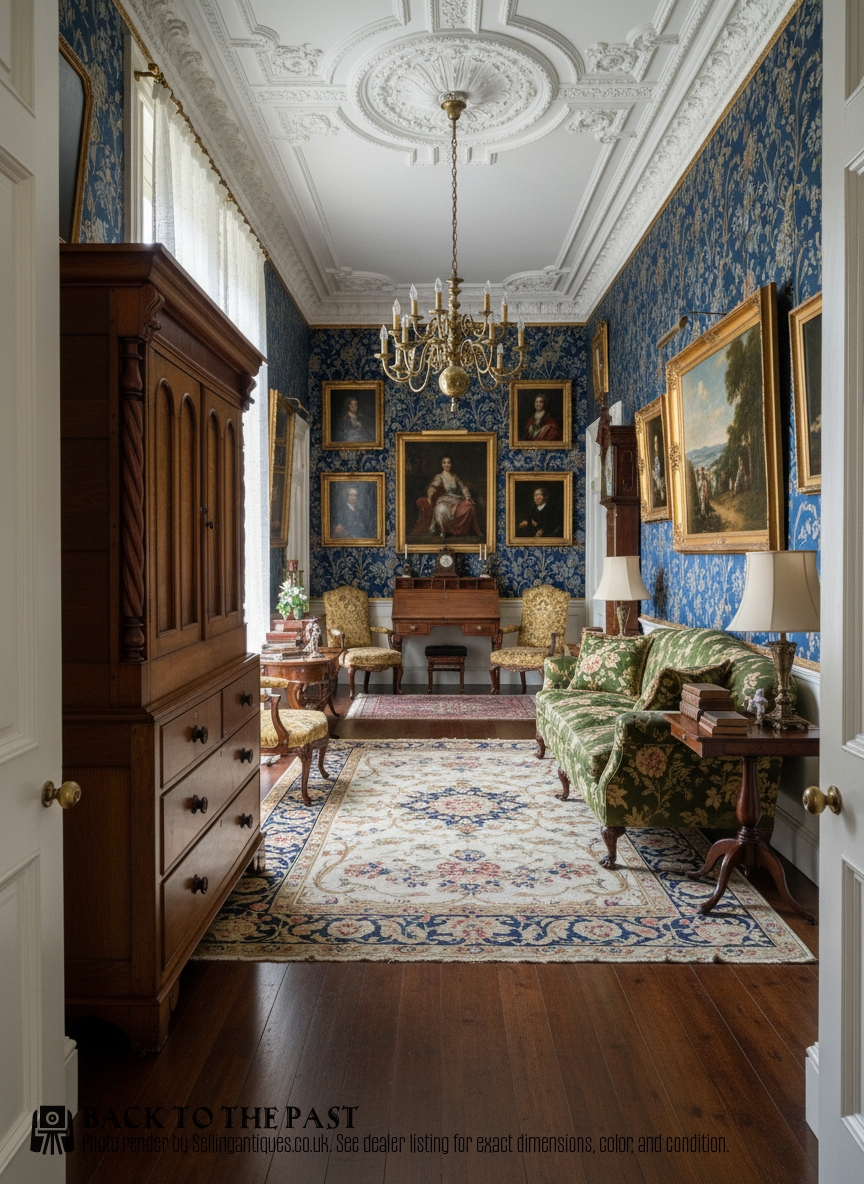
What a Golden Oak Cupboard Is
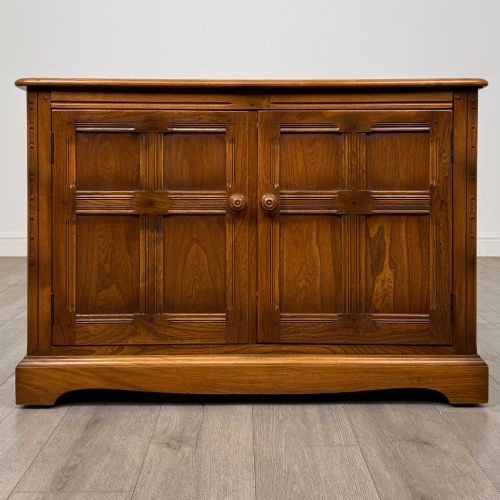
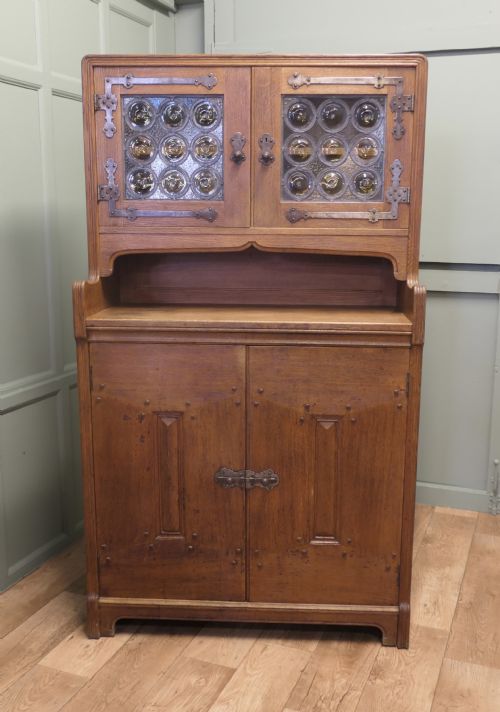
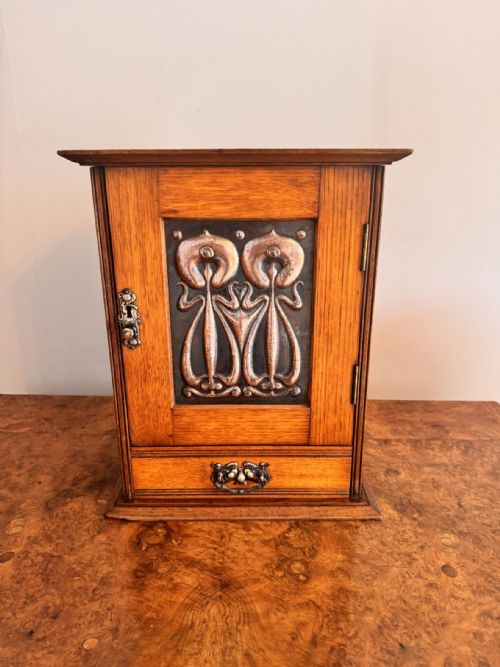
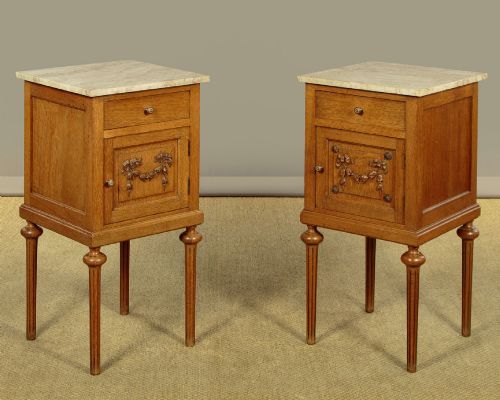
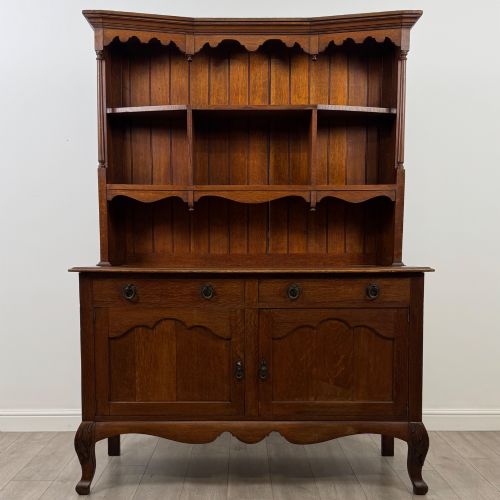
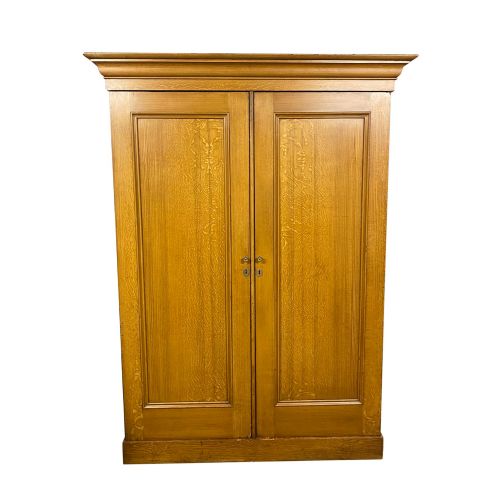
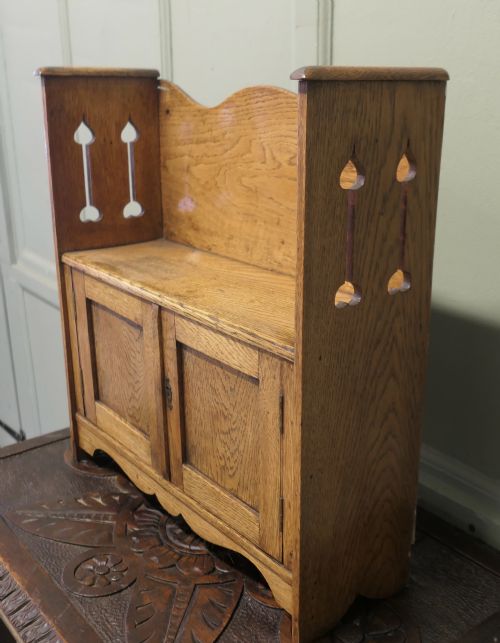
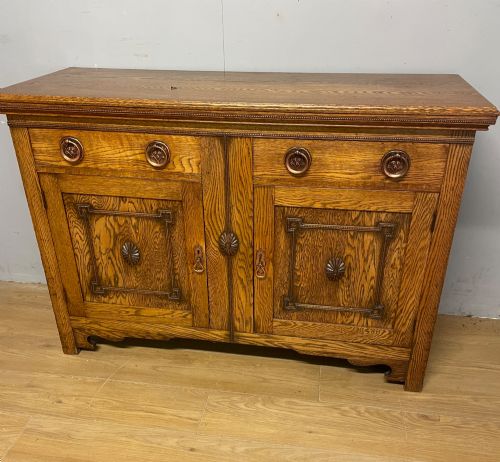
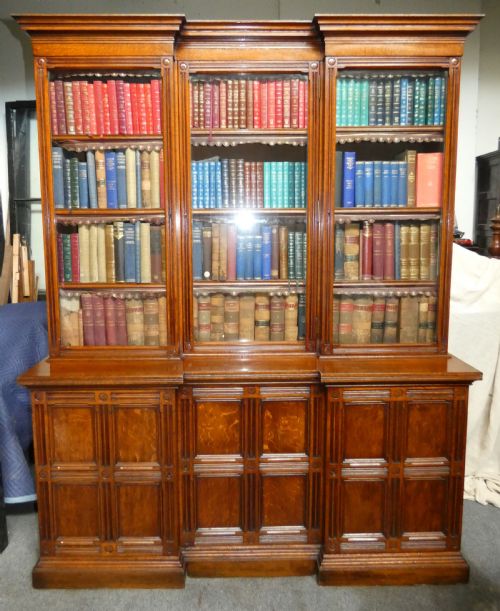
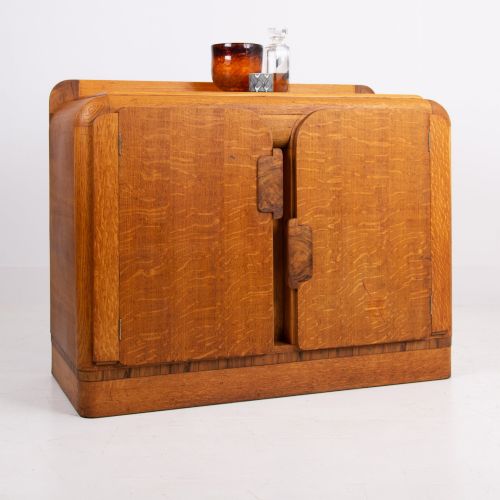
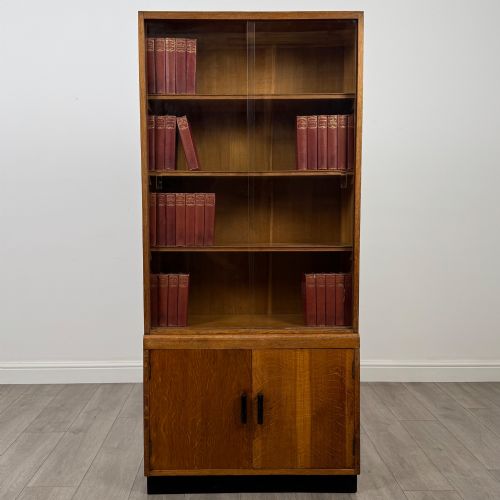
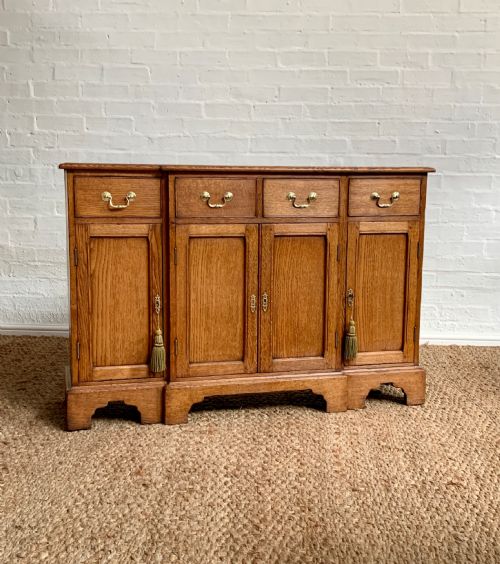
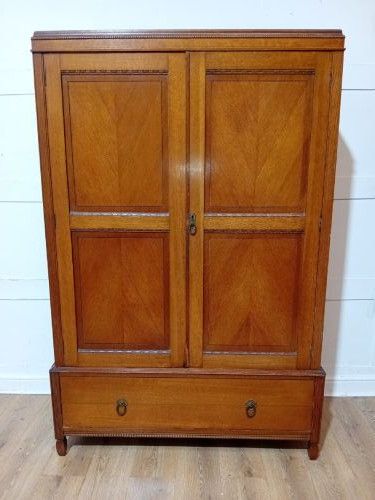
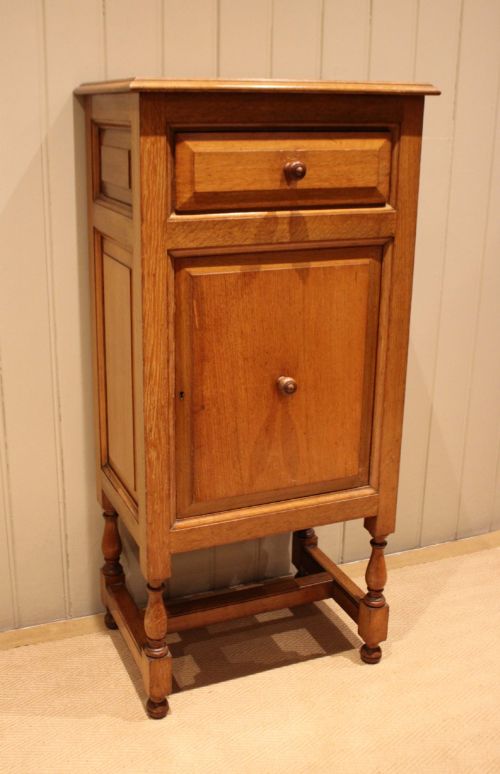
A golden oak cupboard is a storage piece defined by its pale or honeyed oak timber, spanning several distinct periods from the Georgian era through to the mid-twentieth century. When searching for a golden oak cupboard, buyers encounter a broad variety of forms including corner cabinets, linen presses, hall cupboards, and large court cupboards. The selection reflects diverse styles such as Gothic Revival, Arts and Crafts, Art Deco, and Victorian, showing how cabinetmakers adapted the timber across different decades.
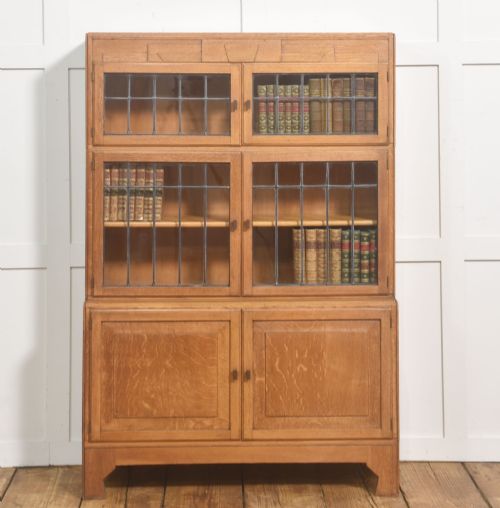
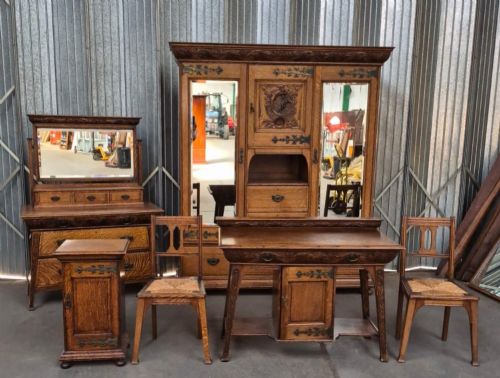
Most pieces seen here date from the Victorian, Edwardian, and twentieth-century periods, often built as freestanding furniture for domestic interiors. Sideboards and bookcases paired with cupboards also appear frequently in the listings, demonstrating the multifunctional nature of these storage items. From small hanging corner cabinets to heavy three-door cupboards, each piece showcases the distinct figure and warm hue characteristic of the timber.
Judging Quality and Craftsmanship
Quality in these pieces rests upon the selection of the timber and the precision of the joinery rather than mere age. Superior examples feature carefully matched oak panels with pronounced medullary rays and minimal sapwood intrusion, whereas lesser items rely on plain, unselected boards.
Carved details reveal the hand of the maker, with crisp, deep relief work distinguishing high-grade Gothic and Jacobean Revival furniture from shallow, mechanical stamped decoration. Original brass fittings, well-fitted doors that hang true without sag, and cleanly finished interiors also mark out the finer pieces in the range.
Retail Price Guide 2026
Typical UK retail prices for golden oak cupboard, calculated from the Sellingantiques database of over a million retail prices indexed since 2003. This retail price guide relies exclusively on Sellingantiques data; no external sources or auction records are used, so the figures do not describe the wider market.
Listings feature oak, pollard oak, and walnut, spanning Georgian, Victorian, and Edwardian periods.
Gomme·Gillows
The Golden Oak Cupboard Glossary
- Court cupboard
- A traditional English enclosed piece of furniture used for storing food and utensils, often featuring carved upper tiers and lower doors.
- Pollard oak
- Timber taken from trees that have been pollarded, producing a dense, highly figured grain with clusters of small knots.
- Linen press
- A tall piece with upper sliding trays or shelves for storing folded textiles and lower cupboard space or drawers.
- Medullary rays
- The ribbon-like cellular structures in oak that become visible as shimmering flakes when the timber is quartersawn.
Frequently Asked Questions
What rooms suit a golden oak cupboard?
These storage pieces work well in hallways, living rooms, and bedrooms, depending on their scale and original function. Hall cupboards provide narrow storage for coats and boots, while corner cabinets utilise dead space in dining areas.
Larger sideboards and linen presses serve as focal points in reception rooms, offering generous surface and internal capacity. The warm tone of the timber pairs naturally with both traditional and contemporary interiors.
How do I care for golden oak furniture?
Keep wooden pieces away from direct heat sources and strong sunlight to prevent the timber from drying out or fading unevenly. Dust regularly with a dry cloth and apply a quality beeswax periodically to nourish the grain.
Avoid silicone-based sprays, as they build up over time and dull the natural lustre of the polished surface. Handle brass hardware gently and check hinge screws occasionally to ensure doors remain properly aligned.
How do I distinguish Victorian from Edwardian pieces?
Victorian items often display heavier proportions, darker patination, or deep Gothic and Jacobean Revival carving. Construction tends to be dense and robust, reflecting nineteenth-century domestic requirements.
Edwardian pieces generally exhibit lighter forms, simpler lines, and sometimes brighter golden oak surfaces influenced by Arts and Crafts ideals. Glazed doors and refined brass work also become more common in this later period.
Were these cupboards built for specific uses?
Many forms were designed for exact household tasks, such as housekeepers' cupboards for linen, game cupboards for provisions, and school book cupboards for classrooms. Hall cupboards accommodated outerwear in entrance spaces.
Over time, many of these utilitarian pieces transitioned into general domestic storage, prized as much for their decorative grain as their original practical function.