

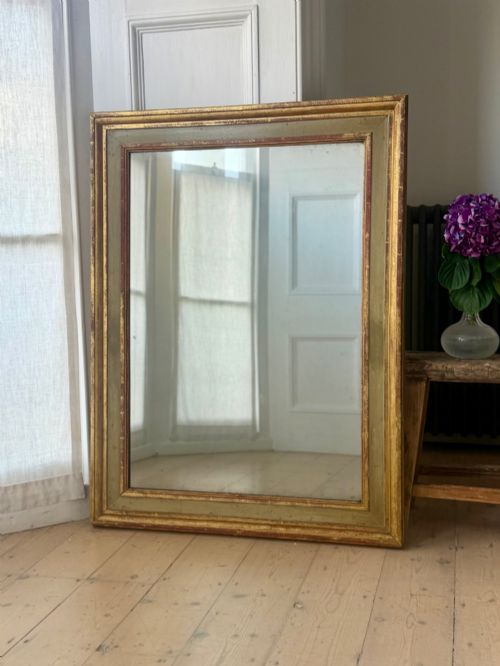
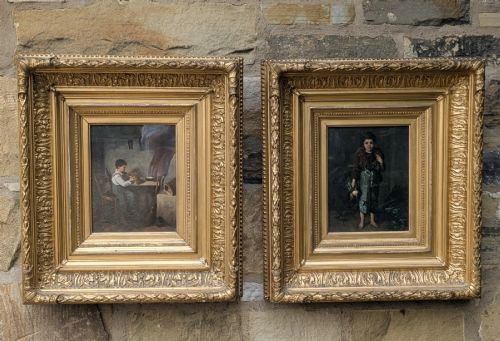
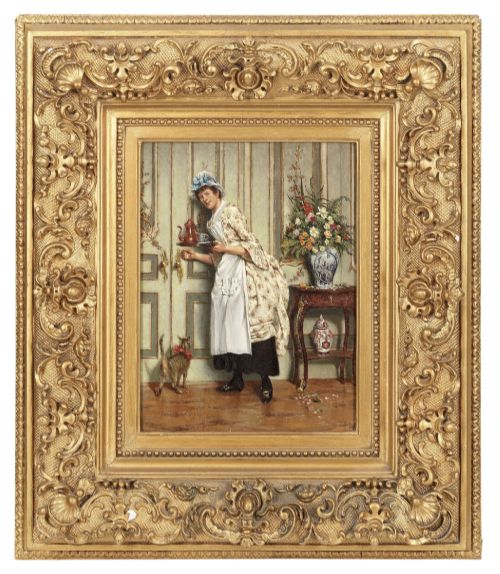
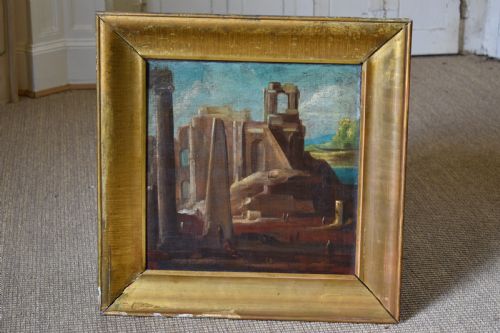



Gold Wood Framed Painting
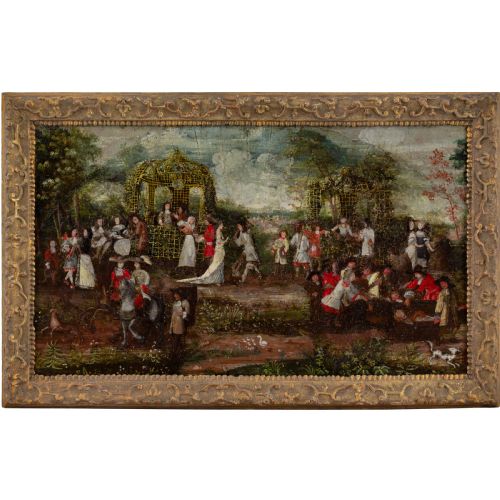
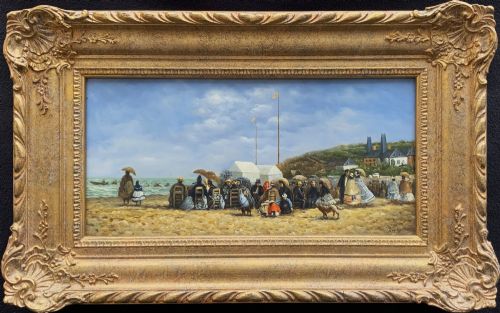
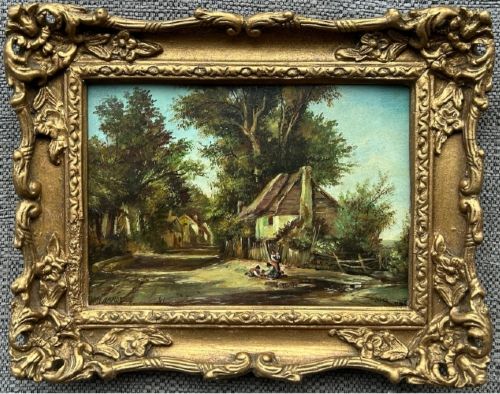
A gold wood framed painting brings together centuries of fine portraiture, landscape art, and ornate gilt surrounds.
Gold Wood Framed Painting
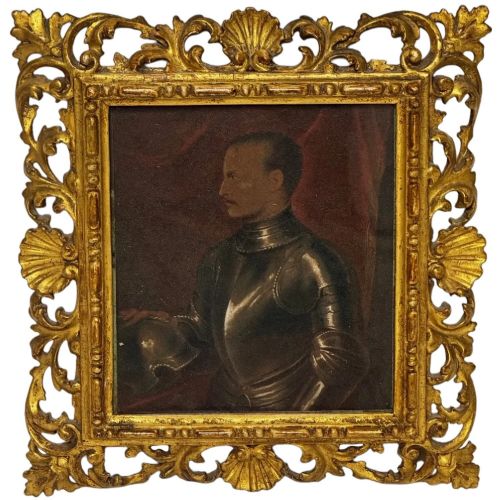
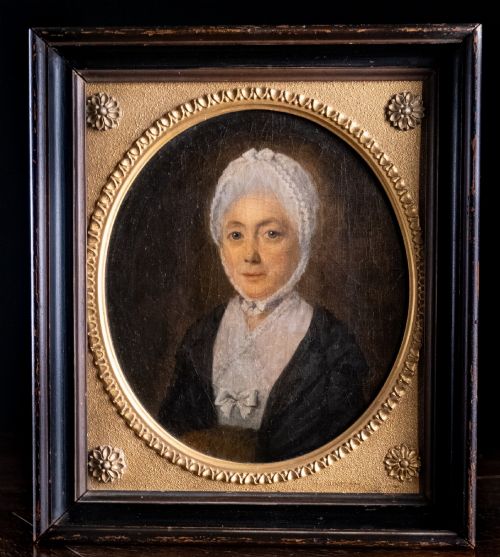
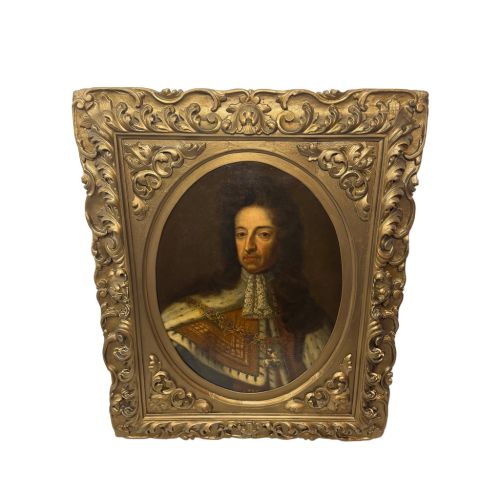
A gold wood framed painting unites historic canvas or panel works with decorative wooden mouldings finished in metallic leaf or paint. These pieces range from seventeenth-century Spanish school baroque portraits to eighteenth-century depictions of nobility and nineteenth-century domestic scenes.
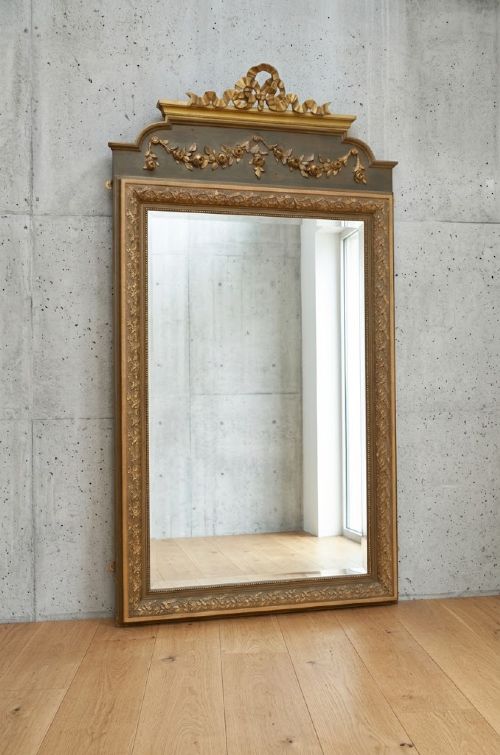
Buyers seeking this phrase encounter both original oil paintings housed in period surrounds and composite works like French trumeau mirrors that incorporate pastoral oil scenes into carved wood panels. The selections span eras from the Georgian and Regency periods through the Victorian age and into early twentieth-century British and continental outputs.
Portraits of individuals and children alongside detailed landscapes dominate the available paintings, paired frequently with ornate gilded frames carrying gesso decoration, ribbon crests, or ribbed mouldings.
Materials and Technique
Makers built these pieces using traditional methods, applying oil paint onto woven canvas, wooden panels, or board supports. Artists utilised rich pigments to construct deep landscapes and detailed portraiture.
The accompanying frames rely on solid wood carcasses shaped by hand or moulded. Craftsmen layered gesso over the wood base to create smooth surfaces or intricate low-relief ornamentation before applying gold leaf, gilt finishes, or paint.
Cats at play, hermits reading, and ships on stormy seas share wall space in this collection.
Assessing Workmanship
Quality rests in the harmony between the artistry of the painting and the depth of the frame's hand-carved detail. Superior examples display confident brushwork in the oils alongside crisply defined gesso work on the surrounding wood.
The integrity of the original gilt finish and the preservation of the canvas or panel dictate the standing of an individual piece. Frames with deeply modelled egg and dart mouldings or intact hand-applied leaf elevate the overall significance of the work.
Joseph Clover RA·Emily Eyres·William Howard Hardy·Stephen Samuel Lewin·Frank Watson Wood·Thomas Beach·Toussaint Gelton·Jan van Staveren·George Oyston·Sir Alfred East·Thomas Spinks·Hendrik Valkenberg·Allan Ramsay·Valdemar Magaard·Alfred Arthur Brunel de Neuville·T. Bergman
The Gold Wood Framed Painting Glossary
- Giltwood
- Wood carved and surfaced with gold leaf or a gold-coloured metallic finish. This material defines the luxurious aesthetic of historical picture frames and decorative wall mirrors.
- Gesso
- A plaster mixture applied to wood frames to create a smooth base for subsequent gilding and carving. Artisans sculpt or stamp this layer to achieve intricate decorative motifs.
- Oil on Canvas
- Pigment mixed with drying oil applied to a stretched fabric support. This medium permits rich colour blending and durability across centuries.
- Trumeau
- An architectural wall mirror featuring a painted panel or canvas set above the glass plate. These decorative French pieces often combine landscape art with gilded wooden frames.
Gold Wood Framed Painting: Frequently Asked Questions
How should I clean a gilded wood frame?
Gilded surfaces require gentle dusting with a soft, dry brush to prevent damage to the delicate gold leaf or painted layers. Avoid all liquid cleaners and moisture, as water strips historical finishes from the gesso and wood underneath.
Heavily soiled antique frames benefit from professional conservation rather than home remedies. Careful handling preserves the original patina of the wood and metal.
Are these paintings original or reproductions?
The listings comprise original period works dating from the seventeenth century through the early twentieth century. Each piece reflects the artistic techniques and materials of its specific historical era, from Georgian portraits to Victorian landscapes.
Examining the canvas texture, panel construction, and frame ageing helps confirm the historical authenticity of the piece. Expert attribution notes often link specific works to known schools or named artists.
Can I hang these heavy frames on any wall?
Historic wood and gesso frames carry substantial weight due to their dense timber carcasses and plaster ornamentation. Secure wall fixings anchored directly into wall studs or appropriate masonry anchors are essential for safe display.
Professional picture hangers evaluate the weight distribution of large pieces before installation. Ensuring proper hardware support prevents strain on the original frame corners and hanging points.
How do I identify the period of a frame?
Frame styles shifted through the centuries, transitioning from heavy seventeenth-century baroque carvings to ornate Victorian gesso mouldings and early twentieth-century beaded profiles. Examining the joinery corners and the composition of the underlying gesso provides clear chronological indicators.
Comparing the framing style to the creation date of the enclosed painting helps verify if the pairing is original. Many historical paintings retain their first frames, offering a complete aesthetic record.