
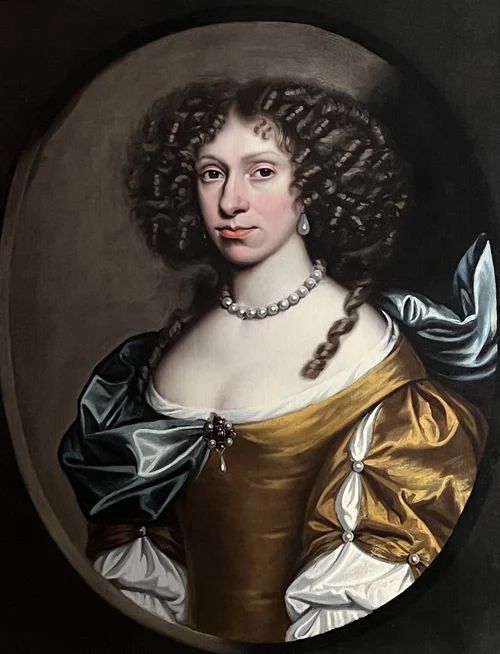
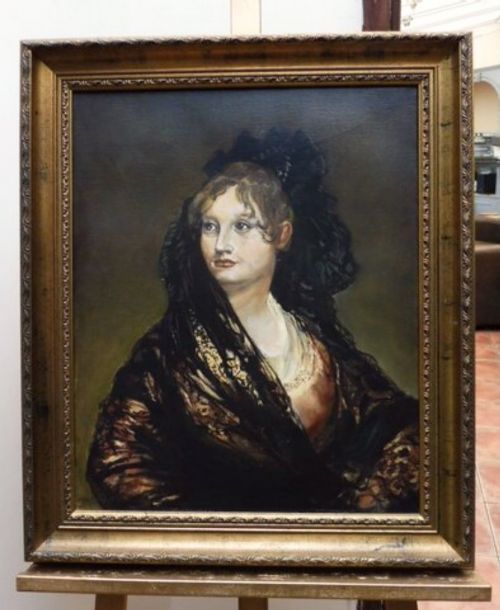
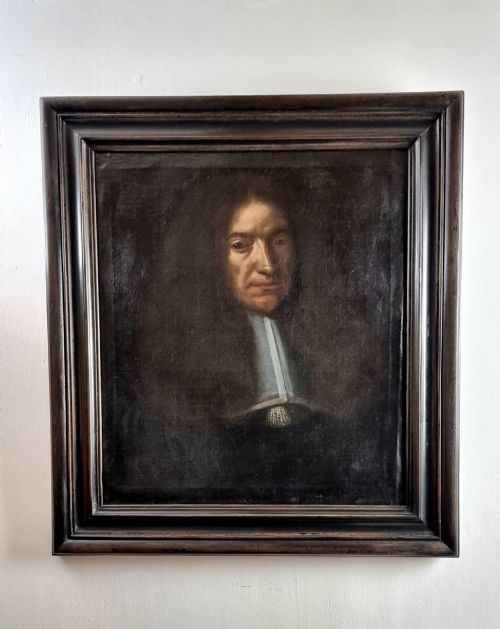
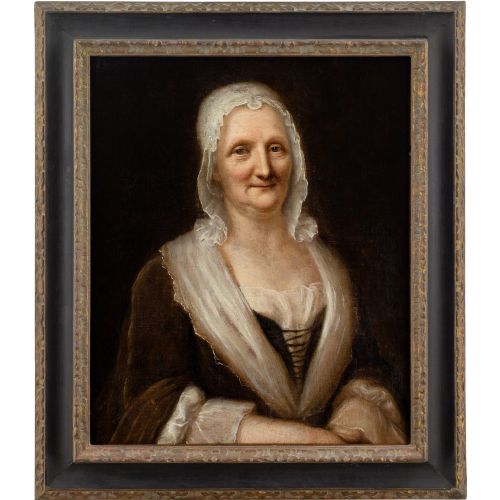
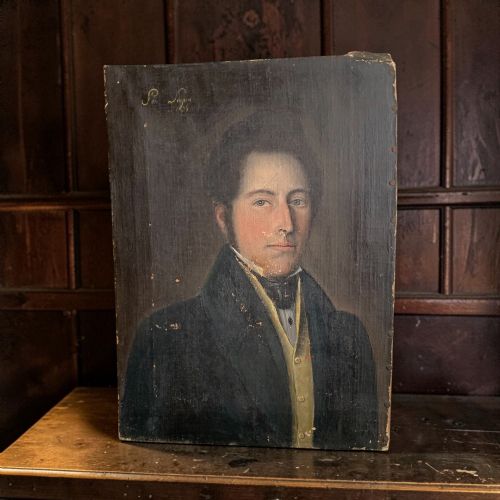
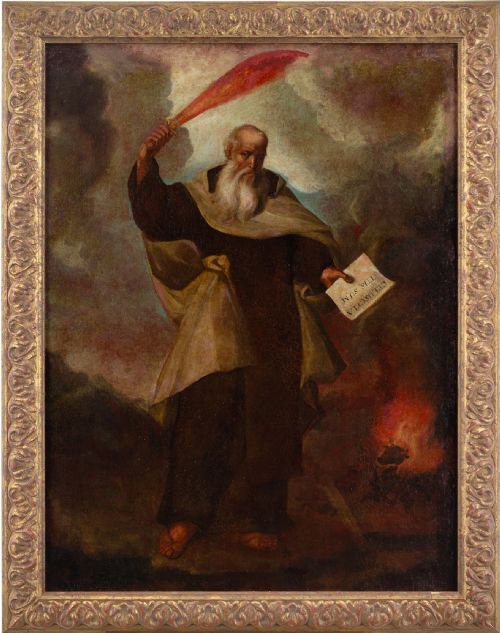


Dark Tone Oil Portrait
Dark tone oil portrait selections bring serious, atmospheric presence into a room, drawing the eye with deep shadows and restrained palettes.
Dark Tone Oil Portrait
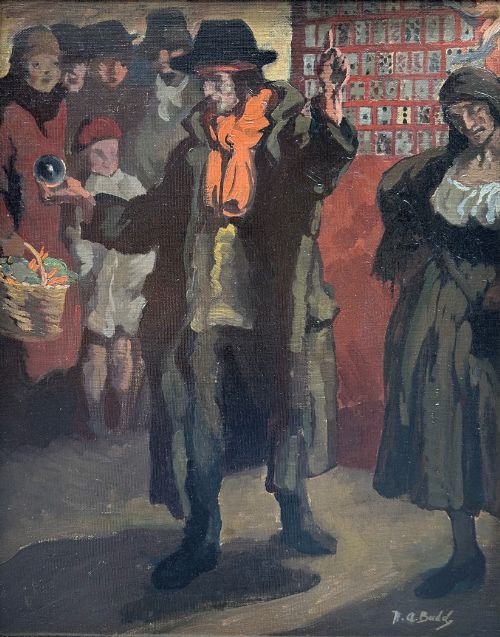
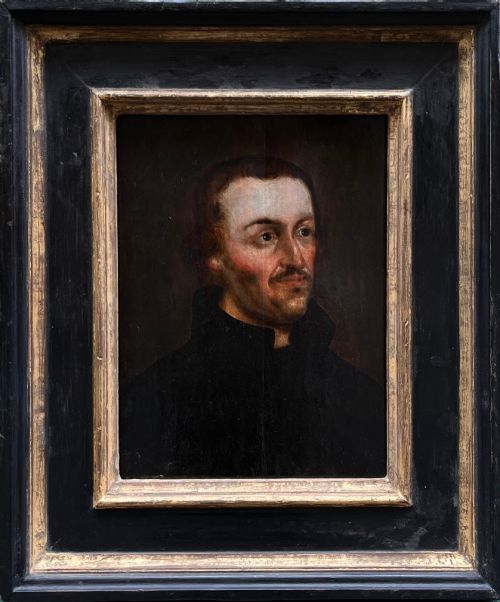
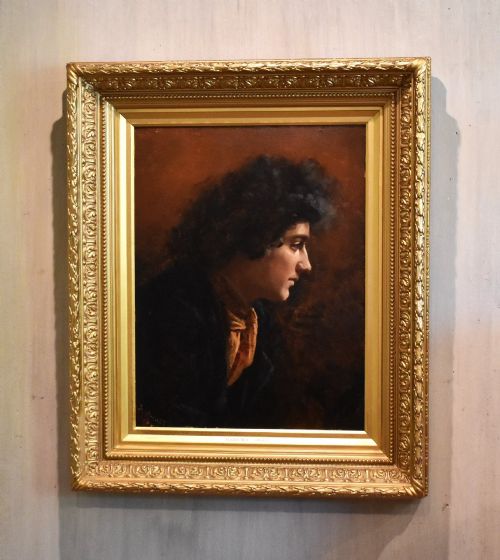
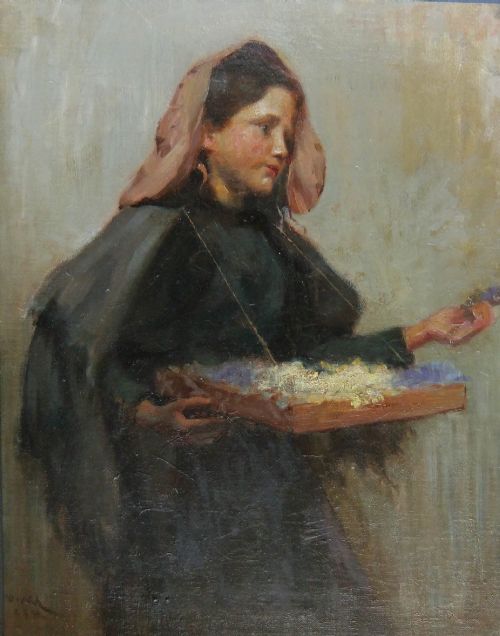
A dark tone oil portrait captures sitters in heavy shadow and subdued light, drawing from centuries of European academic and regional traditions. These works range from seventeenth-century depictions of judges and merchants to Victorian street sellers and domestic scenes.
Buyers exploring this selection encounter canvases produced across various periods, including seventeenth-century Spanish and French schools alongside later nineteenth- and early twentieth-century interpretations. The most frequent pieces date from the nineteenth century, showing subjects rendered with deep earth pigments.
Subjects include named figures, anonymous gentlemen, elderly ladies, and genre figures captured in solemn or contemplative moods. The unifying element across these works remains the moody lighting and rich, dark colour palette.
Materials and technique
Artists painted these works primarily using oil paint applied to woven canvas supports, though wood panels and boards also appear in the selection. The pigment layers build up deep, shadowy tones that create strong contrast against illuminated faces and collars.
Frames made from giltwood and ornamented with gesso frequently accompany the older canvases, adding structural weight and reflective borders to the dark compositions. The physical construction relies on stretched linen or canvas pinned to wooden stretcher frames.
The selection includes British, French, Spanish, and Anglo-Chinese schools, alongside works created after masters like Goya and Murillo.
What varies in quality
The integrity of the canvas and the stability of the oil paint layer determine the durability of each piece over time. Works retaining their original giltwood and gesso frames maintain a higher level of historical completeness than those later reframed.
DAVID SCOUGALL·Herbert Ashwin Budd·Florence Small·William Watt Milne·Andrew Young·Thomas Beach·Roberto Venturi·Ralph Hedley·John Phillip·John Partridge·George Hayter·Robert Ker Porter·Frank Samuel Eastman
The Dark Tone Oil Portrait Glossary
- Canvas
- A heavy woven fabric, usually linen or hemp, stretched across a wooden frame to serve as a support for oil painting. It provides the standard textured surface for historical portraits.
- Giltwood
- Wood carved and covered with a thin layer of gold leaf, commonly used for historical picture frames. This finish catches low room light to frame dark paintings.
- Gesso
- A paint mixture consisting of a neutral binder mixed with chalk, gypsum, or pigment, applied to wooden frames or panels to prepare them for gilding or painting. It allows for crisp decorative moulding.
- School
- A group of artists working in a particular style, region, or period under a shared influence. Attributions to a specific school indicate geographical and stylistic origin rather than an individual master.
- Genre painting
- The pictorial representation of scenes from everyday life, involving ordinary people engaged in common activities. These works focus on domestic or street narratives rather than formal portraiture.
Dark Tone Oil Portrait: Frequently Asked Questions
How do I hang a heavy oil painting?
Heavy canvases require secure wall fixings, preferably screwed directly into wall studs or supported by heavy-duty picture hooks rated for the combined weight of the painting and its frame. Ensure the hanging wire or brackets on the back match the support strength.
Position the painting at eye level to replicate gallery standards and avoid placing the canvas in direct sunlight, which can damage historic oil pigments over time.
What lighting suits a dark portrait?
Warm, directional picture lights mounted above the frame highlight the illuminated areas of the sitter's face while preserving the atmospheric shadows. Avoid high-intensity halogen bulbs that generate heat close to the canvas.
Adjustable LED picture lights running at a low wattage provide adequate illumination without exposing the antique oil paint to excessive ultraviolet radiation.
How do I identify the period of a portrait?
Clothing, hairstyles, and collars offer the most reliable clues for dating historical portraits, as fashion changed predictably across centuries. Comparing the sitter's attire to documented historical portraiture helps narrow down the decade.
Canvas preparation, stretcher construction, and the style of the accompanying giltwood frame also provide physical evidence that assists in dating the work.