


Feigned Oval Oil Painting
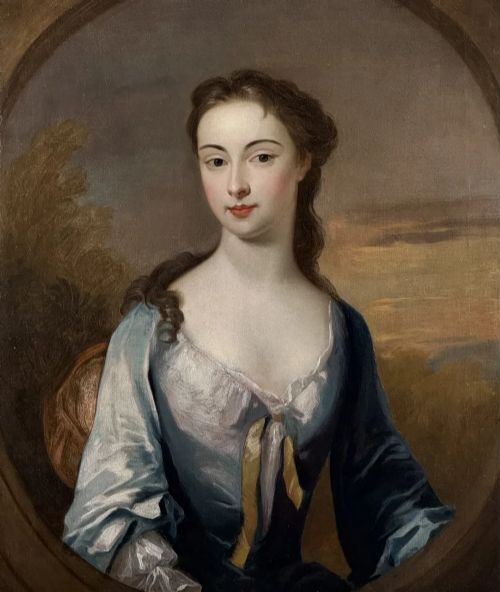
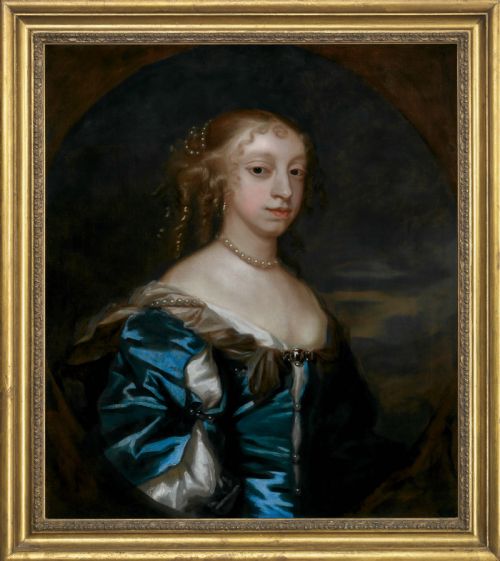
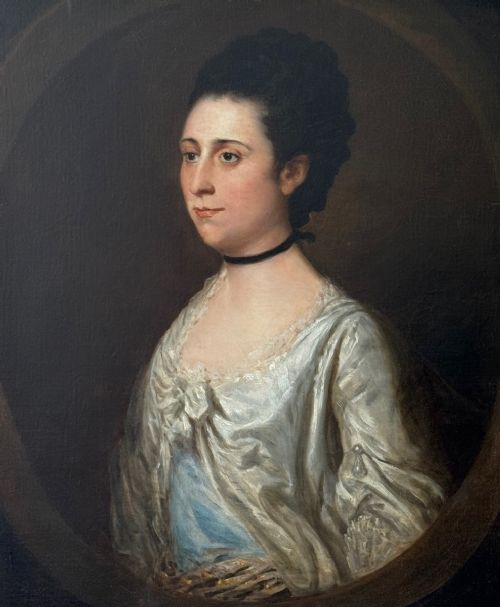
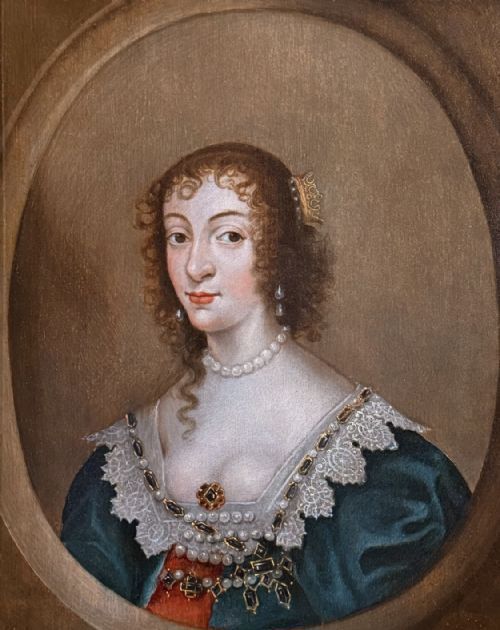
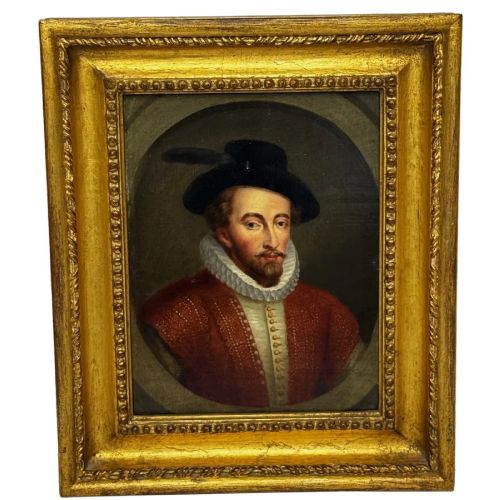
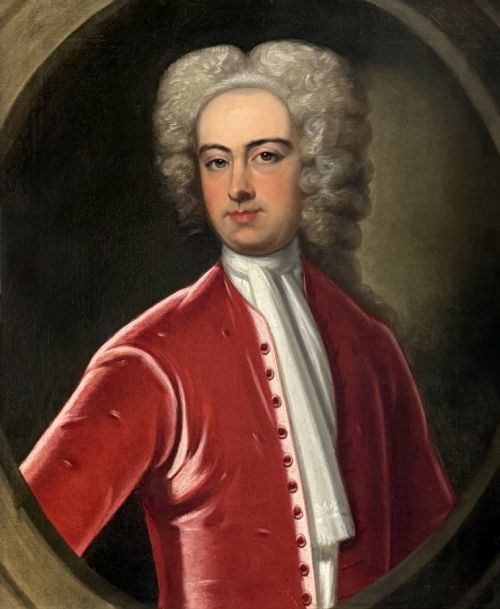
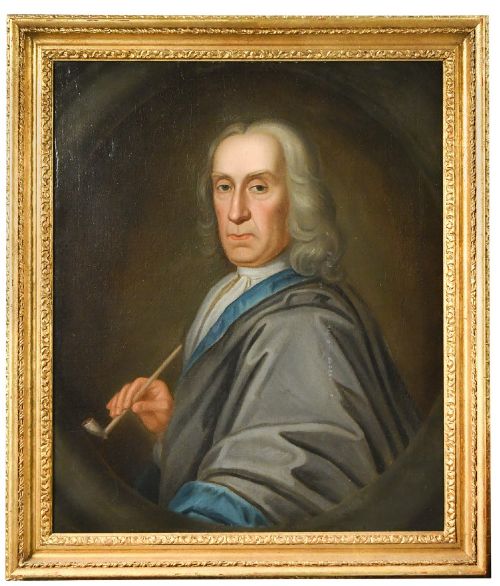
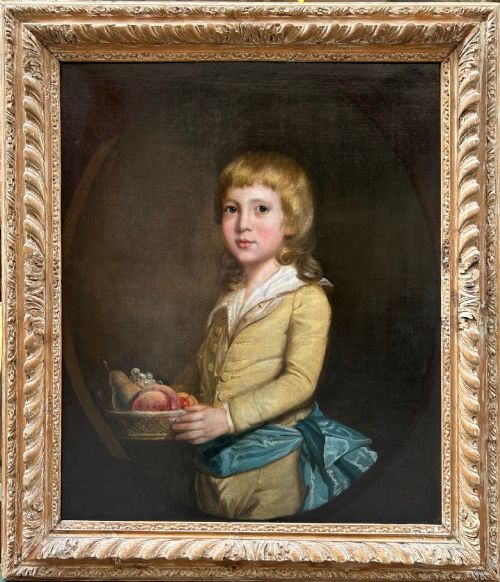
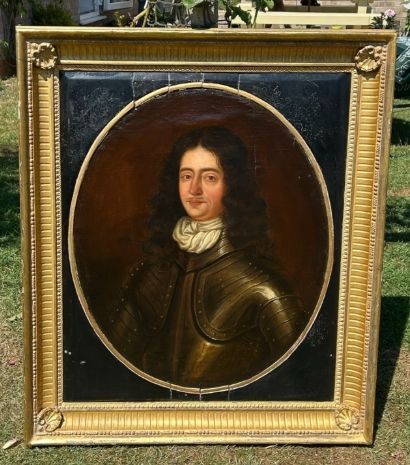
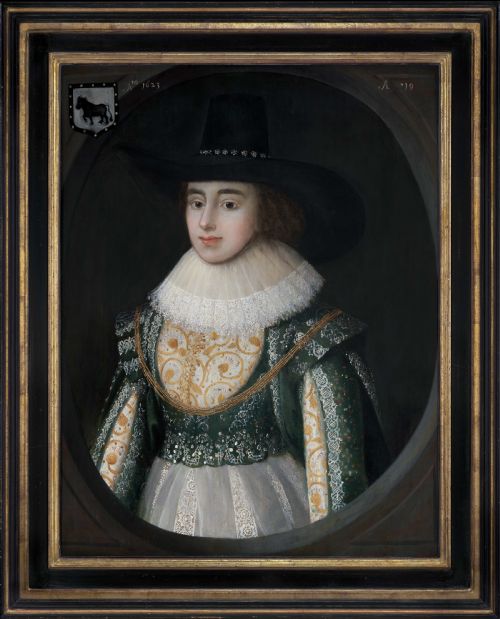
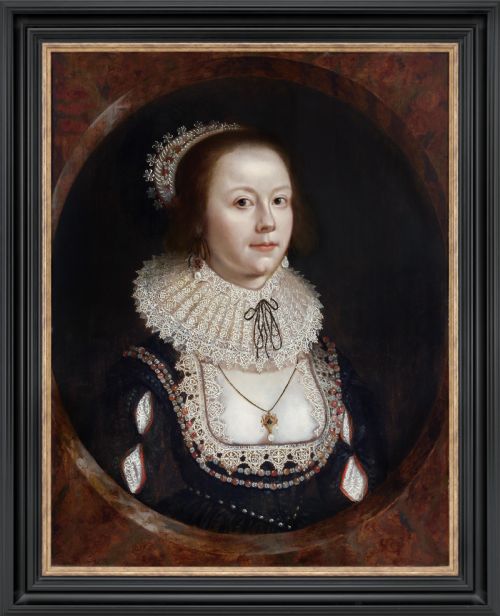
A feigned oval oil painting frames a sitter within a simulated stone or painted border, creating an intimate sense of depth.
Feigned Oval Oil Painting
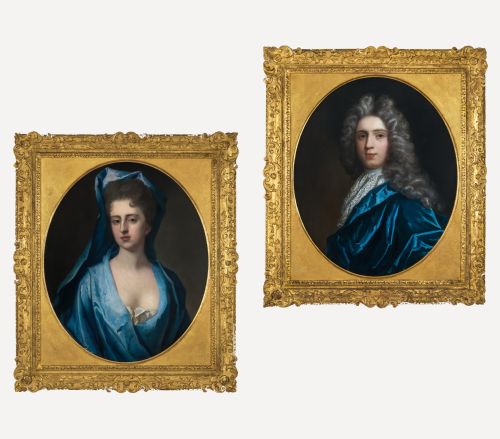
When you search for a feigned oval oil painting, you encounter portrait works originating from the seventeenth and eighteenth centuries, predominantly executed during the Georgian and Baroque periods. These pieces utilise a painted trompe-l'œil aperture that mimics a carved stone, wood, or gilt surround, concentrating the viewer's attention entirely upon the subject's face and costume.
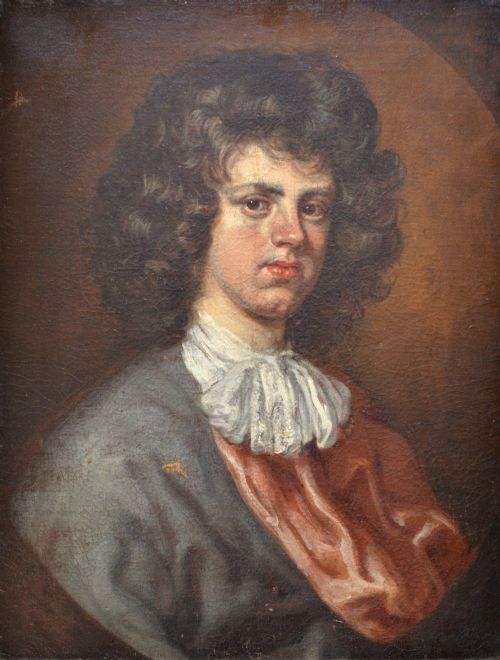
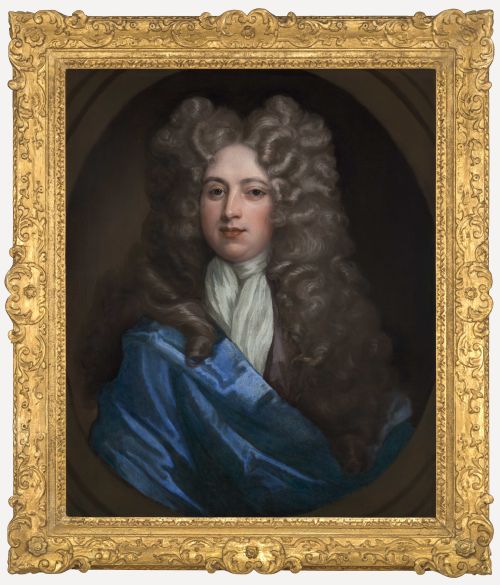
The versions most commonly met on this page are British and European school portraits depicting gentlemen, ladies, and children in formal attire, periwigs, lace, or ruffs. Artists of these eras employed the device to give square or rectangular canvases the classic dignity associated with traditional bust sculptures.
How they were made
Makers laid oil paint onto prepared canvas or wooden panels, building up rich tones for drapery and skin while leaving the spandrels in the corners to be filled with darker, neutral pigments that establish the illusion of a heavy frame. Artisans frequently housed these canvases within period giltwood frames adorned with gold leaf, enhancing the sculptural effect of the internal painted border.
Pigments were mixed with oils to achieve subtle sfumato effects around the edges of the false surround, tricking the eye into perceiving a three-dimensional recess. This technique required precise brushwork to ensure the transition between the portrait subject and the simulated stone or wood edge appeared convincing.
Several seventeenth-century gentlemen stare out from their painted stone apertures wearing remarkably extravagant periwigs.
What varies in quality
Attribution to named painters or established workshops significantly elevates the standing of a canvas, as does the survival of the original wooden panel or unlined canvas support. The integration of light across both the sitter and the simulated oval barrier determines the overall visual harmony of the composition.
Charles Jervas·Michael Dahl·Thomas Murray·Mary Beale·Thomas Beach·Cornelius Johnson·Pieter Nason·George Knapton·Thomas Hudson·John Closterman·Andrea Soldi
The Feigned Oval Oil Painting Glossary
- Feigned oval
- A painted trompe-l'œil border resembling a stone or wooden frame placed inside the square or rectangular edges of a canvas.
- Spandrel
- The triangular space between the curved edge of a feigned oval and the rectangular corners of the painting, typically painted in dark, flat tones.
- Giltwood
- Wood carved and coated with gold leaf, frequently utilised for contemporary frames surrounding seventeenth and eighteenth-century portraits.
- Baroque
- An artistic style spanning the seventeenth and early eighteenth centuries, characterised by drama, rich colour, and robust forms in portraiture.
- Trompe-l'œil
- An art technique that uses realistic imagery to create the optical illusion that the depicted objects exist in three dimensions.
Feigned Oval Oil Painting: Frequently Asked Questions
What is a feigned oval oil painting?
A feigned oval oil painting is a portrait where the artist paints a simulated stone, wood, or architectural border directly onto the canvas or panel. This technique creates the illusion that a rectangular or square picture contains an oval window.
Such compositions were immensely popular during the seventeenth and eighteenth centuries, drawing the viewer's eye squarely onto the sitter's expression and clothing.
Why did artists use painted ovals?
Artists utilised painted ovals to emulate the classical dignity of sculptural reliefs and antique cameos, which were highly prized by collectors of the era. The device also helped to focus attention away from the corners of the canvas and onto the subject's face.
This framing method added a sense of architectural structure and depth to portraits of nobility, merchants, and scholars.
How do I care for an old oil painting?
Old oil paintings require stable environmental conditions away from direct sunlight, excessive heat, and sudden humidity fluctuations. Keeping the display area clean and avoiding moisture on the canvas surface preserves the integrity of the oil pigments.
Professional conservation advice should be sought before attempting any cleaning or restoration of seventeenth and eighteenth-century canvases.
How can I tell the period of a portrait?
The clothing, hairstyles, and lace collars depicted provide immediate clues to the date of execution, reflecting the distinct fashions worn during the reigns of various monarchs. Periwigs, ruffs, and heavy velvet drapery correspond closely to specific decades between the sixteen-hundreds and seventeen-hundreds.
Additionally, the stretcher frames, canvas type, and handling of the oil medium assist specialists in dating the artwork accurately.