



Queen Anne Oil Painting
A genuine queen anne oil painting brings the solemn portraiture of the early eighteenth century directly into a room.
Queen Anne Oil Painting
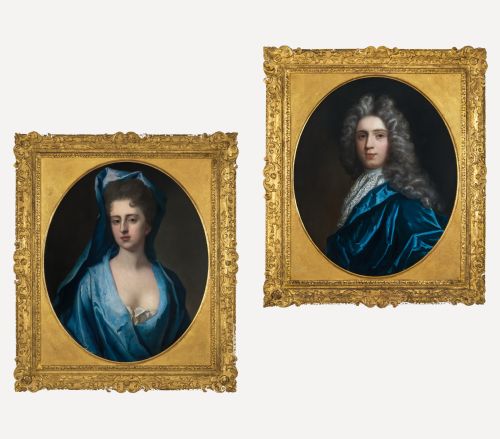
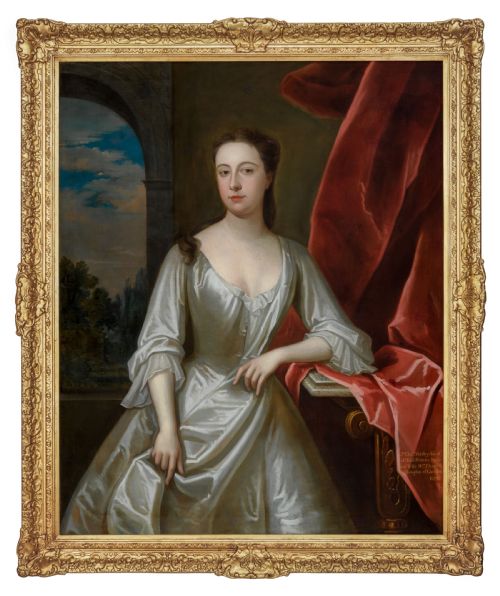
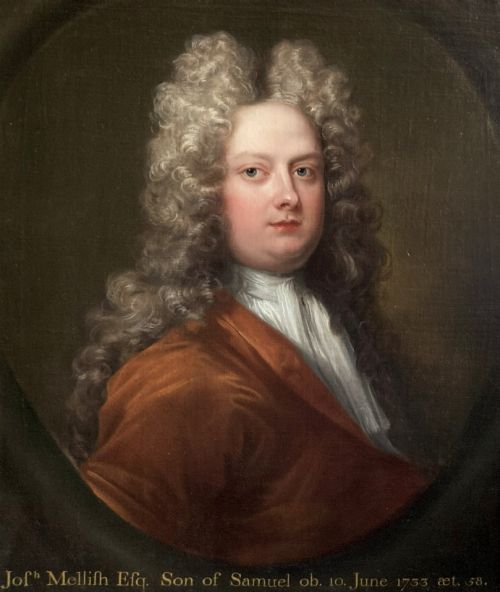
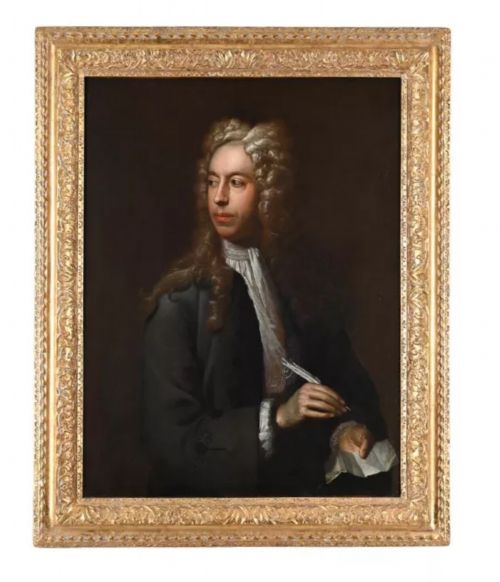
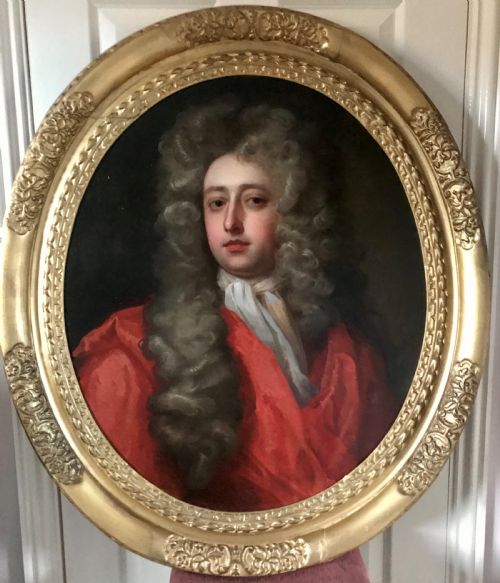
A queen anne oil painting typically presents portraiture from the late seventeenth and early eighteenth centuries, capturing subjects in formal attire with wigs, cloaks, and lace collars. These canvases record sitters from the period of British Baroque and early Georgian eras, often attributed to established portraitists or their circles.
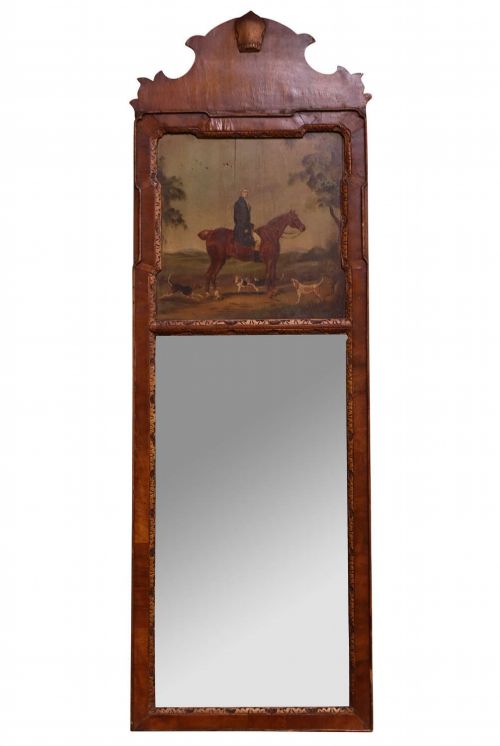
Buyers also encounter later interpretations from the early twentieth century, such as queen anne revival wall mirrors incorporating small equestrian or decorative oil paintings within walnut frames. These hybrid pieces blend functional furnishing with period portrait styles.
The most common surviving examples on this page are oil on canvas portraits depicting named or attributed gentlemen and ladies, housed in gilded wood frames.
Materials and Construction
Frames are constructed from wood, frequently featuring giltwood, gold leaf, or gilded and painted walnut finishes. Later revival pieces employ similar walnut construction paired with inset oil paintings.
Queen Anne Oil Painting Retail Price Guide 2026
Typical asking prices for queen anne oil painting among the pieces listed under this phrase on Sellingantiques today, from the lower quarter to the upper quarter. They describe what is for sale here now, not the wider market.
Factors of Quality
Quality in these works rests upon the fidelity of the brushwork and the documentary strength of the attribution to known portraitists or their immediate circles. Finer examples display subtle handling of light on silk, lace, and facial structure, whereas lesser pieces show more rigid or mechanical execution.
The integrity of the canvas and the retention of the original or period-appropriate gilded frame significantly influence the standing of a piece. Original materials and documented sitters elevate the historical weight of the painting.
Sir Godfrey Kneller·Charles Jervas·Thomas Murray·Charles D'Agar·Michael Dahl·Robert Byng
The Queen Anne Oil Painting Glossary
- Baroque
- An artistic style originating in the seventeenth century characterised by dramatic movement and deep chiaroscuro lighting. In portraiture, this appears in the rich folds of cloaks and theatrical framing of sitters.
- Giltwood
- Wood that has been coated with thin gold leaf or gold paint for decorative effect. It forms the primary finish for the ornate frames housing these portraits.
- Periwig
- A voluminous man's wig fashionable in the late seventeenth and early eighteenth centuries. Its presence is a defining marker of period male portraiture.
- Pier Glass
- A tall mirror designed to hang on the pier, the section of wall between windows. Some period examples incorporate small oil paintings into the upper glass or wood panel.
- Provenance
- The documented history of ownership of an artwork. Clear provenance verifies the identity of the sitter and the attribution of the painter.
Queen Anne Oil Painting: Frequently Asked Questions
How do I identify a true period portrait?
Examine the materials, canvas preparation, and stylistic markers such as wig styles and costume details characteristic of the late seventeenth and early eighteenth centuries.
Attributions to recorded painters or their immediate circles provide additional historical context for dating the canvas.
What is a queen anne revival mirror?
These are decorative wall furnishings produced during the early twentieth century that emulate the walnut forms and aesthetic of the earlier era.
Many incorporate small oil paintings depicting equestrian or scenic subjects directly into the walnut frame.
How should I care for an old canvas?
Keep the painting away from direct sunlight, high humidity, and rapid temperature fluctuations to protect the oil pigments and canvas support.
Dust the surface gently with a soft, dry brush and avoid using chemical cleaners on either the canvas or the gilded frame.
Who are typical sitters in these works?
Subjects are usually members of the gentry, aristocracy, or notable families, often identified by inscriptions on the canvas or historical records.
Portraits capture individuals ranging from statesmen and scholars to young girls and noble ladies.