








Early Georgian Canvas Painting
An early georgian canvas painting brings the presence of eighteenth-century sitters and landscapes directly into a room through layered oil and pigment.
Early Georgian Canvas Painting
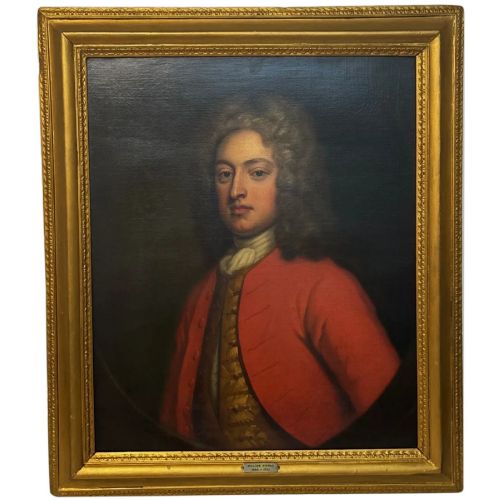
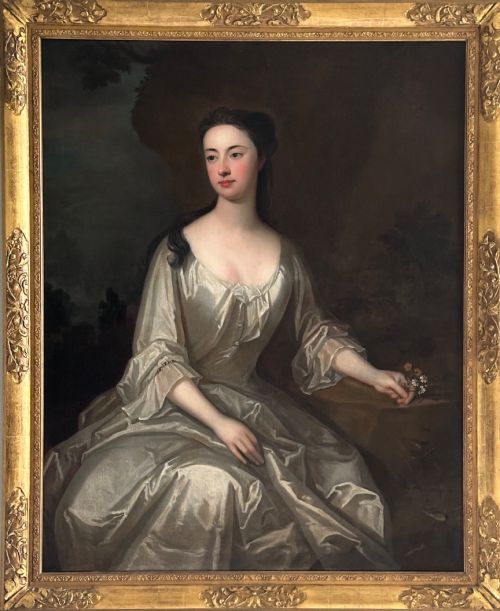
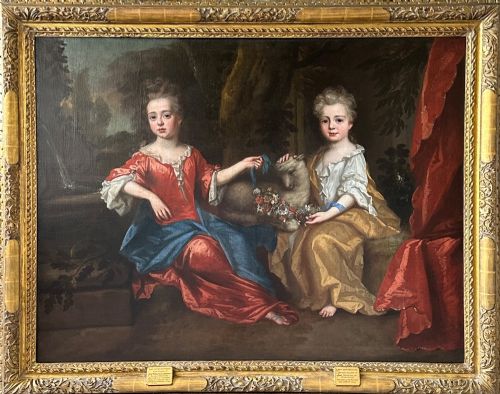
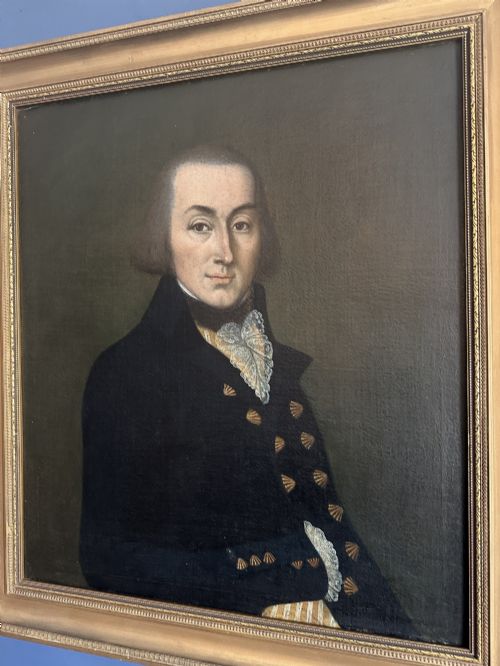
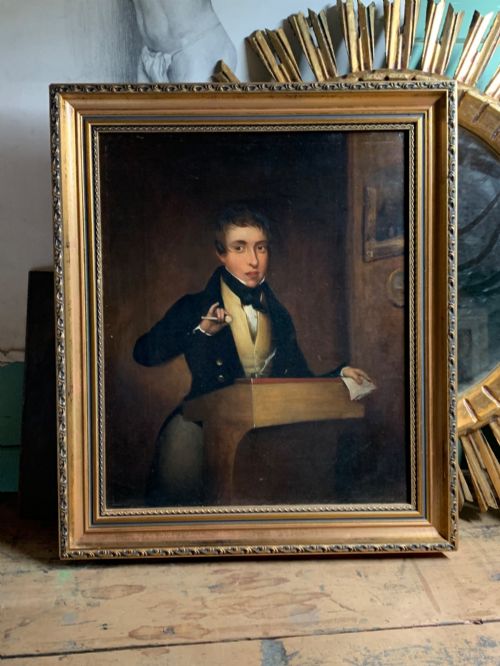
An early georgian canvas painting captures the portraiture and figurative scenes characteristic of the eighteenth century, often depicting subjects in formal attire or pastoral settings. These works frequently record members of nobility, gentry, or scholars through the brushwork of period artists and regional British schools.
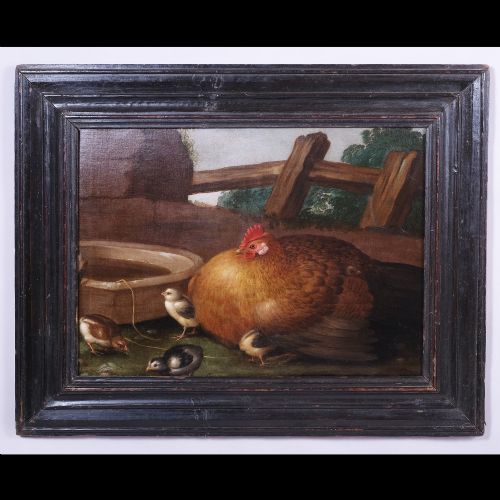
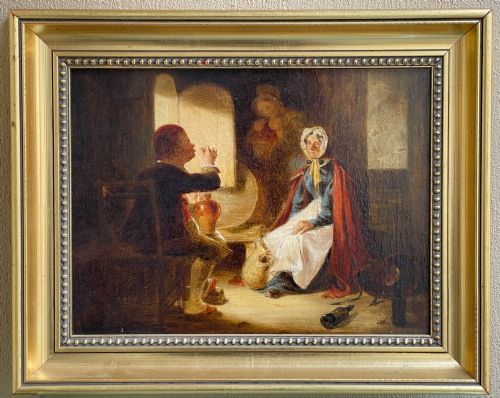
Buyers encounter oil paintings on canvas framed in period materials such as giltwood and carved wood, preserving the aesthetic of the period. While many examples focus on half-length or full-length human subjects, pastoral landscapes and domestic scenes also appear within this category.
Materials and construction
Makers built these pieces using oil paint applied to stretched woven canvas, utilising organic pigments bound in oils to build depth and luminosity. The resulting surface dried slowly, allowing painters to achieve subtle gradations in skin tones and textiles.
Frames fashioned from giltwood and gold leaf enclose the primary canvas, providing structural support and decorative framing. Wood stretchers maintain the tension of the textile support over centuries, though some works require conservation methods like laying canvas onto board.
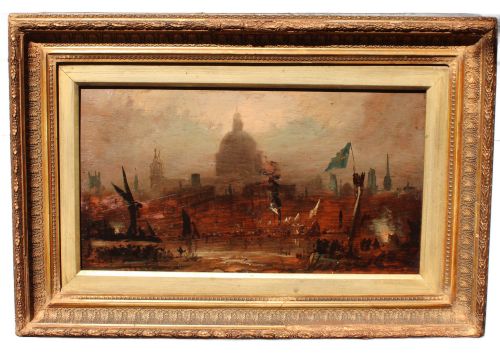
Listings feature oil on canvas works alongside giltwood frames, documenting both portraits and landscapes from the eighteenth and nineteenth centuries.
Distinctions in craftsmanship
The integrity of the original canvas and the survival of period frames influence the overall character of the piece. Works retaining their initial stretched support and untouched paint layers hold greater historical cohesion than heavily restored surfaces.
Charles Jervas·Jean Baptiste Van Loo·Charles D Agar·Michael Dahl·James Maubert·Sir Godfrey Kneller·Hans Hysing·Robert Byng
The Early Georgian Canvas Painting Glossary
- Oil on Canvas
- A painting medium where pigments are suspended in a drying oil, typically linseed, and applied to a woven fabric support. This combination allows for rich colour blending and durability.
- Giltwood
- Wood, commonly carved timber, coated with a thin layer of gold leaf or metal powder. It provides ornamental framing for portraits and mirrors of the period.
- Circle of
- A designation indicating the work was produced by an artist closely associated with a master, sharing their studio practices and stylistic approach without being by their own hand.
- Attributed to
- A term used when an expert judges a work to be by a specific maker based on stylistic evidence, though absolute proof is lacking.
- Stretcher
- The wooden frame over which the canvas is pulled and secured tightly to maintain tension. Traditional versions utilise corner keys for adjustment.
Early Georgian Canvas Painting: Frequently Asked Questions
How do I identify an eighteenth century portrait?
Examine the clothing, wig styles, and framing conventions typical of the period, which often feature specific jacket cuts and lace collars.
Compare the pigment handling and canvas preparation methods to known examples from British and European schools of the era.
Where should I hang a period oil painting?
Select an interior wall protected from direct sunlight and steady moisture fluctuations to safeguard the oil paint and canvas.
Ensure the hanging location allows the giltwood frame to complement surrounding furnishings without overcrowding the composition.
What does attribution mean in these listings?
Attribution indicates that stylistic analysis links the brushwork and composition to a specific named artist or workshop.
This assessment relies on documented signatures, comparable known pieces, and expert evaluation of period techniques.
How do I care for canvas artwork?
Dust the surface and the giltwood frame gently with a soft, dry brush without applying pressure to the paint layer.
Consult a professional art conservator if the canvas shows signs of sagging, cracking, or surface darkening.