


Gold Table Candlesticks
Gold table candlesticks bring genuine warmth to a room, offering functional illumination through cast metals and polished gilding.
Gold Table Candlesticks
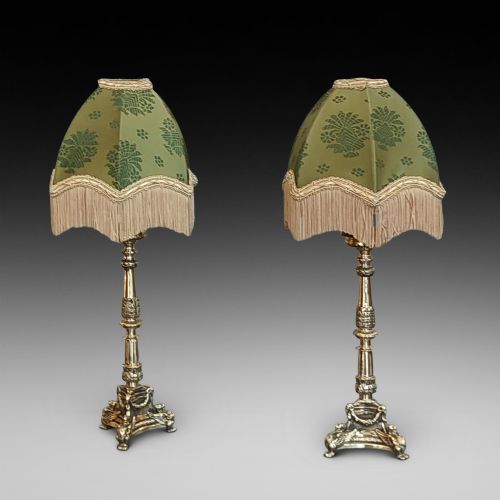
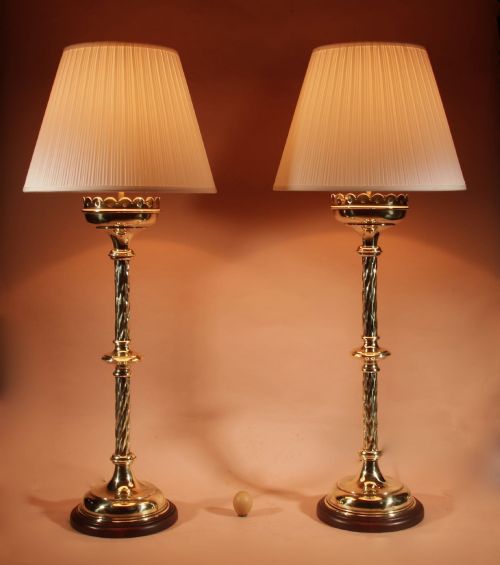
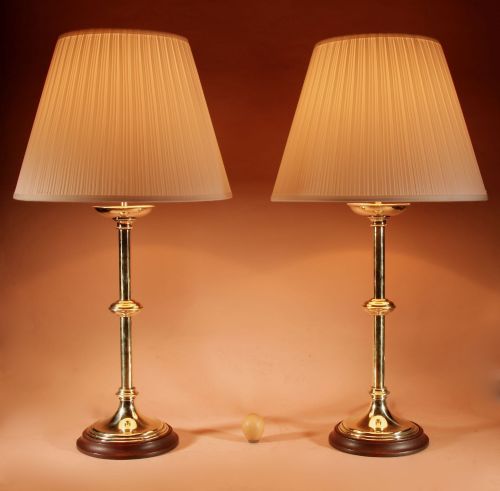
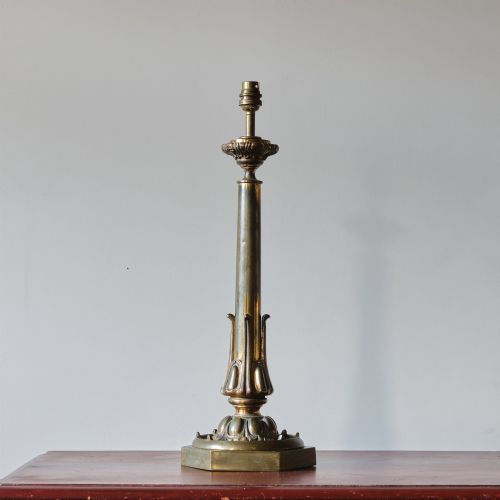
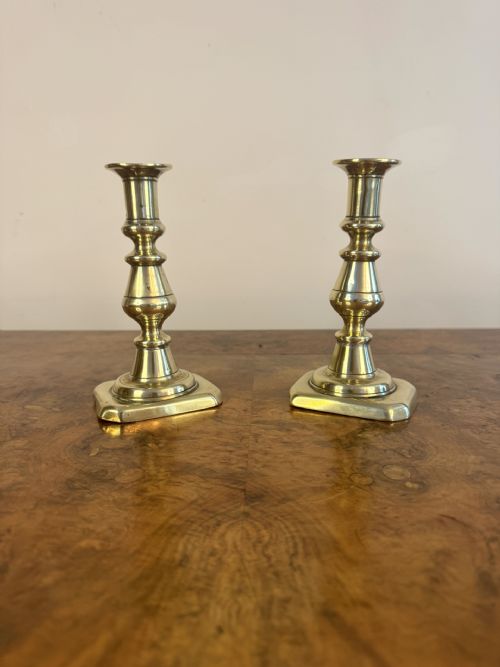
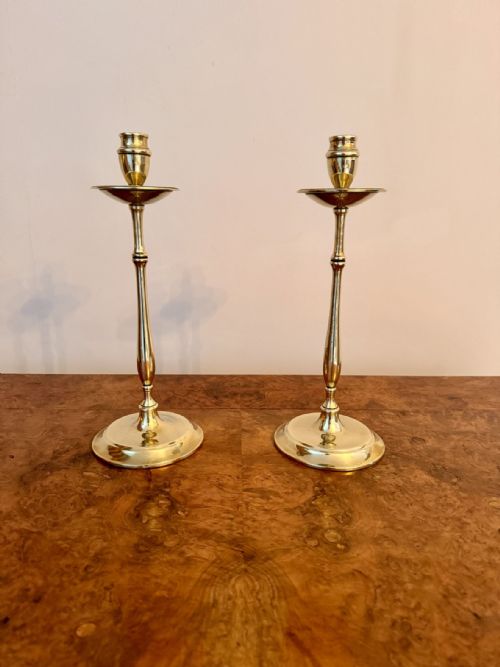
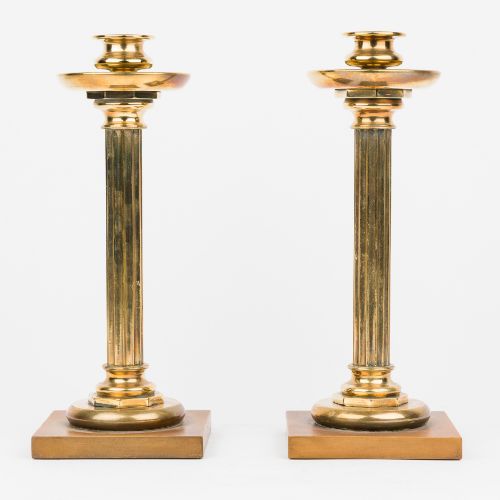
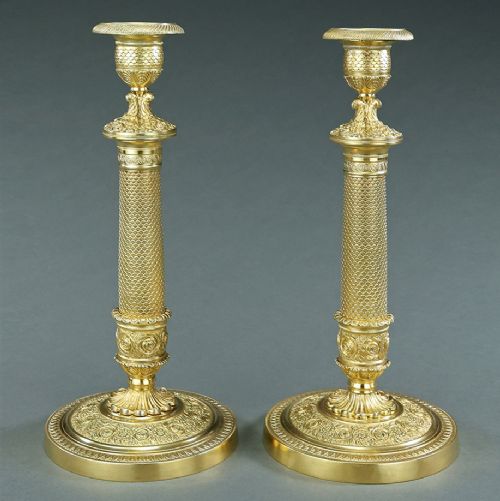
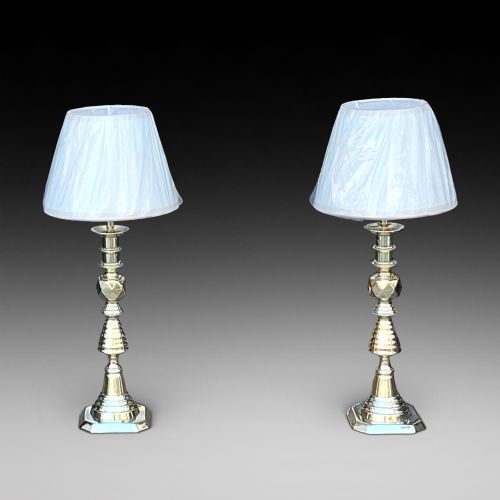
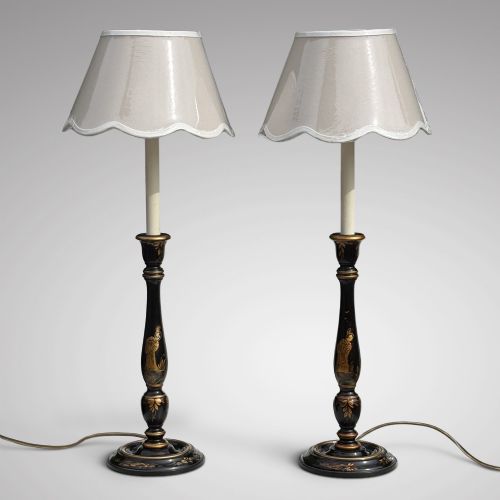
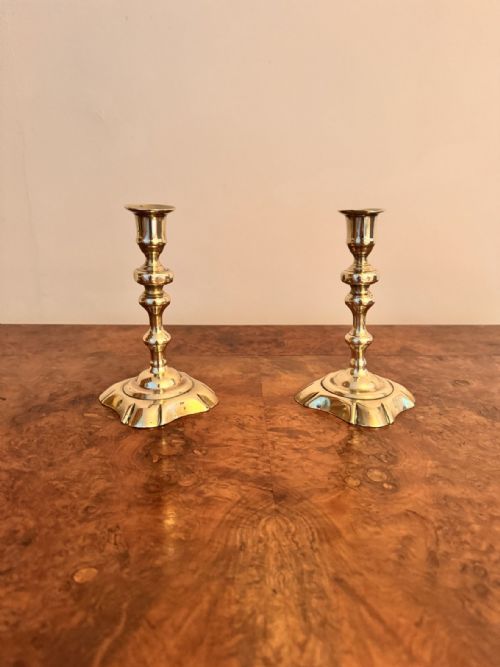
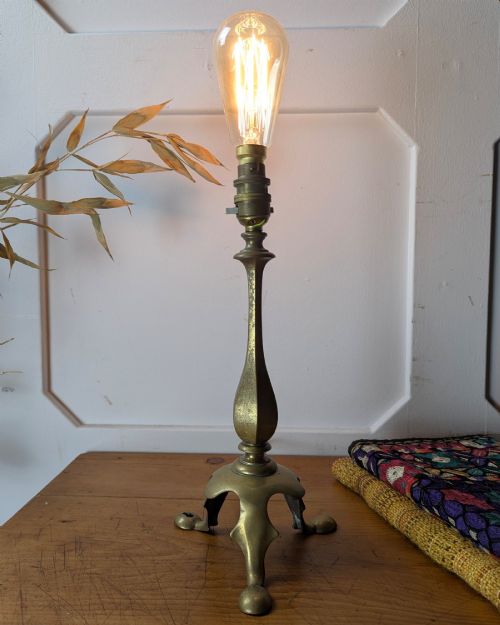
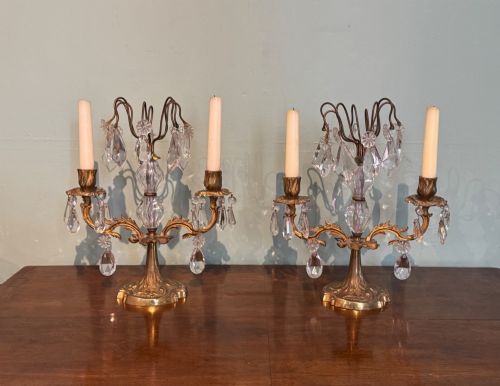
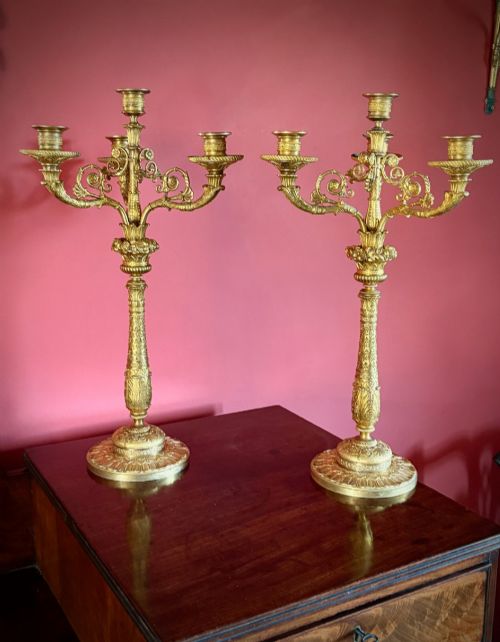
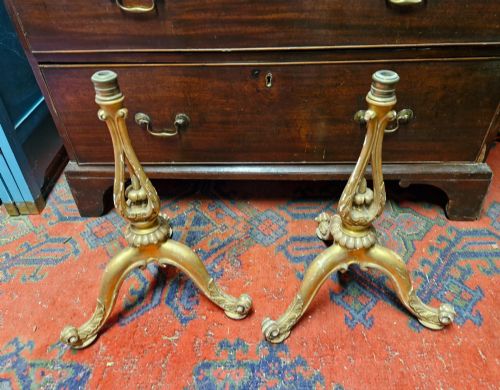
Gold table candlesticks encompass a broad category of decorative metal lighting fixtures designed to hold taper candles or function as adapted table lamps. When searching for gold table candlesticks, buyers encounter items fashioned from brass, ormolu, gilt bronze, and giltwood originating from the eighteenth, nineteenth, and early twentieth centuries.
The selections span several distinct historical periods and stylistic influences, including Georgian, Victorian, Edwardian, Louis XVI, and French Empire designs. Many pieces on this page appear as pairs, often featuring structural adaptations such as conversions to electric lamps or integrated telescopic mechanisms.
Formations vary from simple baluster profiles and hexagonal columns to elaborate candelabra with multiple arms, tripod bases, and sculptural details like rams heads or lions paw feet. Certain examples incorporate shades made from fabric or cut glass alongside the primary metal construction.
Materials and Techniques
Makers utilised casting techniques for brass and bronze components, pouring molten metal into moulds before finishing the surfaces by hand with turning and filing. Seamed construction appears on specific nineteenth-century pieces where sections were joined together prior to final polishing.
Gilt bronze and ormolu pieces rely on the application of a gold-coloured finish or mercury gilding over a bronze base, producing a durable metallic sheen. Giltwood items employ carved timber substrates covered in thin sheets of gold leaf to achieve the desired appearance.
Gold Table Candlesticks Retail Price Guide 2026
Typical asking prices for gold table candlesticks among the pieces listed under this phrase on Sellingantiques today, from the lower quarter to the upper quarter. They describe what is for sale here now, not the wider market.
Listings feature items spanning the eighteenth, nineteenth, and early twentieth centuries, incorporating materials from solid brass to giltwood and cut glass.
Evaluating Quality in Metalwork
Quality rests in the crispness of the cast ornamentation and the weight of the metal utilised in the body and base. Finer examples display sharp relief in decorative motifs such as acanthus leaves or figural elements, whereas lesser pieces show softer, worn details from worn moulds.
The integrity of the gilding or surface finish dictates the visual impact of the object. Superior items retain coherent layers of ormolu or lacquer, while lower grades exhibit uneven wear, patchy touch-ups, or excessive smoothing from over-cleaning.
J.T. & Co·Harrison Patent·AFC
The Gold Table Candlesticks Glossary
- Ormolu
- Finely ground high-carat gold applied to a bronze object using a mercury amalgamation technique. This method yields a rich, durable golden finish characteristic of French decorative arts.
- Pricket
- A sharp metal spike set in the centre of a candle pan to secure a large wax candle. These appear frequently on ecclesiastical and earlier altar pieces.
- Telescopic
- Describing candlesticks with adjustable shafts that extend to alter the height of the light source. The Harrison Patent design exemplifies this mechanical function.
- Baluster
- A vertical architectural form with a swelled profile resembling a turned pillar. Many brass and bronze candlestick shafts follow this contour.
- Gilt Bronze
- Bronze metal treated with a gold surface layer to simulate solid gold. It combines structural strength with a decorative metallic glow.
Gold Table Candlesticks: Frequently Asked Questions
What is the difference between ormolu and brass?
Brass is an alloy of copper and zinc used for structural metalwork and finished through polishing. Ormolu refers specifically to gilt bronze where a gold layer coats a bronze substrate.
Ormolu displays a warmer, deeper golden tone compared to standard polished brass. Both materials appear frequently in period lighting.
How do I date an antique candlestick?
Dating relies on identifying manufacturing techniques, stylistic motifs, and assembly methods. Seamed construction and specific casting flaws often point toward nineteenth-century origins.
Stylistic cues such as neoclassical proportions or regency feet help narrow down the decade of production. Patent stamps and maker marks provide definitive chronological markers.
Can converted lamps be restored to hold candles?
Many electrical conversions utilise existing hollow channels within the shaft to run wiring without drilling new holes. Removing the internal wiring assembly often returns the piece to its original configuration.
Professional assessment ensures that original components remain undamaged during any conversion reversal.
What does a pricket candlestick look like?
Pricket candlesticks feature a prominent upright spike positioned in the middle of a drip pan rather than a traditional socket. Large wax candles rest directly upon this metal point.
This format derives from early ecclesiastical lighting traditions.
How should I clean antique gilt bronze?
Antique gilt bronze requires gentle dusting with a soft dry cloth to prevent abrasion of the delicate surface layer. Chemical cleaners and abrasive polishes strip away the historical finish.
Professional conservation advice is recommended for pieces showing heavy tarnish or accumulated grime.