


Gold Royal Worcester Vase
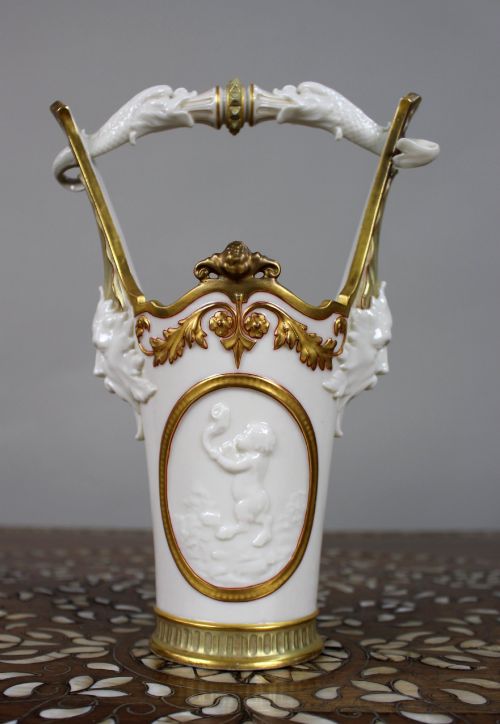
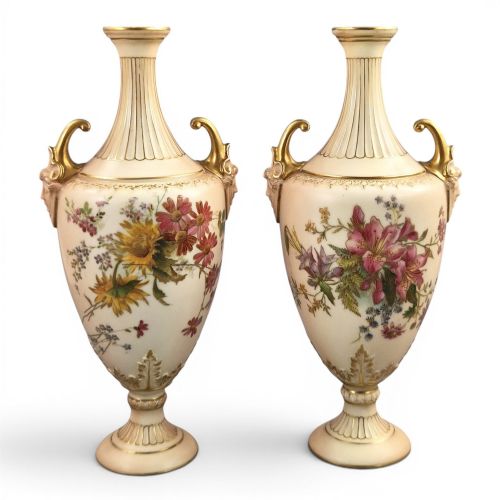
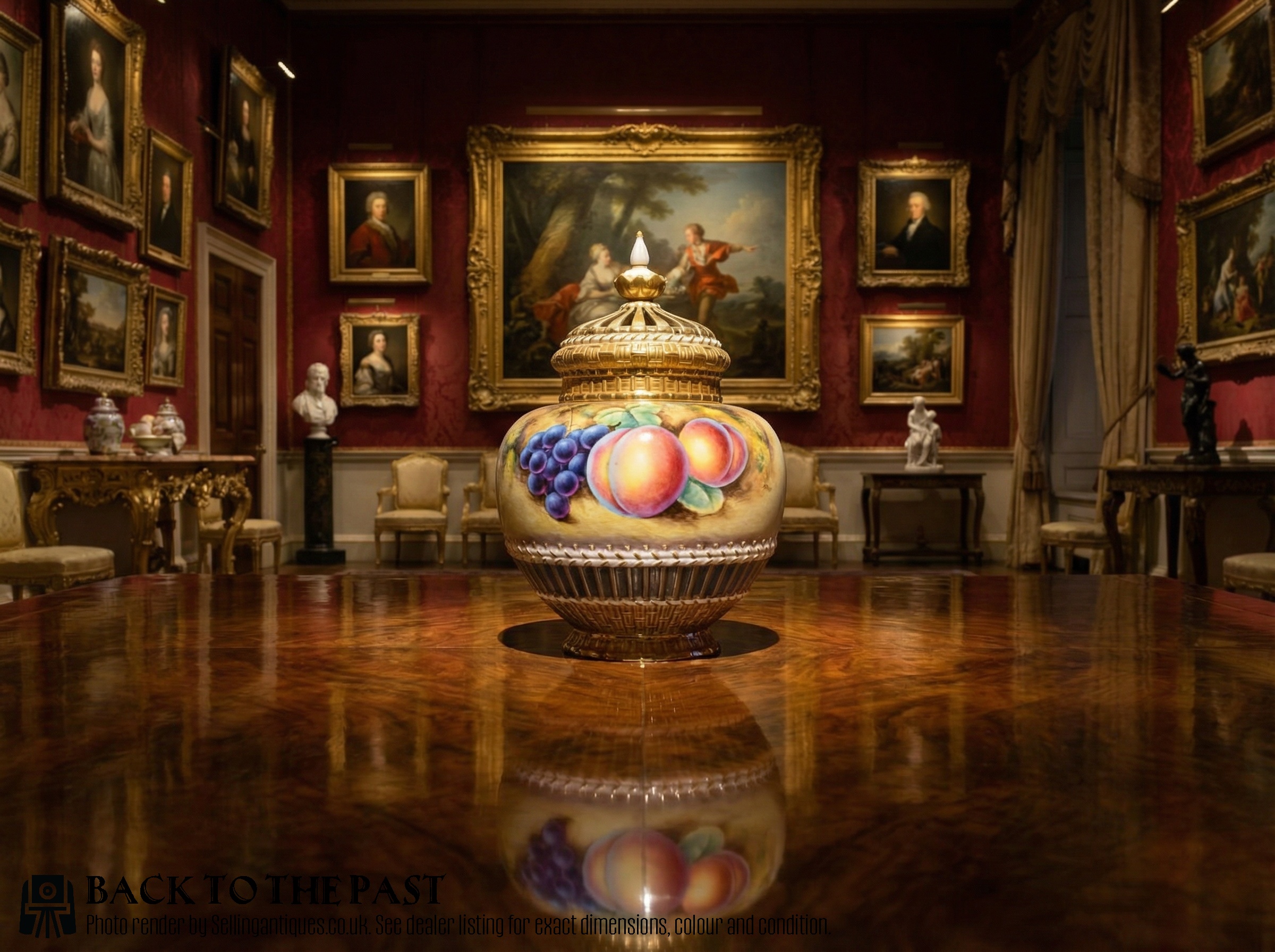
A gold royal worcester vase brings hand-painted naturalism and rich gilding into a room, offering a distinct piece of English ceramic history.
Gold Royal Worcester Vase
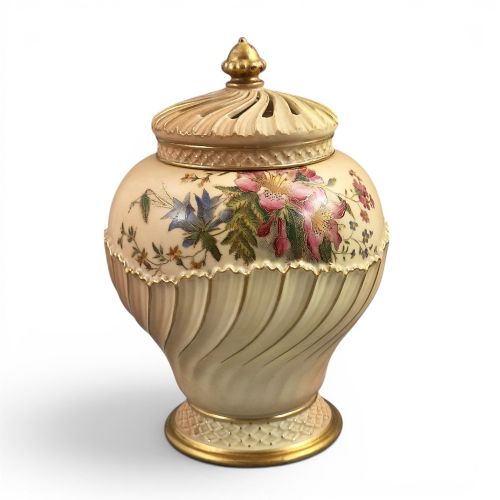
Buyers encounter distinct shapes such as blush ivory vessels, reticulated designs, and covered urns. These decorative objects showcase traditional English craftsmanship ranging from 1880 exhibition pieces to 1960 painted fruit compositions.
Materials and technique
Pottery and bone china form the structural foundation of these vessels, shaped into complex forms like ewers, ginger jars, and pot-pourri containers. Artisans applied glaze and enamel to create smooth surfaces ready for detailed pictorial work.
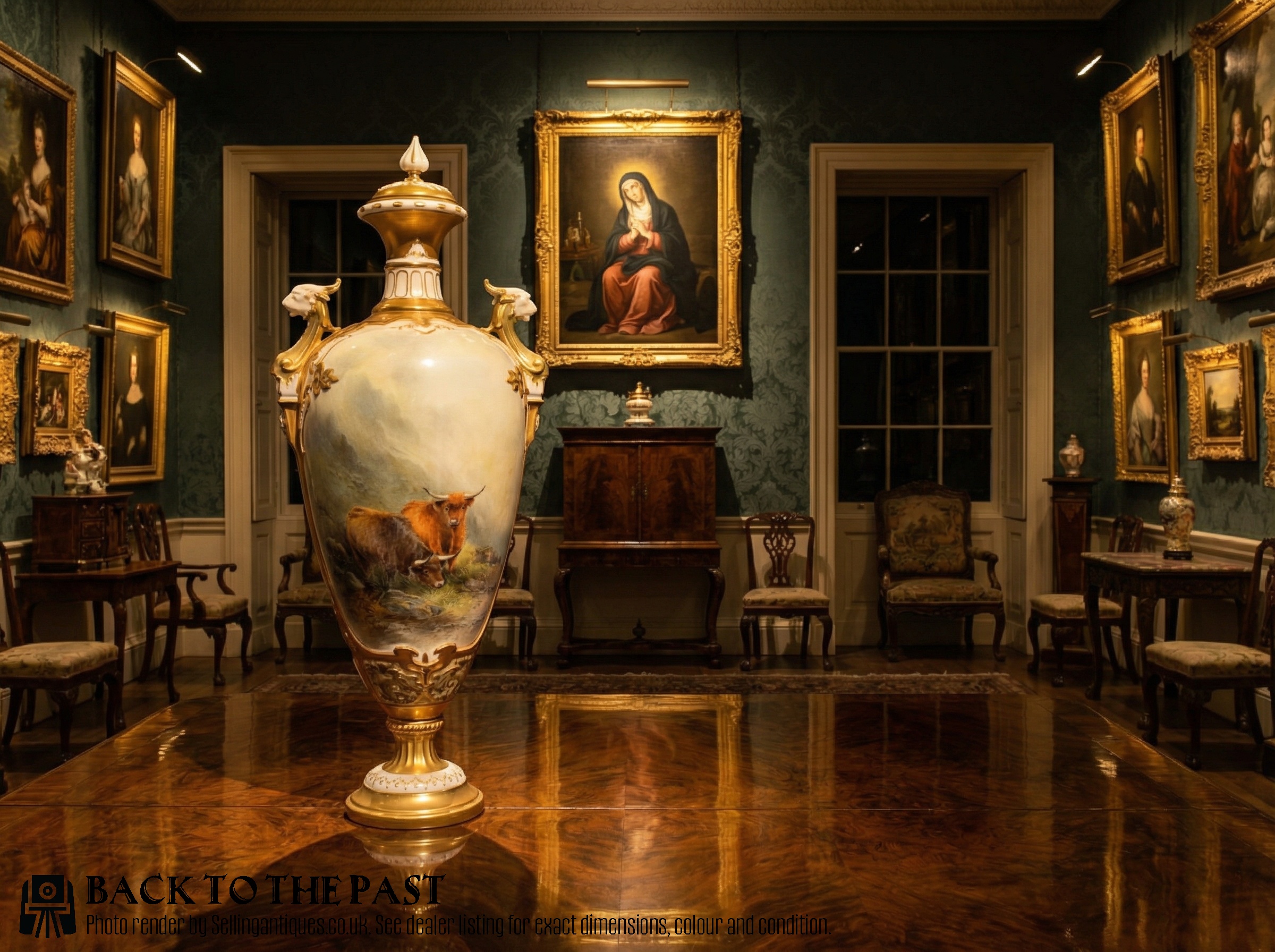
Gold leaf, gilding, and gilt accents highlight handles, rims, and borders to frame the central painted subjects. Skilled painters executed intricate scenes of fruit, cattle, and storks directly onto the ceramic body before final firing.
Listings span from nineteenth-century exhibition pieces to 1960s painted fruit ceramics, utilising porcelain, bone china, enamel, and gold leaf.
Evaluating craftsmanship and detail
The refinement of the hand-painted decoration separates standard production items from masterworks signed by notable artists. Detailed rendering of natural subjects like highland cattle, storks, and botanical studies indicates superior execution.
Intricacy in peripheral details such as reticulated pierced work, moulded handles, and applied gold leaf influences the overall distinction of the vessel. Superior examples demonstrate precise control over enamel colours and gilding density.
Walter Powell·Albert Shuck·H Davis·Ayrton·Freeman·William Ricketts·HH Price·George Owen·Stinton·Blake·Harper·Jas Stinton
The Gold Royal Worcester Vase Glossary
- Blush ivory
- A soft, matte cream-colored ceramic body introduced by the factory to mimic ivory. It serves as a subtle background for floral and animal decoration.
- Reticulated
- Pierced or openwork ceramic decoration formed by cutting through the clay before firing. George Owen specialised in this intricate technique.
- Pot-pourri
- A decorative jar or vase featuring a pierced cover designed to diffuse scent from dried flower petals. These pieces often include inner lids.
- Gilding
- The application of gold leaf or gilt paint to ceramic surfaces. It accentuates rims, handles, and structural details on traditional English porcelain.
Gold Royal Worcester Vase: Frequently Asked Questions
How do I identify the period?
Examine the style of decoration, ceramic body, and signature format to determine the era of production. Victorian and Edwardian examples often feature blush ivory finishes, while mid-century pieces frequently display painted fruit.
Factory marks on the underside provide precise dating indicators through changing systems of dots and symbols. Comparing the shape number to factory records helps confirm the production year.
What subjects appear on the painted pieces?
Artists frequently painted British wildlife, birds such as storks, and pastoral scenes including highland cattle. Botanical studies and detailed fruit compositions also form a major part of the decorative repertoire.
Signed pieces by specific painters command particular attention from collectors who follow individual artistic styles. These miniature paintings reflect the high standard of naturalistic illustration favored by the factory.
How should I display a pot pourri vase?
Place the vessel on a stable surface away from direct sunlight to protect the enamel colours and gold leaf from fading. Ensure adequate clearance around ewers and covered jars so their handles and rims remain safe from accidental knocks.
Keep the pierced cover loosely fitted if using the vessel for its original purpose with dried botanicals. Dust the surface gently with a soft dry cloth without using liquid cleaners that might harm the gilt.
What is reticulation?
Reticulation involves cutting intricate geometric or floral patterns out of the ceramic wall before the piece undergoes firing. This delicate openwork technique requires immense skill to prevent the clay from collapsing in the kiln.
Master artisans like George Owen became renowned for creating double-walled pierced vessels. The resulting lattice work allows light to pass through parts of the porcelain body.