
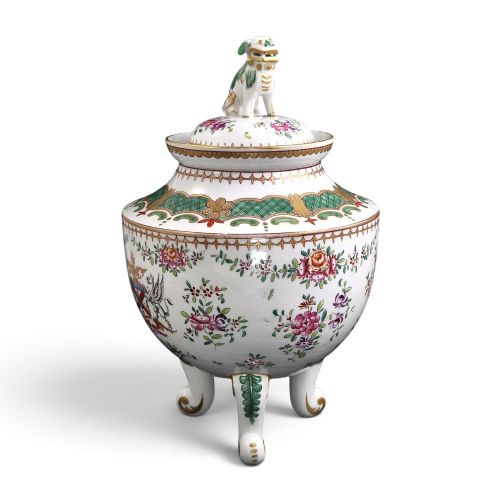
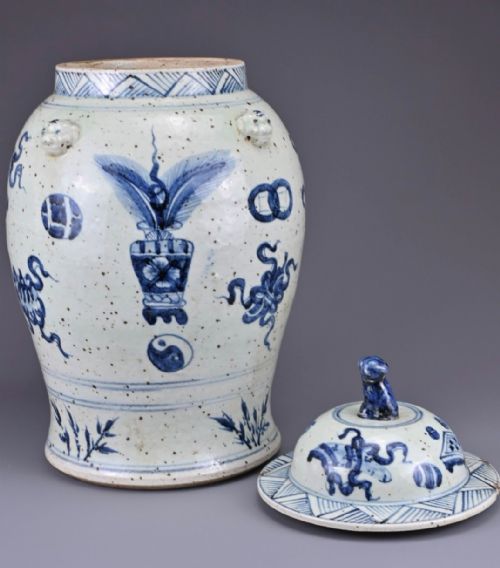
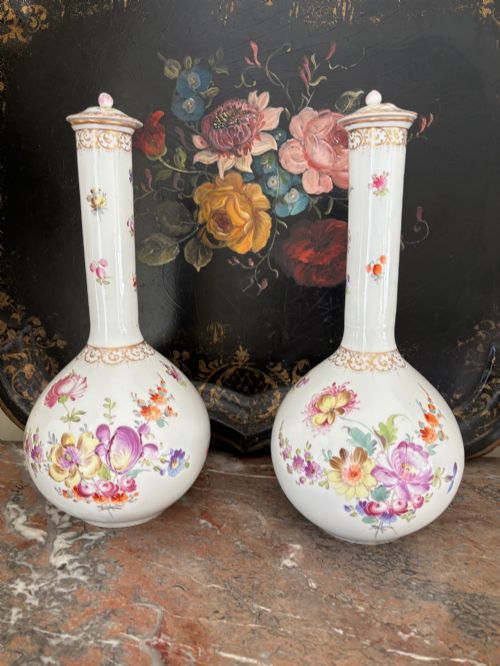
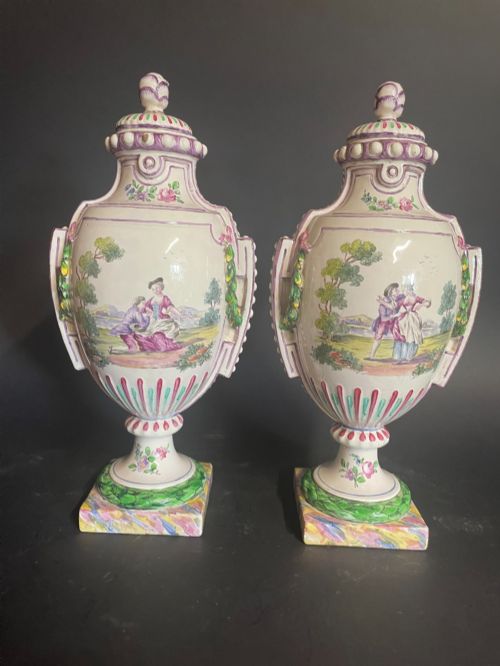
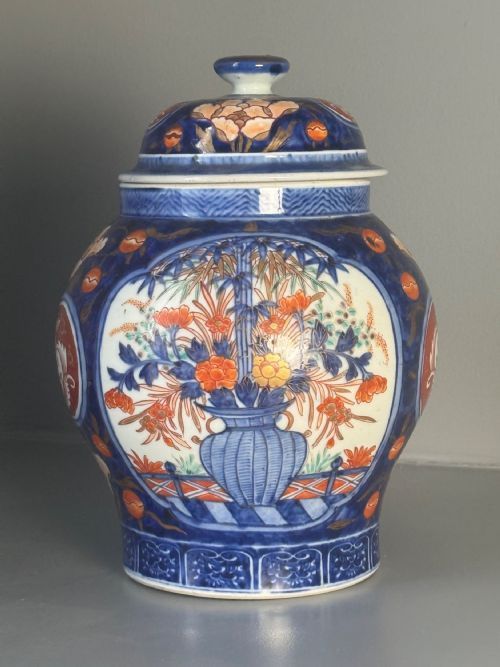


White Porcelain Covered Urn
These white porcelain covered urn objects combine classical form with ceramic craft, offering collectors striking display centrepieces for traditional interiors.
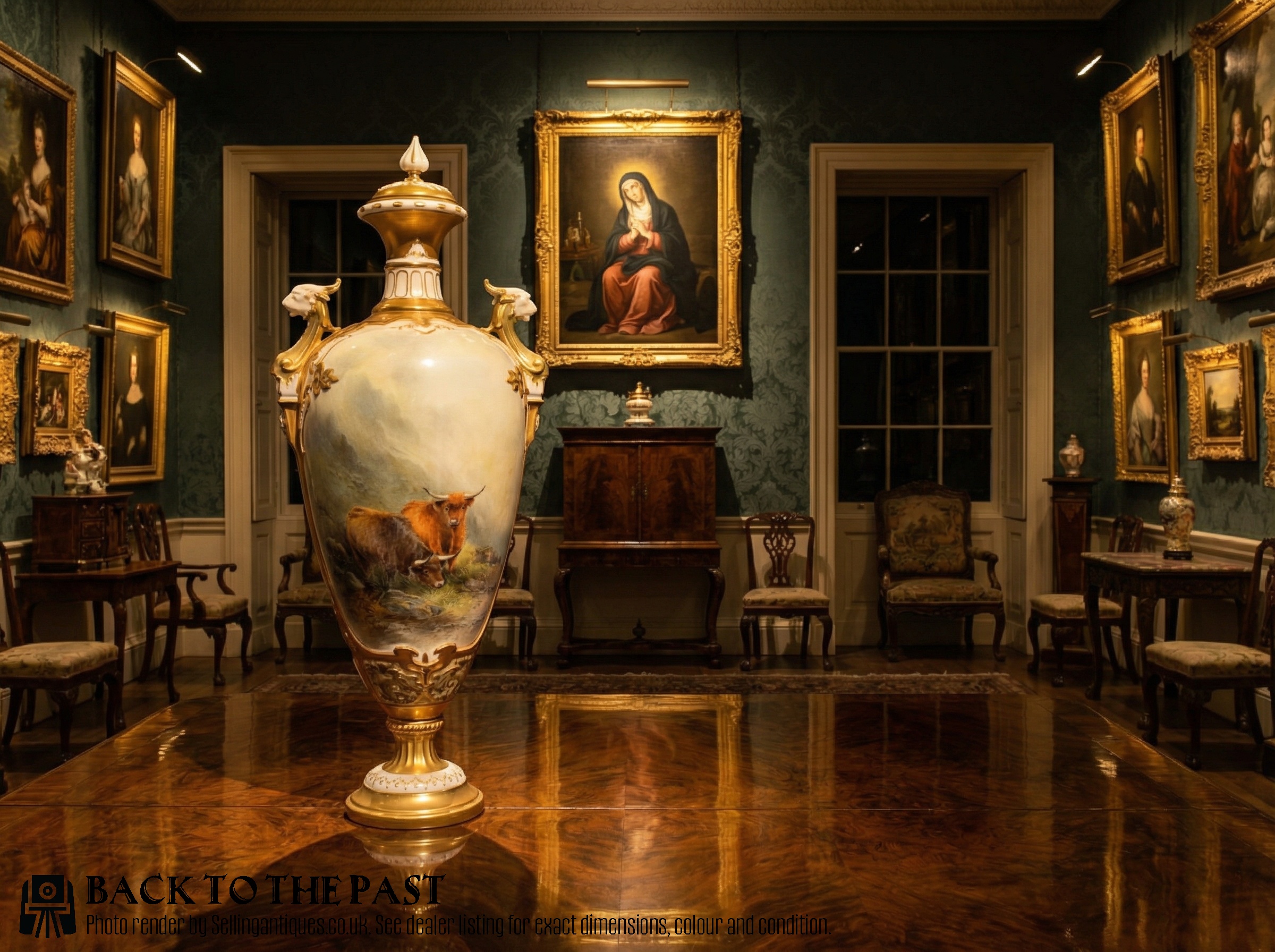
White Porcelain Covered Urn
A white porcelain covered urn represents a distinct branch of ceramic vessel making, incorporating lidded jars and bulbous vases designed for decorative or utilitarian display.
Buyers browsing this selection encounter pieces originating from nineteenth century European factories alongside earlier Chinese export wares and Japanese Arita productions.
The assortment spans diverse historical periods including the Georgian era, Victorian period, and Edwardian times, showing varied influences from Rococo Revival to Chinoiserie styles.
Materials and construction methods
Potters shaped these vessels using traditional ceramic and porcelain bodies, frequently applying tin-glaze, cobalt glaze, or enamel pigments to the surface before firing.
Many items incorporate supplementary elements such as gold leaf, delicate gilding, and cast bronze mounts to highlight handles, rims, and covers.
The selection includes works decorated with cobalt glaze, gold leaf, and hand-painted floral motifs.
Assessing quality in ceramic vessels
Superior examples display precise hand-painted floral or armorial decoration executed with confident brushwork and consistent enamel firing.
The refinement of the porcelain paste, the crispness of moulded details on handles and covers, and the harmonious balance of form separate masterworks from standard production pieces.
Samson Paris·Sitzendorf·Spode·Flight Barr And Barr·Royal Crown Derby·Royal Worcester
The White Porcelain Covered Urn Glossary
- Covered urn
- A decorative vessel featuring a removable lid, designed for display or potpourri usage. These pieces often stand on dedicated pedestals or bases.
- Porcelain
- A hard, fine-grained ceramic material fired at high temperatures until vitrified. It provides a smooth white ground ideal for detailed hand painting.
- Tin-glazed earthenware
- Pottery covered with a tin oxide opacified glaze that turns white and opaque upon firing. This technique forms the basis for traditional Delft and faience production.
- Imari
- A style of Japanese porcelain decorated in underglaze blue, iron red, and gold. European factories frequently copied these distinct colour palettes during the eighteenth and nineteenth centuries.
White Porcelain Covered Urn: Frequently Asked Questions
What is a white porcelain covered urn used for?
These vessels functioned primarily as decorative items on mantelpieces, sideboards, or console tables in formal rooms. Some specific forms, such as potpourri jars, held dried scented petals to freshen household air.
Over time, their role shifted toward pure display, valued for their sculptural silhouette and painted surface decoration.
How do I distinguish eighteenth century pieces from nineteenth century copies?
Examination of the porcelain body, glaze consistency, and pigment application reveals clues regarding age. Eighteenth century examples often display lighter potting and softer glaze characteristics compared to later Victorian reproductions.
Factory marks, where present, help pinpoint the exact period of manufacture through comparison with documented historical registries.
What styles influence these ceramic urns?
The pieces reflect a broad range of aesthetic movements, including Chinoiserie, Rococo Revival, and Regency classical designs. Makers frequently borrowed motifs from Japanese Edo period exports and Chinese Qing Dynasty porcelain.
European factories adapted these eastern traditions to suit Western domestic tastes during the Georgian and Victorian eras.
How should I care for antique porcelain urns?
Display these delicate ceramic pieces away from direct sunlight to prevent fading on enamelled and gilded surfaces. Dust them gently with a soft, dry cloth without applying commercial cleaning liquids.
Lids should be lifted separately from the main body using both hands to avoid chipping the rim edges.