




Vintage Worcester Porcelain Urn
A vintage worcester porcelain urn brings master hand-painted botanical and avian art into a room through enduring English ceramic traditions.
Vintage Worcester Porcelain Urn
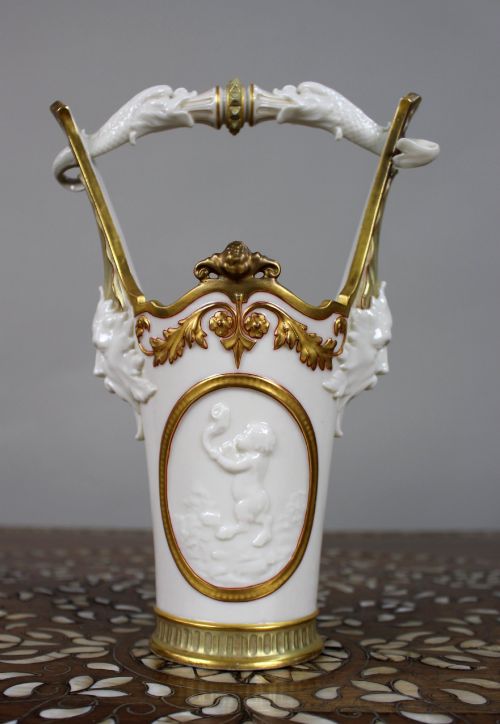
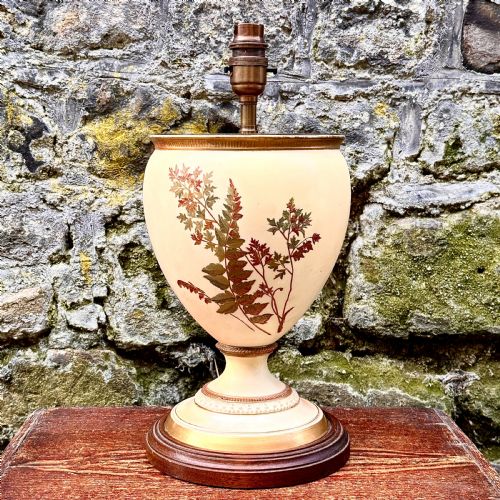
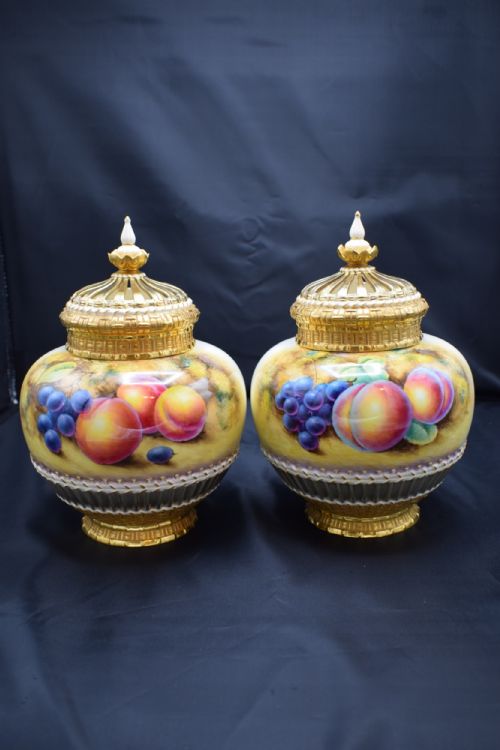
A vintage worcester porcelain urn encompasses sophisticated decorative vessels, pot pourri jars, and table lamps originating from notable nineteenth and twentieth century periods. Buyers encountering these pieces will frequently discover pot pourri vases and covered jars alongside classical ovoid shapes, spill vases, and exhibition pieces.
The objects span Victorian neo-classical revivals, Edwardian creations, and mid-century modern productions, reflecting changing aesthetic demands across decades. Traditional English forms dominate the selection, often featuring classical handles, pierced covers, and elaborate gilt framing designed for prominent display.
Many examples showcase specific artist hands through signed panels of fruit, birds, or delicate floral sprays. These decorative choices define the character of the pieces, separating standard production wares from high-art studio output.
Materials and Techniques
Makers utilised fine bone china and standard porcelain bodies moulded or thrown into complex vessel shapes, including ginger jars and urns with fitted covers. Artisans then applied intricate hand-painted designs directly onto the ceramic surface, capturing detailed fruit, storks, pheasants, and roses.
Gilding, gold leaf, and enamel work enhanced the primary porcelain forms, often highlighting handles, rims, and collar bases with metallic brilliance. Brass and wood elements appear occasionally to support secondary configurations like table lamps or mounted display bases.
Several pieces preserve the exact brush signatures of nineteenth-century bird painters who evidently preferred feathered subjects to human portraits.
Assessing Quality and Execution
The distinction between standard examples and top-tier pieces rests heavily upon the reputation of the artist who painted the subject matter. Signed works by recognised painters command greater interest because their brushwork demonstrates superior control and artistic depth.
Complexity of form and ornamentation also drive quality, where pierced crown tops, double handles, and extensive gilding indicate ambitious manufacture. The preservation of hand-painted enamels and the crispness of the underlying porcelain form complete the evaluation.
Royal Worcester·Walter Powell·Ayrton·Freeman·William Ricketts·James Stinton·Kitty Blake·Richard Seabright
The Vintage Worcester Porcelain Urn Glossary
- Pot pourri vase
- A vessel featuring a pierced cover designed to diffuse dried fragrant plant materials into a room. These pieces often incorporate internal liners and elaborate outer decoration.
- Ovoid
- An egg-shaped ceramic profile frequently utilised for vases and ginger jars to provide a smooth curving canvas for artists. This shape maximises the visual surface area for painted scenes.
- Gilding
- The application of gold leaf or gold paint to ceramic surfaces for decorative emphasis. It accentuates borders, handles, and classical motifs.
- Spill vase
- A tall, narrow cylindrical vessel historically used to hold thin tapers for lighting candles or fires. They display compact painted botanical or avian studies.
Vintage Worcester Porcelain Urn: Frequently Asked Questions
What is a pot pourri vase?
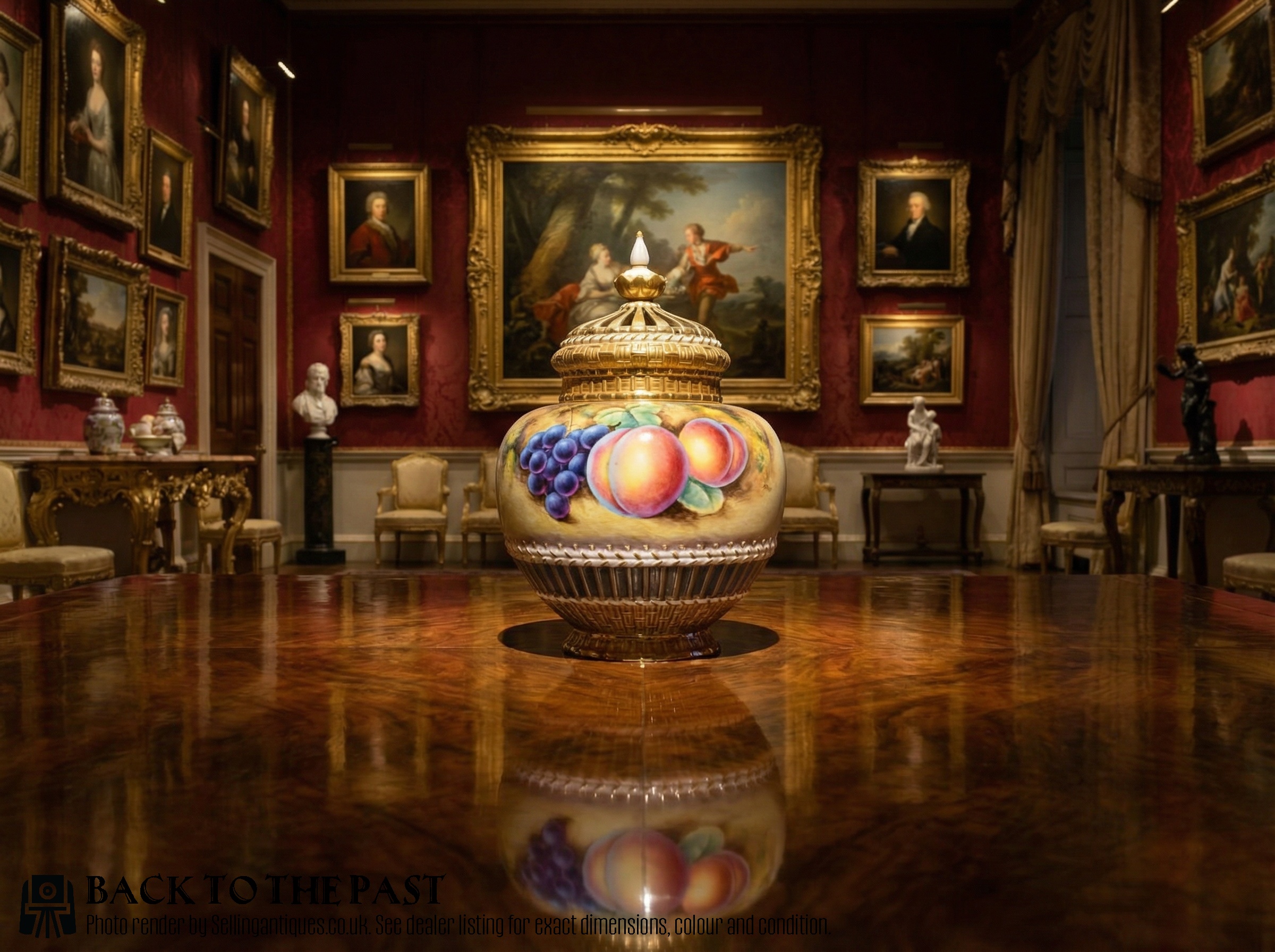
A pot pourri vase is a covered ceramic vessel featuring a pierced or perforated lid designed to release ambient scents from dried botanical mixtures inside.
These pieces combine functional fragrance diffusion with elaborate hand-painted artistic decoration, making them central display items in period interiors.
How do I identify a painted fruit piece?
Painted fruit pieces display detailed, naturalistic arrangements of apples, grapes, and berries, typically set against a soft mossy background with heavy gilding.
Such works often bear the signature of established studio artists who specialised in this lush, vibrant botanical style.
Are these pieces hand painted?
Many examples feature meticulous hand-painted artwork executed by named studio artists working within the factory tradition.
Signatures or initials on the body or near the base often indicate the specific hand responsible for the painted bird, fruit, or floral scene.
How should I display a vintage urn?
These decorative urns and vases suit prominent locations such as mantelpieces, side tables, or dedicated cabinets where their painted details remain visible.
Positioning them away from direct sunlight protects the delicate enamel colours and gold leaf accents from fading over time.