


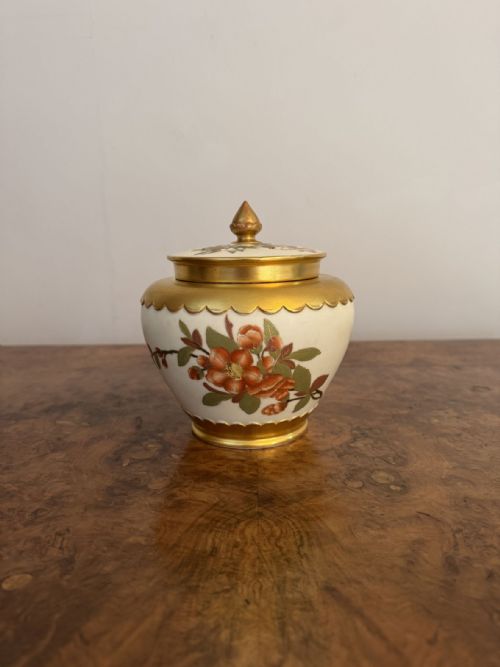


English Porcelain Potpourri
English porcelain potpourri vessels are fragrant decorative containers designed to hold dried flowers and herbs, bringing period charm and historic craftsmanship into a room.
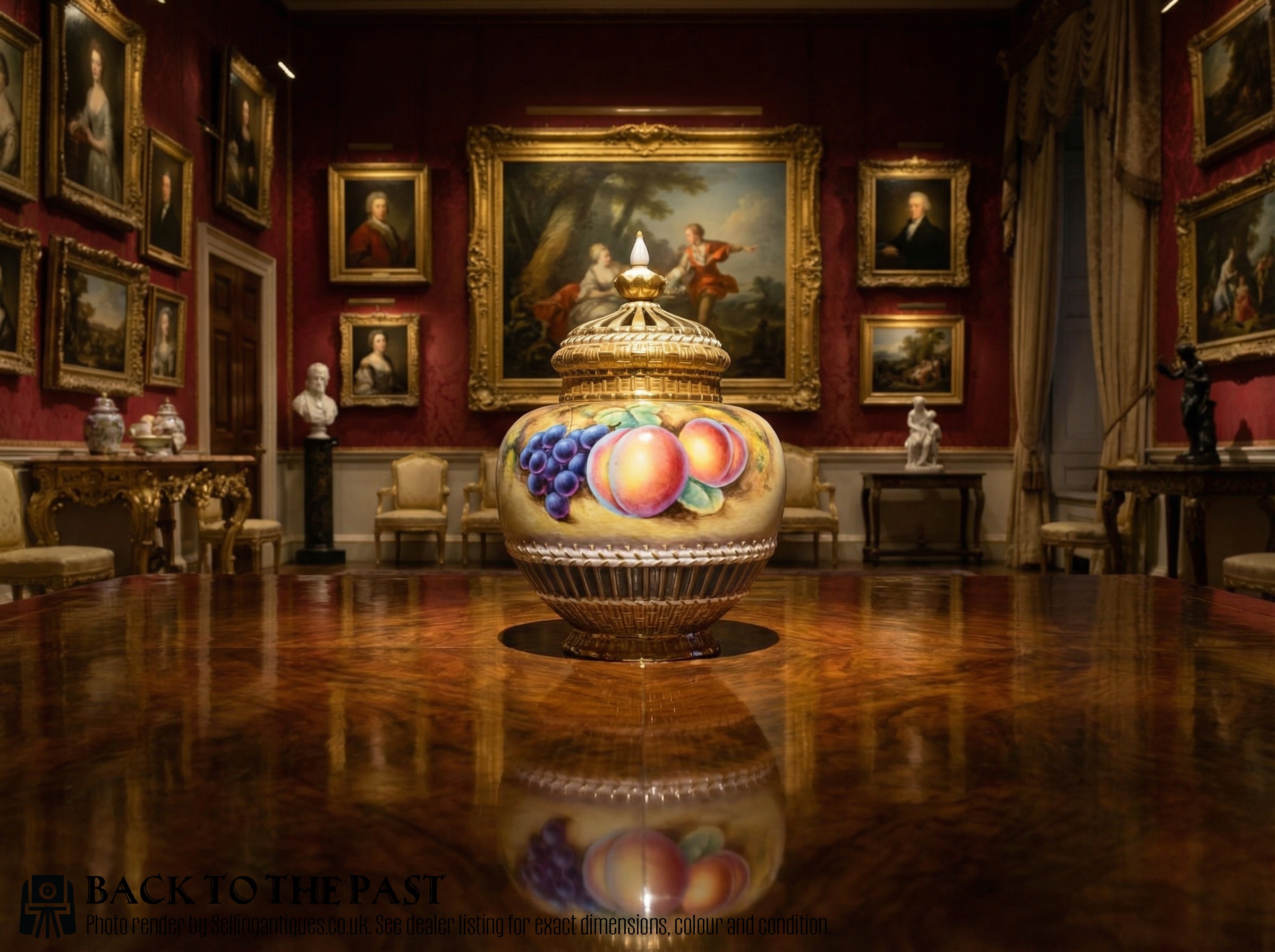
English Porcelain Potpourri
When you search for english porcelain potpourri, you encounter a variety of forms including lidded vases, pommanders, pastille burners, and rose jars. These vessels originate from periods such as the eighteenth century, the Regency era, and the Victorian period, alongside later twentieth century examples.
The objects take many shapes, functioning as decorative vessels, urns, and jars designed with covers to release scent gently into a space. Pieces span traditional English styles, Rococo influences, and vibrant Imari patterns.
The selection ranges from early Derby and Chamberlain Worcester creations to later Royal Worcester and Mason's Ironstone productions. Each iteration demonstrates the enduring utility and decorative appeal of scent-retaining ceramics throughout British history.
How they were made
Potpourri vessels are formed from ceramic and porcelain, frequently utilising ironstone for robust body strength in nineteenth century examples. Artisans shape these materials into intricate lidded jars, vases, and burners.
Craftsmen construct pierced or lidded configurations to allow fragrance to diffuse while concealing the dried botanicals within. Specialised potting techniques accommodate both functional scent dispersion and ornate display.
English Porcelain Potpourri Retail Price Guide 2026
Typical asking prices for english porcelain potpourri among the pieces listed under this phrase on Sellingantiques today, from the lower quarter to the upper quarter. They describe what is for sale here now, not the wider market.
Listings feature periods spanning the eighteenth century, Regency era, nineteenth century, and twentieth century up to nineteen sixty.
What varies in quality
Quality depends upon the fineness of the porcelain body and the precision of the moulding, distinguishing standard ironstone wares from delicate translucent porcelain. Finer examples display crisper relief work and more sophisticated potting.
The execution of the decoration elevates certain pieces, with hand-painted floral or fruit scenes commanding greater visual depth than printed patterns. The careful application of gold leaf and gilding further marks superior production standards.
Completeness and historical integrity dictate value, particularly regarding the survival of matching lids and covers. The distinction between a standard decorative vessel and a named factory creation reflects the skill of the original workshop.
Royal Worcester·Derby·Chamberlain Worcester·Spode·Mason's Ironstone
The English Porcelain Potpourri Glossary
- Potpourri jar
- A lidded ceramic vessel specifically pierced or constructed to hold and release the scent of dried aromatic plant material. These containers serve a dual purpose as decorative mantel ornaments and functional air fresheners.
- Pastille burner
- A small ceramic container designed to slowly burn scented pastilles rather than hold loose dried herbs. They often feature perforated covers to allow fragrant smoke to escape safely into a room.
- Ironstone
- A heavy, durable type of earthenware patented in the nineteenth century to imitate Chinese porcelain. It provides a sturdy alternative for large decorative vases and potpourri containers.
- Transfer printing
- A mechanical method of applying complex decorative designs to pottery by pressing a paper sheet engraved with pigment against the ceramic surface. This technique enabled consistent patterns such as blue transfer scenes on nineteenth-century vessels.
English Porcelain Potpourri: Frequently Asked Questions
How were potpourri jars used historically?
These vessels were placed in principal rooms to mask household odours and provide a pleasant fragrance using dried flowers, spices, and herbs. The pierced or removable lids allowed the enclosed scents to diffuse gradually into the air.
Beyond their practical function, they served as decorative centerpieces on mantelpieces and tables.
How do I care for antique porcelain?
Care for antique porcelain involves dusting gently with a soft, dry cloth and avoiding harsh chemical cleaning agents. Hand-painted surfaces and delicate gold leaf or gilding require careful handling to prevent wear.
Keep these vessels away from direct sunlight and areas prone to extreme temperature fluctuations to protect the ceramic body.
How can I tell different periods apart?
Distinguishing periods relies on observing material types, decorative styles, and factory marks found on the base of the vessel. Eighteenth century and Regency pieces often exhibit hand-painted motifs and softer porcelain bodies, whereas nineteenth century ironstone offers heavier, sturdier construction.
Stylistic shifts from Rococo curves to Victorian ornamentation further help date individual items.