


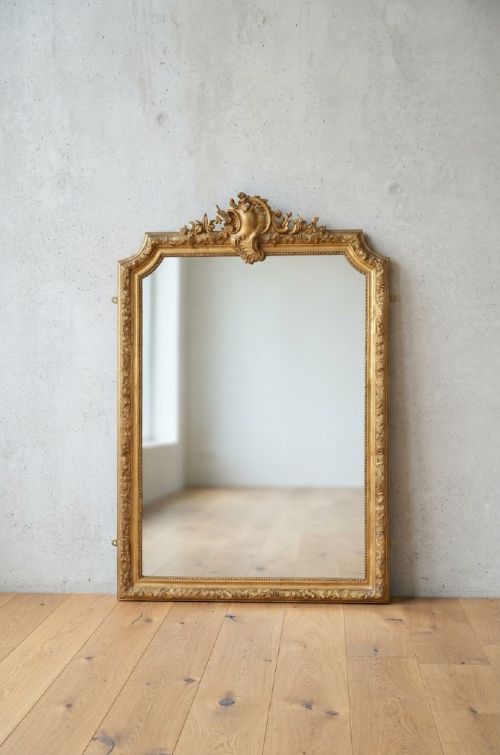
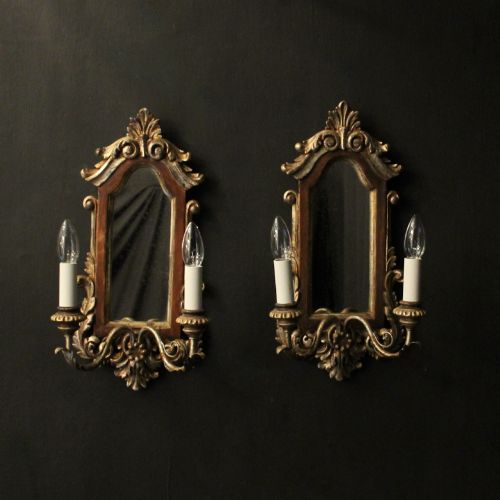
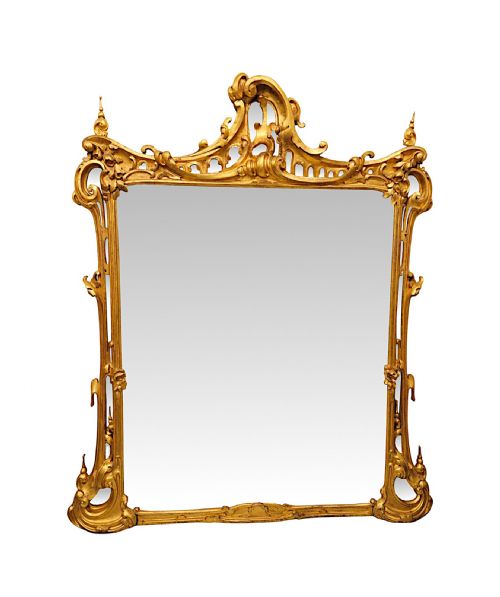
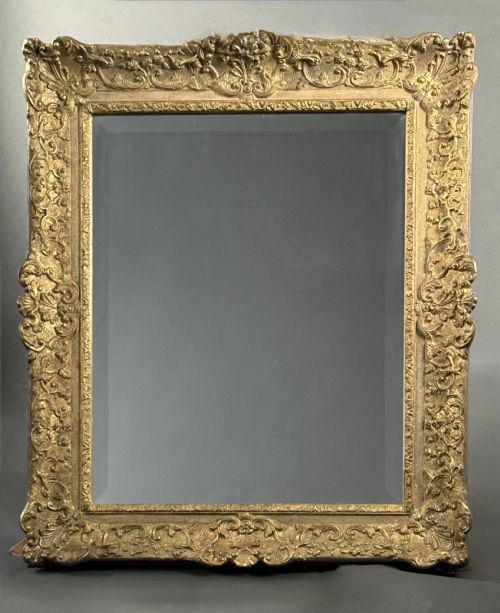
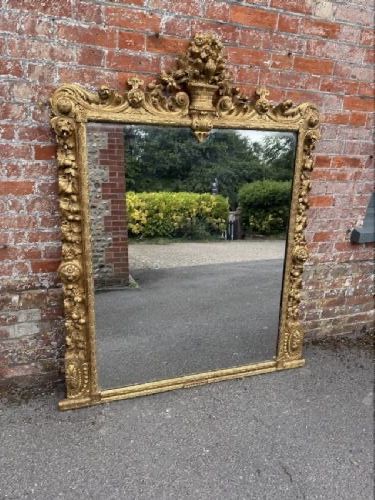
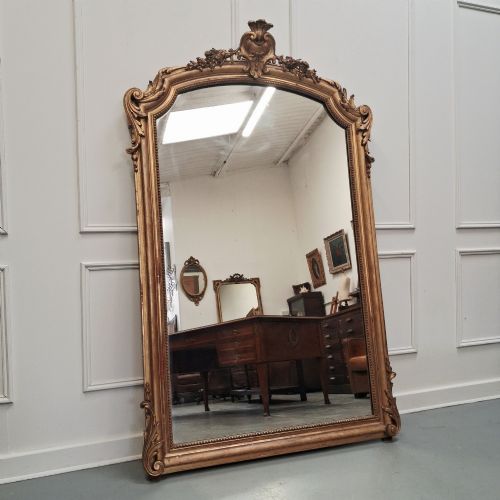
Gold Rococo Wall Mirror
A gold rococo wall mirror brings animated curves and radiant gilding into a room, drawing the eye instantly.
Gold Rococo Wall Mirror
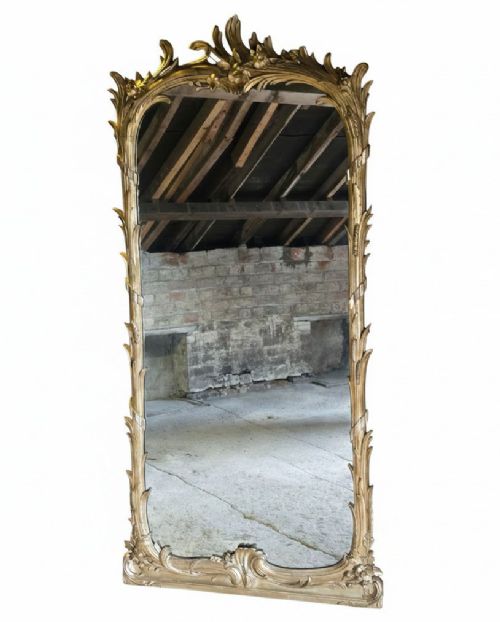
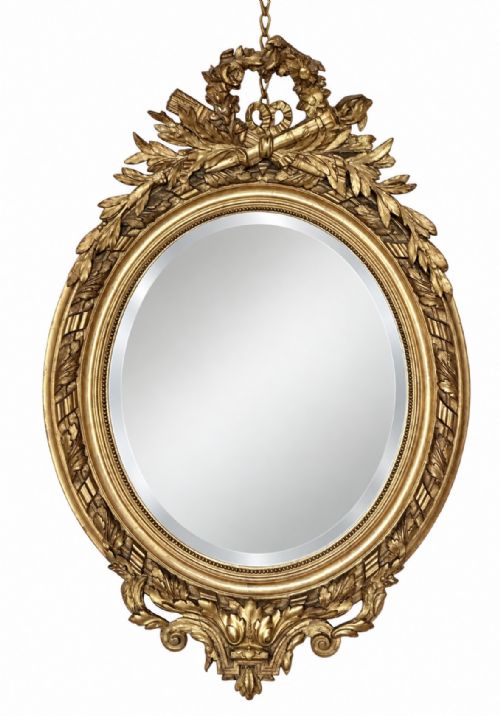
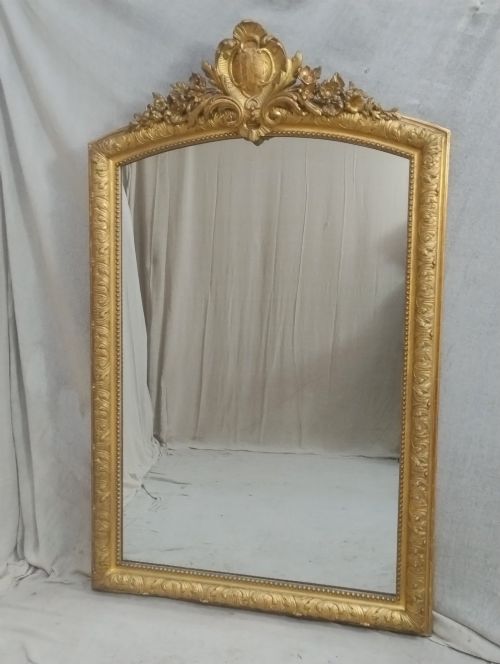
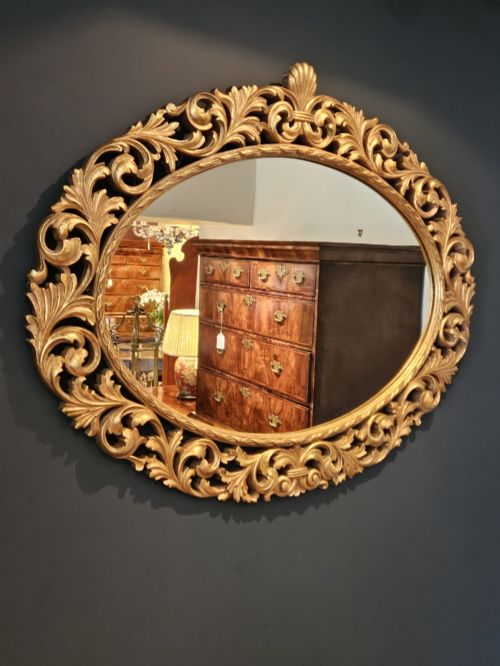
When you search for a gold rococo wall mirror, you encounter ornate frames shaped by asymmetric scrolls, C-scrolls, and naturalistic foliage motifs. These objects function simultaneously as practical looking-glasses and as sculptural statements on the walls of a room.
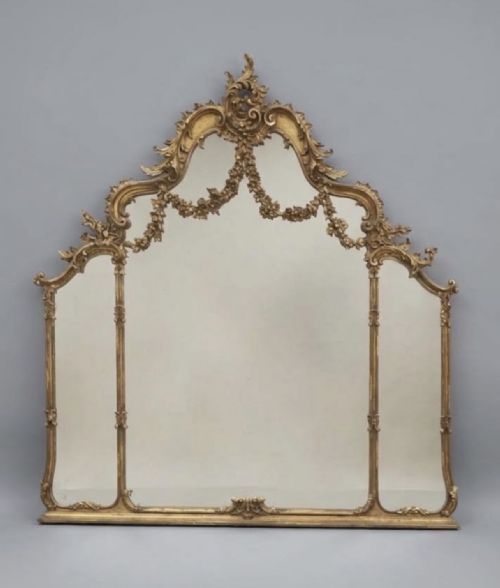
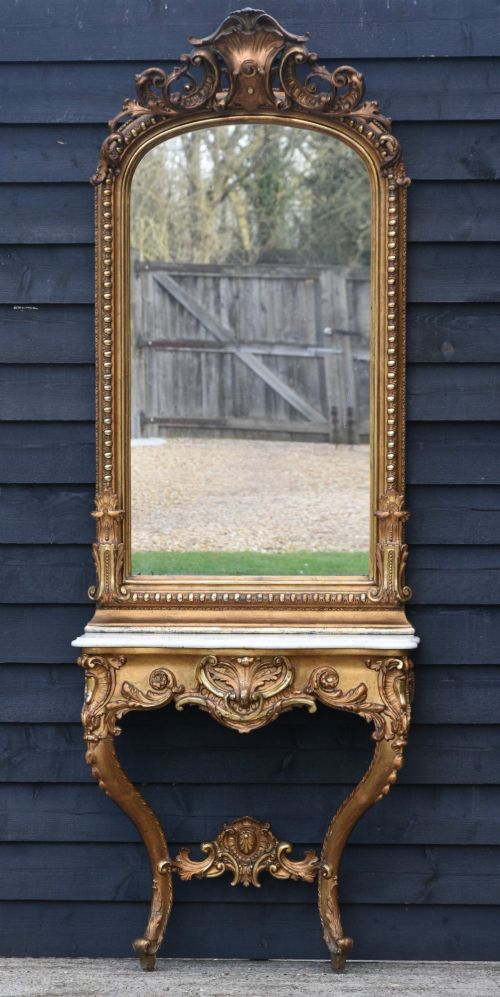
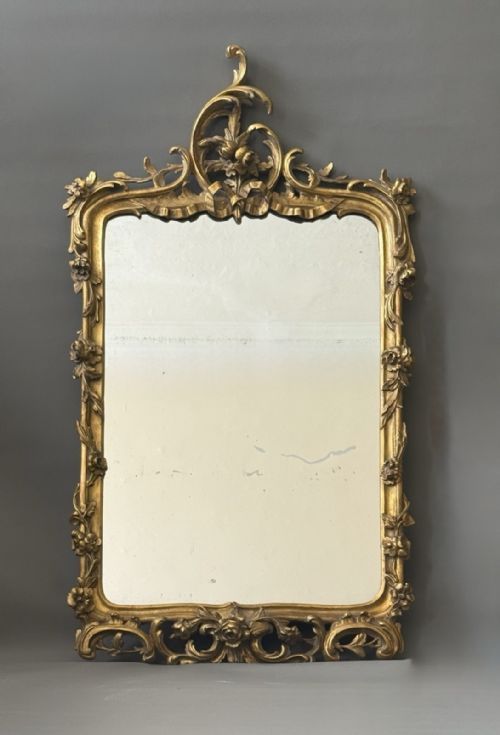
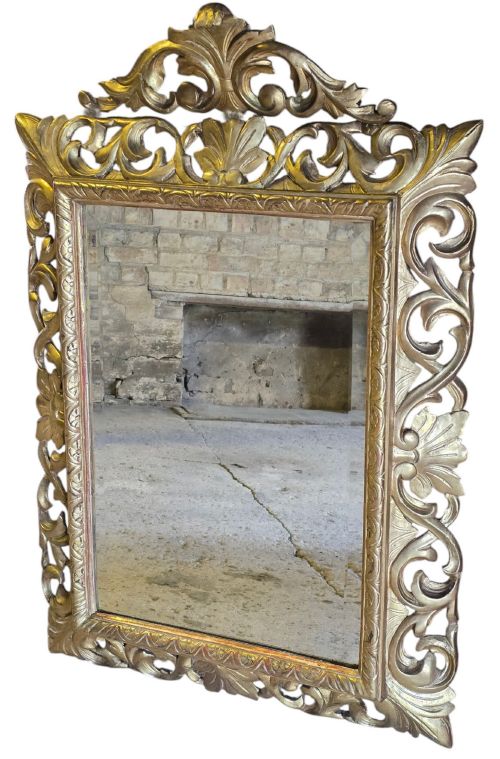
The versions most commonly met on this page span the nineteenth century, including French and Italian interpretations of the style alongside Victorian and Edwardian examples. They appear in various formats such as tall overmantel mirrors, pier mirrors, and smaller decorative wall pieces.
Many items embody French Rococo Revival or Louis XV styles, characterised by elaborate crestings and carved wooden frames covered in gold leaf. Others display regional variations like Florentine carvings or the distinct lines of Chinese Chippendale and walnut parcel-gilt constructions.
How they were made
The foundations of these pieces typically consist of carved wood, timber, or composition material, upon which layers of gesso are applied to create smooth surfaces for detailing. Artisans then carve intricate motifs into the frame before applying gold leaf, silver-gilt, or paint.
Mirrors from earlier periods often utilise antique mirror plates, mercury glass, or foxed glass that displays natural ageing and oxidation. Frames may incorporate carved wooden elements combined with gesso relief work to achieve deep, three-dimensional curves.
The listings span multiple centuries, incorporating eighteenth-century walnut pieces alongside nineteenth-century giltwood and gesso creations.
What varies in quality
The depth and crispness of the carving distinguish finer frames from simpler production, particularly in the hand-chiselled details of the foliage and scrolls. Superior examples display seamless joins in the timber and intricate relief work in the gesso rather than heavy, uniform casting.
The condition and character of the glass plate also influence the overall standard, with older mercury plates and bevelled edges offering distinct visual depth. Furthermore, the integrity of the original gilding and the weight of the underlying wood construction indicate the level of craftsmanship involved.
The Gold Rococo Wall Mirror Glossary
- Giltwood
- Wood that has been covered with a thin layer of gold leaf. This material forms the primary structure of many ornate antique frames.
- Gesso
- A plaster-like mixture applied to wood frames to create a smooth base for carving and gilding. It allows artisans to shape intricate relief ornamentation.
- Mercury glass
- A type of double-walled glass blown in the nineteenth century with a silvering mixture inserted between the layers. It often develops foxing and dark spots over time.
- Overmantel mirror
- A large mirror designed to hang specifically above a fireplace mantel. These pieces frequently feature wide horizontal proportions or tall arched tops.
- Pier mirror
- A tall, narrow mirror designed to hang on the wall space between two windows. They are often paired with matching console tables.
Gold Rococo Wall Mirror: Frequently Asked Questions
Where should I hang a large overmantel mirror?
These large mirrors traditionally sit directly above a fireplace mantel to reflect light and anchor the room's proportions. They also work effectively on expansive living room walls to create an illusion of greater depth.
Ensure the wall structure securely supports the considerable weight of carved wood and gesso frames. Professional installation using heavy-duty fixings is essential for safety.
How do I identify a nineteenth century frame?
Nineteenth-century pieces often display specific revival styles such as French Rococo, Louis XV, or Victorian ornamentation. Examining the construction behind the frame reveals period-appropriate joinery and materials.
The presence of gesso over carved timber, combined with authentic ageing on the mirror plate, helps confirm the date of production.
What is foxed mercury glass?
Foxing refers to the natural oxidation and degradation of the silvered backing behind antique mirror glass. This process creates charming mottled spots and dark patches across the reflective surface.
Collectors prize genuine mercury glass for the soft, atmospheric reflection it provides compared to modern manufactured glass.
How do I clean an antique gilded frame?
Dust the intricate carvings gently with a soft, dry brush to prevent accumulating dirt in the recessed areas. Avoid using liquid cleaners, water, or chemical sprays on the fragile gold leaf or gesso surface.
Protect the mirror plate using standard glass cleaner applied to a cloth rather than sprayed directly onto the glass near the frame.