
Carved Giltwood Framed Mirror
A carved giltwood framed mirror brings warmth and reflective depth to a room through centuries-old craftsmanship.
Carved Giltwood Framed Mirror
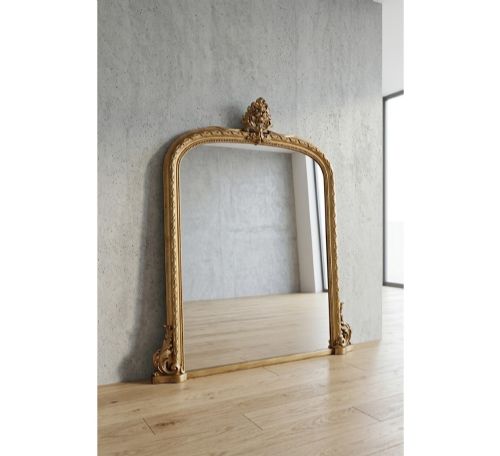
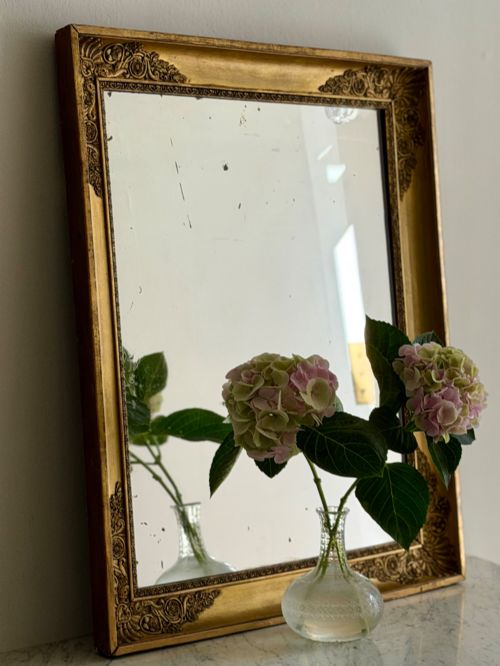
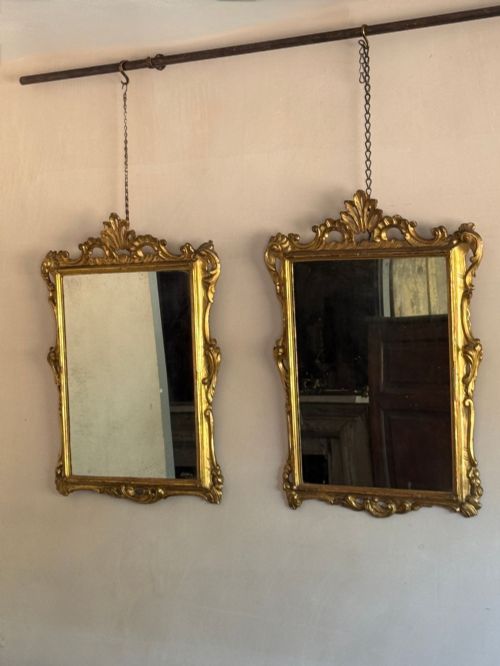
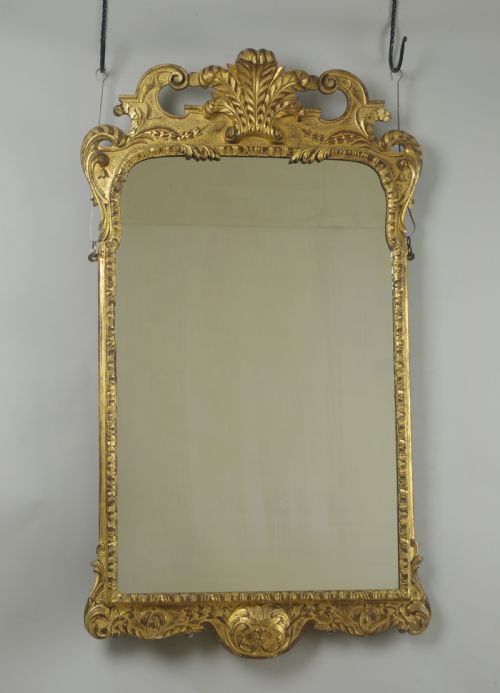
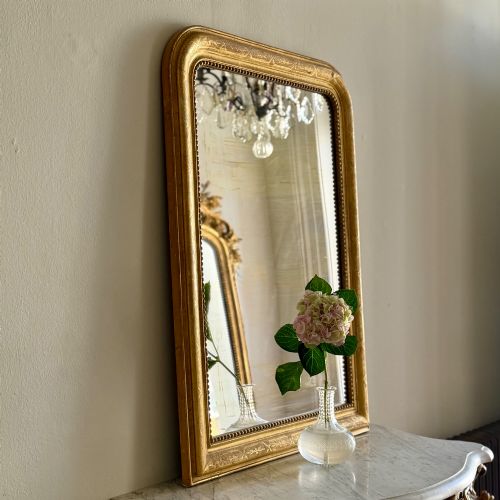
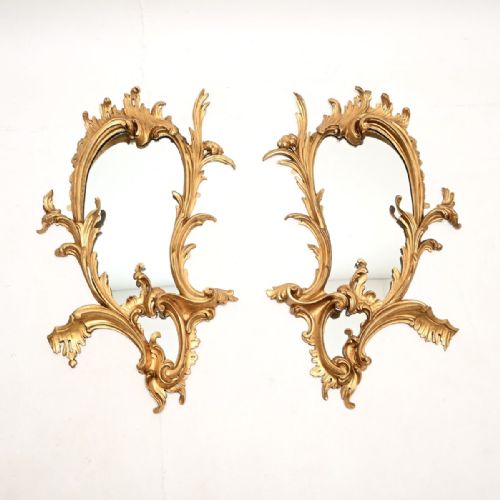
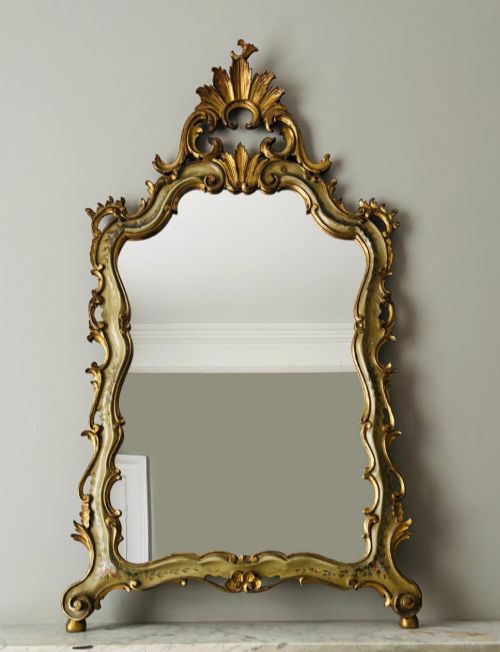
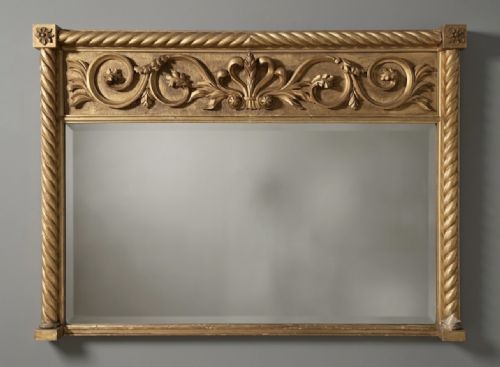
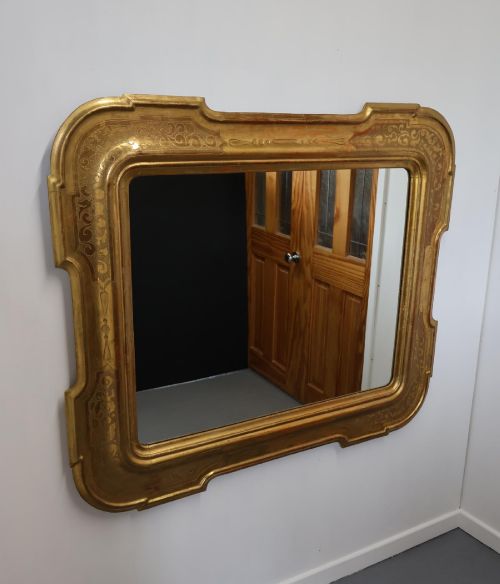
A carved giltwood framed mirror combines timber framing with reflective glass, appearing primarily in wall-hanging and overmantel formats across this selection. These pieces originate across the eighteenth, nineteenth, and early twentieth centuries, spanning English, French, and Italian workshops.
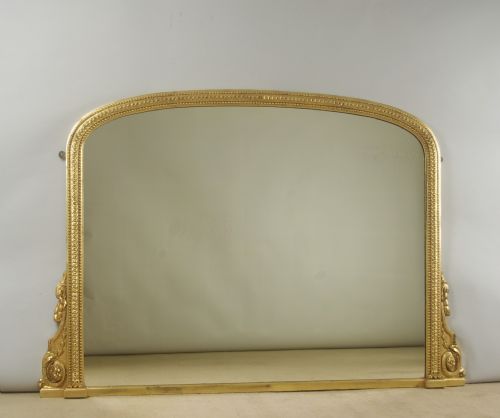
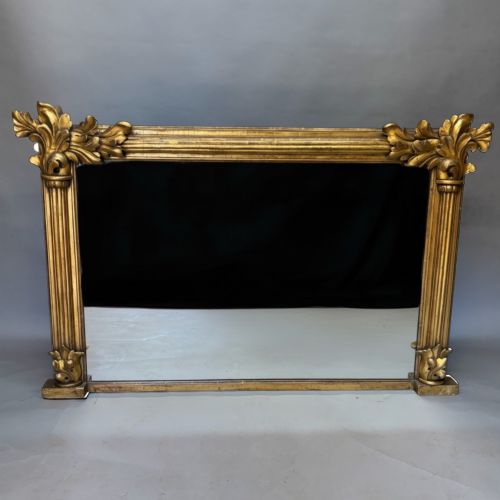
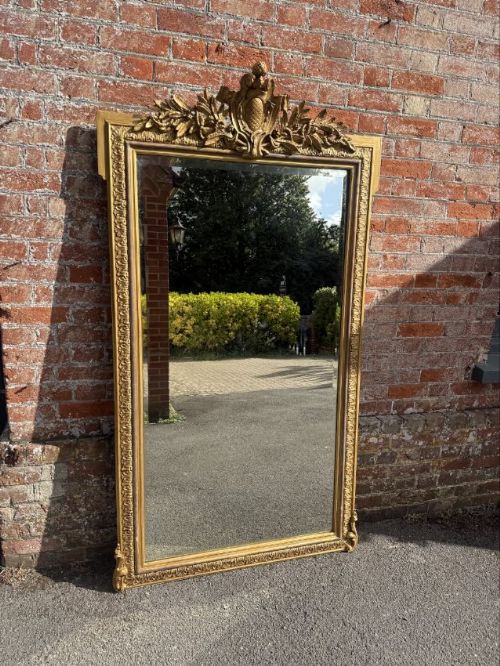
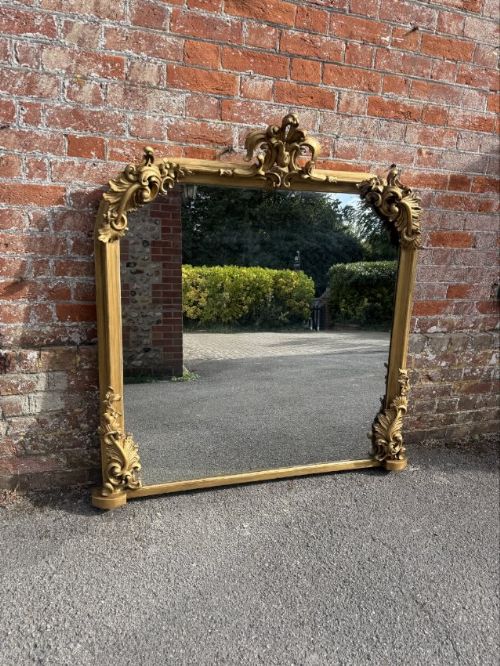
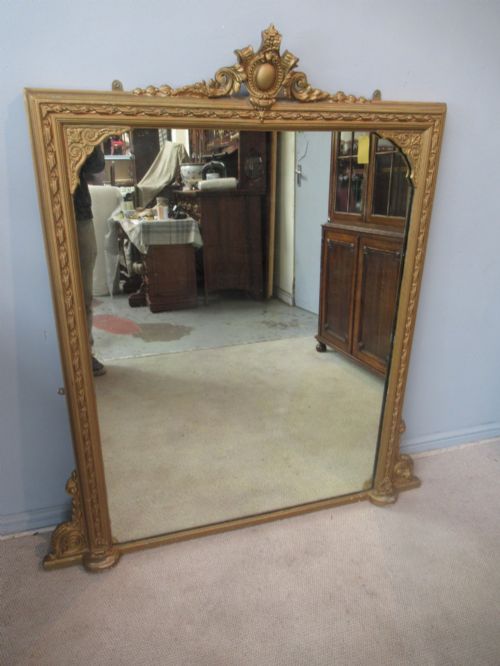
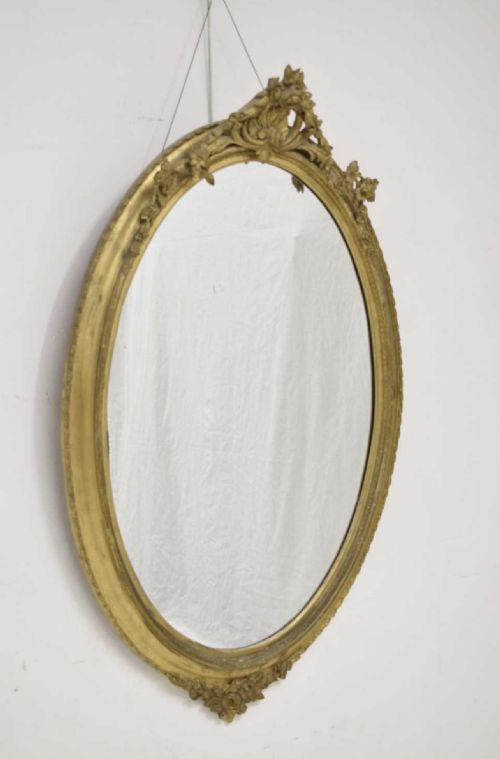
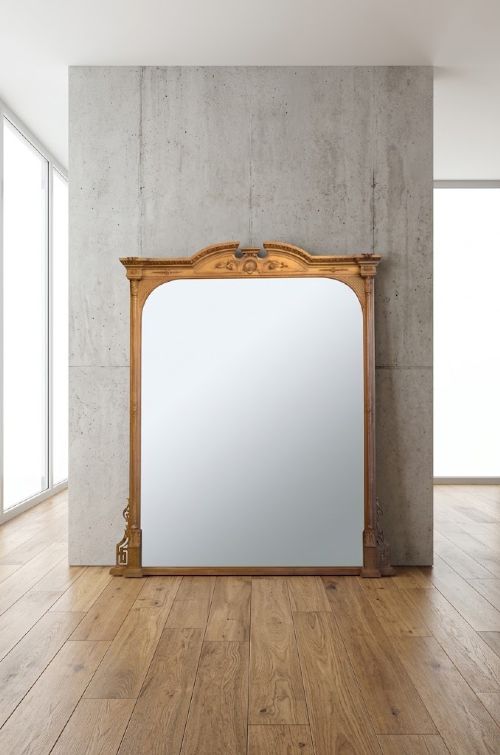
The nineteenth century provides the largest share of examples on this page, taking forms such as large overmantels, arched top plates, and oval wall mirrors. Buyers encounter styles ranging from French Rococo Revival and Regency to Victorian and Florentine designs.
Makers produced these mirrors to anchor principal rooms, often hung above mantelpieces or between windows as pier glasses. Surviving examples demonstrate how period interior design utilised gilded timber to maximise ambient daylight.
How they were made
Craftsmen carved wooden frames from timber substrates before applying layers of gesso to build up intricate relief ornament such as rope twists, floral motifs, and scrollwork. Giltwood surfaces received thin applications of gold leaf laid over bole, while other pieces utilised composition ornaments moulded and pressed onto the wood base.
Glaziers set mirror glass into the prepared rabbets, utilising mercury silvering on eighteenth-century examples or later plate glass methods. Frames finished with water gilding or oil gilding achieved durable metallic sheens that caught candle and daylight.
Listings feature eighteenth-century pieces with walnut and parcel gilt finishes alongside nineteenth-century giltwood and gesso overmantels.
What varies in quality
Depth and crispness of hand-carved detail distinguish finer frames from those reliant on heavy composition moulding. The integrity of the original gold leaf surface and the preservation of the gesso ground beneath determine the visual richness of the gilding.
The condition and age of the mirror plate itself set apart superior examples, whether showing original foxed mercury glass or later bevelled plate glass. Structural joinery in the underlying timber frame dictates how well the piece bears the considerable weight of the glass over centuries.
The Carved Giltwood Framed Mirror Glossary
- Giltwood
- Wood coated with gold leaf or gold paint. This finish creates a bright metallic surface that reflects interior light.
- Gesso
- A plaster mixture applied to wood frames to create a smooth surface for carving and gilding. It allows craftsmen to model sharp relief details.
- Overmantel mirror
- A large mirror designed to hang above a fireplace mantel. These pieces often feature wide proportions to match the width of the hearth below.
- Girandole
- A decorative wall mirror featuring attached candle sconces. The candle arms multiply the light reflected by the glass plate.
- Pier glass
- A tall mirror designed to hang on the wall space between windows. They filled dark architectural gaps to bounce daylight back into the room.
Carved Giltwood Framed Mirror: Frequently Asked Questions
How do I hang a heavy overmantel mirror safely?
Heavy frames require load-bearing fixings secured directly into wall studs or masonry anchors rather than plaster alone. Professional installers use substantial steel brackets matched to the weight of the timber and glass.
Ensuring the hanging wire or D-rings are bolted securely into the wooden frame structure prevents the glass from shifting or separating from the wall over time.
What is the difference between gesso and composition ornament?
Gesso is a liquid plaster brushed onto carved wood and built up in layers before being hand-carved with fine details. Composition, often called compa, is a pliable paste of whiting, resin, and glue pressed into moulds and applied to the frame.
Hand-carved gesso shows crisper undercuts and tool marks, whereas composition ornament appears uniform and can become brittle with age.
How should I clean antique giltwood frames?
Dusting requires only a soft, dry ostrich feather brush or a clean microfibre cloth used very gently. Moisture and modern cleaning chemicals strip fragile gold leaf and dissolve old gesso grounds.
Avoid touching the gilded surface directly with bare hands, as natural skin oils can tarnish and degrade historical metal leaf finishes over time.
What causes foxing on old mirror glass?
Foxing appears as small dark spots or cloudy patches where moisture has penetrated behind the glass plate to oxidise the reflective backing. This chemical reaction occurs gradually over decades as air and humidity reach the silver or mercury layer.
Many collectors value foxing as proof of age and authenticity rather than treating it as damage that requires restoration.