



Gold Porcelain Tray
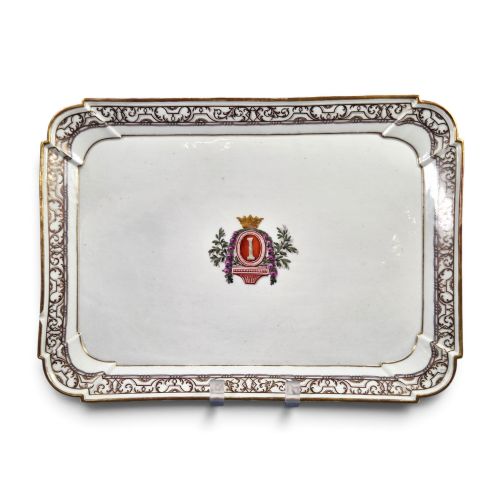
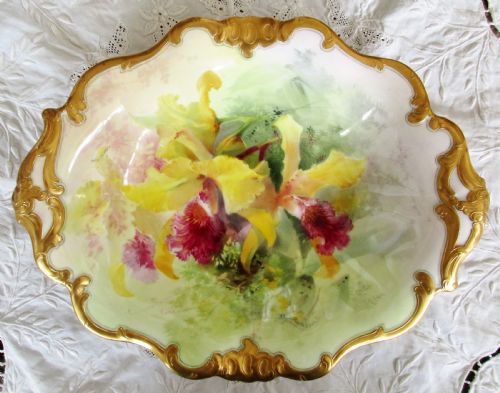
When you search for a gold porcelain tray, you are looking at serving dishes, cabinet pieces, and decorative platters finished with gilding.
Gold Porcelain Tray
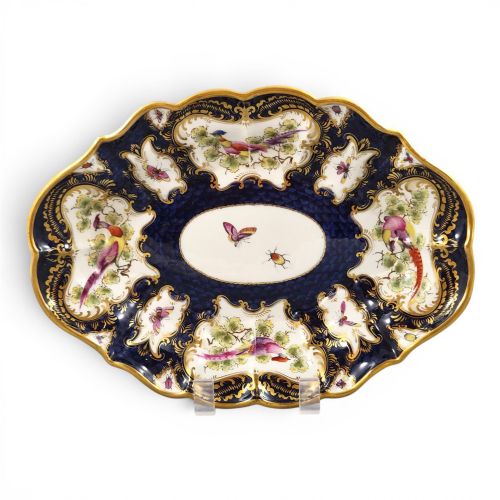
A gold porcelain tray encompasses a variety of serving dishes, cabinet dishes, dessert dishes, and centrepieces designed for display or dining. The pieces span centuries of production, appearing in forms such as oval dessert dishes, leaf dishes, inkstands, and vide poche vide poche figurines.
The material composition ranges from standard porcelain and bone china to soft-paste porcelain. Makers utilise these ceramics to create functional tableware and ornamental platters with distinct stylistic flourishes.
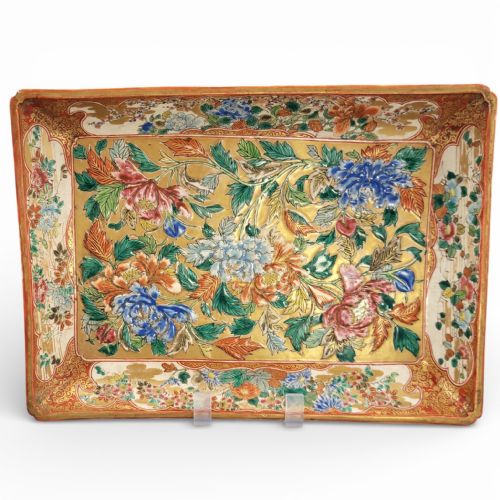
Originating from diverse European and Asian traditions, pieces matching a gold porcelain tray include English factories, French manufactories, German houses, and Japanese workshops. Collectors frequently encounter 18th-century, 19th-century, Regency, and Edwardian examples.
Materials and Technique
Potters shape porcelain and bone china bodies before applying painted enamel decoration, hand-painted fruit scenes, or intricate patterns. These ceramic foundations provide a stable base for subsequent metallic embellishment.
Craftsmen integrate gold leaf, gilt, and gilding to highlight moulded relief work, borders, and central motifs. Certain European pieces combine the ceramic body with gilt bronze mounts and champlevé enamel for added structural weight.
Firing techniques vary from early soft-paste compositions to robust hard-paste porcelain. Artisans apply iron red, black, and gold pigments alongside intricate ground colours like blue scale to achieve the finished appearance.
Periods represented span from the 17th century through the Georgian, Regency, Victorian, and Edwardian eras.
Evaluating Quality
The refinement of the painted decoration dictates much of the visual success of a piece. Skilled artists execute detailed botanical studies, figural mythological scenes, or precise Japanese motifs with controlled brushwork.
The application and preservation of the gold leaf or gilding show the standard of the workshop. Thick, burnished gold accents that survive with minimal rubbing indicate superior initial craftsmanship.
The crispness of the ceramic moulding and the complexity of the form determine the ambition of the object. Fluted surfaces, twin handles, and applied bronze mounts demonstrate elevated manufacturing effort.
Ludwigsburg Porcelain·Royal Worcester·Royal Doulton·Chamberlain Worcester·Derby Porcelain·Barr Flight And Barr·Royal Dux·Wedgwood·Coalport·Davenport
The Gold Porcelain Tray Glossary
- Bone china
- A type of soft-paste porcelain containing bone ash for added strength and translucency. It permits thinner walls while retaining durability.
- Cabinet dish
- An ornamental plate or tray intended for display in a cabinet rather than functional dining use. These pieces often feature elaborate painted subjects.
- Gilding
- The application of gold leaf or gold dust to the surface of porcelain. It provides metallic contrast to the painted ceramic glaze.
- Soft-paste porcelain
- An artificial porcelain compound fired at lower temperatures than hard-paste. It possesses a warm glaze surface popular in early English factories.
- Vide poche
- A small tray or dish used for emptying pockets of coins and small items. They frequently take sculptural or figural forms.
Gold Porcelain Tray: Frequently Asked Questions
How were antique porcelain trays used?
These pieces served multiple functions in domestic settings, ranging from dessert service at the dining table to holding inkstands on writing desks. Smaller vessels functioned as vide poche receptacles or specialised dishes for fruit and sweetmeats.
Cabinet dishes and centrepieces were primarily decorative, displayed on furniture surfaces to showcase wealth and taste. Their versatility meant they moved easily between dining rooms and drawing rooms.
How do I care for a gilt porcelain tray?
Gilt porcelain requires gentle handling to preserve the delicate enamel and gold leaf surface. Cleaning should be done strictly by hand using lukewarm water and mild soap, avoiding abrasive sponges or harsh chemicals that can strip the gilding.
Display the pieces away from direct sunlight and areas prone to heavy temperature fluctuations. Secure them properly on stable flat surfaces if used for holding small decorative objects.
How do I distinguish 18th-century pieces from later copies?
Early pieces often utilise soft-paste porcelain bodies which display subtle imperfections, minor glaze pooling, and characteristic translucency under strong light. Hand-painted motifs on 18th-century items show individual brush variations rather than printed outlines.
Factory marks, paste composition, and the specific style of gilding help establish the correct era. Comparing weight, glaze texture, and footrim finish provides further clues regarding age.
What does blue scale decoration mean?
Blue scale refers to a patterned underglaze blue ground resembling fish scales, famously utilised by 18th-century factories. The pattern is meticulously applied by hand around reserved panels containing painted flowers or birds.
This technique required high skill to maintain consistent coverage across curved porcelain surfaces. Its presence typically indicates an ambitious production standard.