


Gold Porcelain Plate
When you search for a gold porcelain plate, you find decorative plates, cabinet plates, and dessert service pieces enriched with gilding.
Gold Porcelain Plate
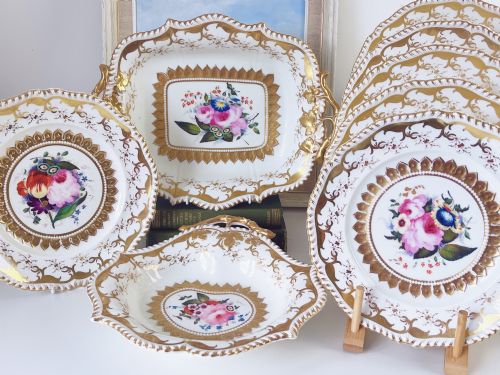
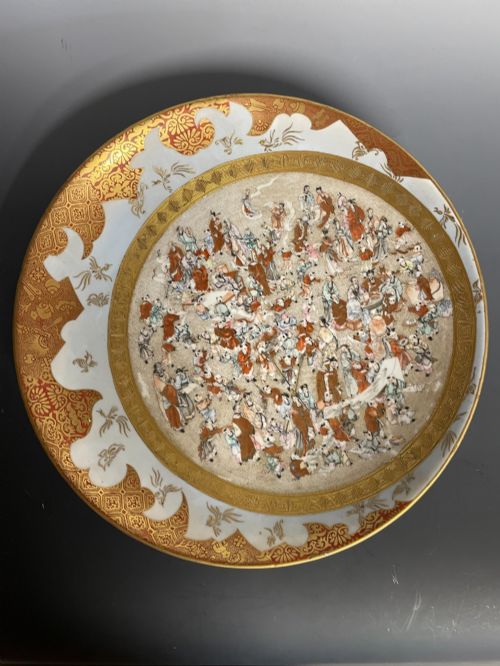
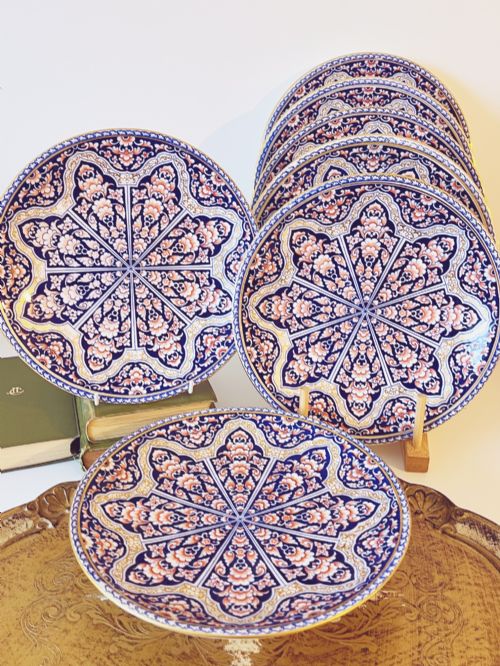
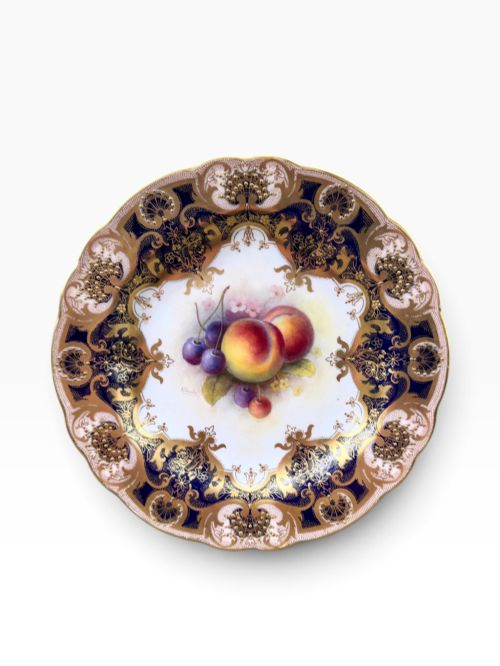
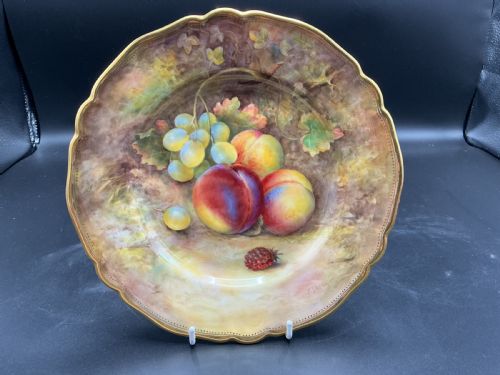
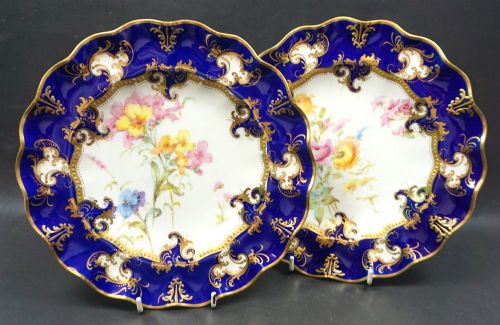
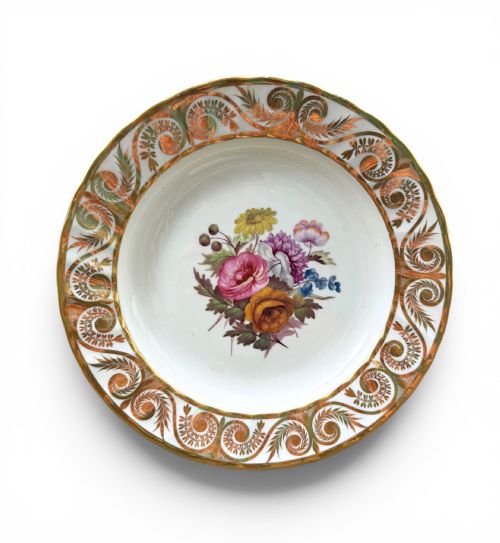
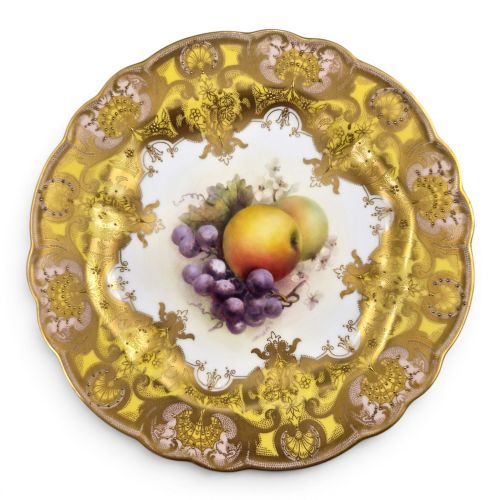
A gold porcelain plate typically manifests as a cabinet plate or dessert service piece intended for display rather than routine dining. These items emerge from the nineteenth and early twentieth centuries, spanning Georgian, Victorian, Edwardian, and Art Deco periods, with contributions from British, French, German, and Japanese makers.
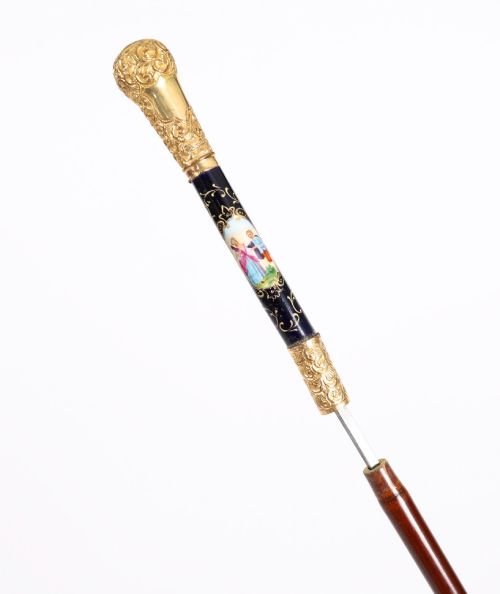
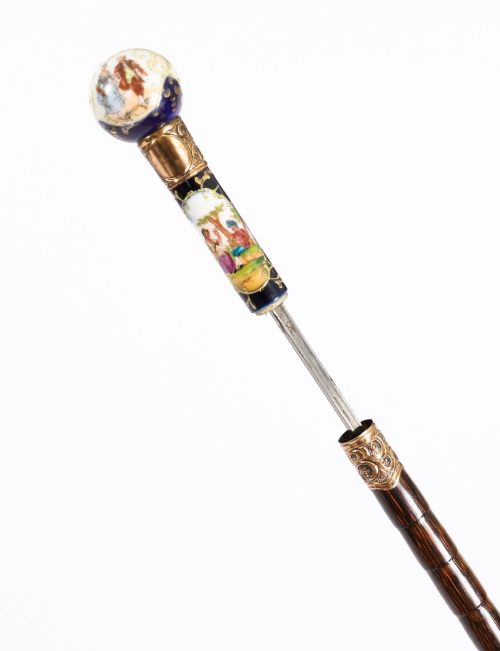
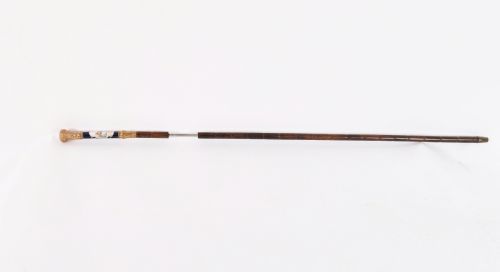
The primary forms you encounter include individual cabinet plates, matching dessert sets, and decorative dishes painted with botanical subjects, fruit, or pastoral scenes. Some hybrid items also appear in the record, such as walking sticks incorporating porcelain and gold plate.
How they were made
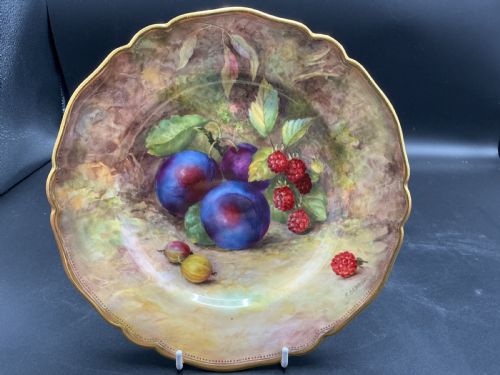
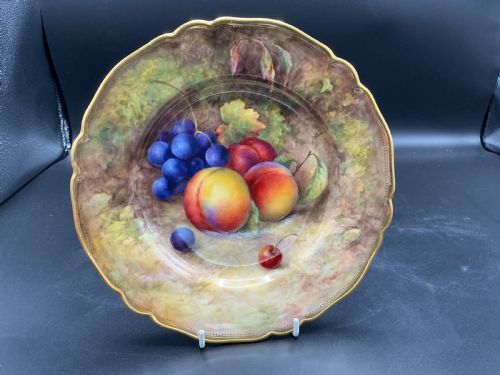
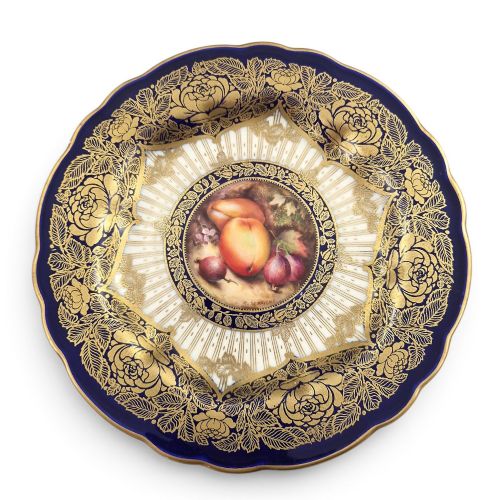
Makers shaped the items using porcelain, bone china, and earthenware, often applying hand-painted motifs depicting flowers, fruit, and birds directly onto the ceramic body. Artisans then introduced gold leaf, gilding, and gilt highlights around the rims and borders to frame the central imagery.
Techniques relied on skilled hand-painting by named artists, followed by firing processes that bonded enamel colours and metallic gilding to the porcelain surface.
The selection includes antique French porcelain plates ingeniously disguised as walking sword sticks.
What varies in quality
Quality depends upon the skill of the hand-painting and the reputation of the artist or pottery involved in the creation of the piece. Finer examples feature intricate, detailed brushwork by known ceramic artists alongside heavy, burnished gold application rather than simple printed transfers.
The integrity of the porcelain body and the preservation of the delicate gilt work and enamel colours across the surface also dictate the standing of an individual item within the category.
Grainger Lee And Co·Royal Crown Derby·Royal Worcester·Royal Doulton·Meissen·John Ridgway·Barr Flight And Barr·Coalport·Minton
The Gold Porcelain Plate Glossary
- Cabinet plate
- A decorative ceramic plate designed for display in a cabinet or on a wall rather than for practical table use. These often feature elaborate hand-painted scenes and rich gilding.
- Gilding
- The application of gold leaf or gold dust to the surface of the porcelain. This technique highlights rims, handles, and borders.
- Dessert service
- A matched set of plates, comports, and serving dishes intended for the final course of a formal meal. They frequently exhibit uniform painted themes.
- Comport
- A raised serving dish or pedestal bowl used within a dessert service to display fruit or sweetmeats. It matches the accompanying plates in design and gilding.
- Enamel
- Opaque glass-like material fused to the porcelain surface during firing to create bright, durable colours in the painted design.
Gold Porcelain Plate: Frequently Asked Questions
What is a gold porcelain plate used for?
These items served primarily as ornamental cabinet plates or formed part of formal dessert services for wealthy households during the nineteenth and early twentieth centuries. Owners displayed them in glazed cabinets or utilised them for serving fruit and sweetmeats during formal dining.
Today, collectors acquire them for decorative display, appreciating the hand-painted artistry and the historic craftsmanship preserved on the porcelain surface.
How do I identify the period of a plate?
Dating relies on maker marks, factory ciphers stamped or painted on the reverse, and stylistic clues such as floral borders or aesthetic movement motifs. Examining the paste, glaze, and the specific style of gilding also helps narrow down the era.
Records show pieces spanning from the Georgian and Regency periods through the Victorian and Edwardian eras up to the mid-twentieth century.
Who painted these porcelain plates?
Many fine plates feature work by recorded artists employed by major potteries, including Royal Worcester painters like Richard Sebright and Albert Shuck. Other pieces bear the hand of artists such as David Dewsberry at Royal Doulton or Thomas Steele at Derby.
Signatures or initials often appear discretely on the face of the plate near the painted subject.