
Gold Pocket Timepiece
A gold pocket timepiece brings mechanical precision and period elegance together, offering the tactile pleasure of carrying portable horology from past centuries.
Gold Pocket Timepiece
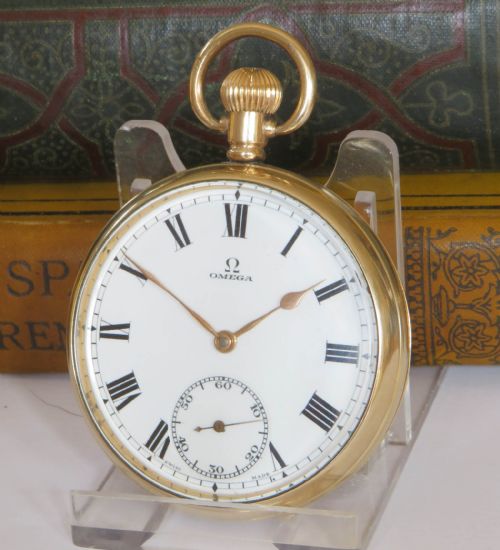
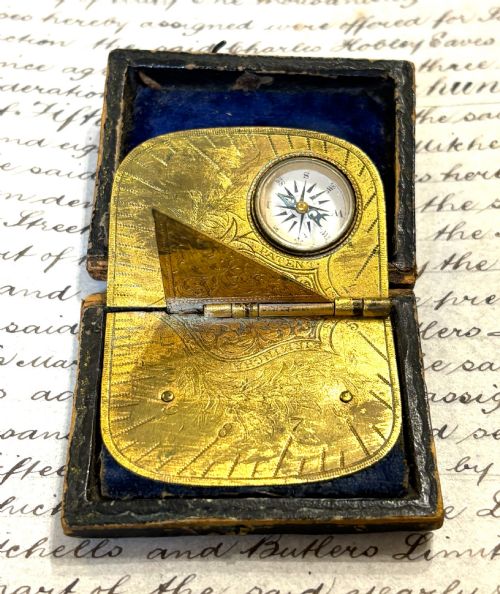
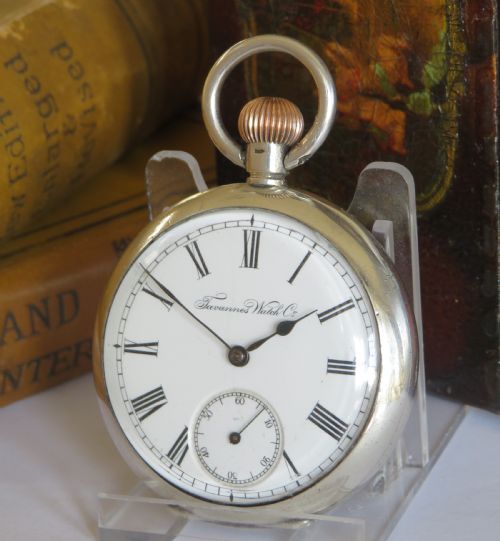
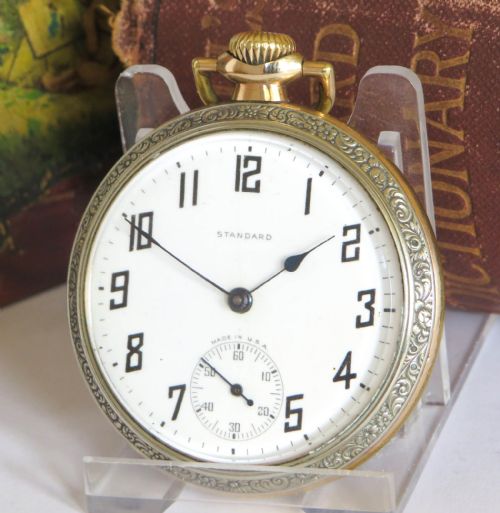
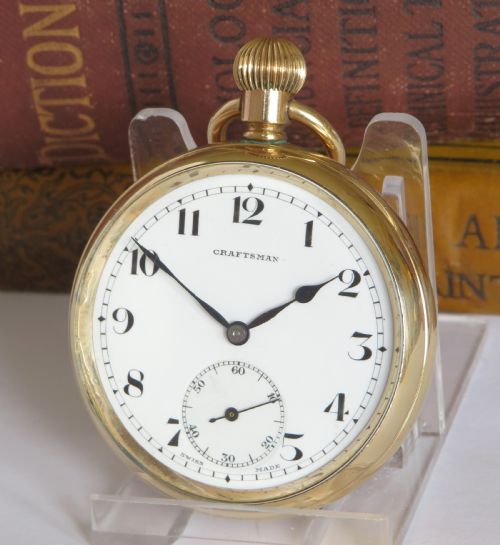
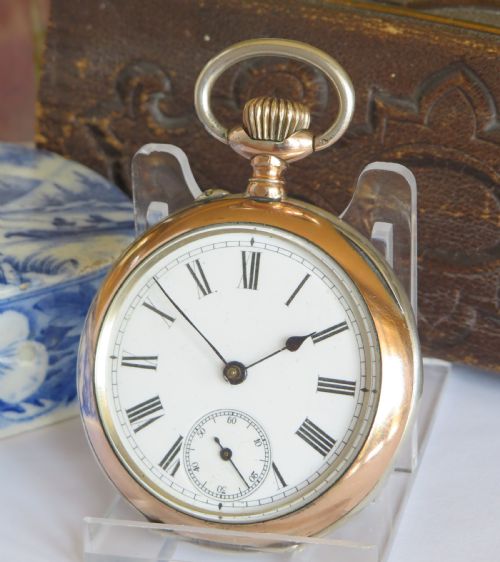
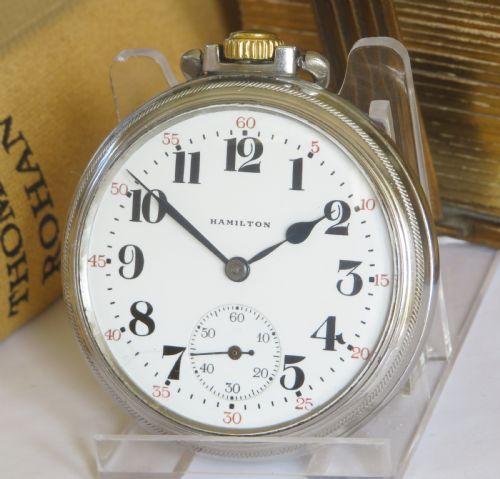
A gold pocket timepiece encompasses mechanical pocket watches, fob watches, and folding sundials originating from periods spanning the eighteenth century through to the mid-twentieth century. Buyers exploring this category encounter items produced across various decades, including Georgian, Victorian, Edwardian, and Art Deco eras.
The selections available here range from early eighteenth-century French quarter repeaters and gilt fusee verge examples to nineteenth-century full hunters and twentieth-century stem-winding designs. These pieces originate from notable horological centres in Britain, Switzerland, America, and France, reflecting diverse manufacturing traditions.
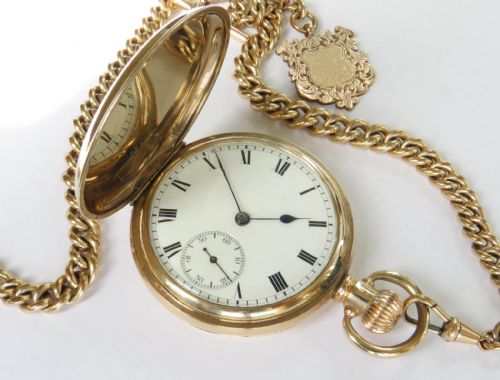
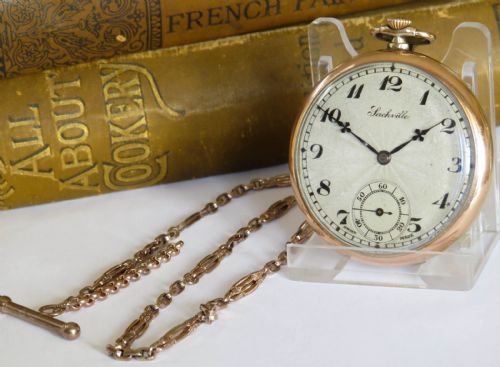
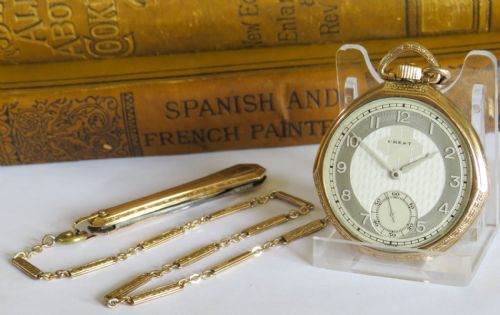
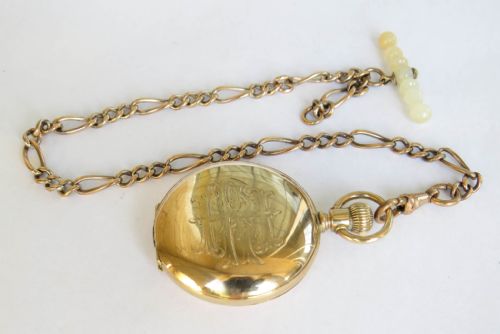
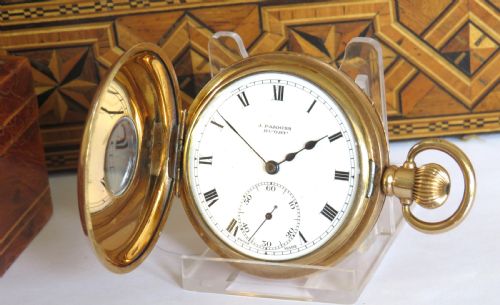
Most examples meet buyers through nineteenth-century and early twentieth-century formats, featuring traditional pocket watches alongside specialised half hunter and full hunter casings. These portable instruments survive in forms designed for daily utility or decorative display, frequently accompanied by period chains.
Materials and Construction
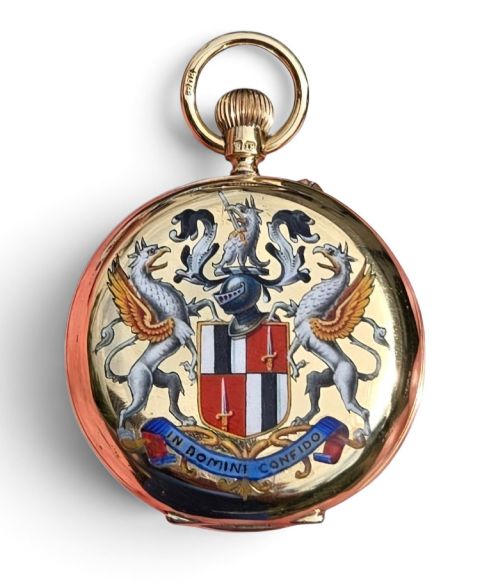
Horologists utilised solid gold, 18-karat gold, and gold plate alongside supportive base metals such as brass, steel, and general metal alloys for internal movements and outer cases. External decoration frequently incorporated enamel dials and painted horn cases, while protective glass covered the watch faces.
Construction techniques evolved from early fusee and verge mechanisms requiring key winding to later stem-winding movements produced by industrial and Swiss workshops. Master watchmakers housed these intricate gear trains within hinged pair-cased enclosures, folding sundial frames, or heavy hunter cases designed to shield the delicate dial.
Listings feature gold pocket timepieces spanning from the 18th century to the 1950s, utilising gold, gold plate, enamel, and brass across various forms.
Distinctions in Quality
Quality differentiates simple mass-produced timepieces from exceptional horological achievements by examining the sophistication of the internal movement, such as fusee mechanisms or quarter repeating complications. The precision of the gear assembly and the reputation of the maker dictate the upper tier of the range.
Material selection and decorative execution further separate standard items from superior pieces, particularly regarding heavy gold housing, hand-painted enamel details, and the crispness of case engraving. Preserved original components and accompanying chains contribute substantially to the integrity of the piece.
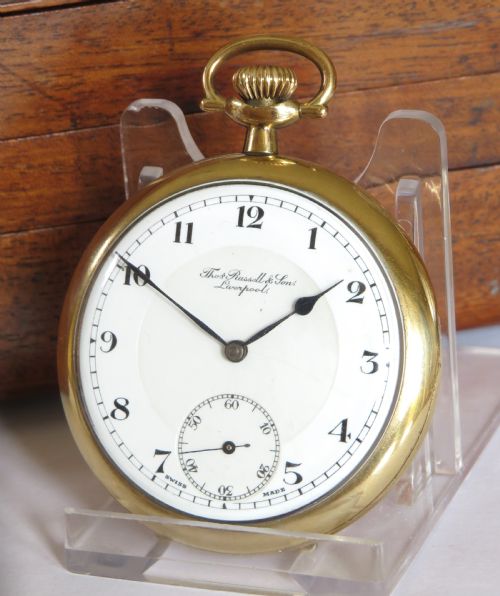
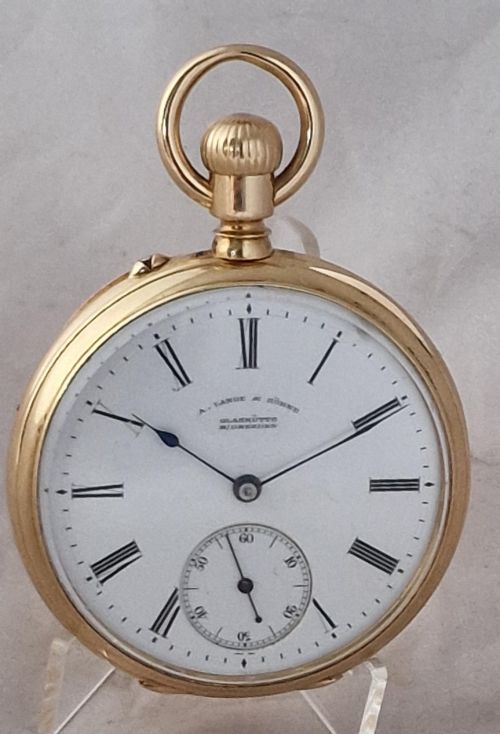
Thomas Russell & Son·Lange & Sohne·Charles Le Roy·R. Stewart·Waltham
The Gold Pocket Timepiece Glossary
- Full hunter
- A pocket watch featuring a protective metal spring-loaded cover that shields the glass dial from scratches. This casing must be opened via a pusher on the crown to read the time.
- Half hunter
- A pocket watch casing featuring a small glass window or aperture on the outer lid, allowing the wearer to view the hands without fully opening the case.
- Fusee
- A conical pulley device used in older mechanical watches to maintain even tension on the gear train as the mainspring unwinds. This mechanical arrangement improves timekeeping accuracy across the power reserve.
- Verge
- An early type of escapement mechanism utilising a crown wheel and a vertical rod with pallets. It represents traditional eighteenth-century horological engineering.
- Quarter repeater
- A complex complication mechanism that chimes the hours and the quarters when a slide or pendant is activated. These pieces required advanced skill from the watchmaker.
Gold Pocket Timepiece: Frequently Asked Questions
How do I wind an antique pocket watch?
Most twentieth-century examples utilise a stem-winding mechanism where the crown is rotated between the thumb and forefinger until resistance is felt. Older fusee pieces may require a separate winding key applied directly to the arbor.
Care should be taken not to overwind the mainspring, as excessive force can damage the internal gearing. Consulting specific period instructions ensures the movement remains operational.
What is the difference between a hunter and an open face watch?
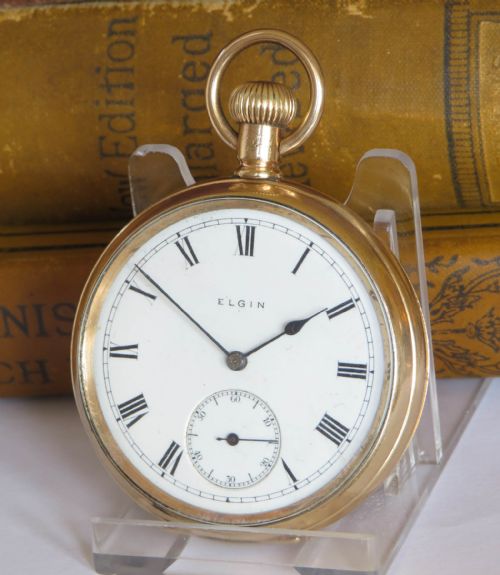
An open face pocket watch has the dial exposed directly behind the glass crystal without any metal cover protecting the face. This design allows immediate viewing of the time but leaves the glass vulnerable to impact.
A hunter model encloses the dial within a hinged metal lid that opens via a release mechanism on the crown. This protective outer shell was preferred for rugged daily wear.
Can these historical watches be used daily?
While many mechanical pocket watches remain in working order, historical movements require gentle handling and regular professional servicing by a specialist. They benefit from careful storage rather than rigorous modern wear.
Treating the delicate gear trains and vintage gold cases with consideration preserves their mechanical function and exterior finish for future years.