
Antique Watch with Albert
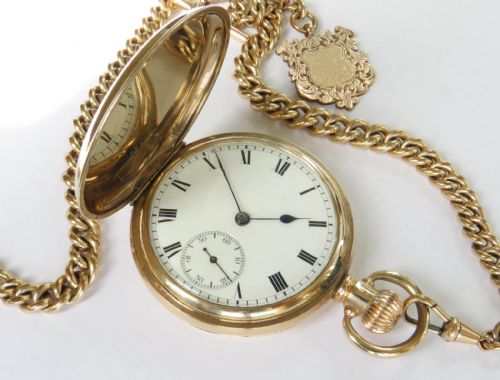
An antique watch with albert brings together a dependable timepiece and a substantial metal chain designed to secure it safely to a waistcoat or garment.
Antique Watch with Albert
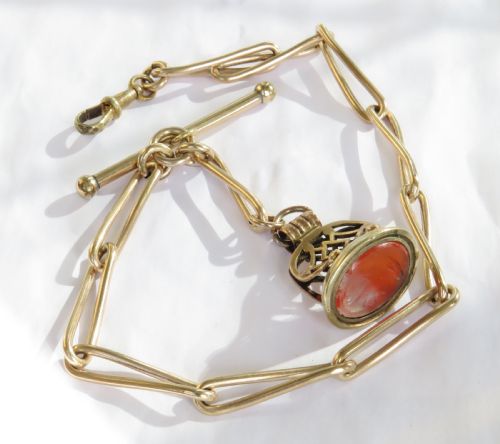
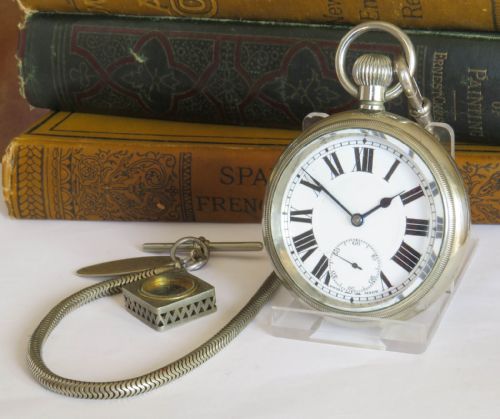
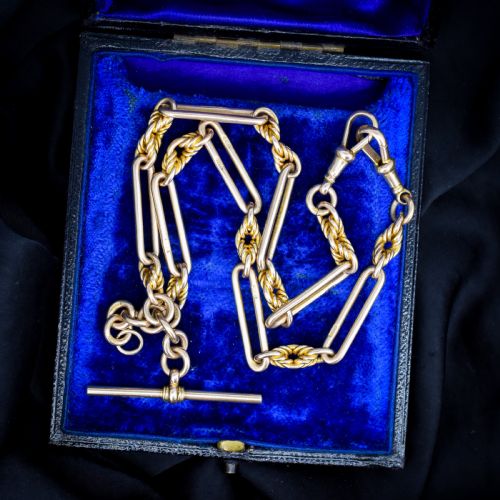
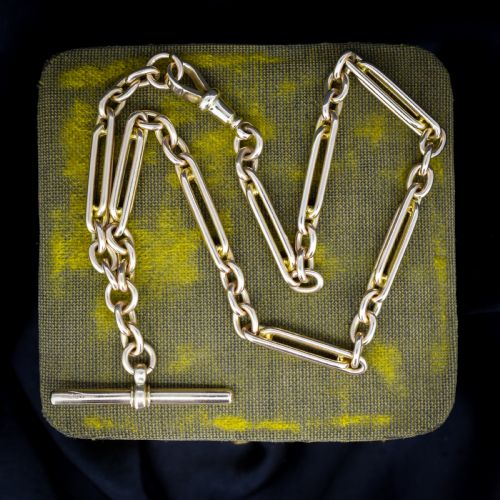
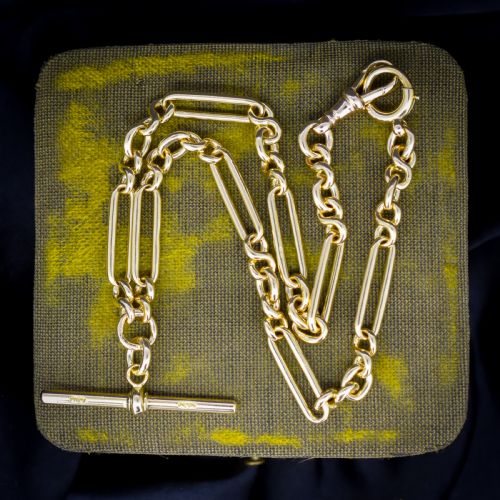
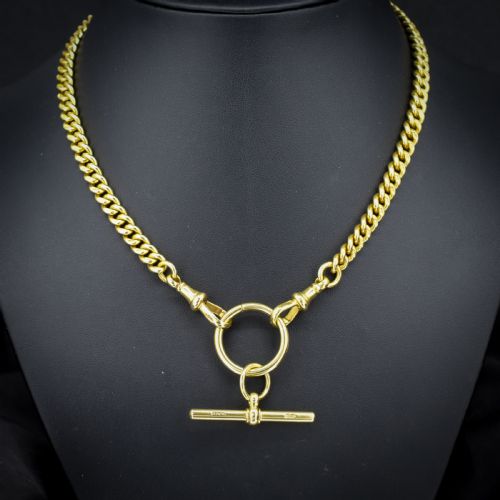
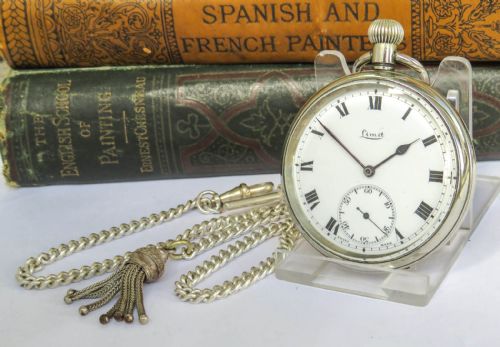
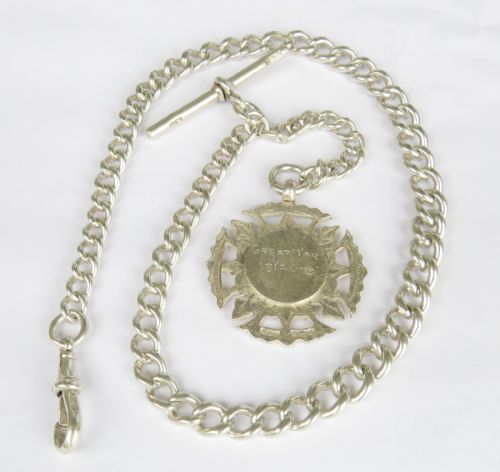
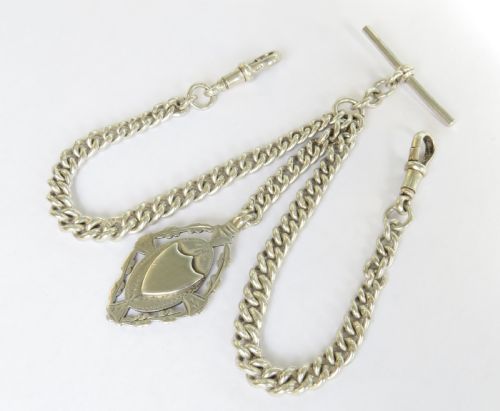
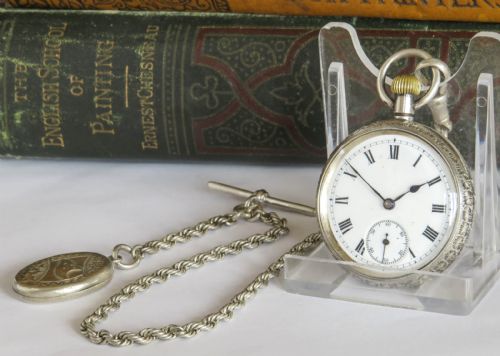
When searching for an antique watch with albert, buyers encounter pairings of pocket-going timepieces alongside heavy linked chains that span the Victorian, Edwardian, and Art Deco periods. These assemblies frequently pair a mechanical pocket watch, such as an open-faced or full hunter model, with a matching silver or gold albert chain complete with a t-bar and dog clip.
The selections available include both sterling silver and 9ct or 15ct gold variations, alongside related forms such as guard chains, albertinas, and bracelets. Timepieces bearing names like Waltham, Omega, and Revue often accompany these chains, creating a unified historical set for daily wear or collection.
Distinctions in Quality and Make
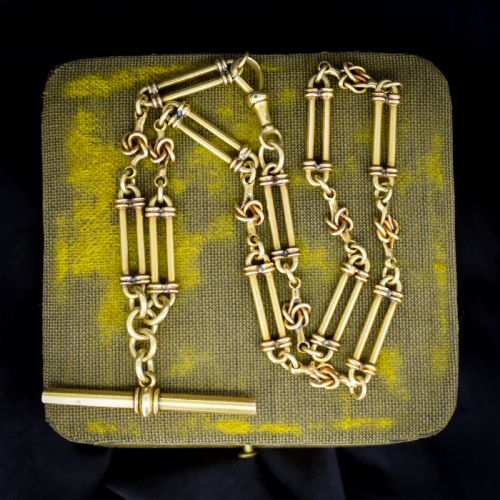
Variations in quality stem from the purity and weight of the precious metals used, with solid 15ct gold and heavier silver configurations representing a higher tier of manufacturing than rolled gold or lighter tubular brass pieces. The intricacy of the link work, such as specialised trombone, love knot, or complex curb patterns, indicates the level of craftsmanship invested in the chain.
For the timepieces themselves, the reputation of the watchmaker - ranging from Swiss houses like Omega and Doxa to English manufacturers like William Ehrhardt - together with the presence of intact enamel dials and functioning mechanical complications, defines the upper echelon of surviving examples.
Listings span the late nineteenth century through the Edwardian era and the 1920s and 1930s, utilising sterling silver, 9ct gold, and various base metals.
Waltham·Octava·Omega·Revue·Doxa·William Ehrhardt·Kays·Electa
The Antique Watch with Albert Glossary
- Albert chain
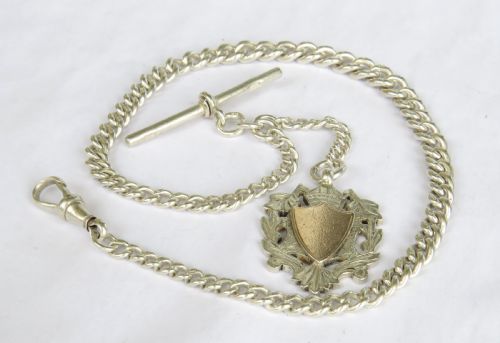
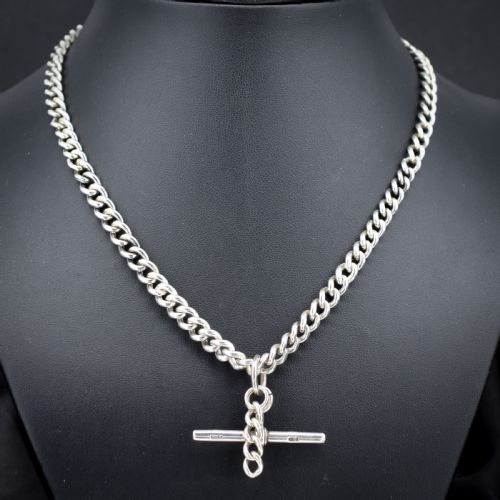
- A heavy chain used to secure a pocket watch to a garment, typically featuring a t-bar at one end and a dog clip at the other.
- T-bar
- A short transverse bar attached to the middle or end of a watch chain, designed to slip through a buttonhole to anchor the chain securely.
- Dog clip
- A spring-loaded swivel clasp used to fasten the pocket watch or suspend fobs and charms from the main link strand.
- Full hunter
- A pocket watch featuring a spring-loaded metal cover that protects the glass dial from scratches and impacts.
- Vesta
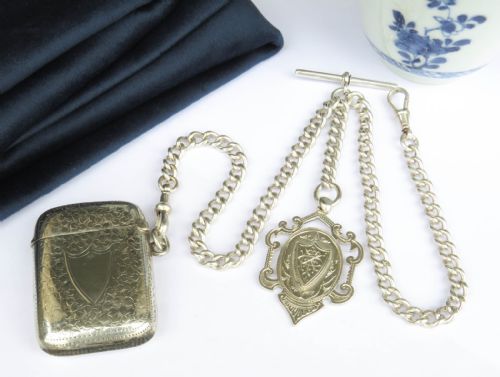
- A small match-safe box often hung as a decorative and practical fob from a watch chain during the nineteenth and early twentieth centuries.
Antique Watch with Albert: Frequently Asked Questions
What is an albert chain?
An albert chain is a sturdy link chain originally worn by men in the nineteenth and early twentieth centuries to secure a pocket watch to a waistcoat. It typically includes a t-bar for buttonhole attachment and a dog clip for the timepiece.
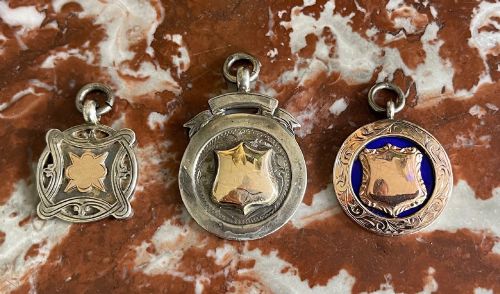
These chains were produced in sterling silver, various carats of gold, and base metals, often featuring decorative elements like drops, compasses, or bloodstone fobs.
How do you wear a pocket watch with an albert?
The t-bar is passed through a central waistcoat buttonhole, allowing the chain to drape across the front. The pocket watch is then secured to the dog clip and placed safely inside the waistcoat or jacket pocket.
Shorter lengths can also be adapted as bracelets or worn across different garments, depending on the specific style of the chain.
What is the difference between an albert and an albertina?
An albert is a single, substantial chain designed for traditional waistcoat wear, often heavier and simpler in form. An albertina is a finer, multi-strand variant traditionally worn by women, frequently adorned with tassels or small sliding fobs.
Both serve the primary function of securing a timepiece, but differ significantly in weight, scale, and decorative elaboration.
How do you tell the age of these pieces?
Age is primarily determined through official British hallmarks stamped on silver and gold components, which record specific assay office symbols and date letters. Stylistic shifts, such as the transition from Victorian heavy curb links to Edwardian fancy formations and Art Deco geometric touches, also provide clear chronological markers.