



Gold Casing Pocket Watch
A gold casing pocket watch brings a distinct tactile weight to the waistcoat, spanning Georgian origins through to mid-century designs.
Gold Casing Pocket Watch
When you search for a gold casing pocket watch, you encounter horological pieces and related accessories spanning the eighteenth century to the mid-twentieth century. The selection includes full hunters, half hunters, and pendant conversions, alongside associated pieces like fob seals and lockets mimicking pocket watches.
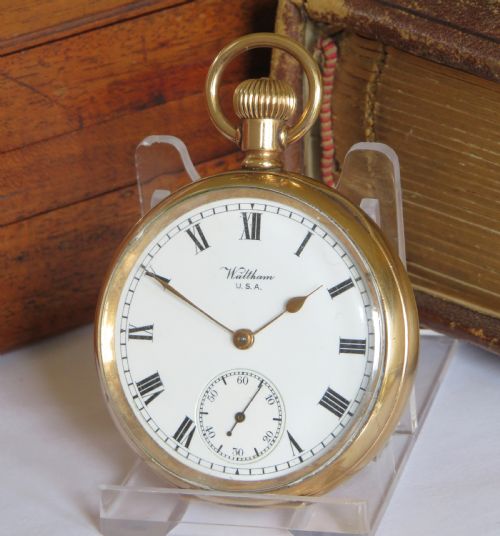
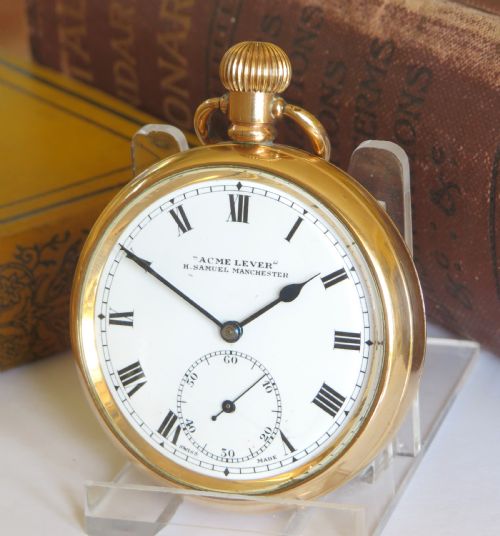
The versions you are most likely to meet on this page date from the Victorian and Edwardian eras, as well as the 1920s and 1930s. These range from robust button-wind timepieces by makers such as Waltham and H Samuel to delicate gold-cased travel clock stands and chalcedony ornaments.
How they were made
These items utilise precious metals including nine-carat, fifteen-carat, and eighteen-carat gold, alongside gold plate and brass. Horn, chalcedony, enamel, and glass appear in specific housings and fob seals, often paired with steel internal movements.
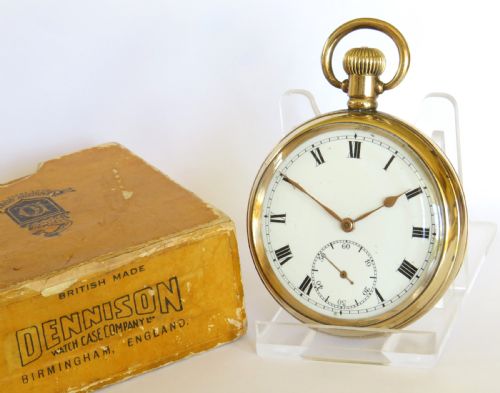
Casing techniques range from heavy pair cases in the eighteenth century to guilloche enamel decoration and ornate chased designs on Victorian pendants. Movements vary from standard Swiss configurations to lever mechanisms housed in bespoke cases by makers like Dennison.
Gold Casing Pocket Watch Retail Price Guide 2026
Typical asking prices for gold casing pocket watch among the pieces listed under this phrase on Sellingantiques today, from the lower quarter to the upper quarter. They describe what is for sale here now, not the wider market.
Listings feature periods spanning the eighteenth century, Victorian era, Edwardian period, and twentieth-century decades up to the 1950s.
What varies in quality
The refinement of the exterior housing dictates much of the visual merit, distinguishing simple gold plate from heavy yellow gold, rose gold, or intricate guilloche enamel. Cases with crisp chasing or integrated chalcedony elements show a higher standard of craftsmanship than plain functional housings.
Internal movement pedigree and brand provenance elevate certain pieces above standard production items. Signed dials from established firms and numbered Swiss mechanisms demonstrate a superior grade of watchmaking.
Acme Lever·H Samuel·Dennison·Waltham·Revue·Limit·Everite·Helvetia·Eastern Watch Case Co·Tiffany and Co
The Gold Casing Pocket Watch Glossary
- Full hunter
- A pocket watch featuring a spring-loaded metal cover that protects the glass dial face from scratches. This style requires the user to press a button on the crown to open the case before reading the time.
- Half hunter
- A pocket watch style featuring an outer case lid with a glass or open-centred circular aperture. This allows the wearer to view the hands without opening the main protective cover.
- Guilloche enamel
- A decorative technique where a precise geometric pattern is mechanically engraved into a metal substrate before translucent enamel is applied over the top. This creates a lustrous, light-catching surface finish common on luxury personal accessories.
- Pair cased
- An eighteenth-century construction method utilising two separate protective shells, where the inner watch case fits snugly inside a slightly larger outer case. The outer case was frequently covered in horn or leather for added durability.
- Fob seal
- A small decorative pendant suspended from a watch chain, traditionally carved with a family crest or initials for impressing into sealing wax. Examples in this category incorporate materials such as chalcedony and gold casing.
Gold Casing Pocket Watch: Frequently Asked Questions
How do I wind an antique pocket watch?
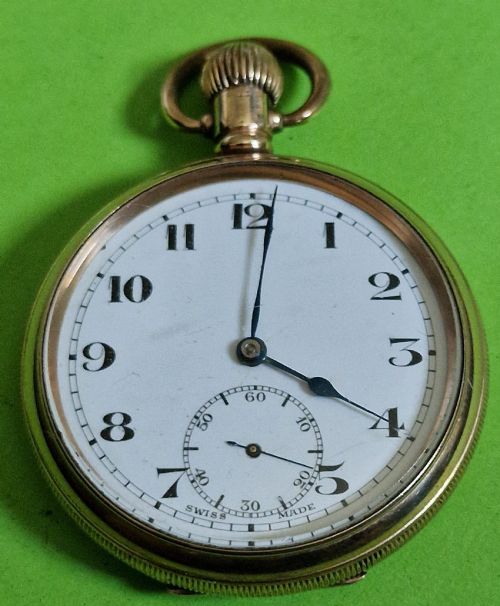
Most pieces from the early twentieth century utilise a button-wind mechanism where you turn the crown at the top to tension the mainspring. Avoid over-winding to protect the internal components.
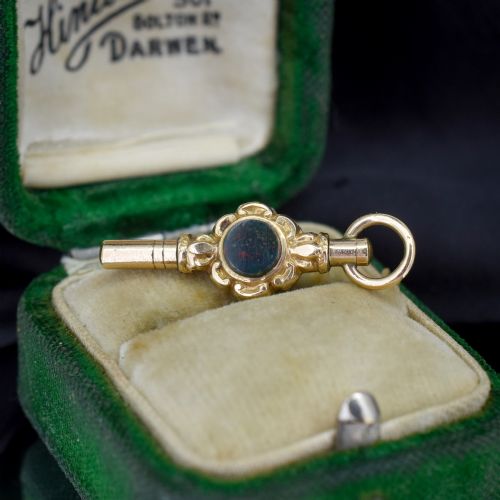
Older examples may require a separate key inserted into the back or dial face. Take care to match the key size precisely to prevent stripping the winding square.
What is the difference between solid gold and gold plate?
Solid gold cases consist entirely of precious metal throughout the structure, typically marked with carat stamps such as nine-carat or eighteen-carat. These pieces retain intrinsic material value alongside their horological interest.
Gold-plated items feature a thin layer of gold bonded to a base metal core like brass or steel. This technique offered a more accessible option during the Victorian and Edwardian periods.
How were pocket watches worn historically?
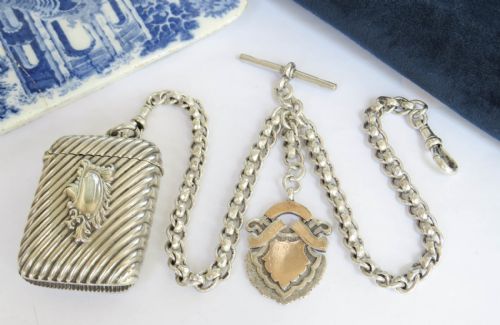
Pocket watches were typically secured to a waistcoat or jacket using a chain known as an albert or watch albert. The chain passed through a buttonhole, anchoring the timepiece safely in a dedicated pocket.
Alternative configurations included pairing the watch with a silver vesta case or attaching decorative fobs and seals to the hanging chain for added personal style.
How do I identify the period of a pocket watch?
Examine the style of the typography on the dial, the shape of the hands, and any hallmarks stamped inside the case covers. Victorian and Edwardian pieces often display ornate casework and specific assay office marks.
Art Deco items from the 1920s and 1930s tend toward geometric clarity, streamlined numerals, and enamel decoration, while eighteenth-century examples feature heavier pair cases and hand-painted horn.