






Gold Ormolu Timepiece
A gold ormolu timepiece brings the brilliance of mercury-gilded bronze into a room, offering both reliable movement and sculptural presence.

Gold Ormolu Timepiece
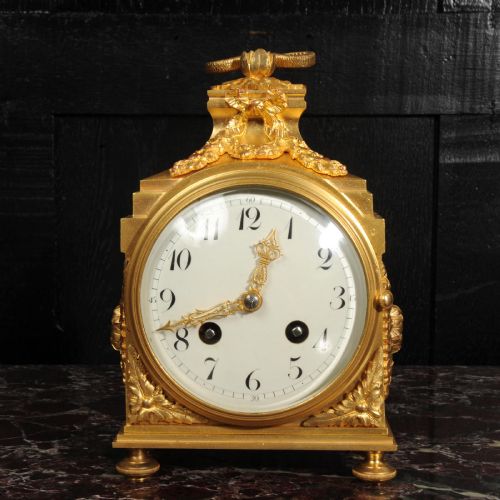
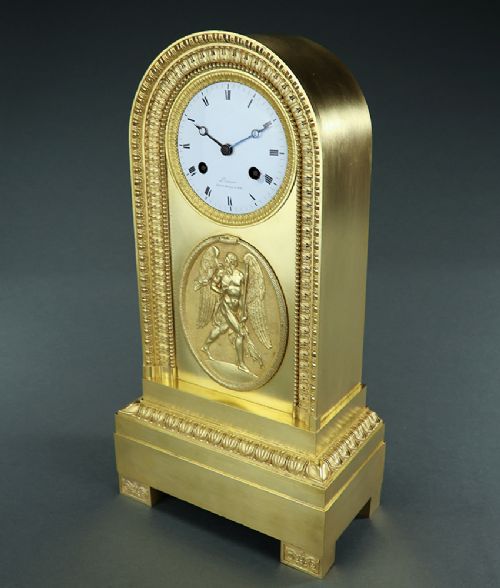
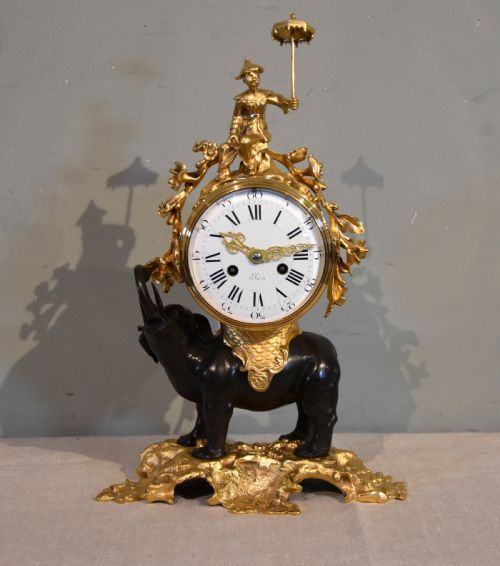
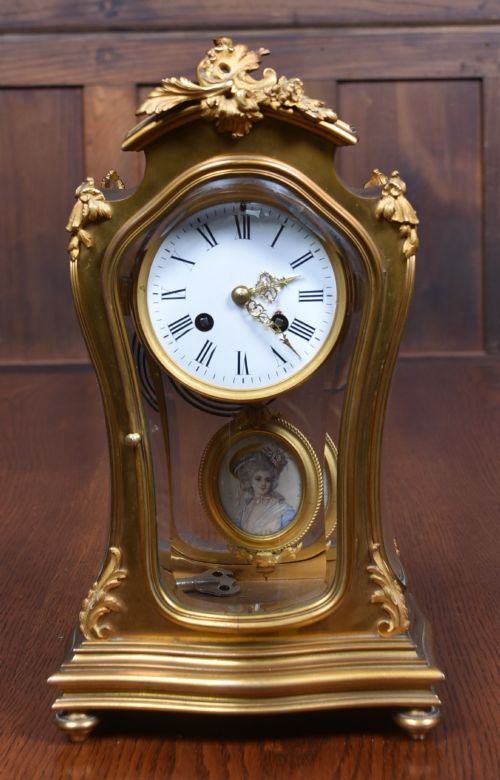
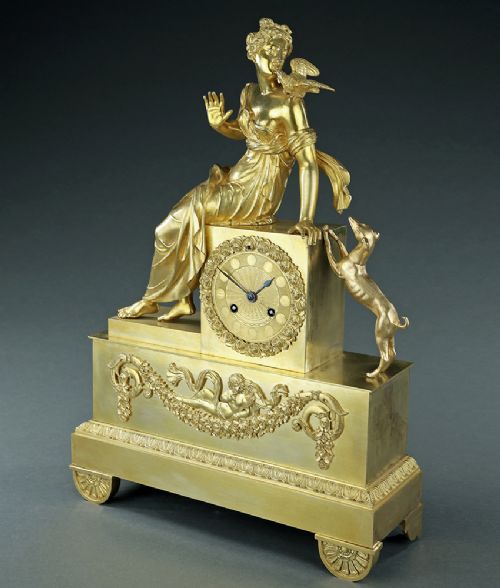
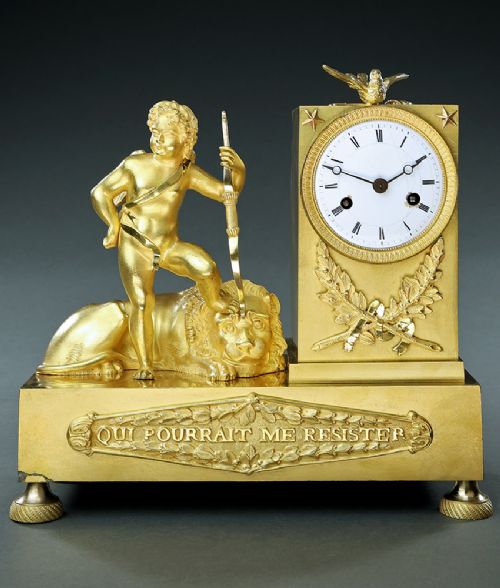
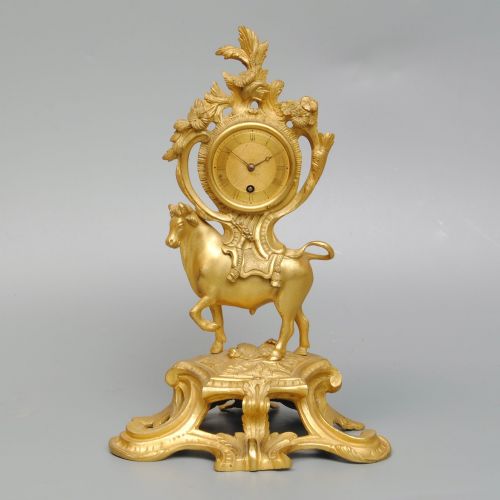
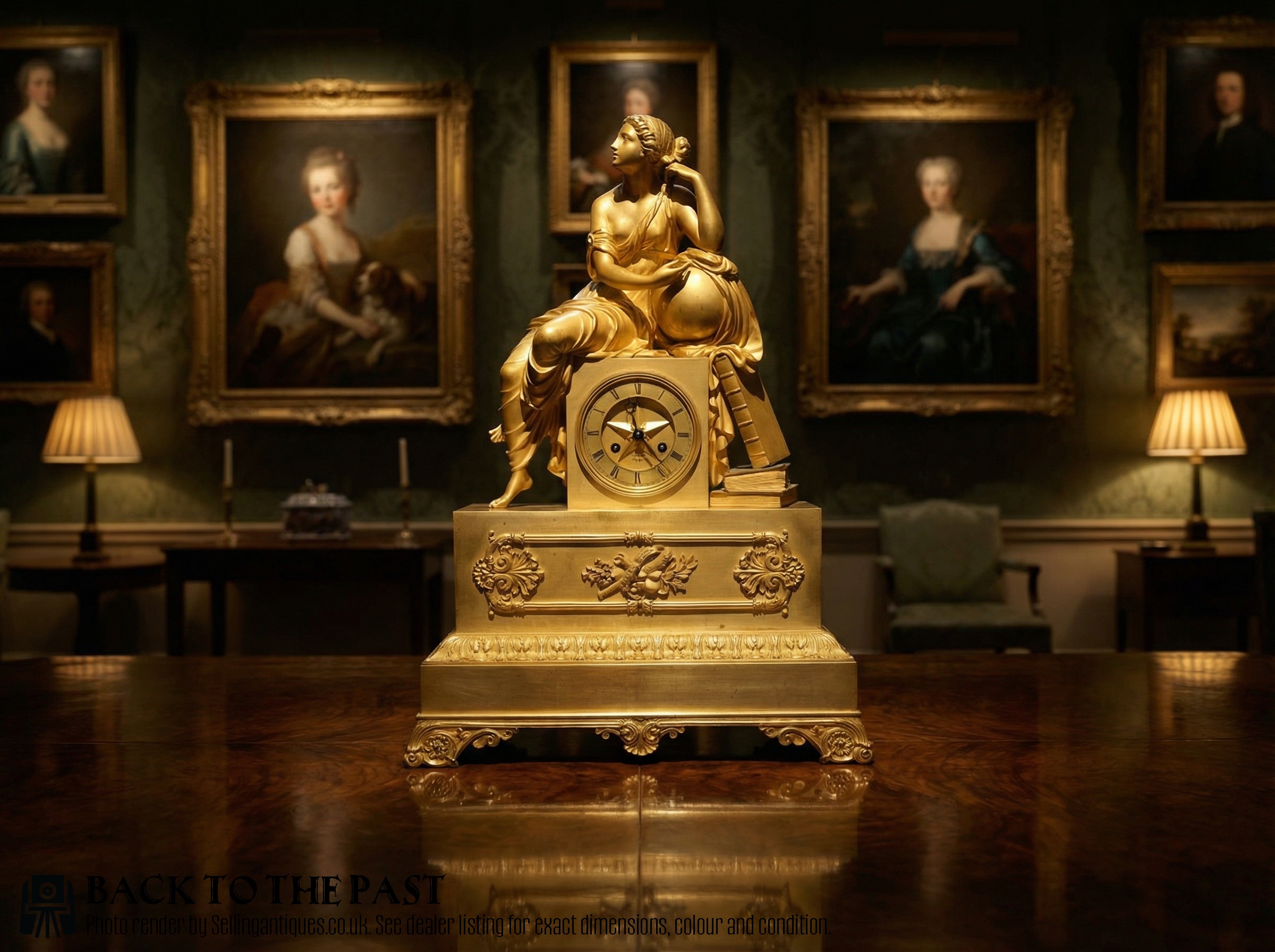
When you search for a gold ormolu timepiece, you encounter a selection of domestic horology predominantly shaped by nineteenth-century French makers. These objects function simultaneously as functional clocks and as decorative sculptures for mantelpieces, brackets, and tabletops. The forms range from strict architectural portico clocks to exuberant Rococo and Empire figurative designs.
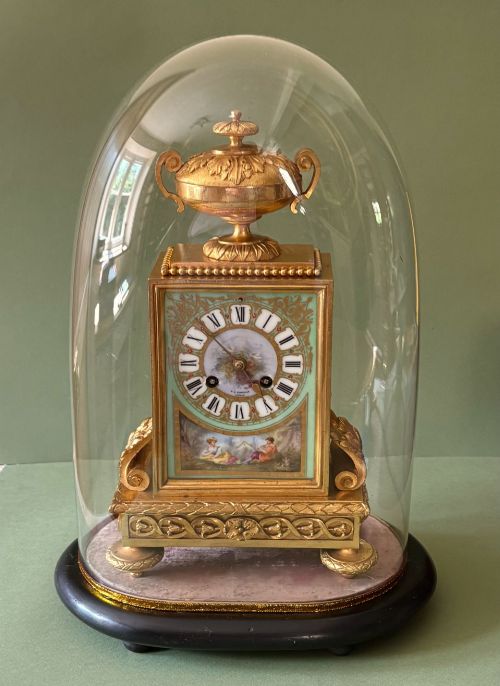
The specimens on this page lean heavily toward mantel clocks and garnitures produced across the Victorian era, the Regency period, and the late nineteenth century. Many incorporate enamel dials, hand-painted porcelain plaques, or patinated bronze figures alongside the bright gilt metalwork. Architectural wall clocks and small bedside timepieces also appear occasionally within the selection.
How they were made
The manufacture of these timepieces relies heavily upon the casting and chasing of bronze, which is then subjected to mercury gilding to produce the distinctive ormolu surface. This metallic skin is frequently paired with contrasting materials such as white marble, glass, and hand-painted porcelain components from factories like Sèvres. Dial faces commonly utilise fired enamel with delicate painted numerals.
The internal mechanics involve brass clockwork movements, ranging from simple timepieces to striking mechanisms and calendar complications. Skilled horologists housed these movements within substantial cast metal housings, often securing delicate figural components with threaded pins and screws.
Gold Ormolu Timepiece Retail Price Guide 2026
Typical asking prices for gold ormolu timepiece among the pieces listed under this phrase on Sellingantiques today, from the lower quarter to the upper quarter. They describe what is for sale here now, not the wider market.
Materials appearing across current inventory include patinated bronze, white marble, hand-painted porcelain, and fire-gilded ormolu.
What varies in quality
Quality also declares itself in the movement's pedigree and the integration of secondary materials. Timepieces signed by established makers or incorporating hand-painted enamel dials and undamaged porcelain panels command greater attention than uncredited works with standard movements.
Le Roy, Paris·Samuel Marti·Japy Freres·Henri Jacot·Viner, London
The Gold Ormolu Timepiece Glossary
- Ormolu
- A gilt bronze decorative technique utilising a mercury amalgam applied to a cast brass or bronze base. This process creates a durable golden finish characteristic of decorative objects from the eighteenth and nineteenth centuries.
- Pendule d'Officier
- A portable campaign-style carriage or officer clock fitted with a handle. These compact timepieces were designed for travel while retaining refined metal mounts.
- Portico clock
- A architectural mantel clock structured like a classical temple with supporting columns. They often feature a suspended pendulum swinging within the open central frame.
- Garniture
- A matching set consisting of a central clock flanked by coordinating decorative objects such as candelabra or vases. These sets were designed to create a balanced display on a mantelpiece.
- Fusee
- A conical pulley used in clockwork to maintain even tension on the driving chain as the mainspring unwinds. This mechanism improves the timekeeping accuracy of the movement.
Gold Ormolu Timepiece: Frequently Asked Questions
How do I wind my clock?
Most mechanical timepieces require a dedicated key inserted into the winding arbours on the dial face. Turn the key gently until you feel resistance, taking care not to over-wind the mainspring.
Different movements require different intervals, ranging from daily winders to eight-day mechanisms. Consult the specific movement type before applying tension to the spring.
Where should I place my timepiece?
Select a stable, level surface away from direct sunlight and fluctuating heat sources like radiators. Mantelpieces and sturdy console tables provide traditional placement.
Ensuring the surface is completely flat allows the pendulum to swing evenly without catching. Even slight tilts can cause a mechanical movement to stop beating.
How do I clean ormolu surfaces?
Dust the gilt bronze gently with a dry, soft artist's brush or a clean microfiber cloth. Avoid commercial metal cleaners, abrasive cloths, or chemical solvents, which can strip the thin gold layer.
Moisture should be kept away from both the exterior metalwork and the delicate interior movement. Professional conservation is recommended for deep cleaning.
How can I tell the period?
Examine the stylistic cues, such as the symmetrical restraint of Louis XVI revival designs versus the asymmetric curves of Rococo revival pieces. Maker signatures and movement stamps also offer chronological clues.
Materials and construction methods shift across the decades, moving from early nineteenth-century fire gilding to later electroplating techniques. Comparing dial typography and casting styles aids in dating.