


Antique Porcelain Clock
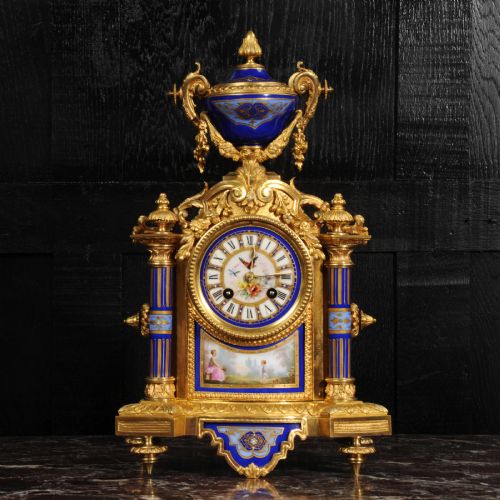
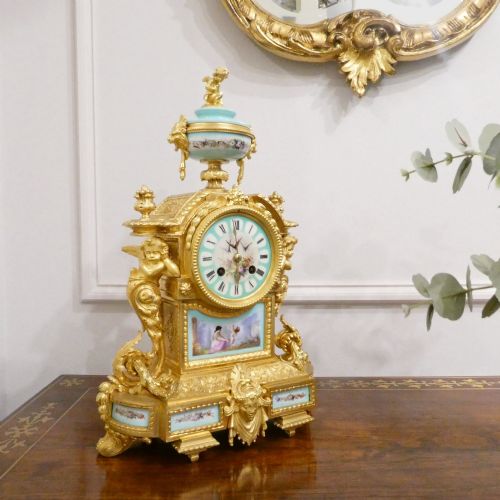
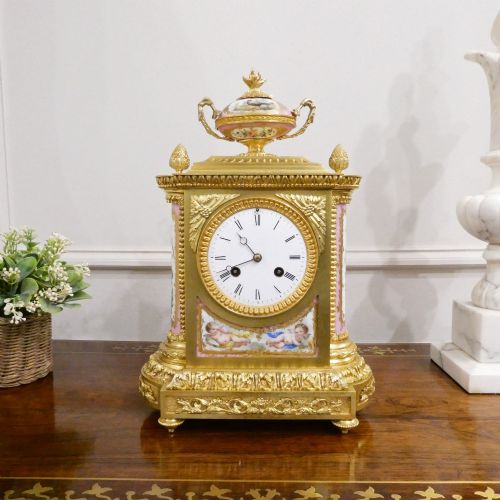
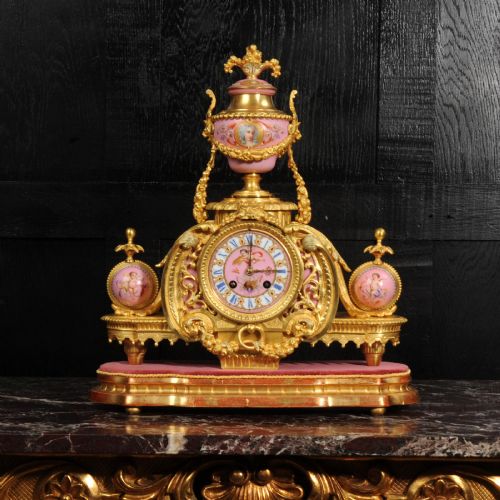
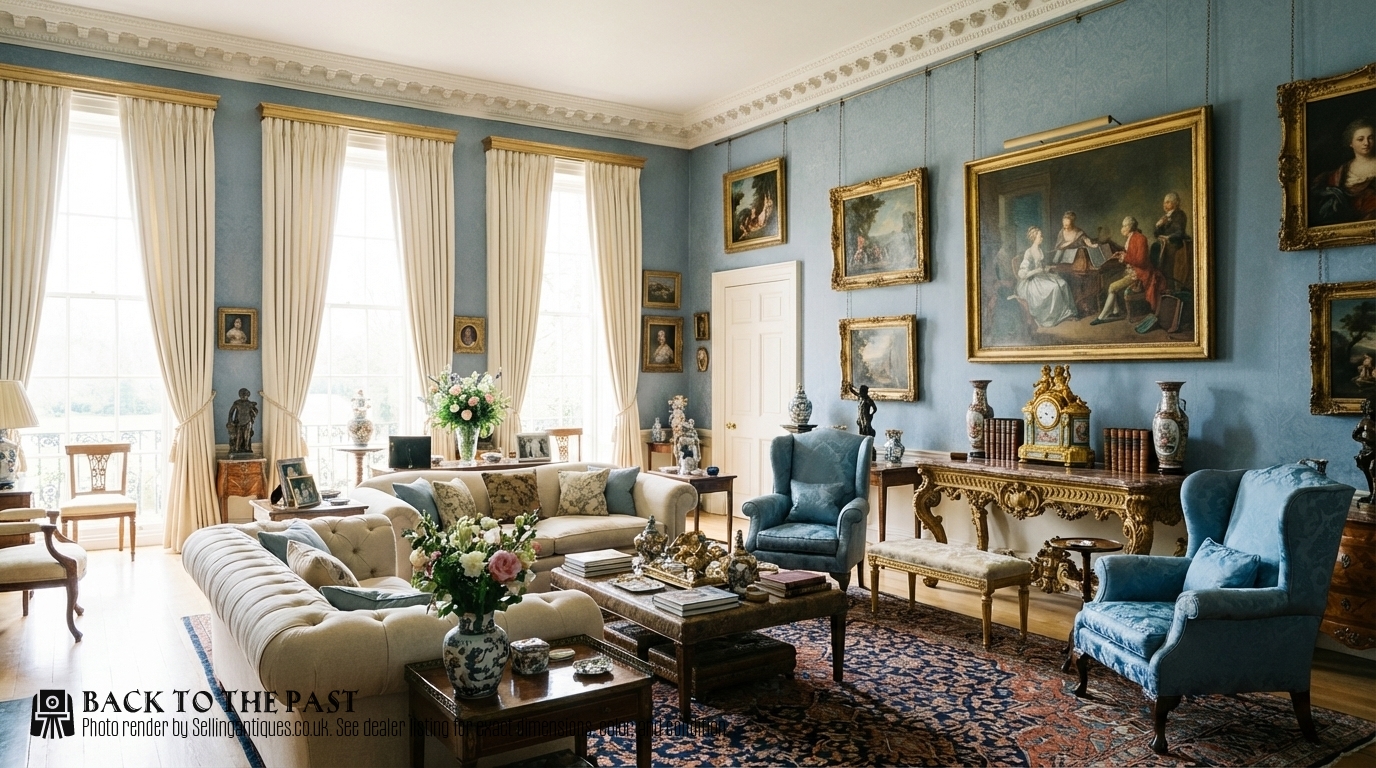
An antique porcelain clock brings the ornate domestic elegance of nineteenth-century France and Victorian interiors directly onto the mantelpiece.

Antique Porcelain Clock
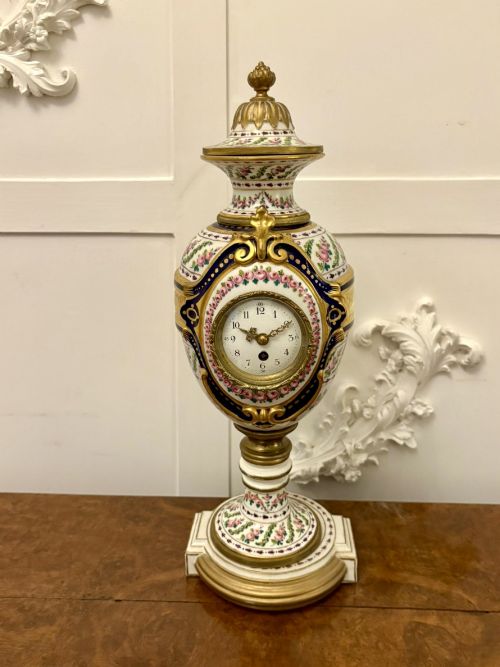
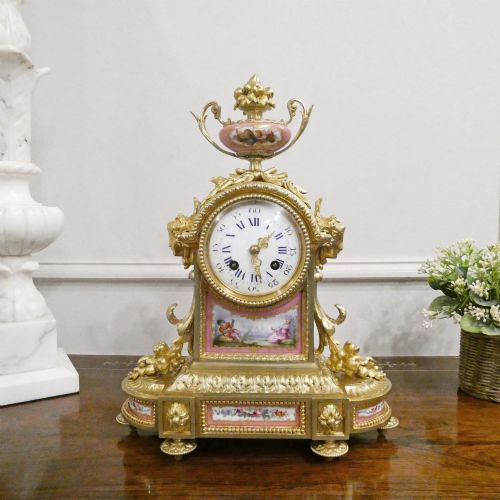
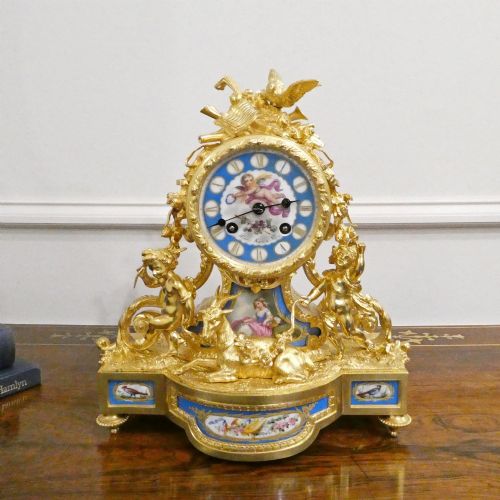
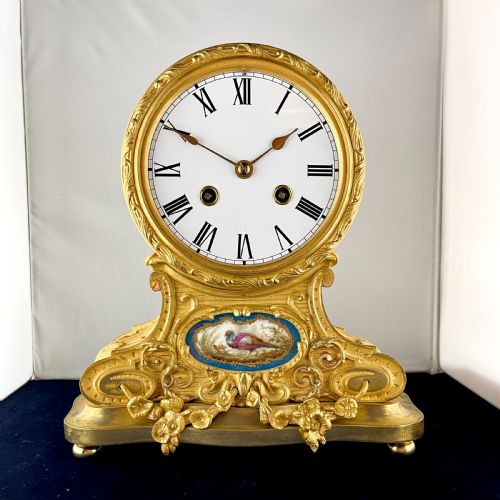
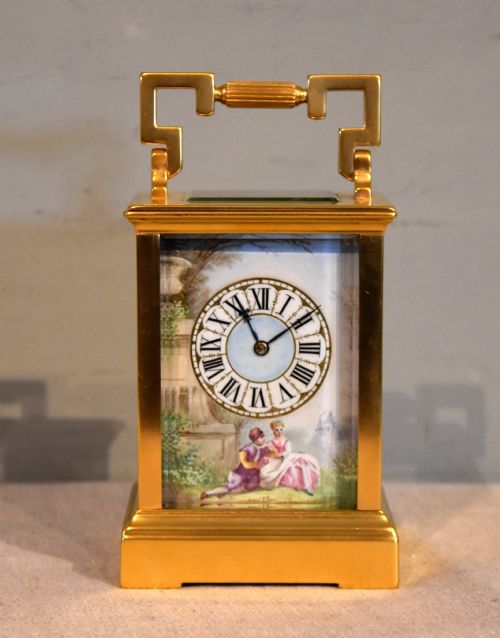
When searching for an antique porcelain clock, buyers encounter predominantly nineteenth-century French mantel clocks alongside garniture sets, carriage clocks and occasional urn-shaped or drumhead designs. The market centres heavily upon works spanning the Victorian era through the late nineteenth century, reflecting the periods most commonly preserved and traded.
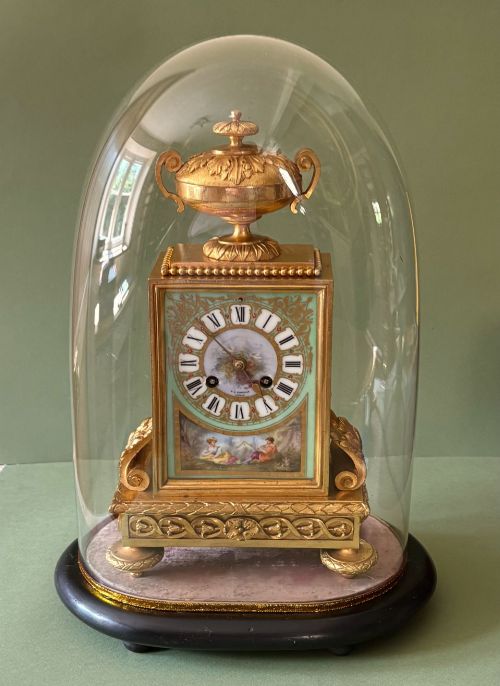
Makers housed porcelain panels and dial faces within metallic housings, often accompanied by matching side vases or candelabra to form complete garniture sets protected by glass domes. These domestic timepieces combined mechanical utility with hand-painted ceramic artistry, functioning as centrepieces for formal rooms.
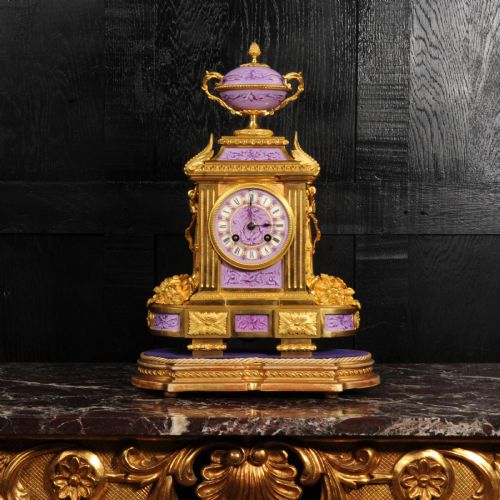
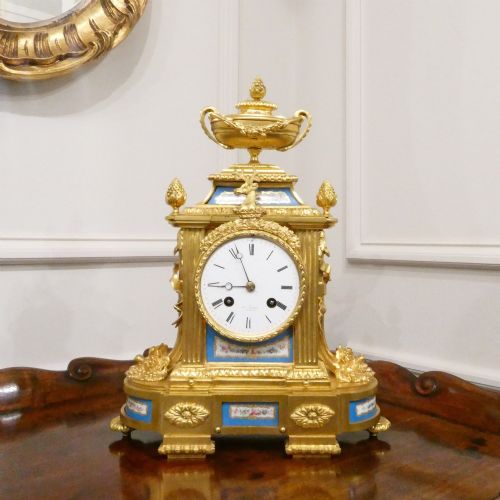
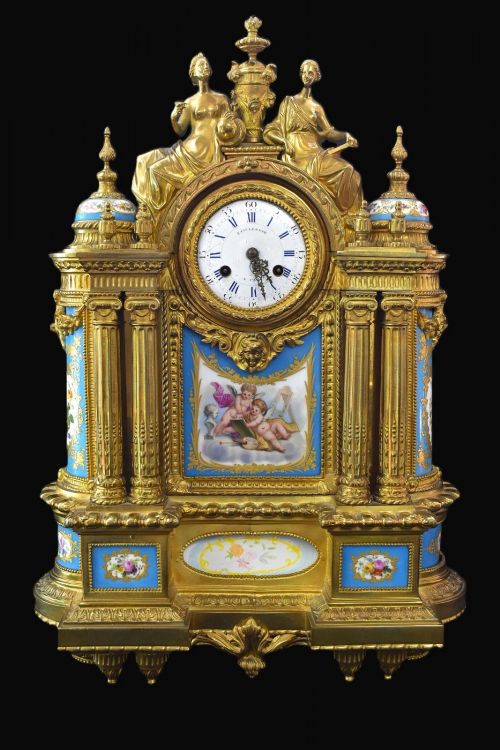
Originating largely from French workshops and Parisian makers, these pieces borrow decorative idioms from Rococo revival, Louis XVI styles and Napoleon III aesthetics. Buyers meet everything from compact carriage timepieces featuring porcelain panels to large, elaborate ormolu-mounted mantel clocks.
Materials and construction
Makers constructed these clocks using cast bronze, gilt metal and ormolu frames fitted with hand-painted ceramic components, frequently utilising porcelain panels and dials originating from Sèvres or modelled in that manner. The metallic mounts were cast, chased and gilded to frame the delicate ceramic bodies and enamel dials.
Movements were produced by specialist clockmakers and housed securely within decorative housings of wood, onyx, brass and gilt bronze. Glass domes frequently accompanied the larger mantel clocks and garniture sets to protect the vulnerable gilding and painted surfaces from dust.
Antique Porcelain Clock Retail Price Guide 2026
Typical asking prices for porcelain clock among the pieces listed under this phrase on Sellingantiques today, from the lower quarter to the upper quarter. They describe what is for sale here now, not the wider market.
Listings feature periods spanning the eighteenth century, the Victorian era, and the nineteenth century, utilising materials including porcelain, ormolu, gilt bronze, and onyx.
Assessing quality in manufacture
Quality separates objects by the crispness of the bronze casting and the artistic merit of the hand-painted porcelain panels rather than mere size. Superior examples exhibit finely chased ormolu mounts, meticulously detailed miniatures on the ceramic plaques, and movements signed by renowned makers.
The integration between the ceramic elements and the metal chassis dictates the overall success of the piece, with finer works showing seamless alignment and substantial weight in the cast metal. Lesser examples rely on mass-produced stampings and simpler decorative motifs.
Japy Freres·Achille Brocot·Henry Marc·Jean-Baptiste Delettrez·Etienne Lenoir·PH Mourey·Raingo Freres·Le Roy et Fils
The Antique Porcelain Clock Glossary
- Ormolu
- Gilded bronze produced by applying a mercury-gilding process to cast bronze. This technique imparts a rich, deep golden lustre characteristic of luxury French clocks.
- Garniture
- A set of matching decorative objects, typically comprising a central clock flanked by two matching urns, vases or candelabra. These sets were designed to display symmetrically on a mantelpiece.
- Carriage clock
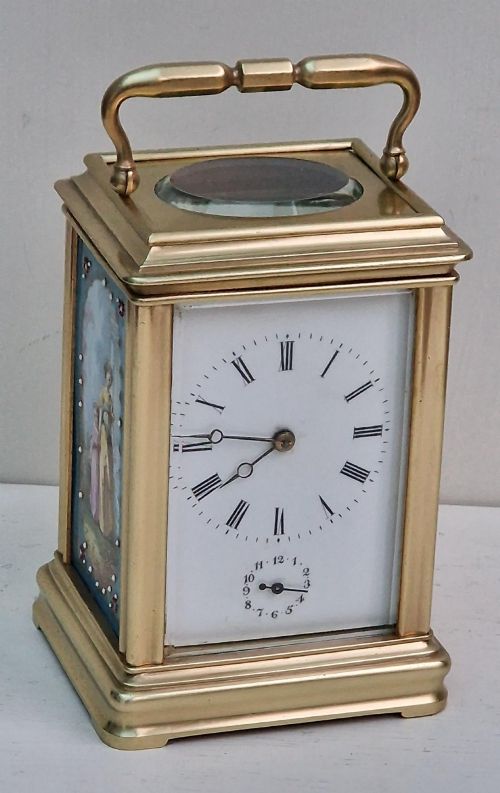
- A small, portable spring-driven clock equipped with a handle, originally intended for travel. Many nineteenth-century examples incorporate hand-painted porcelain panels into their brass cases.
- Drumhead clock
- A mantel clock featuring a circular dial housing shaped like a drum mounted upon a decorative plinth. This form frequently pairs ormolu mounts with porcelain bodies.
- Sèvres
- The renowned French porcelain manufactory whose style and painted plaques inspired many nineteenth-century clockmakers. Genuine or inspired plaques carry distinct aesthetic markers of hand-painting and gilding.
Antique Porcelain Clock: Frequently Asked Questions
How do I wind an antique porcelain clock?
Most mechanical models utilise a key inserted into winding holes on the dial face to tension the springs. Care must be taken not to over-wind the movement.
Consulting a professional horologist for an initial service ensures the gear train operates smoothly without damaging historical components.
Can these clocks still keep accurate time?
Fully restored examples can keep reliable time when properly set up on a level surface. Pendulum regulation allows owners to adjust the beat for precision.
Environmental factors like temperature changes in a modern room can affect performance, requiring occasional minor calibration by the owner.
What is a clock garniture set?
A garniture set consists of a central mantel clock accompanied by two matching side ornaments, such as urns or candelabra. These pieces were designed to be displayed together as a unified decorative scheme.
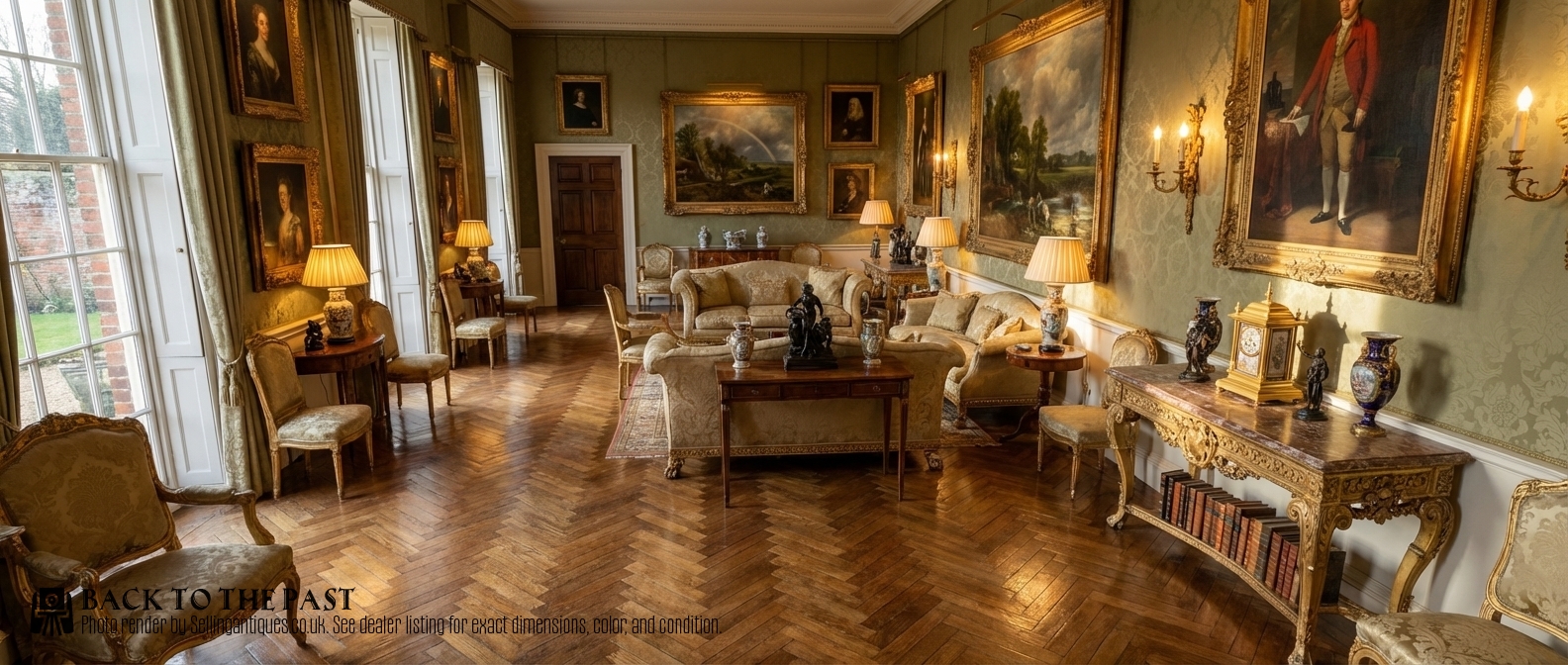
Placing them across a mantelpiece or sideboard creates the balanced aesthetic favoured in nineteenth-century formal interiors.
How should I clean an ormolu and porcelain case?
Dusting with a soft, dry brush or microfibre cloth is sufficient for routine maintenance of the gilt metal and painted surfaces. Moisture and chemical cleaners must be avoided to protect fragile gilding and ceramic glazes.
Professional conservation is recommended if deeper cleaning of the delicate metalwork or painted panels becomes necessary.