

Gold Ormolu Light Holder
A gold ormolu light holder brings warmth and heavy historical presence to a room, cast in bright metal and finished by hand.
Gold Ormolu Light Holder
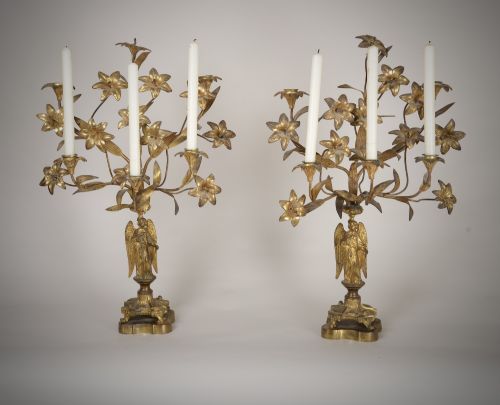
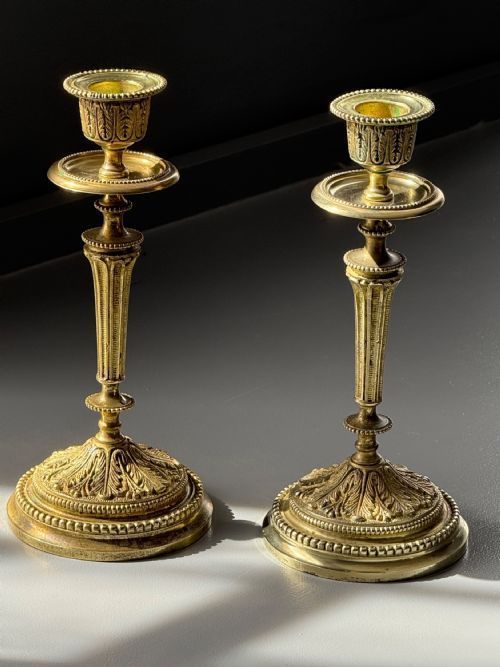
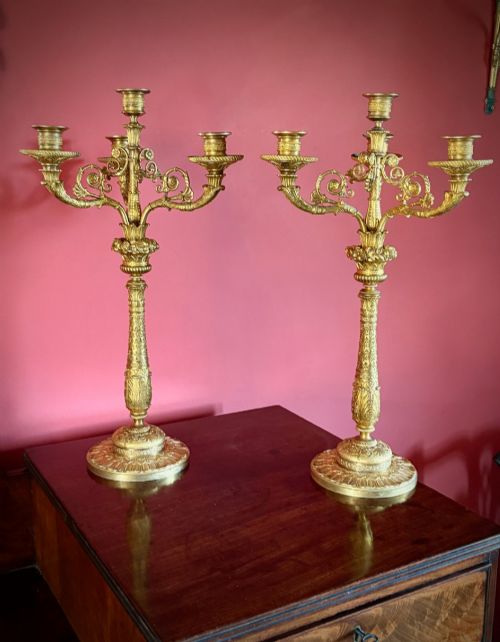
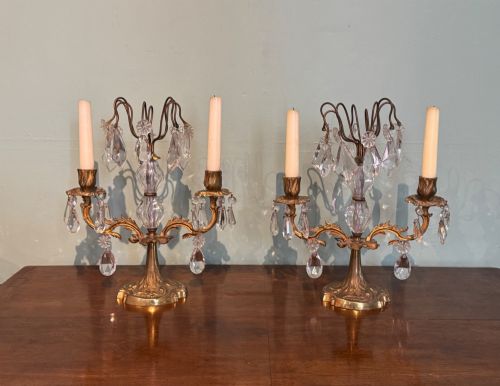
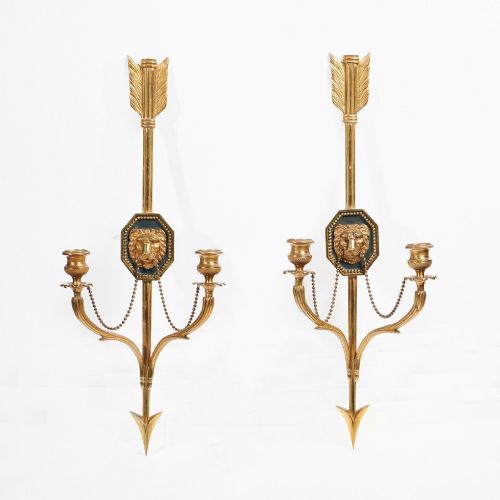
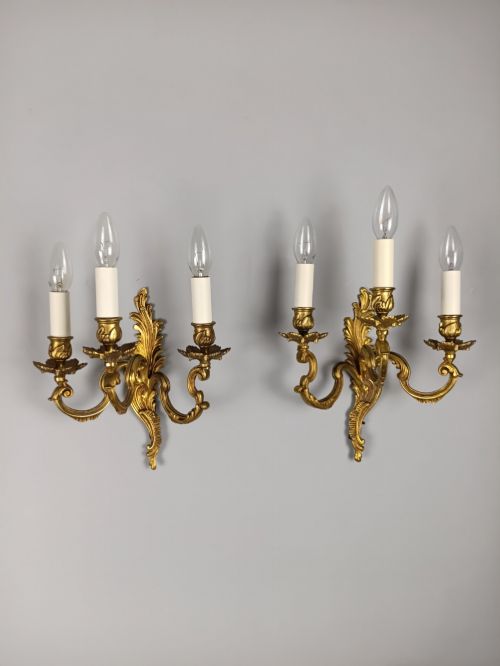
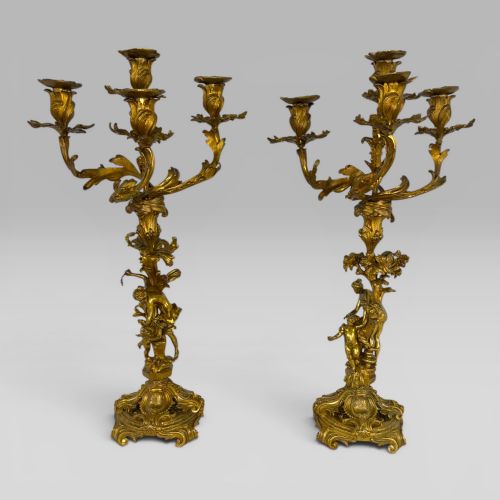
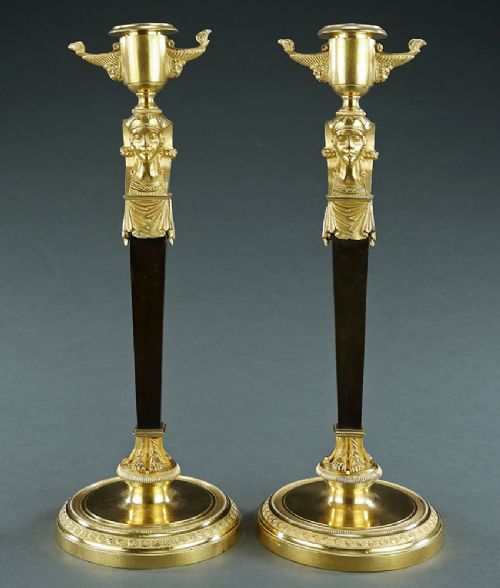
When you search for a gold ormolu light holder, you find an array of antique candelabras, candlesticks, wall sconces, and desk accessories designed to hold candles securely. These pieces span the eighteenth, nineteenth, and early twentieth centuries, drawing heavily on French Empire, Louis XVI, and Regency aesthetics. Most examples met here are pairs of heavy bronze or brass mounts finished with mercury gilding or modern interpretations of ormolu.
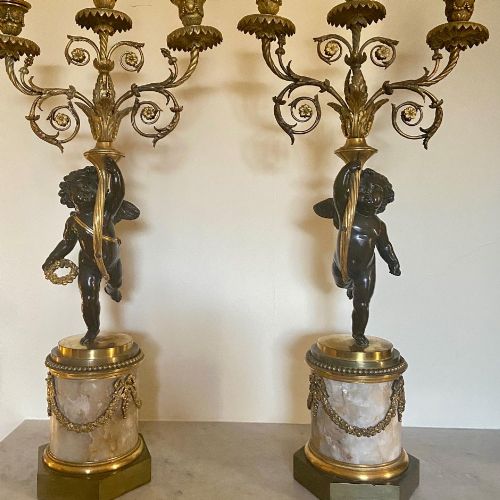
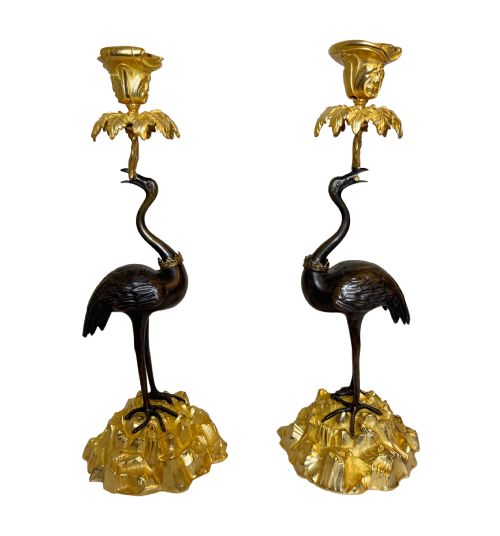
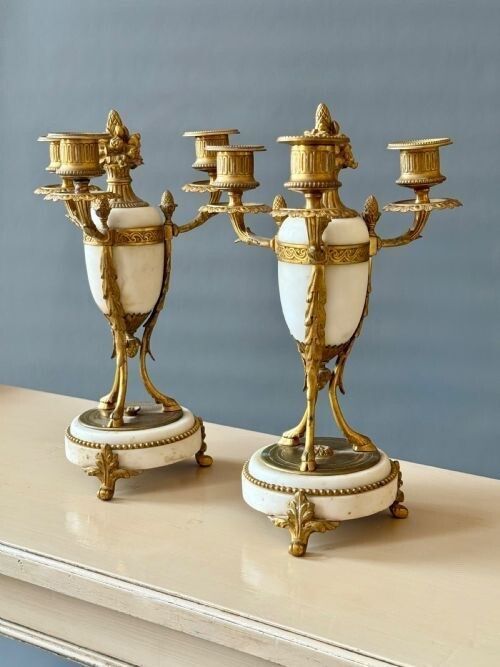
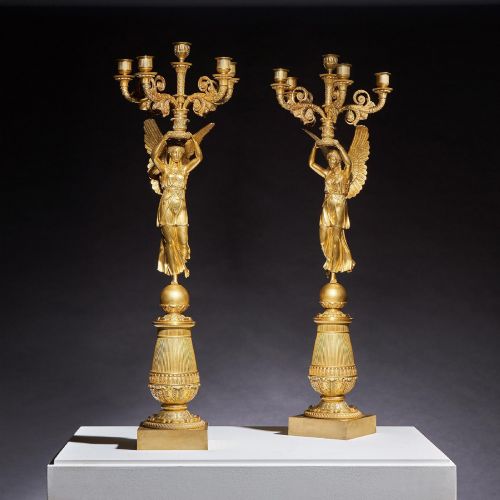
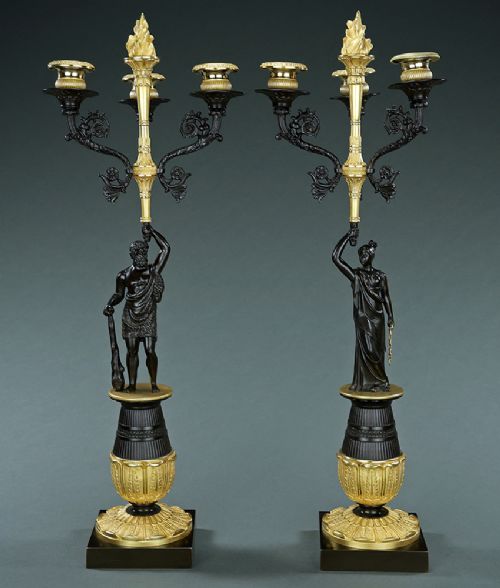
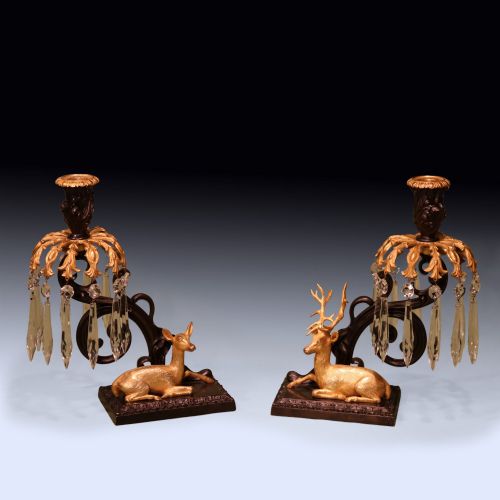
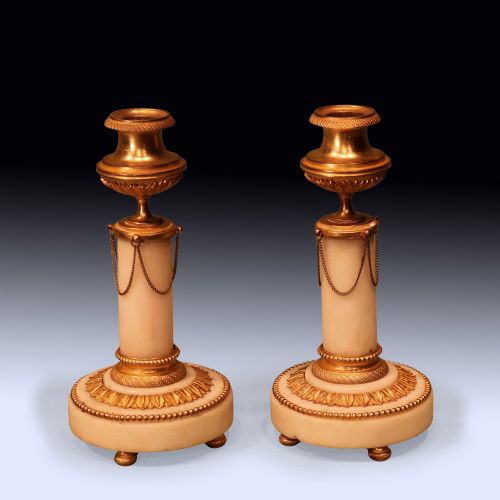
The forms range from simple single-branch table candlesticks to multi-arm candelabras featuring figural motifs like putti, stags, and classical heroes. Many combine gilt metal with contrasting materials such as white marble, patinated bronze, or cut glass to catch the ambient flicker of candlelight. They originate primarily from continental workshops, with French designs dominating the selection alongside occasional English and Italian variants.
How they were made
The foundational body of these pieces is typically cast in bronze or brass using the lost-wax method or sand casting, which allowed makers to achieve intricate sculptural details. Once cast, the metal components were chased by hand using small chisels and punches to sharpen surface textures, hair, and drapery before application of the finish. Gilt bronze, or ormolu, was achieved through an amalgam of mercury and gold heated onto the surface, creating a rich golden lustre.
Many designs integrate secondary materials such as carved white marble bases, patinated dark bronze elements, or inset champleve enamel panels to create visual depth. Natural stone components were turned on lathes and polished, then pinned mechanically to the cast metal mounts using threaded rods and screws.
Materials recorded on this page include gilt bronze, ormolu, patinated bronze, white marble, brass, and cut glass.
What varies in quality
Weight and structural assembly further define tier; higher-grade pieces employ heavy gauge bronze castings that fit together seamlessly without wobble or visible gaps at the joints. The integration of high-grade supplementary materials, such as fluorspar, fine white marble, or hand-cut crystal drops, elevates a standard lighting accessory into a decorative work of art.
Francois Redmond·Pierre Philippe Thomire·Rabiat·Galle
The Gold Ormolu Light Holder Glossary
- Ormolu
- Finely chopped gold amalgamated with mercury and applied to a bronze base through heat, leaving a durable metallic coating. This historic technique creates the characteristic matte and burnished golden finish seen on antique mounts.
- Candelabra
- A branched candlestick designed to hold multiple candles simultaneously from a single central stem. These often feature removable arms to allow conversion into simple single candlesticks.
- Patinated Bronze
- Bronze that has been chemically treated or left to age naturally, resulting in a dark brown, green, or black surface finish. This dark tone provides contrast against bright ormolu highlights.
- Applique
- A decorative wall-mounted light fixture, also known as a sconce, designed to project illumination outward from a vertical surface. They frequently mirror the motifs of matching table candelabras.
- Champleve
- An enamelling technique where troughs or cells are hollowed out of the metal surface and filled with vitreous paste before firing. The resulting coloured patterns add intricate geometric or floral detail to the bronze body.
Gold Ormolu Light Holder: Frequently Asked Questions
Can these antique holders still be used for candles?
Most antique candelabras and candlesticks accommodate standard taper candles, though interior sockets may require minor adjustment depending on the era. Ensure candles fit securely to prevent dripping wax onto the metal or surrounding surfaces.
Because many vintage pieces feature delicate arms or historical wax residue, monitor burning candles closely. Many collectors prefer using beeswax tapers to minimise smoke and dripping.
What is the difference between ormolu and gilt brass?
Ormolu specifically refers to mercury-gilded bronze from the eighteenth and nineteenth centuries, producing a deep, luminous golden tone. The technique involves a hazardous amalgam process that was largely discontinued due to health regulations.
Gilt brass is a lighter alloy treated with gold paint, electroplating, or modern leafing rather than historic mercury amalgamation. It generally feels lighter in the hand and lacks the subtle textural depth of true ormolu.
How do I identify a French Empire style piece?
French Empire pieces draw heavily on ancient Roman, Greek, and Egyptian motifs, featuring symmetrical designs, military trophies, sphinxes, and classical foliage. The metalwork often pairs bright polished ormolu with dark patinated bronze to create stark visual contrast.
These items typically date from the late eighteenth to the mid-nineteenth century and reflect the neoclassical tastes popular during the Napoleonic era.