

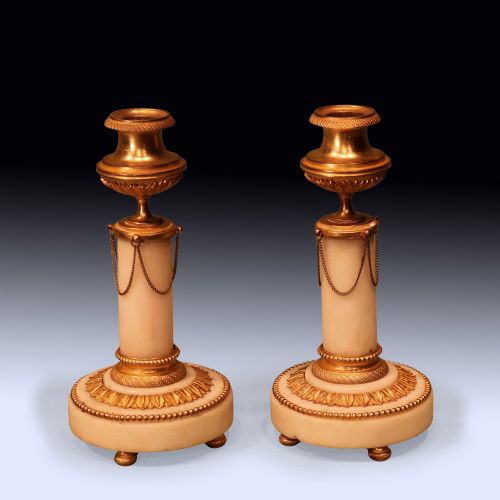


Neoclassical Bronze Candle Holders
Neoclassical bronze candle holders bring classical proportion and refined metalwork into interiors, ranging from simple desk sticks to multi-arm candelabra.
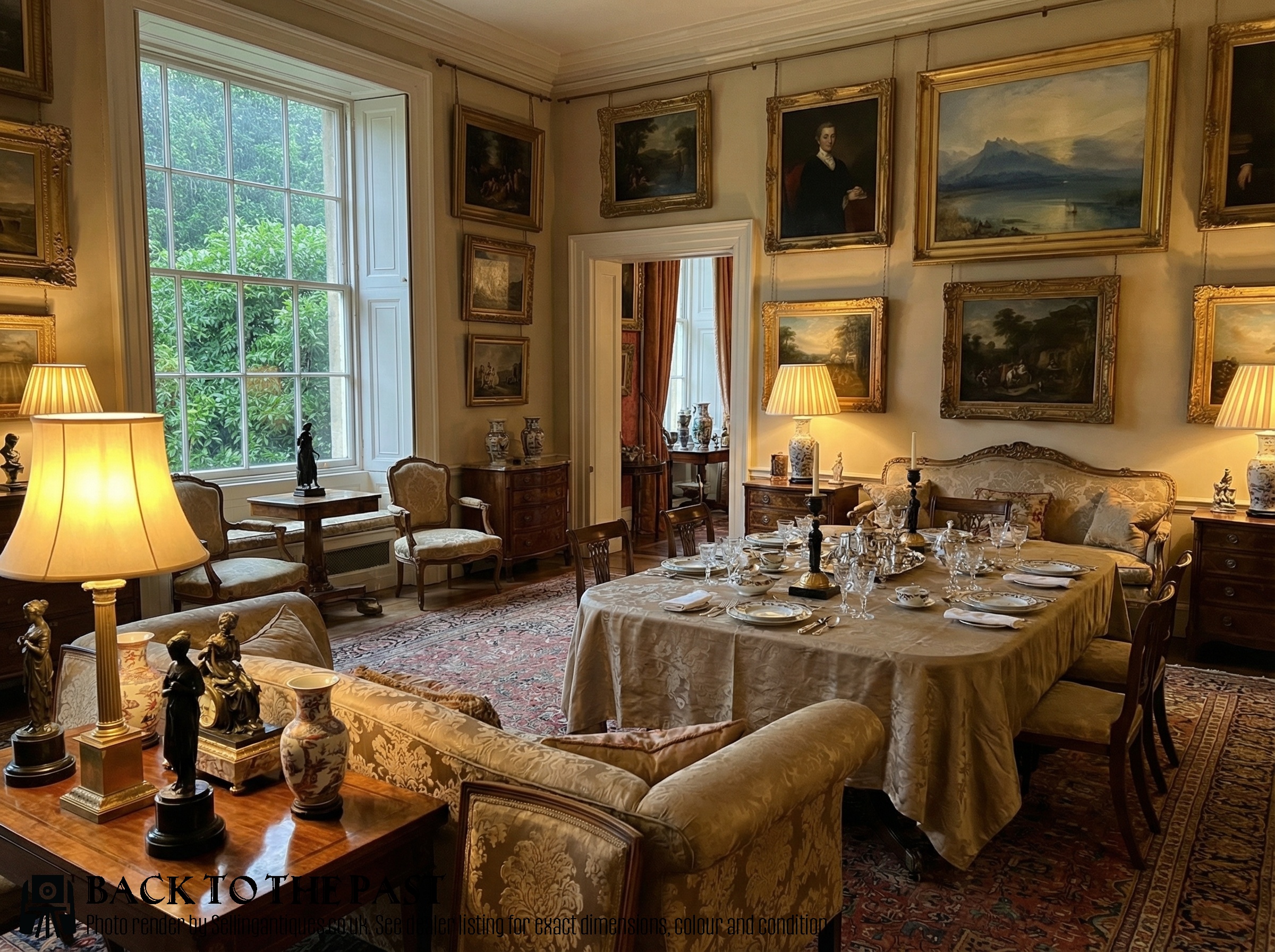
Neoclassical Bronze Candle Holders
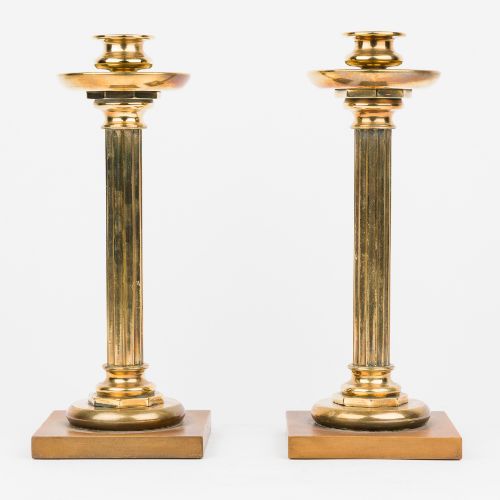
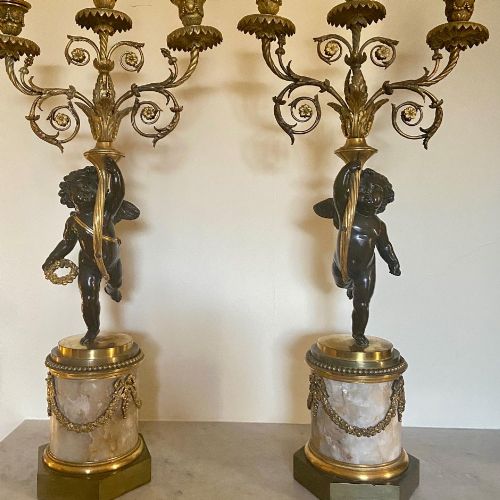
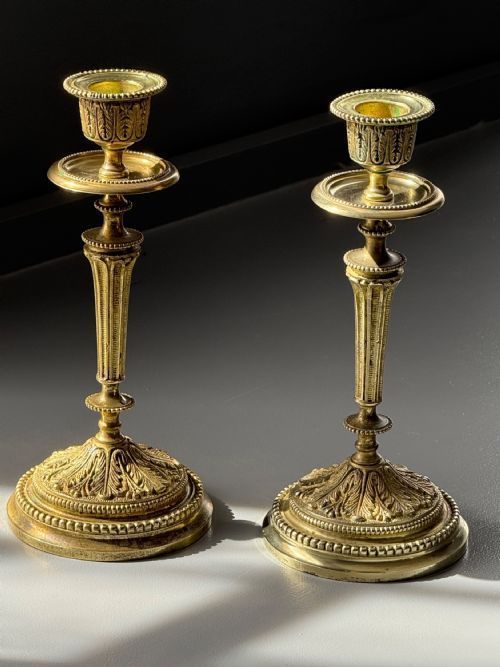
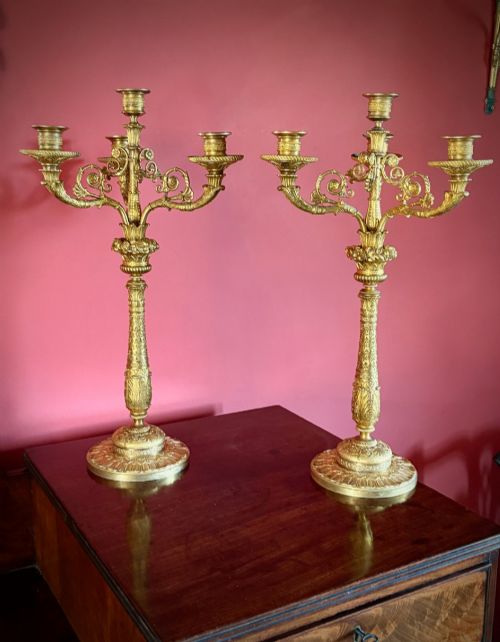
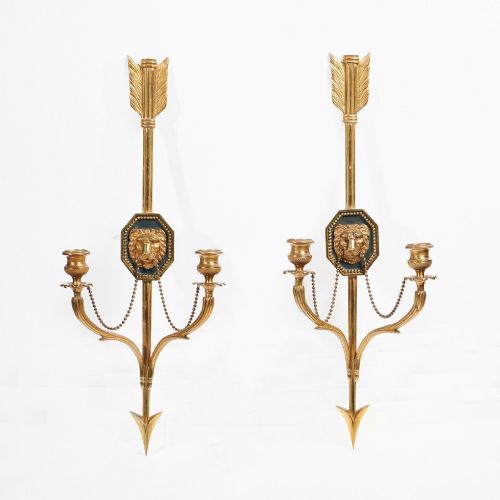
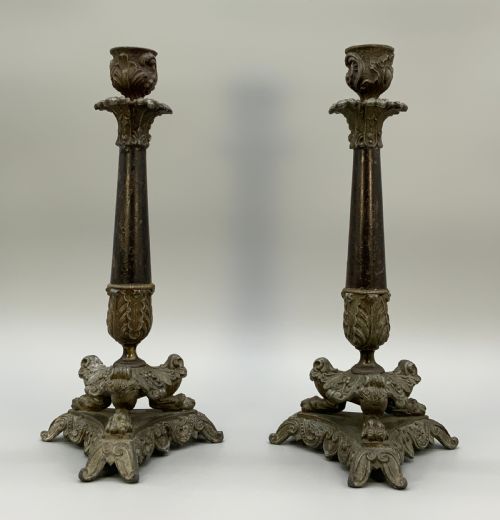
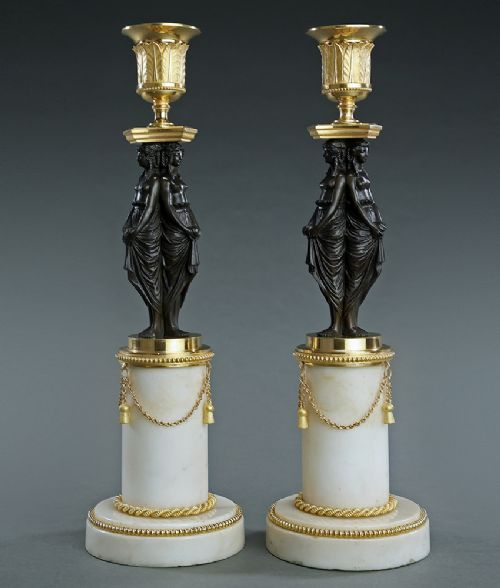
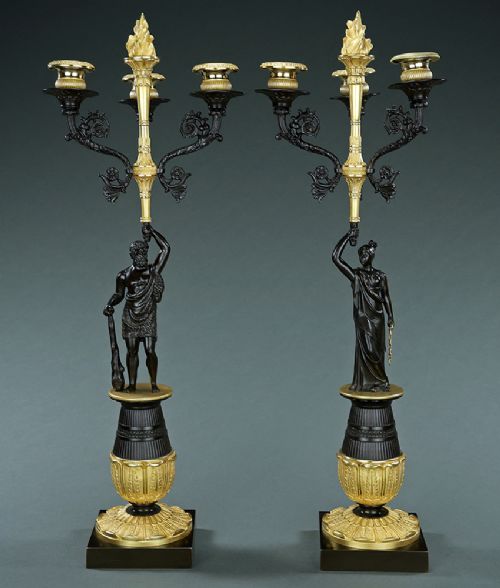
When you search for neoclassical bronze candle holders, you encounter items designed to illuminate rooms while referencing ancient Greek and Roman architecture and motifs. These objects appear in forms such as candlesticks, multi-arm candelabra, wall sconces, and figural groups incorporating figures like putti, caryatids, and mythological subjects.
The selections available span from the late eighteenth century through the nineteenth century, encompassing Louis XVI, French Empire, Regency, and Swedish Empire styles, alongside later revivals. You are most likely to meet pairs of cast bronze and ormolu candlesticks or candelabra resting on marble plinths, reflecting the grand tour tastes of the period.
Materials and Techniques
Maker workshops utilised copper alloys, casting bronze through traditional methods before applying patination or mercury gilding to produce ormolu finishes. The contrast between dark patinated bronze and bright gilt bronze defines much of the surface work seen across these items.
Many examples incorporate secondary materials such as white marble, sienna marble, and slate bases, while some pieces integrate glass, enamel, or fluorspar details. Surface chasing and carving refined the cast metal details before assembly into final lighting fixtures.
Current listings feature items from the eighteenth, nineteenth, and early twentieth centuries, spanning Regency, Art Deco, and revival styles.
Craftsmanship and Detail
The distinction between standard production and exceptional work rests on the crispness of the metal chasing and the depth of the mercury gilding. Superior examples exhibit fine anatomical detail in figural elements like putti or caryatids and precise joins between bronze components and marble bases.
Artisans who signed their work or followed established models by designers such as Claude Clodion, François Redmond, or Humphrey Hopper produced pieces with superior architectural balance and weight, whereas lesser items rely on simpler cast metal construction and uniform patination.
Dugourc·Humphrey Hopper·Rabiat·Galle·Claude Clodion·Ferdinand Barbedienne
The Neoclassical Bronze Candle Holders Glossary
- Ormolu
- Gilt bronze produced by applying a mercury and gold amalgam to a bronze base and firing it to drive off the mercury. This technique creates a durable golden surface characteristic of French Empire and Louis XVI decorative arts.
- Candelabra
- A branched lighting fixture designed to hold multiple candles simultaneously. These pieces often feature a central shaft flanked by removable or fixed arms.
- Caryatid
- A sculpted female figure serving as an architectural support instead of a column. In candle holders, these figures frequently form the central stem or shaft.
- Grand Tour
- A traditional trip through Europe undertaken by upper-class young men in the eighteenth and nineteenth centuries to study classical art and architecture. Souvenirs from these journeys included small bronzes and marble-mounted objects.
- Clock Garniture
- A set comprising a mantel clock flanked by matching decorative objects such as candelabra or vases. These matched suites unified the decor of nineteenth-century reception rooms.
Neoclassical Bronze Candle Holders: Frequently Asked Questions
How do I distinguish French Empire style from Louis XVI?
Louis XVI pieces draw on classical restraint, featuring straight lines, symmetrical floral motifs, fluted columns, and a lighter decorative palette.
French Empire designs reflect later Napoleonic military and imperial power, displaying heavier proportions, martial trophies, sphinxes, winged figures, and deep contrasting patinas.
Where were these candle holders placed in a historic interior?
Owners positioned them on mantelpieces above fireplaces, often flanking clocks in matching garniture arrangements to reflect candlelight against mirrors.
They also stood upon pier tables, entrance hall consoles, and desks, providing ambient illumination throughout formal reception rooms before the advent of gas and electric lighting.
Why do many bronze holders include marble bases?
Marble bases provided necessary physical weight and stability to support heavy cast bronze shafts and multi-arm candelabra branches.
Mineral plinths in white, sienna, or slate also introduced contrasting colours and textures that complemented the metallic sheen of ormolu and patinated bronze.