



Gold Metal Vase
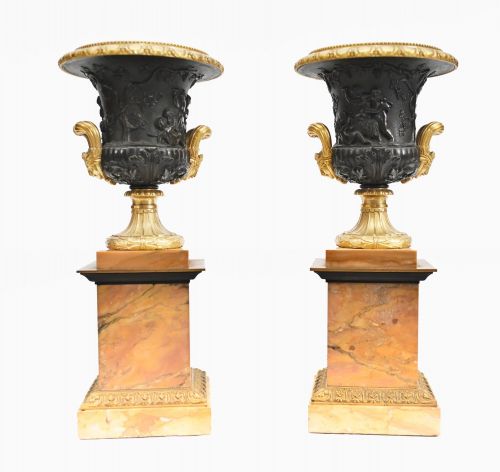
A gold metal vase brings the heavy gleam of bronze, ormolu, and brass into a room.
Gold Metal Vase
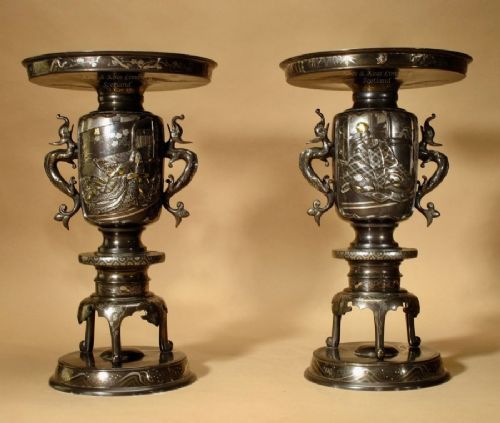
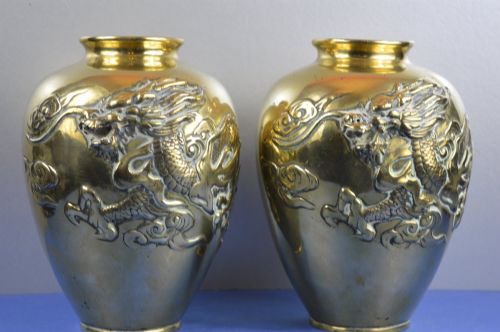
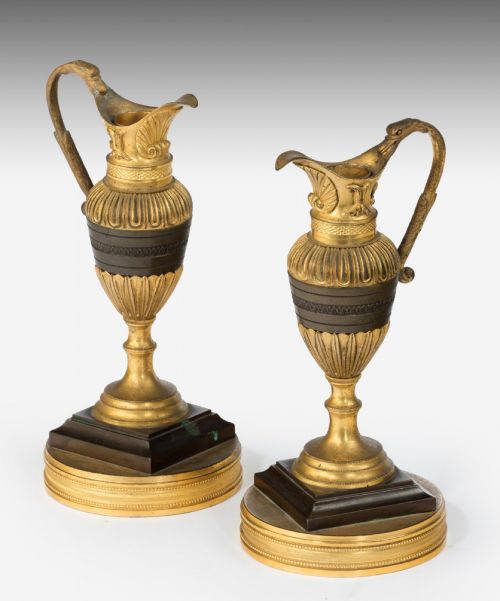
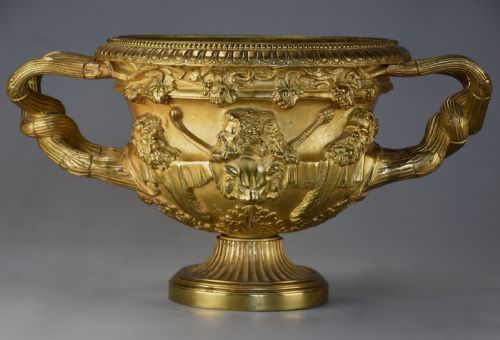
A gold metal vase encompasses a wide variety of cast and worked metal vessels designed for display, from classical revival urns to Japanese bronze pieces. When searching for a gold metal vase, buyers encounter many nineteenth-century French and Chinese examples finished in gilt bronze, brass, or ormolu.
The forms range from campana urns and ewers to wall pockets and heavy dragon vases, reflecting styles like the Grand Tour, Neoclassical, and Art Nouveau. Most pieces date from the nineteenth century or the early twentieth century, carrying distinct regional casting traditions.
How they were made
These vessels rely on casting techniques using bronze, brass, and gilt metals, often enhanced with champlevé enamel or gold inlay. Surface finishes include patinated bronze and fire-gilding, which creates the characteristic rich gold tone seen on ormolu and gilt bronze.
Many items incorporate detailed hand-chiselling and piercing, while others combine metal bodies with hand-painted porcelain or cloisonné work. The construction ranges from heavy five-kilogram dragon vases to delicate wall pockets.
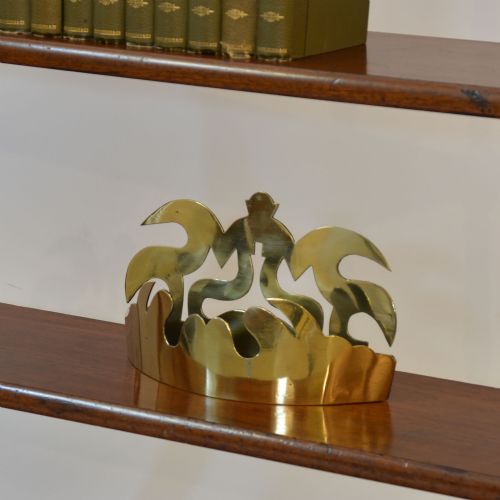
Some nineteenth-century brass wall pockets were shaped to look like tiny crowns, ready to hold stray calling cards by the hallway door.
What varies in quality
Quality rests in the crispness of the cast, the depth of the chasing, and the retention of the original fire-gilding or patination. Finer pieces display sharply defined classical motifs, figures, or dragons without smoothing from later over-cleaning.
The weight of the metal and the integrity of construction, particularly on handles, mounts, and lidded urns, separate standard decorative items from exceptional works associated with makers or specific period workshops.
Charles Korschann·Henry Dasson
The Gold Metal Vase Glossary
- Ormolu
- Finely chopped leaf gold applied to a copper bronze base through a mercury amalgamation process. This technique produces a bright, enduring golden finish characteristic of French decorative pieces.
- Campana
- A bell-shaped classical urn form widely revived during the nineteenth-century Grand Tour. These vessels often feature twin handles and prominent rims.
- Champlevé
- An enamelling technique where troughs or cells are sunk into the metal surface and filled with vitreous paste before firing. It appears frequently on nineteenth-century French lidded vessels.
- Cloisonné
- A method of decorating metalwork objects with coloured material held in place by thin metal strips welded to the vase body. Chinese examples often utilise this technique.
- Toleware
- Painted or enamelled sheet metal items produced in various European centres. These domestic and decorative pieces include nineteenth-century chestnut urns and decorative urns.
Gold Metal Vase: Frequently Asked Questions
What is a gold metal vase?
A gold metal vase is a decorative vessel cast in bronze, brass, or ormolu, often finished with gilding or gold inlay. These pieces span multiple nineteenth and early twentieth-century styles.
They function primarily as ornamental display items rather than practical flower holders.
How do I date a gold metal vase?
Dating relies on stylistic clues, casting methods, and material combinations typical of periods such as the French Empire, Meiji Japan, or the Art Nouveau era. Examining the underside, mounts, and wear patterns helps place the piece within the nineteenth or early twentieth century.
Makers' marks or stamps can occasionally provide a more specific origin.
Where were these vases made?
The pieces originate from major European metalworking centres, notably France and Britain, as well as East Asian workshops in Japan and China. European examples often reflect Grand Tour influences or classical revivals.
Asian pieces showcase traditional bronze casting and mixed metal techniques.
How do I clean a gold metal vase?
Maintenance requires gentle dusting with a soft, dry cloth to protect fragile gilt surfaces, patination, and enamel work. Harsh metal polishes must be avoided, as they strip away historical fire-gilding and ormolu.
Professional conservation is recommended for pieces with significant build-up or tarnishing.