

Oriental Brass Vessel
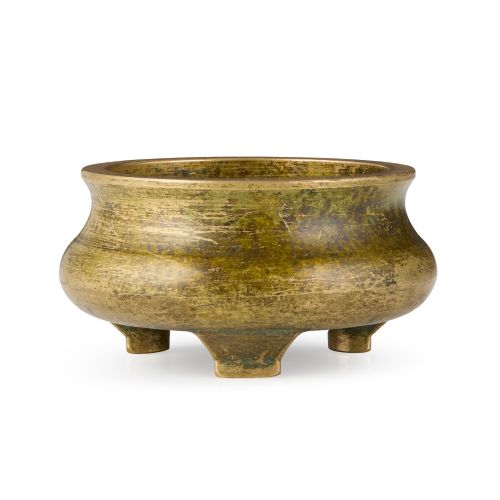
An oriental brass vessel brings domestic ritual and decorative weight to a room, ranging from small censers to large jardinieres.
Oriental Brass Vessel
An oriental brass vessel encompasses functional and decorative metalwork originating from Asian workshops, frequently taking the form of censers, jardinieres, and vases. These objects span multiple centuries, with significant representation from the nineteenth century alongside earlier Qing Dynasty and Meiji period examples.
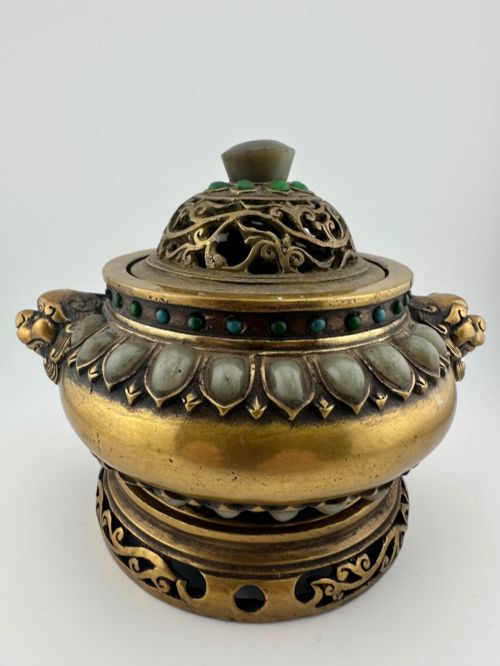
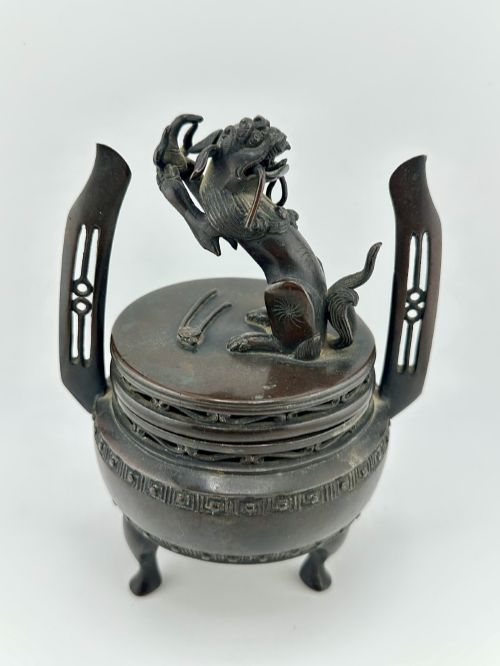
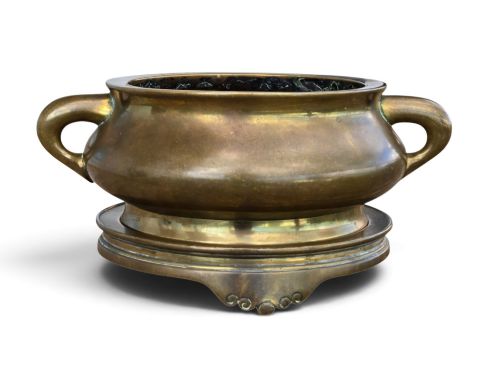
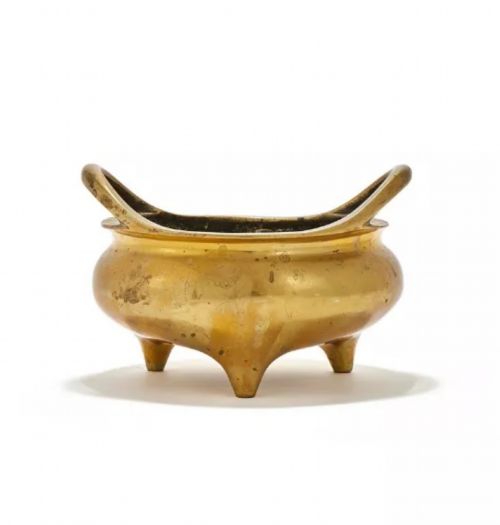
The domestic application of an oriental brass vessel varies by form, moving from ritual incense burners placed in scholar studios to large planters and decorative bowls meant for prominent display. Buyers encounter heavy tripod censers, lidded vessels, and floor or table lamps adapted for modern interiors.
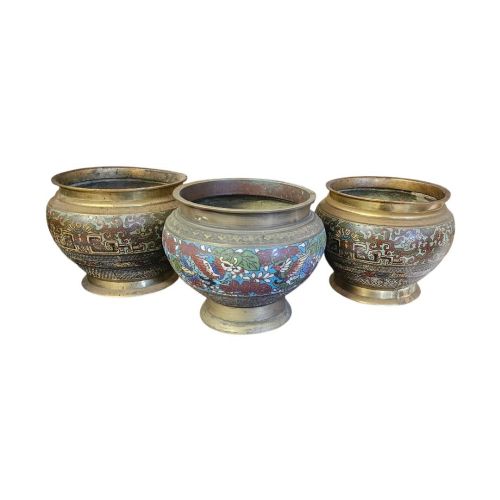
Chinese and Japanese manufacturing traditions dominate this selection, incorporating distinct regional motifs such as dragons, lotus patterns, and Daoist immortals. Pieces appear in solid brass and bronze, often paired with copper, enamel, and hardwood stands.
How they were made
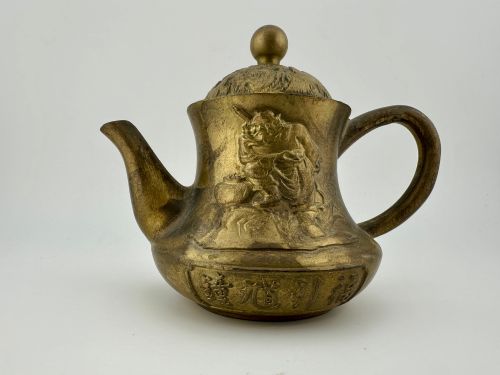
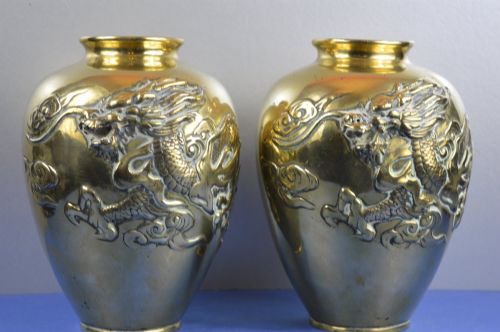
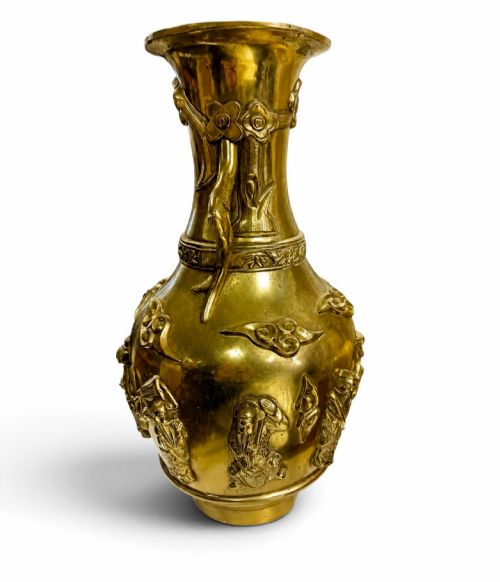
Metalworking techniques rely heavily on casting in bronze and brass, producing substantial items with significant weight such as heavy tripods and baluster vases. Artisans employed high-relief casting methods to articulate intricate figural scenes and animal handles.
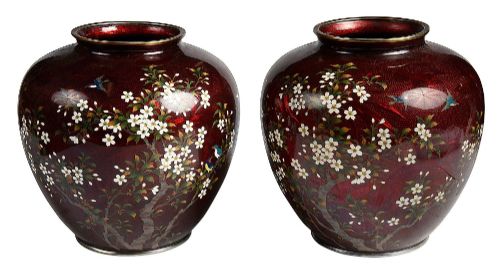
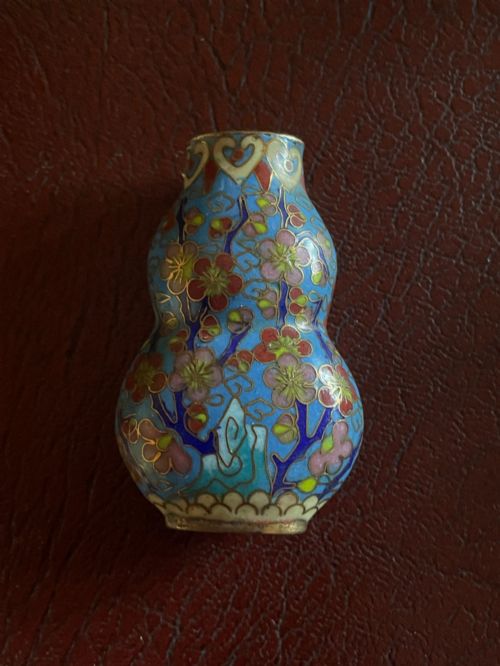
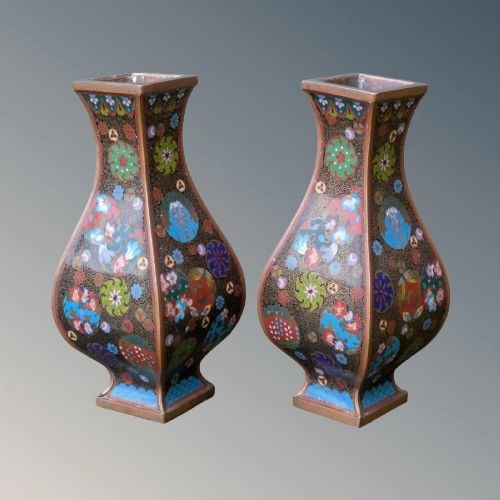
Surface ornamentation frequently integrates cloisonné and champlevé enamel work, embedding coloured glass pastes within soldered wire cells or recessed metal troughs. Gilding and hardstone inlays further enhance the metallic body, particularly on scholar studio pieces and ritual items.
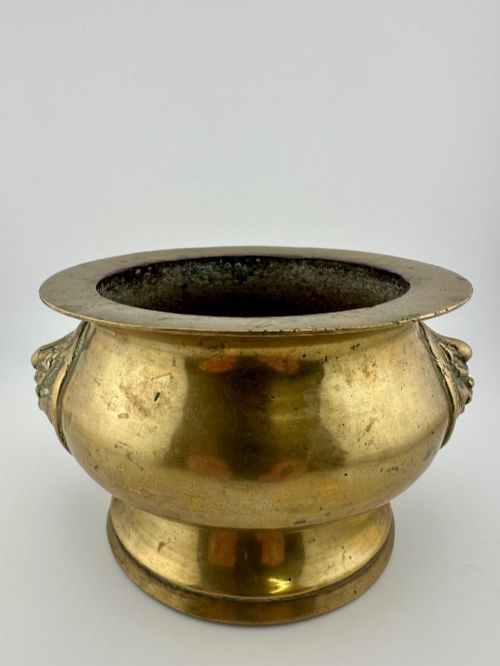
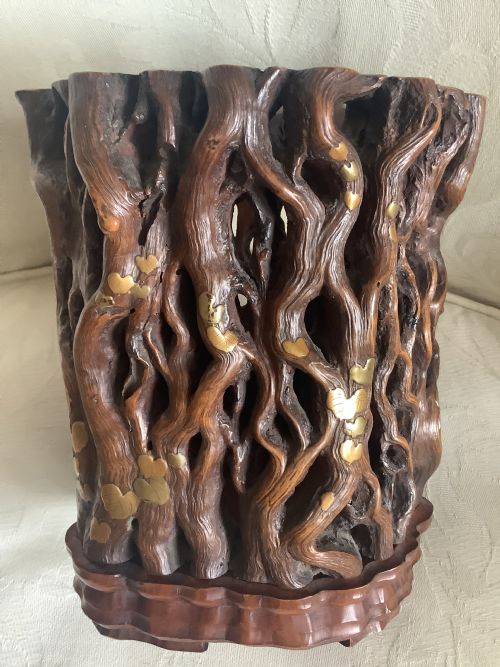
Several pieces feature unexpected sculptural details, including diminutive Qilin finials and lions acting as functional handles.
What varies in quality
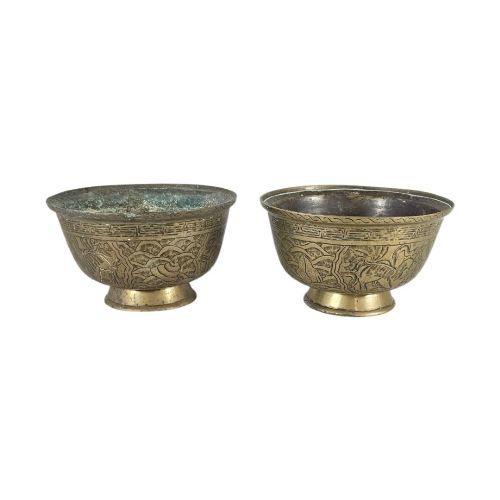
The definition of the chasing and relief work dictates the visual success of the piece, separating crisp depictions of dragons and fauna from softer, less articulated castings. Weight distribution and metal density also indicate manufacturing standards, particularly in large censers and jardiniere bowls.
The precision of the enamel cells and the integration of auxiliary materials like hardwood stands or hardstone inlays contribute to overall execution. Base marks, ranging from Xuande characters to specific workshop signatures, reflect the adherence to historical manufacturing precedents.
The Oriental Brass Vessel Glossary
- Censer
- A vessel designed for burning incense during ritual or domestic practices. These items often feature tripod supports and perforated covers.
- Cloisonné
- An enamel technique where metal wires form raised barriers on a metallic body to contain different coloured pastes before firing.
- Jardiniere
- A large decorative pot or stand used to hold plants or floral arrangements. They frequently appear in heavy bronze or brass.
- Champlevé
- An enamelling method where troughs are hollowed out of the metal surface to receive vitreous enamel prior to firing.
- Archaistic
- A design style that deliberately mimics the forms and decorative motifs of ancient ritual bronzes from earlier dynasties.
Oriental Brass Vessel: Frequently Asked Questions
How were oriental brass vessels used originally?
Many of these vessels served practical and ritual functions within domestic spaces or scholar studios, primarily for burning incense, holding water, or displaying plants.
Larger bowls and jardinieres accommodated botanical displays, while lidded items contained aromatic resins for ceremonies.
What materials are common in these vessels?
Makers utilised a range of copper alloys, predominantly brass and bronze, often combining them with decorative elements like champlevé enamel or cloisonné.
Additional components include hardwood stands, hardstone inlays, and gilt bronze highlights that elevate the primary metal structure.
How do I care for antique brass and bronze?
Preserving the surface requires minimal intervention to maintain the natural patina developed over decades or centuries. Gentle dusting with a dry cloth prevents the accumulation of particulate matter without stripping historic finishes.
Harsh chemical polishes should be avoided entirely, as they remove patination that collectors value on older metalwork.
How can I tell the period of a piece?
Dating relies on observing manufacturing techniques, material composition, and stylistic markers associated with specific dynasties or eras like the Qing Dynasty or Meiji period.
Base marks and cast signatures also provide reference points, though stylistic consistency across the body remains a primary indicator.