




Gold Leaf Wooden Panel
These gold leaf wooden panel pieces combine carved timber with precious metal leaf to bring historic texture and warmth into a room.
Gold Leaf Wooden Panel
When you search for a gold leaf wooden panel, you are looking at diverse decorative works that range from architectural fragments and folding screens to framed religious icons and temple carvings. These objects draw on traditions spanning European revival styles, Russian Orthodox iconography, and Chinese craftsmanship.
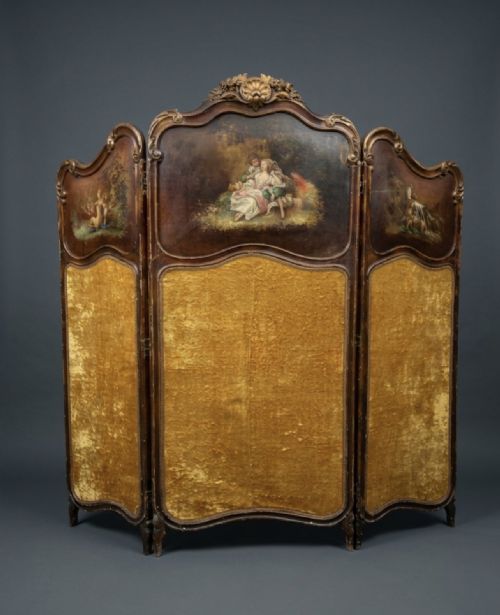
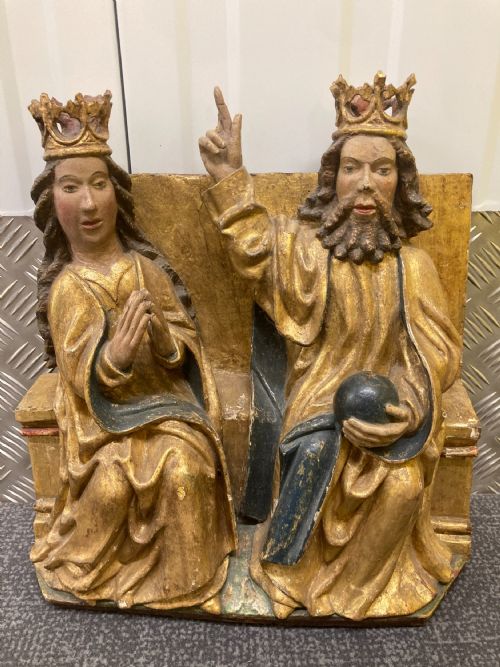
The most common examples you will encounter on this page include carved wooden panels, wall plaques, and painted wooden bindings originating from the nineteenth century, alongside older religious groupings and icons. Their forms vary from flat architectural pieces intended for walls to intricate three-dimensional temple carvings and folding screens.
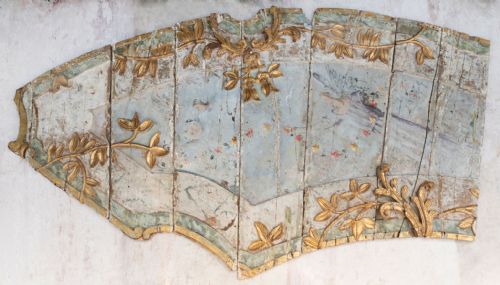
Makers and artists represented across these listings include historical figures such as Icilio Federico Joni, whose painted wood tavolette works reflect the Sienese Biccherna aesthetic. Other pieces emerge from the Mughal school or traditional Chinese workshops, showing how different cultures applied gilding and paint to timber.
Materials and construction methods
Makers constructed these panels using various woods, including softwoods and hardwoods, often preparing the timber base with gesso before applying fine sheets of gold leaf. Painters then added tempera or gouache details directly onto the prepared surfaces, creating layered compositions that combined metallic brilliance with pigment.
Carving techniques required skilled hands to shape the wood into high relief before gilding, whether creating Chinese temple panels or European architectural elements. Artisans also utilised lacquer and metal accents to enhance the depth and durability of the finished decorative panels.
Listings feature items from the 16th century through the 19th century, utilising wood, gold leaf, tempera, and lacquer.
Distinctions in quality and execution
The standard of a gold leaf wooden panel depends heavily on the precision of the initial wood carving and the finesse of the gilding application. Finer examples display crisp detail in relief work and harmonious integration between the gold leaf and the painted tempera elements.
Age and provenance further elevate certain pieces, particularly where identifiable master hands like Icilio Federico Joni created works within specific historical aesthetics. The preservation of the original gold leaf and polychrome pigments also dictates the visual impact of each panel.
Icilio Federico Joni
The Gold Leaf Wooden Panel Glossary
- Gold Leaf
- Extremely thin sheets of beaten gold applied to prepared wooden surfaces. This technique creates a luminous, reflective finish characteristic of gilded panels and icons.
- Tempera
- A permanent, fast-drying painting medium consisting of coloured pigment mixed with a water-binder, frequently egg yolk. Artisans utilised tempera for detailed work on wood panels and book covers.
- Polychrome
- The practice of decorating architectural elements, sculptures, or wood panels in a variety of bright colours. It often appears alongside gilding on religious carvings and icons.
- Giltwood
- Wood that has been coated with a thin layer of gold leaf or powder. This finish protects the timber while providing a rich decorative sheen.
- Icon
- A devotional painting of Christ, saints, or religious scenes, typically executed on wood panels within Eastern Christian traditions. These sacred objects often feature elaborate metal and gold leaf backgrounds.
Gold Leaf Wooden Panel: Frequently Asked Questions
What is a gold leaf wooden panel?
A gold leaf wooden panel is a decorative or religious object made from timber and embellished with beaten gold leaf. These pieces include wall plaques, architectural fragments, and framed icons from various centuries.
They serve as visual statements in interior spaces, combining the warmth of carved wood with the reflective quality of gold.
How were these panels used historically?
Historically, these panels served multiple functions depending on their cultural origins. Some formed parts of religious altars or acted as portable icons for devotion.
Others functioned as decorative wall plaques, architectural elements in temples, or components of folding screens within domestic interiors.
How do I care for a gilded wooden panel?
Care requires keeping the panel away from direct sunlight, excessive moisture, and fluctuating temperatures that might cause the wood to warp. Dust the surface gently with a soft, dry brush.
Avoid using liquid cleaners or chemical polishes, as these can damage the delicate gold leaf and underlying paint layers.
How can I tell the age of a wood panel?
Dating relies on examining the type of wood, the preparation layers beneath the gilding, and the tool marks left by the maker. Stylistic clues in the carving and painting also point to specific periods like the nineteenth century or earlier.
Comparing construction methods with documented historical examples helps confirm the era of origin.