



Rococo Painted Wood Panel
These rococo painted wood panel pieces bring flowing eighteenth-century style and layered pigment to a room, offering rich visual texture for an interior.
Rococo Painted Wood Panel
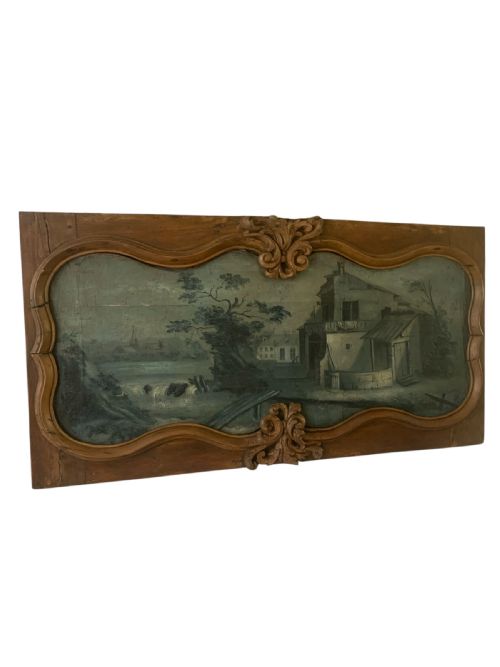
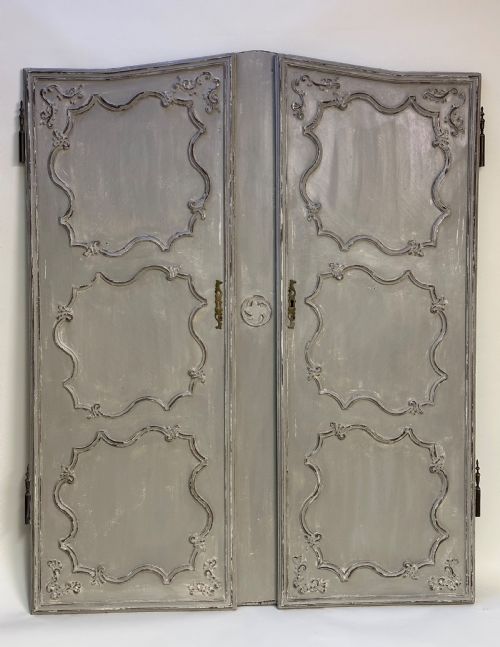
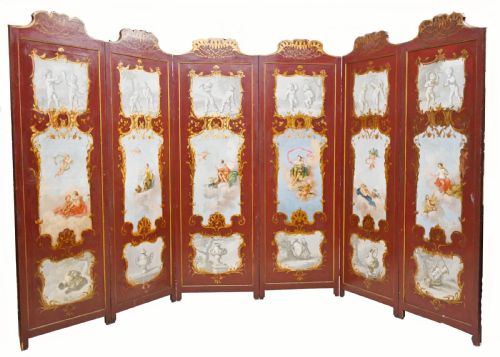
When you search for rococo painted wood panel items, you are looking at architectural fragments, wall panels, folding screens, and decorative furnishings shaped by ornate revival tastes. The selection spans structural elements like boiserie panels and overdoor paintings alongside functional items such as cabinets and screens.
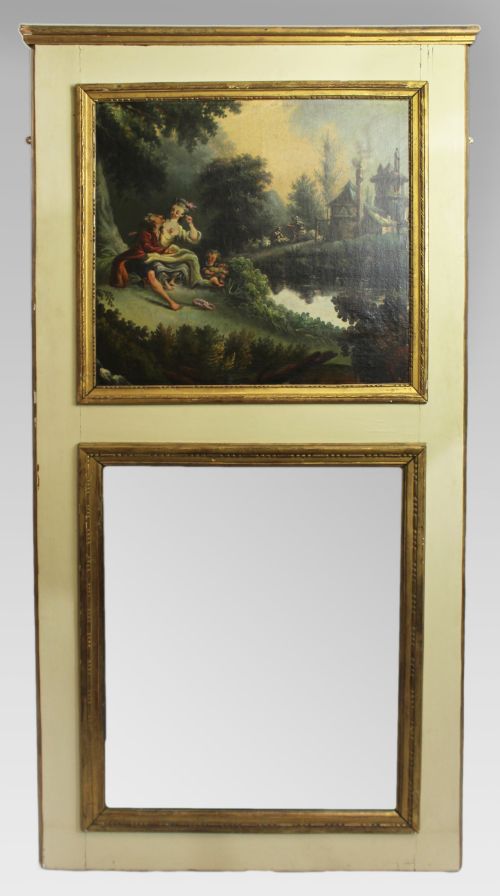
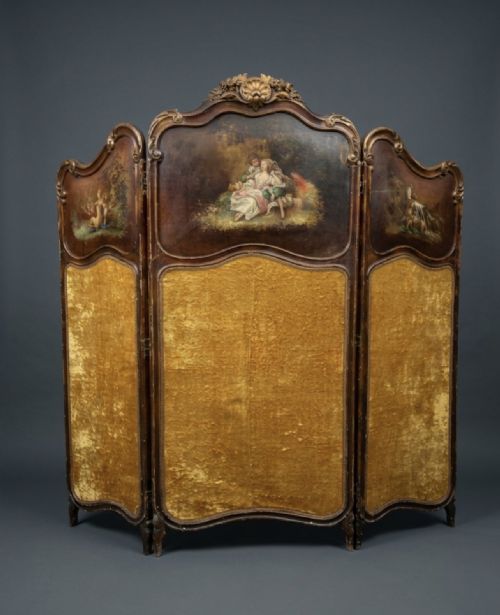
You are most likely to meet nineteenth-century French and Italian revival pieces on this page, alongside earlier eighteenth-century examples. Forms range from tall trumeau mirrors and modesty screens to architectural panels and carved doors.
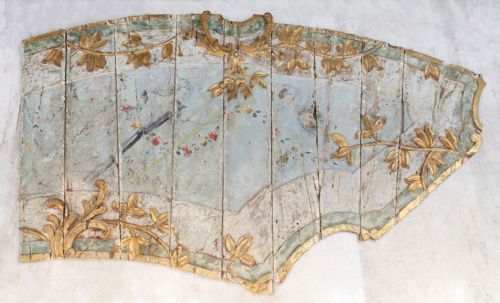
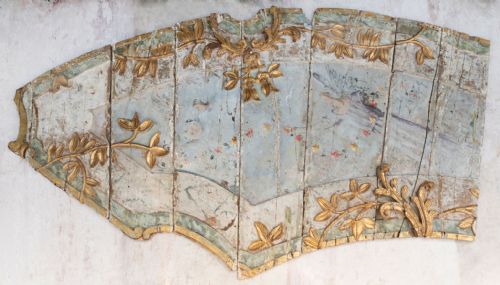
These items originate primarily from French and Italian workshops, reflecting the enduring appeal of rococo design across different decades. Each object combines carved woodwork with applied paint, gold leaf, or oil painting.
How they were made
Maker's hands built these objects using wood as a primary substrate, often enhancing the carved surfaces with gesso to create raised decorative motifs. Gold leaf was frequently applied to highlight specific structural details and architectural flourishes.
Painters utilised oil paint to render pastoral scenes, decorative motifs, and pictorial subjects directly onto the wooden panels. Woods such as rosewood and kingwood appear alongside painted surfaces in cabinetry and screens.
Current listings feature materials including wood, paint, gesso, brass, oil paint, gold leaf, and gilded wood.
What varies in quality
The sophistication of the carved woodwork and the finesse of the painted surface separate the finer examples from standard production. Painted panels featuring detailed pastoral or figural oil paintings command greater visual interest than plain decorative surfaces.
The integration of materials, such as the application of gold leaf and gesso over carved wood, dictates the overall refinement of each piece. Surviving architectural fragments and complete panels show varying degrees of original decorative integrity.
The Rococo Painted Wood Panel Glossary
- Boiserie
- French wood panelling used to decorate interior walls. This term describes carved and panelled room elements.
- Trumeau
- A decorative wall mirror or panel placed between windows or above a fireplace. These often incorporate an oil painting within the upper section.
- Gesso
- A plaster mix applied to wood as a base for paint or gold leaf. It provides a smooth surface for detailed carving.
- Vernis Martin
- A type of simulated Japanese lacquer developed in France during the eighteenth century. It involves layers of varnish applied over painted surfaces.
- Bergere
- An enclosed upholstered armchair with wooden framing. These pieces frequently feature exposed painted or carved wood elements.
Rococo Painted Wood Panel: Frequently Asked Questions
What is a rococo painted wood panel?
A rococo painted wood panel is a decorative architectural or furniture element featuring curved lines and painted scenes. These items derive from French and Italian design traditions.
They serve as wall panels, folding screens, and decorative doors within an interior scheme.
How were these panels used historically?
Historically, these panels decorated the walls of formal rooms or served as functional room dividers and screens. Architectural panels were built directly into interiors to frame spaces.
Smaller painted panels were integrated into cabinetry and mirrors to add colour and narrative detail.
How do I live with a painted panel?
Living with these pieces involves placing them in environments protected from direct sunlight and extreme humidity changes. Wall panels and screens can function as focal points in a drawing room or hallway.
Care should be taken to preserve the delicate painted surfaces and gilded details.
How can I tell periods apart?
Distinguishing periods relies on examining the construction techniques, the ageing of the wood, and the style of the paintwork. Eighteenth-century examples show different surface patination compared to nineteenth-century revival pieces.
The complexity of the carving and the medium of the paint help establish the date of creation.