
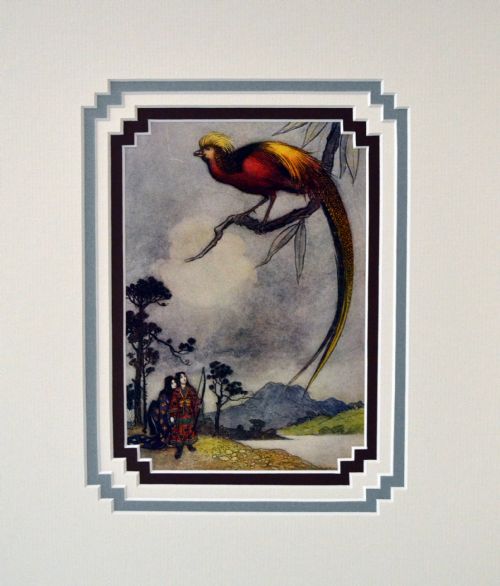


Antique Polychrome Wall Art
These antique polychrome wall art pieces bring together centuries of painted, carved and glazed surfaces ready to hang.
Antique Polychrome Wall Art
When you search for antique polychrome wall art, you encounter a diverse group of objects designed for display on vertical surfaces rather than standard framed canvases. The tradition spans centuries of craft, encompassing everything from carved wooden panels and ceramic dishes to detailed enamel plaques and reverse glass prints.
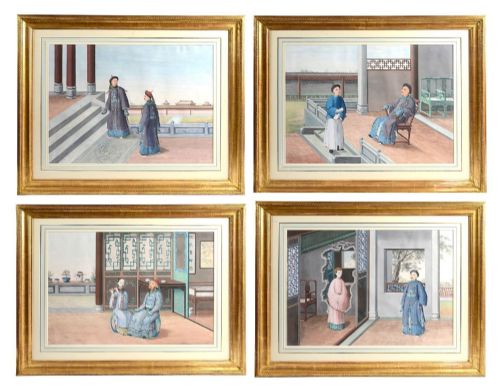
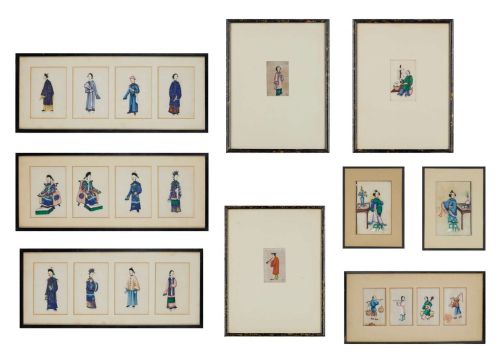
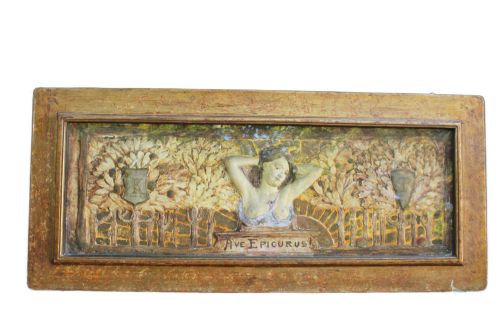
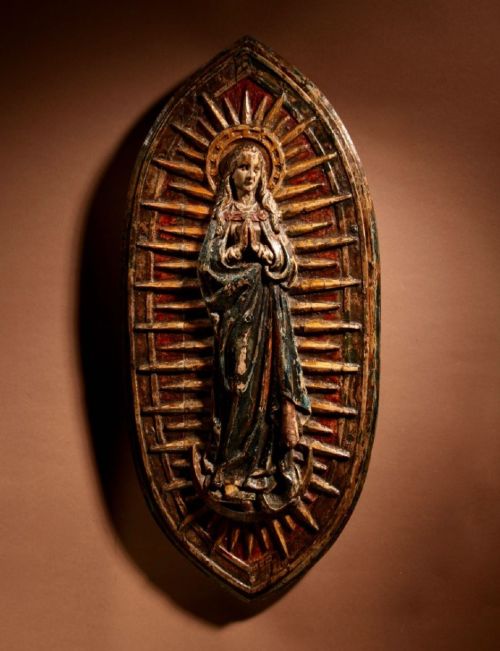
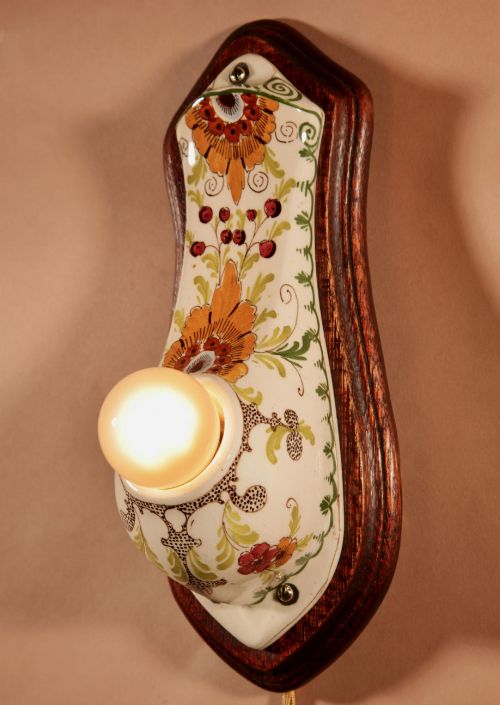
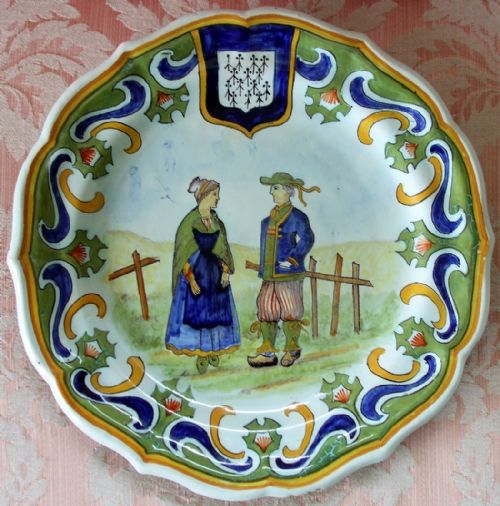
The versions most commonly met on this page include Chinese pith paintings, carved wooden panels, European faience dishes, and enamel wall plaques. These works cross multiple periods, drawing on styles such as Qing Dynasty, Folk Art, Art Nouveau, and Georgian design.
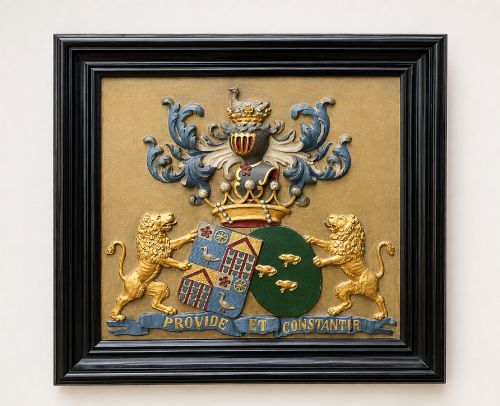
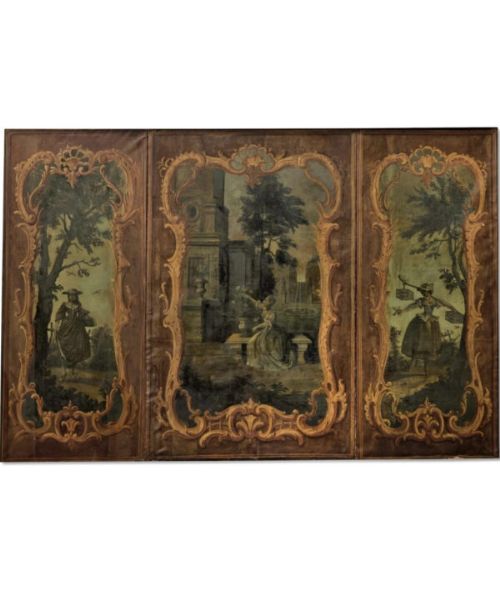
Makers utilised various techniques to bring colour to wood, ceramic, glass, and metal, resulting in decorative objects that functioned as focal points in domestic interiors. Such pieces range from devotional art and heraldic marriage plaques to vibrant fairground panels and botanical engravings.
Materials and construction methods
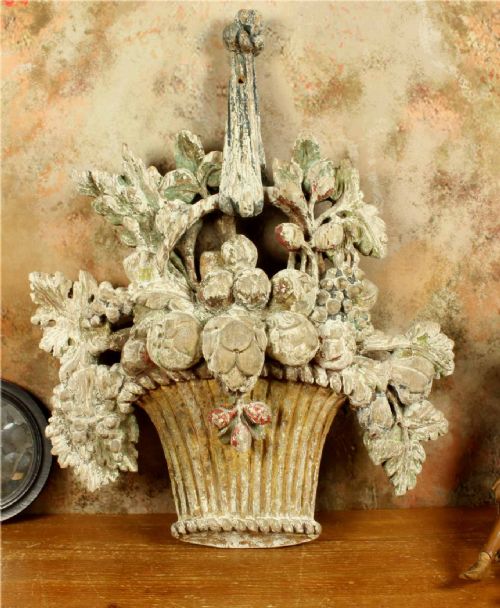
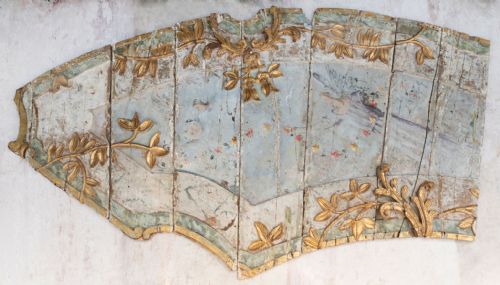
Makers relied heavily on natural materials like wood, glass, paper, and earthenware, combining them with hand-applied paint, enamel, and gilt to achieve rich colour palettes. Wood carvers shaped panels and reliefs from oak and other timbers, while ceramic artists utilised faience, earthenware, and porcelain glazes fired at high temperatures.
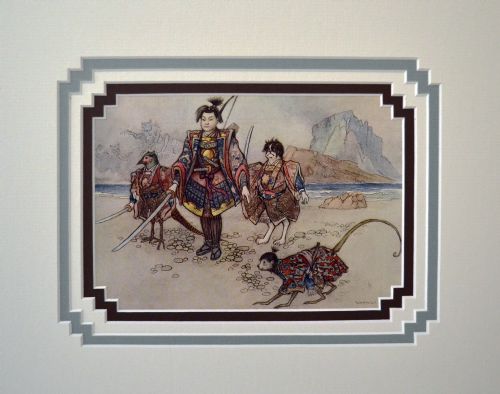
On paper and silk, artists applied watercolours and inks, occasionally mounting works within original frames or behind glass to protect delicate pigments. Enamel workers fused powdered glass to metal bases, creating glossy surfaces that retained their vivid polychrome hues over centuries.
Fairground panels and risqué coat hooks prove that historic wall decoration possessed a delightfully playful sense of humour.
Judging the quality of these works
Quality rests primarily on the fineness of the hand execution and the preservation of the original pigments across wood, ceramic, or enamel surfaces. Pieces displaying crisp, deeply articulated carving or precise brushwork stand apart from simpler vernacular production.
The survival of original surfaces without extensive modern repainting dictates the standing of an object. Integrated original framing, clear maker attribution, and strong colour saturation further separate standard decorative items from superior examples.
The Antique Polychrome Wall Art Glossary
- Polychrome
- Decorated in several colours. This term describes objects featuring multi-coloured paint, glaze, or enamel work rather than monochrome finishes.
- Pith painting
- Watercolour painted on a paper-like material made from the pith of the Tetrapanax papyrifer plant. These delicate works were produced in 19th-century China for export.
- Faience
- Tin-glazed earthenware produced in Europe, particularly France and the Netherlands. The technique allows for bright painted designs applied over a white background glaze.
- Enamel
- A glassy substance fused to metal through firing to provide a smooth, coloured decoration. Limoges and Staffordshire workers utilised this method for durable wall plaques.
- Relief
- Sculpture where the figures project from a flat background. Carved wooden and plaster examples provide dimensional wall decoration.
Antique Polychrome Wall Art: Frequently Asked Questions
What materials make up these wall art pieces?
Makers used wood, glass, paper, enamel, ceramic, and earthenware as foundations for their coloured designs. Paint and gilt added the characteristic multi-coloured surfaces seen across the periods.
These materials appear in various forms, from carved wooden panels and ceramic chargers to delicate watercolours on pith and glass prints.
How did people display these objects historically?
Many of these pieces were hung directly on interior walls to provide focal points, devotion, or decorative colour within domestic and public spaces. Items ranged from framed prints and devotional reliefs to fairground panels and decorative plates.
Heavier wooden carvings and ceramic chargers utilised specialised wall mountings, while lighter watercolours and paper prints sat behind glass in protective frames.
How do I care for antique polychrome items?
Protect delicate painted, paper, and wooden surfaces from direct sunlight to prevent fading of the original pigments. Keep them away from damp environments to safeguard organic materials and glazes.
Dust gently with a dry, soft cloth and avoid chemical cleaners that might strip the historic paint or enamel layers.
How can I tell different periods apart?
Stylistic markers such as Art Nouveau curves, Qing Dynasty motifs, or Georgian framing help anchor pieces to specific eras. Material preparation and pigment types also shift across centuries, moving from early hand-coloured engravings to later industrial fairground panels.
Examining the reverse of panels, the backing materials, and any framing methods provides further clues to the date of manufacture.