
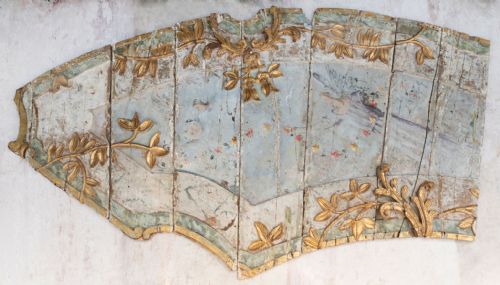


Italian Painted Panel
When you handle an italian painted panel, you hold centuries of religious devotion, domestic adornment, and narrative skill rendered in oil and gold leaf on timber.
Italian Painted Panel
An italian painted panel encompasses wall art, architectural fragments, and functional furniture elements originating from workshops across the peninsula. These objects range from 16th-century religious masterworks to 19th-century provincial artefacts and folk art objects.
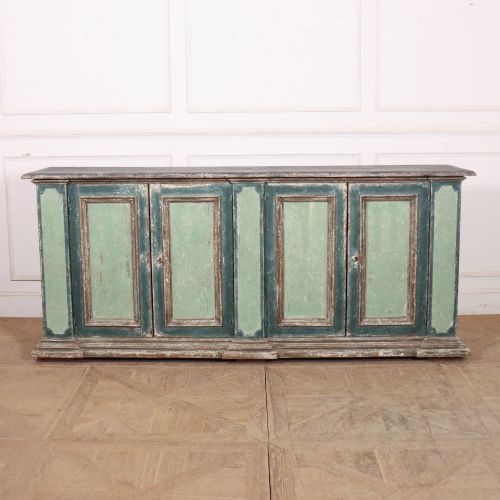
The materials span oil paint, gesso, gold leaf, and various woods including fruitwood and oak. Surviving examples frequently take the form of wall reliefs, cabinet doors, cart fragments, and devotional paintings on board.
Buyers encounter items bearing distinct stylistic influences, such as Renaissance Revival, Italian Baroque, and Italian Rococo. The selection reflects both formal academic traditions and regional vernacular expressions.
How they were made
Craftsmen prepared wooden supports with layers of gesso to create a smooth, stable surface for subsequent pigment application. Artists then utilised oil paint and gold leaf to build rich, luminous compositions.
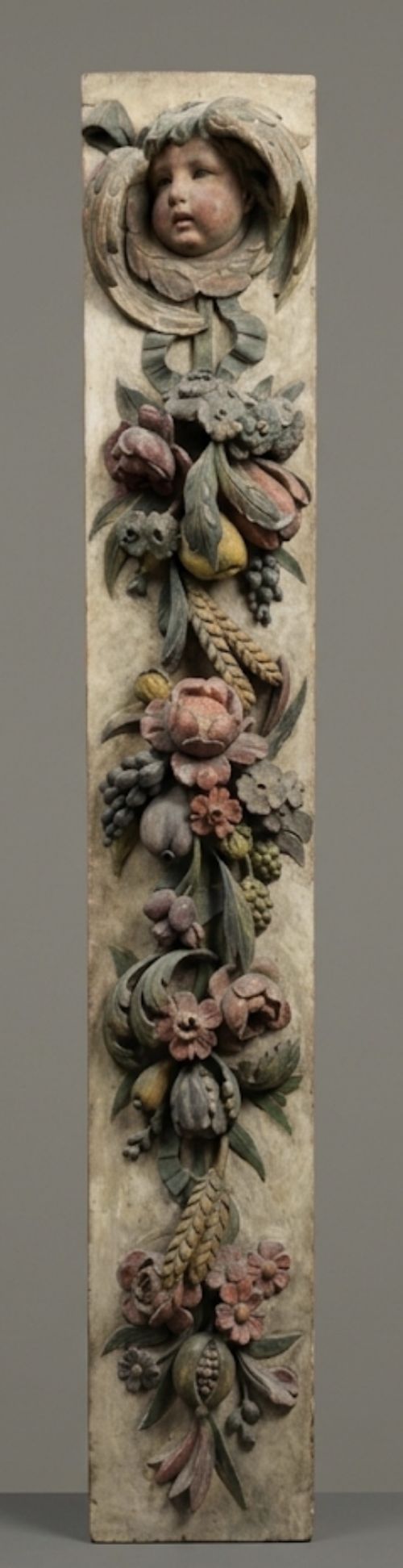
Carvers shaped wood panels and architectural fragments using traditional hand tools, often incorporating polychrome finishes. Joinery methods varied according to the object's function, from structural cabinet panels to thinner decorative boards.
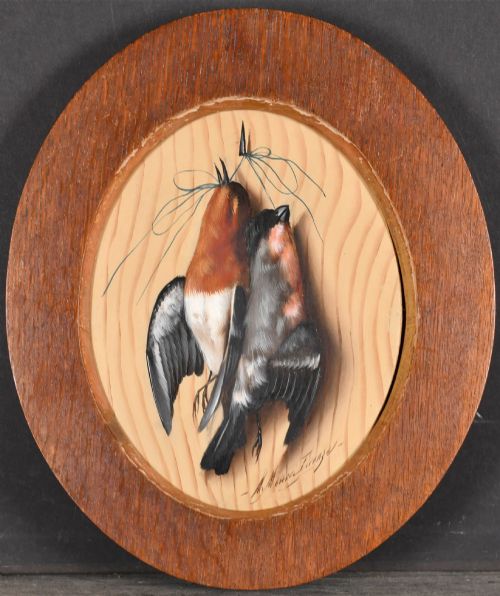
The inventory records Italian Baroque, Renaissance Revival, and Italian Folk Art alongside architectural fragments and still life paintings.
What varies in quality
The caliber of an italian painted panel rests upon the fineness of the brushwork and the preservation of the original pigment and gesso ground. Masterworks display sophisticated handling of light, shadow, and proportion.
Structural integrity of the wooden support significantly influences the piece, alongside the clarity of carved details and gilding. Pieces retaining their original surface without heavy overpaint command greater attention.
Michelangelo Meucci·Icilio Federico Joni·Fernando Del Basso·C. Ravier·Del Buono
The Italian Painted Panel Glossary
- Gesso
- A white paint mixture consisting of a binder mixed with chalk, gypsum, or pigment. This substance forms the traditional preparatory layer on wooden panels before gilding and painting.
- Trompe l'oeil
- An art technique involving extremely realistic imagery that creates the optical illusion that the depicted objects exist in three dimensions. Such compositions frequently feature on architectural boards and panels.
- Polychrome
- The practice of decorating architectural elements, sculptures, or wood panels in a variety of bright colours. This treatment appears widely on historical religious and folk artefacts.
- Architectural fragment
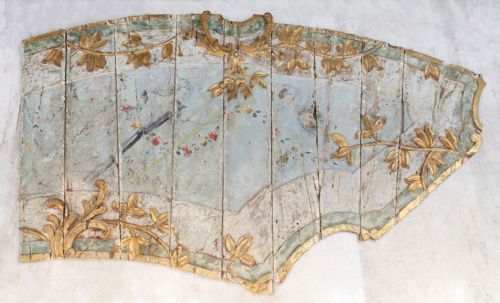
- A surviving portion of a larger building structure, such as a church altar board or carved frieze. These pieces are frequently repurposed as standalone wall art.
- Biccherna
- A term associated with painted wooden book cover bindings from Siena. These historical covers often feature intricate administrative scenes and heraldry.
Italian Painted Panel: Frequently Asked Questions
How do I hang an antique panel safely?
Heavy wooden panels require professional weight-bearing fixings secured directly into wall studs. Brackets supporting the base prevent undue stress on old joinery.
Environmental stability matters just as much as physical support. Keep panels away from direct heat sources and drastic humidity shifts to protect the timber and paint layers.
Are these panels from churches or homes?
The evidence shows items originating from diverse settings, including ecclesiastical environments like church altars, alongside domestic interiors and vernacular transport.
Religious panels often depict devotional subjects or cherubs, while domestic examples include furniture elements, still lifes, and decorated cart fragments.
How do I tell an 18th-century panel from a 19th-century one?
Dating relies on stylistic clues, pigment analysis, and the characteristics of the wood support. Eighteenth-century pieces frequently display Baroque or Rococo sensibilities, while 19th-century works often embrace revival styles or folk art traditions.
Examine the preparation layers and tool marks on the reverse of the board. Older timbers typically exhibit hand-cut variations rather than modern machine processing.
Can painted panels be cleaned safely?
Surface dust should be removed gently using a dry, soft brush without applying liquid cleaners. Moisture can reactivate old glues and damage delicate oil pigments.
Professional conservators should handle any deeper cleaning or consolidation of flaking gesso. Household solvents will strip historical patinas and original finishes.