




18th Century Italian Panel
These 18th century italian panel pieces bring heavy carved walnut, rich textiles, and painted surfaces straight from old Italian interiors into modern rooms.
18th Century Italian Panel
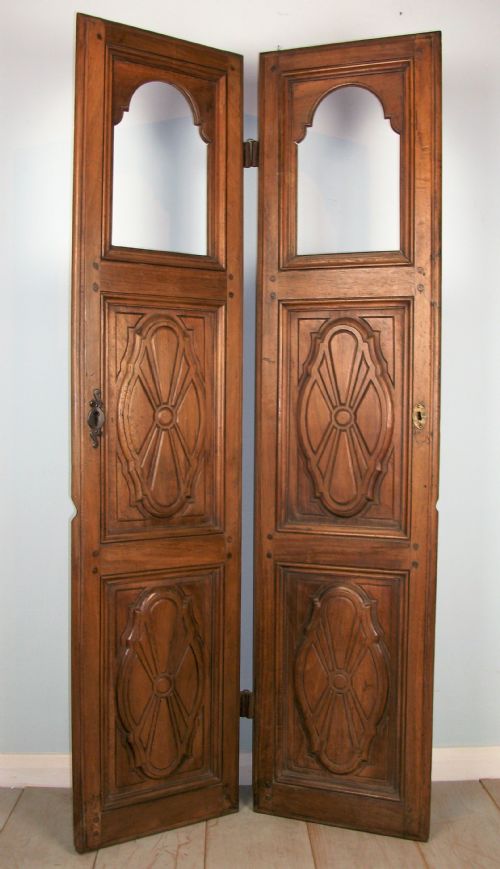
When you search for an 18th century italian panel, you are looking at architectural salvage, wall hangings, and carved wooden reliefs that once adorned historic interiors. The pieces on this page span architectural panels, cupboard doors, oil paintings on panel, and textile wall hangings.
You are most likely to meet walnut woodwork and polychrome carved wooden panels from the seventeen-hundreds. Alongside these solid timber forms, the selection includes framed oils, triptychs, and delicate silk velvet hangings representing Italian Baroque and Rococo styles.
How they were made
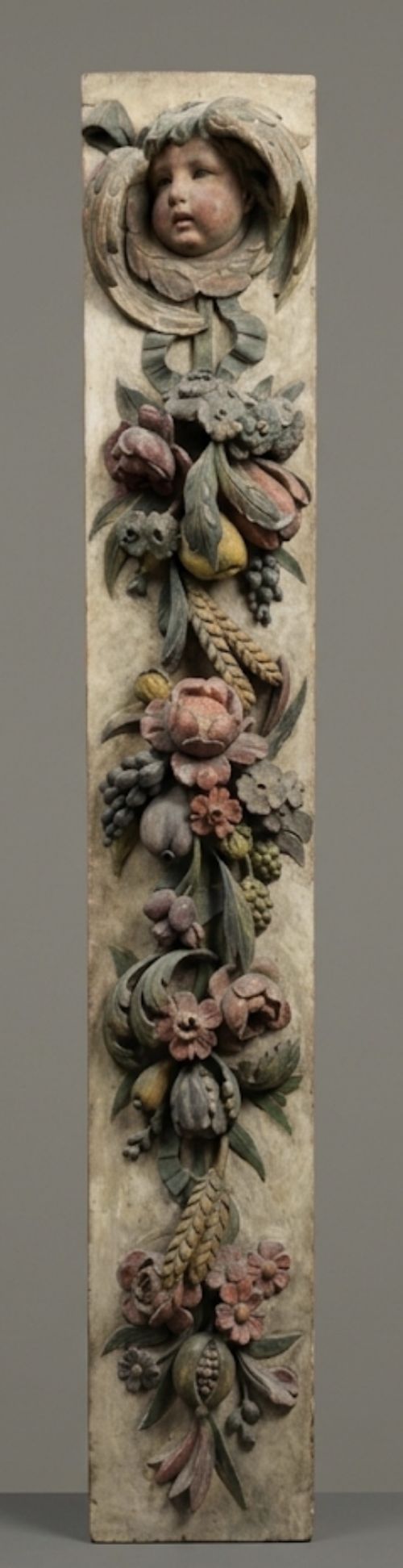
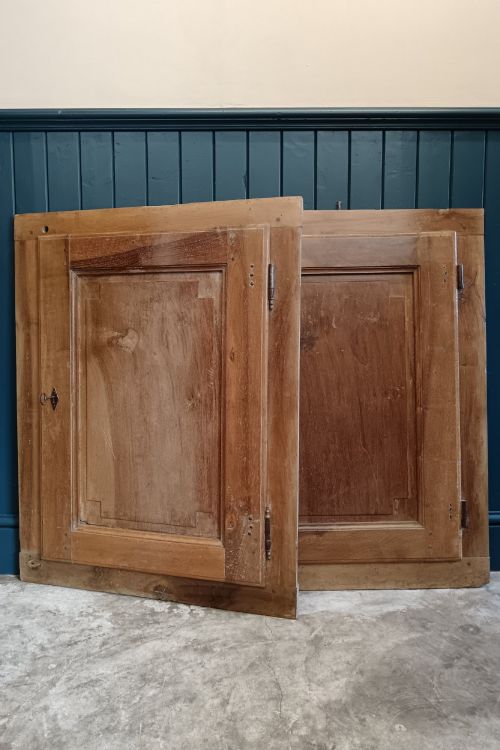
Makers shaped these items primarily from walnut and timber, employing hand-carving techniques to create deep architectural reliefs and cupboard doors. Gesso and polychrome paint often finish the wooden surfaces, adding colour and texture to carved putti and architectural salvage.
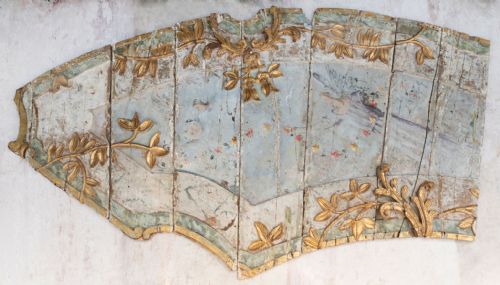
Textile panels utilise ciselé silk velvet mounted as wall hangings and pilasters, while other works feature oil paint applied directly to wooden panels. Pietra dura in gilt frames and early embroidery demonstrate the diverse craftsmanship of Italian workshops.
Several panels specifically star carved wooden cherubs and putti, staring down from centuries past with surprisingly cheeky expressions.
What varies in quality
The standard of carving distinguishes one piece from another, particularly in the depth and articulation of wooden figures like cherubs and putti. Crisp details in walnut reliefs and the preservation of original polychrome pigment elevate certain works above simpler architectural timber.
The survival of original materials dictates overall quality, from the integrity of ciselé silk velvet to the stability of panel paintings and pietra dura in gilt frames. Pieces retaining their early frames and untouched surfaces represent the higher tier of these historic Italian items.
The 18th Century Italian Panel Glossary
- Polychrome Wood
- Wood decorated with multiple colours of paint, frequently seen on carved panels and architectural salvage from this era.
- Ciselé Silk Velvet
- A luxurious fabric with a cut and uncut velvet pile creating a patterned surface, used for historic wall hangings.
- Pietra Dura
- An artistic technique using cut and fitted polished coloured stones to create geometric or figural pictures.
- Architectural Salvage
- Building elements rescued from older structures, including doors, panels, and pilasters repurposed for interior display.
- Triptych
- A picture or carving on three panels, hinged or folded together, often painted in oils on wood.
18th Century Italian Panel: Frequently Asked Questions
What is an 18th century italian panel?
An 18th century italian panel is a carved wooden architectural element, a painted wooden board, or a textile wall hanging originating from Italy during the seventeen-hundreds. These items range from cupboard doors and overmantel carvings to oil paintings and silk velvet hangings.
They reflect the Baroque and Rococo styles popular across Italian provinces during that period. Collectors acquire them to incorporate authentic historic woodwork and art into contemporary spaces.
How were these panels used originally?
Originally, these panels functioned as structural or decorative components within Italian interiors, fitted into walls, doors, and large pieces of furniture like cabinets and sideboards. Painted panels and oil triptychs served devotional or decorative purposes in domestic and ecclesiastical settings.
Textile hangings and pilaster covers softened stone walls and added warmth to grand rooms. Today, many survive as standalone wall art or architectural salvage.
How do I live with a wooden panel?
Living with a historic wooden panel involves placing it on a stable interior wall away from direct heat sources and dramatic humidity fluctuations. Large carved walnut pieces and oil-on-panel works work well as focal points above sideboards or desks.
Gentle dusting with a dry cloth keeps the surface clean without disturbing aged finishes. Wall mounting requires secure fixings suited to the considerable weight of solid timber and framed items.
How do I tell walnut from other woods?
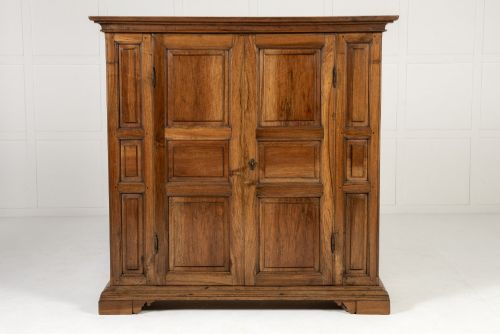
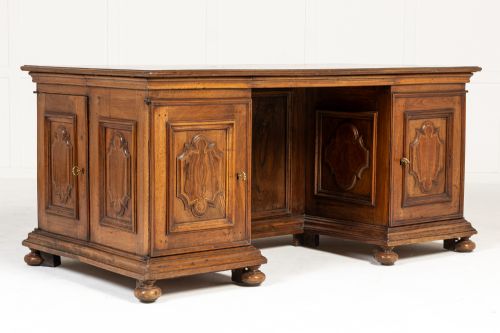
Walnut is distinguished by its rich brown colour, fine grain pattern, and substantial weight when used in large items like commodes, desks, and cupboard doors. It accepts intricate hand-carving well, which accounts for its prevalence in detailed reliefs and architectural salvage.
Other pieces utilise general timber or carry gesso and polychrome paint that completely conceals the underlying wood grain. Examining unpainted edges and the reverse of panels helps reveal the primary material.