


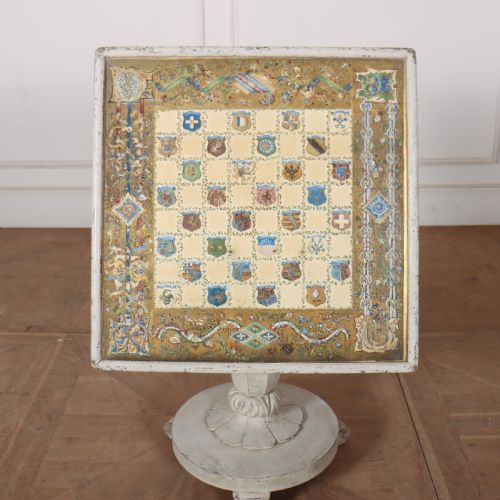
Gilded Heraldic Coat Arms
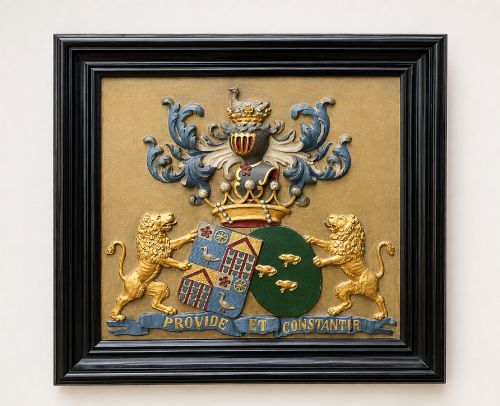
These gilded heraldic coat arms pieces are carved shields, painted panels and porcelain plates bearing ancestral symbols that bring centuries of lineage into a room.
Gilded Heraldic Coat Arms
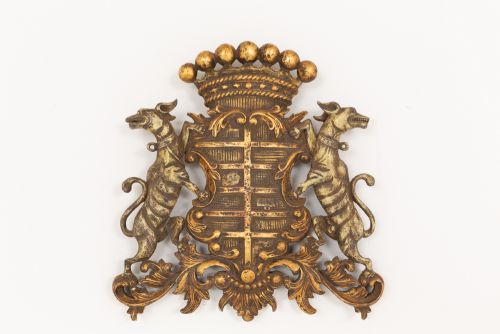
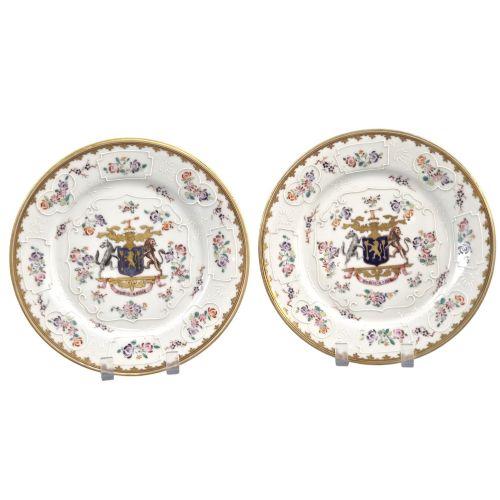
When you search for gilded heraldic coat arms, you encounter objects created to display family lineage, civic identity and institutional loyalty across various decorative forms. The selection on this page centres on wall plaques, decorative plates, vases and painted panels spanning from the Georgian and Victorian eras into the twentieth century. These items range from carved hardwood shields and cast iron royal coats of arms to porcelain soup plates and dessert plates commissioned by landed families.
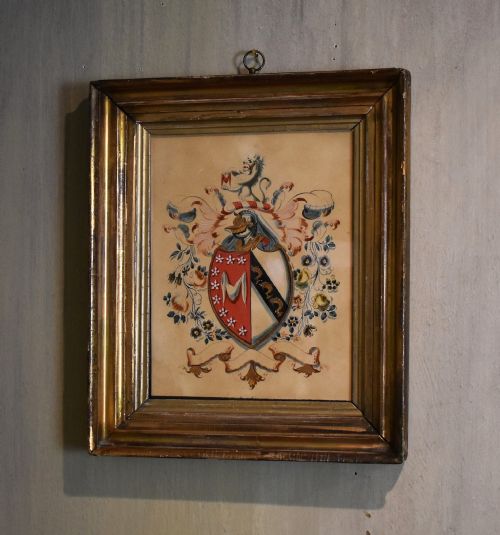
The physical origins of these pieces stretch across Britain, France, China and the Netherlands, reflecting international patronage and diverse workshop traditions. You will find items such as nineteenth-century Dutch marriage plaques, French porcelain campana vases, and Chinese export porcelain sauce boats decorated with armorial crests. Each piece records a specific heritage, whether through oil on glass paintings, watercolour devices or carved gesso and gilt wood.
How they were made
The construction of these armorial pieces relies on traditional craftsmanship applied to wood, metal, glass and porcelain. Wood items utilise carved hardwood and gesso surfaces enhanced with gold leaf and paint, while iron pieces involve casting techniques to form heavy royal coats of arms. Ceramic examples employ porcelain bodies decorated with hand-painted armorial designs and gilding, often produced by renowned factories.
Artisans applied delicate techniques such as reverse painting on glass and watercolour on paper to capture complex heraldic tinctures and charges. Gilding methods involved the application of gold leaf or gilt to highlight raised details on frames, panels and ceramic borders. These varied media demonstrate the skill required to translate heraldry into durable domestic and decorative art.
Someone once spent an entire afternoon arguing that a painted lion had too much personality to be strictly heraldic.
What varies in quality
The distinction between standard and superior pieces rests on the precision of the heraldic painting and the depth of the carving or moulding. Finer examples display crisp detail in the crests, mantling and shields, executed by skilled hands rather than hurried workshop production. The quality of the gilding also plays a role, with genuine gold leaf retaining a richer lustre than standard metallic paint over time.
Provenance and maker attribution elevate certain items, particularly those associated with known porcelain manufacturers or documented historical commissions. Pieces that retain their original frames, uncompromised enamel colours, and clear historical associations command greater appreciation among collectors. The integrity of the materials, whether hardwood, porcelain or cast iron, determines the longevity and visual impact of the armorial display.
Edmé Samson And Cie·Samson Of Paris·Coalport Porcelain·Chamberlain Worcester·Barr Flight And Barr
The Gilded Heraldic Coat Arms Glossary
- Coat of arms
- A unique design painted or carved on a shield, originating as a means of identification in battle. It forms the core visual element of heraldic decoration.
- Armorial
- An adjective describing an object decorated with a coat of arms or heraldic bearings. These were frequently commissioned by noble families for porcelain services and wall displays.
- Gesso
- A plaster-like mixture applied to wood surfaces as a base for moulding and gilding. It provides a smooth foundation for the application of gold leaf.
- Campana vase
- A bell-shaped urn or vessel popular in classical and nineteenth-century design. Examples in this tradition often feature painted armorial motifs.
- Famille rose
- A palette of Chinese porcelain enamels dominated by opaque pink, introduced in the eighteenth century. Armorial pieces executed in this style combined European heraldry with Asian ceramic production.
Gilded Heraldic Coat Arms: Frequently Asked Questions
How were armorial porcelain plates used?
Armorial plates were part of grand dinner services commissioned by wealthy families to display their lineage and status during formal dining. Guests would eat from services bearing the host's family crest, reinforcing social standing at the table.
Over time, many of these plates transitioned from dining rooms to wall displays and cabinet collections as their decorative and historical value became paramount.
How do I identify the period of a piece?
Dating relies on stylistic clues, materials, and the manufacturing techniques visible in the ceramic body or framing. Georgian and Victorian porcelain pieces often exhibit specific paste characteristics and hand-painted enamel styles attributable to known eras.
Makers' marks, where present, provide precise chronological markers, while unsigned carved panels must be judged by the tool marks and wood preparation methods of their time.
Where should I hang a wall plaque?
Wall plaques and armorial shields suit spaces with traditional interior architecture, such as studies, libraries or hallways. Their substantial presence pairs well with wood-panelled walls or neutral plaster backgrounds.
Ensure the hanging method supports the weight of denser items like cast iron coats of arms or carved hardwood shields before installation.