

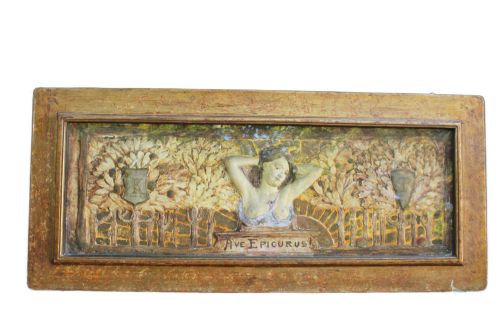
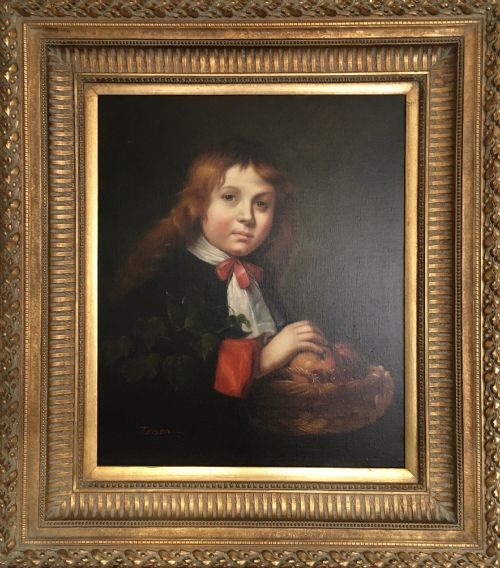
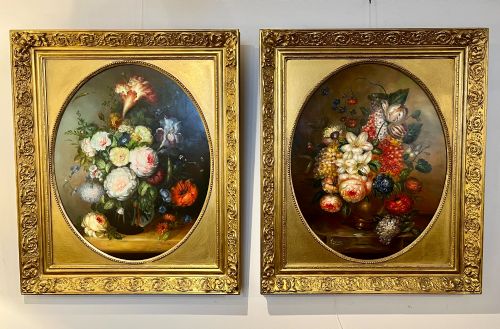
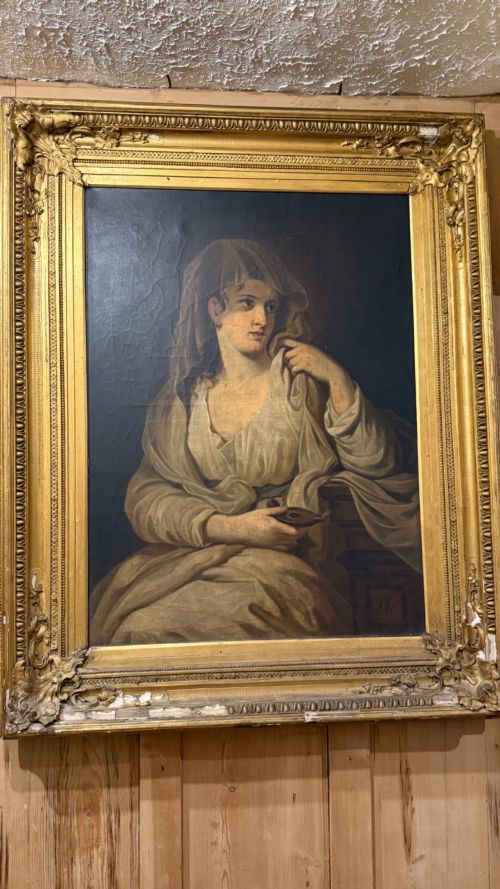



Framed Gilded Wall Decor
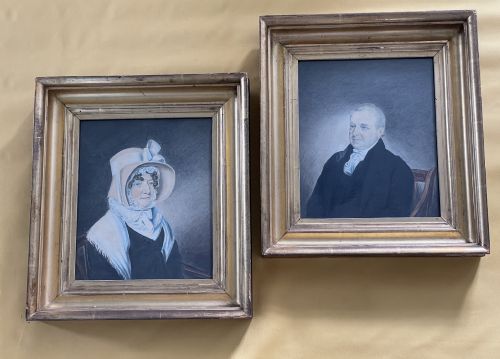
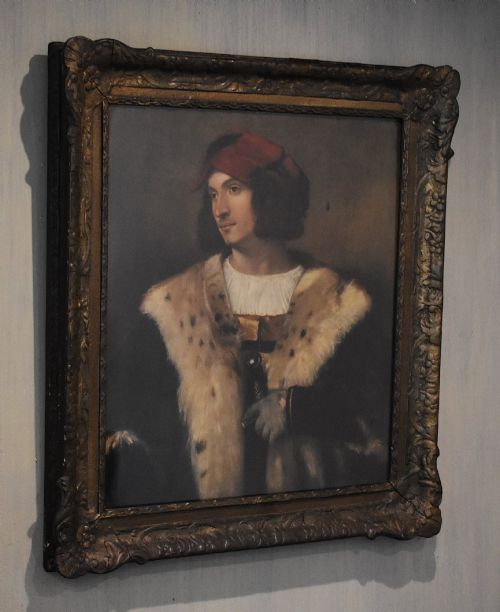
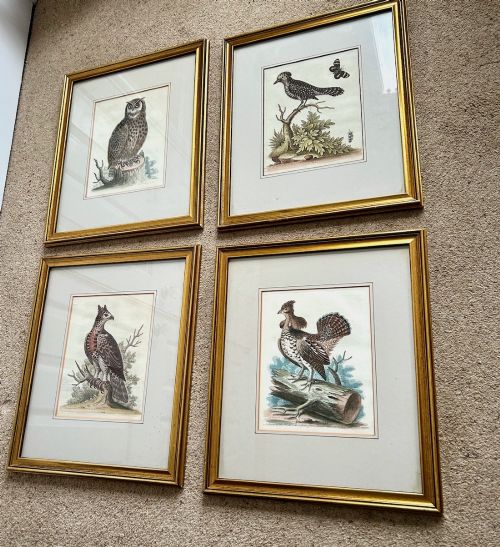
Framed gilded wall decor brings together antique mirrors, paintings, and prints set in reflective gold leaf and gesso frames to brighten a room.
Framed Gilded Wall Decor
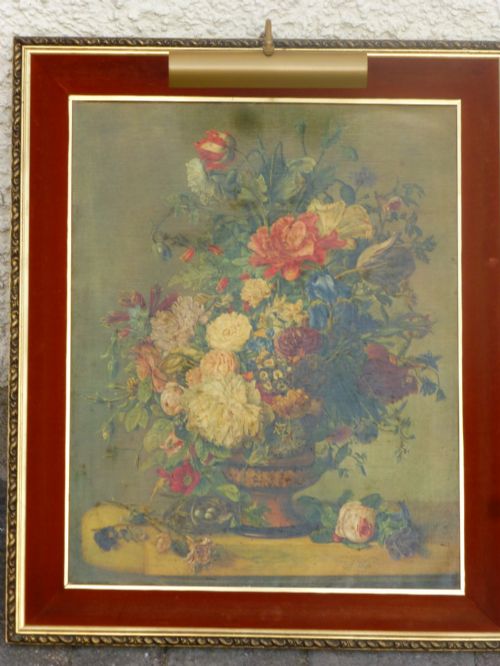
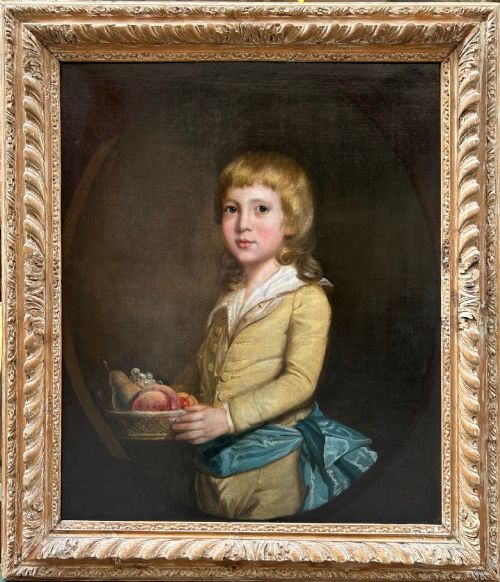
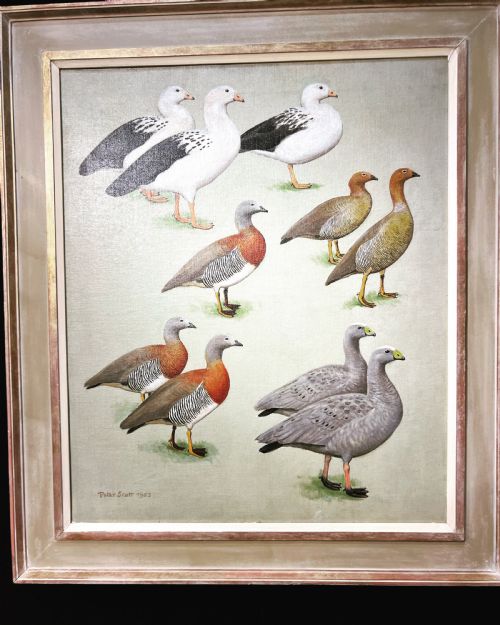
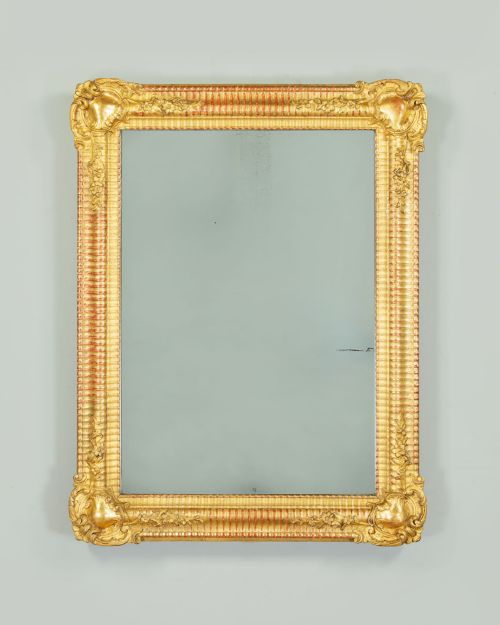
Framed gilded wall decor covers a variety of hanging pieces designed to catch the light and add depth to an interior. The selection spans oil paintings, watercolours, engravings, and mirrors set into ornamented surrounds.
The objects originate from multiple eras, with 19th-century pieces alongside Georgian, Victorian, and mid-century items. These works range from portraits and landscape scenes to decorative wall mirrors.
Buyers will encounter items influenced by Renaissance Revival, French Empire, Arts and Crafts, and Neoclassical styles. Each piece relies on the combination of a visual artwork and a decorative metallic frame.
Materials and construction
The framing elements rely on wood, gesso, and gold leaf to create reflective and ornate borders. Artisans applied thin layers of gold leaf over sculpted gesso and wood structures to achieve a metallic sheen.
The pictorial works employ canvas, paper, glass, oil paint, and watercolour. Artists worked with oil on canvas or panel, painted watercolours on paper, and produced engraved or printed works.
Techniques such as reverse glass painting, known as eglomise, and polychrome plaster relief appear among the methods used to create these wall hanging pieces.
Listings feature works created on canvas, paper, wood panels, and glass.
Distinctions in quality
Quality in framed gilded wall decor rests on the handwork visible in the frame's gesso mouldings and the application of gold leaf. Crisp detail in carved wooden ornaments and well-preserved gilding elevate a piece above standard factory productions.
The artistic execution of the central artwork dictates overall value. Finer brushwork, careful composition, and named artists differentiate standard decorative prints from accomplished oil paintings and watercolours.
Icilio Federico Joni·John Frederick Herring Jnr·Sir David Murray·Edgar Hunt
The Framed Gilded Wall Decor Glossary
- Giltwood
- Wood that has been coated with gold leaf or gold paint. This technique provides a bright metallic finish to decorative frames and architectural elements.
- Gesso
- A plaster mixture used as a base coat on wood before applying gold leaf. It allows artisans to carve intricate relief designs onto picture frames.
- Eglomise
- A technique where an image is painted or gilded on the reverse side of glass. This method creates a glossy, reflective surface finish.
- Mezzotint
- A printmaking process of the tonal method where the artist works from dark to light. It produces rich shades and subtle gradations in printed works.
- Oleograph
- A type of chromolithographic print textured to mimic an oil painting. These pieces are often mounted in decorative frames to resemble original canvases.
Framed Gilded Wall Decor: Frequently Asked Questions
What periods do these pieces span?
The items range from the 17th and 18th centuries through the Victorian era and into the mid-20th century. Different decades introduced distinct artistic movements that influenced both the art and the frames.
Buyers will find styles moving from Georgian restraint to ornate Victorian and Arts and Crafts designs. Each period contributes specific aesthetic characteristics to the wall decor.
How do I care for gilded frames?
Gilded wood and gesso frames require gentle dusting with a soft, dry brush to avoid damaging the delicate metallic surface. Moisture and chemical cleaners should be kept away from the gold leaf.
Placing these pieces away from direct sunlight and damp environments helps preserve the wood and the integrity of the gesso mouldings over time.
What is the difference between oil paintings and oleographs?
Oil paintings are original works created by applying pigment suspended in oil directly onto canvas, panel, or board. Each brushstroke is unique to the artist's hand.
Oleographs are mechanical reproductions printed in colour and treated to imitate the texture of a real oil painting. They lack the depth and individual brushwork found in original canvases.
How do I identify a mirror's era?
Frame construction, the type of gesso used, and the quality of the glass provide clues to a mirror's age. Older pieces often feature hand-carved wooden frames beneath the gesso rather than moulded composition material.
The backing boards, fixings, and silvering on the glass plate also help determine whether a mirror belongs to the 19th century or a later period.