

Gold Leaf Wall Art
Gold leaf wall art brings historic brilliance into a room through centuries of gilded frames and painted canvases.
Gold Leaf Wall Art
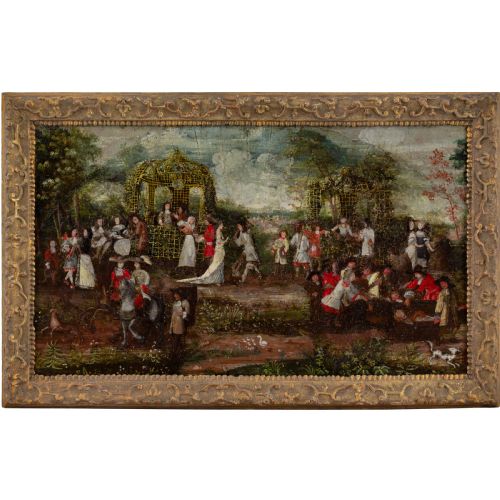
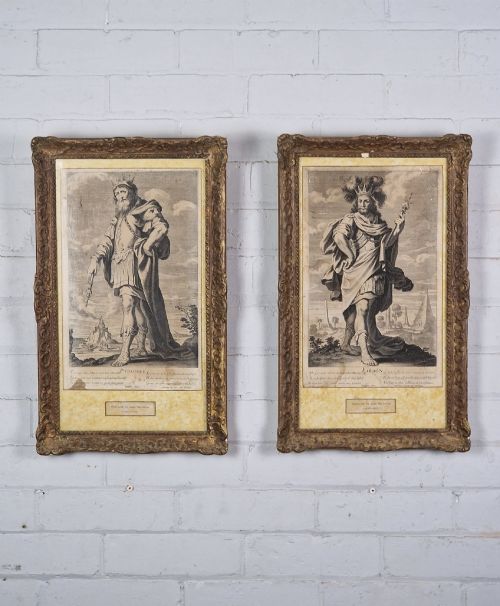
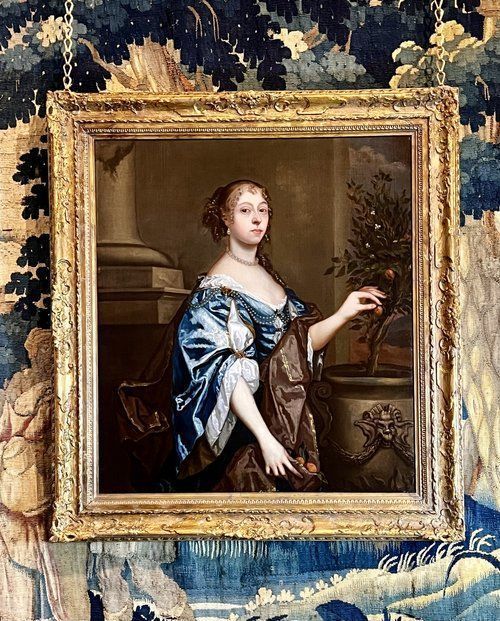
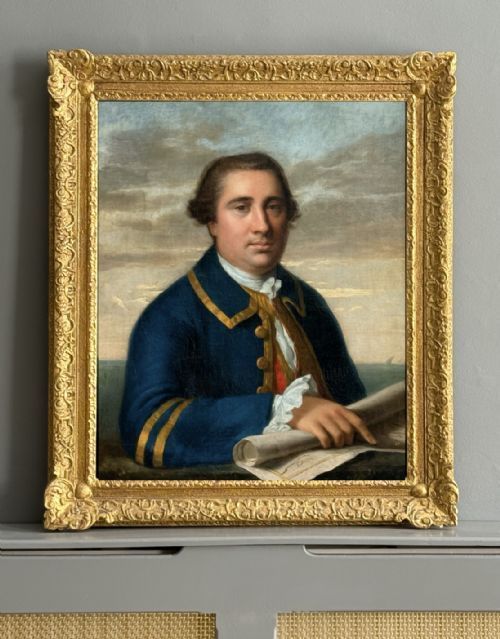
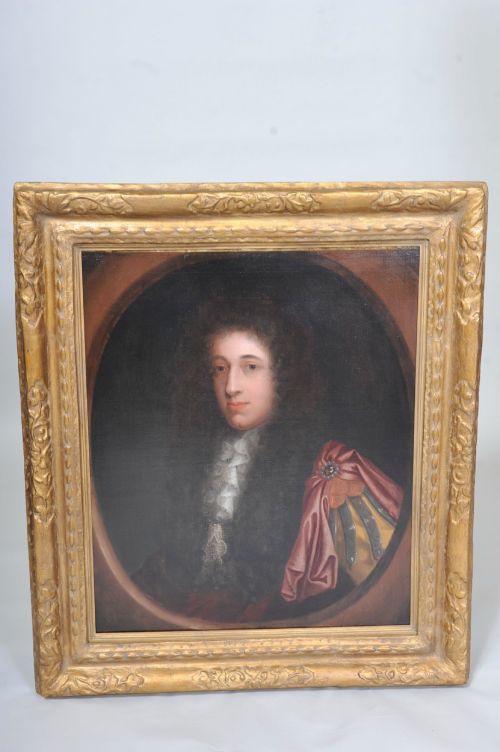
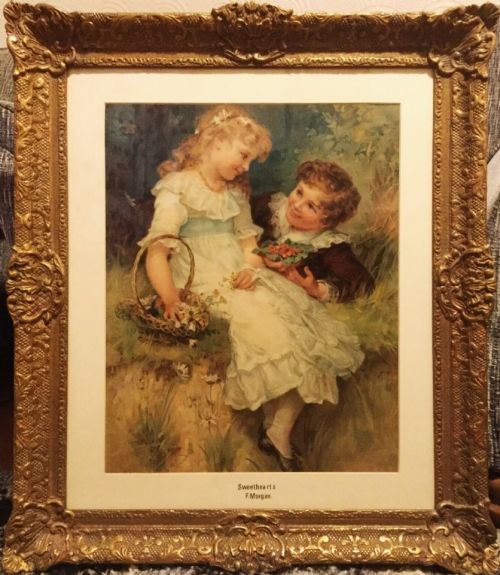
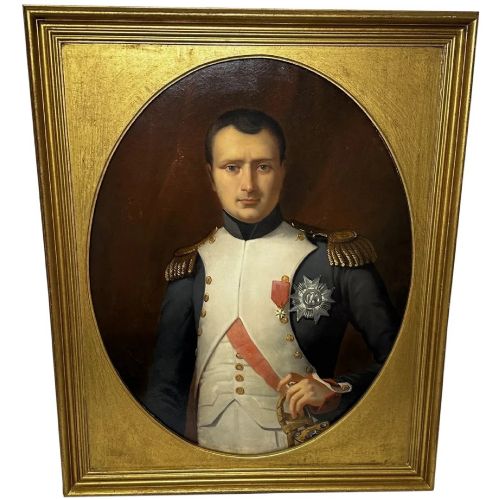
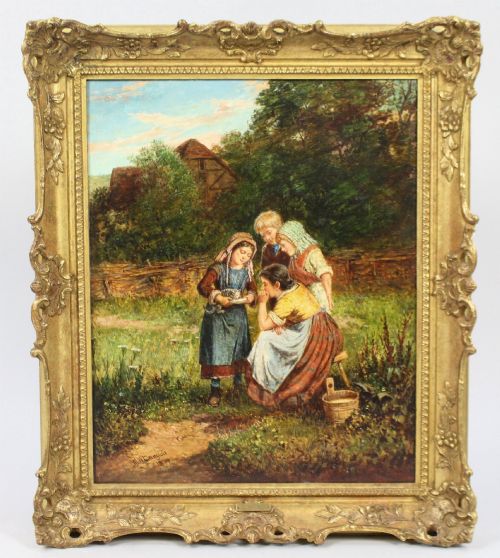
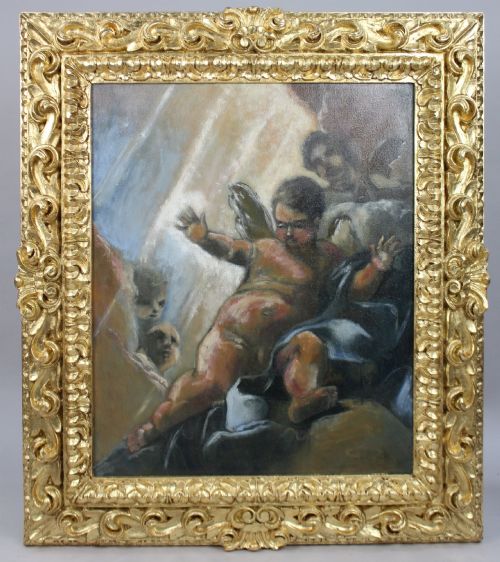
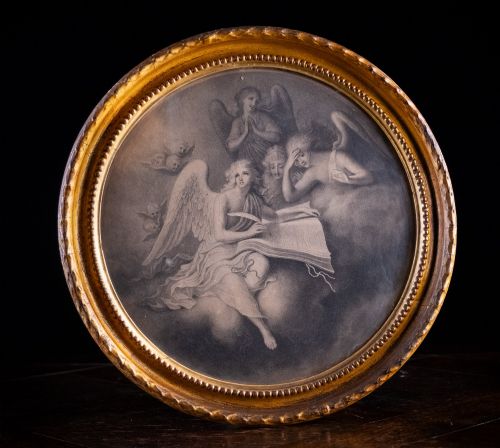
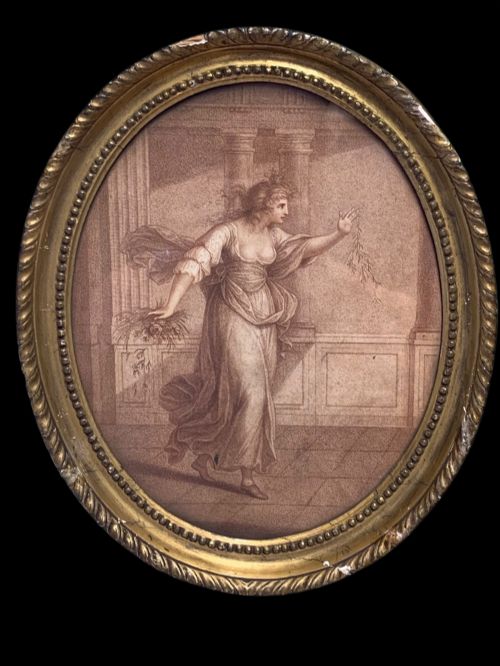
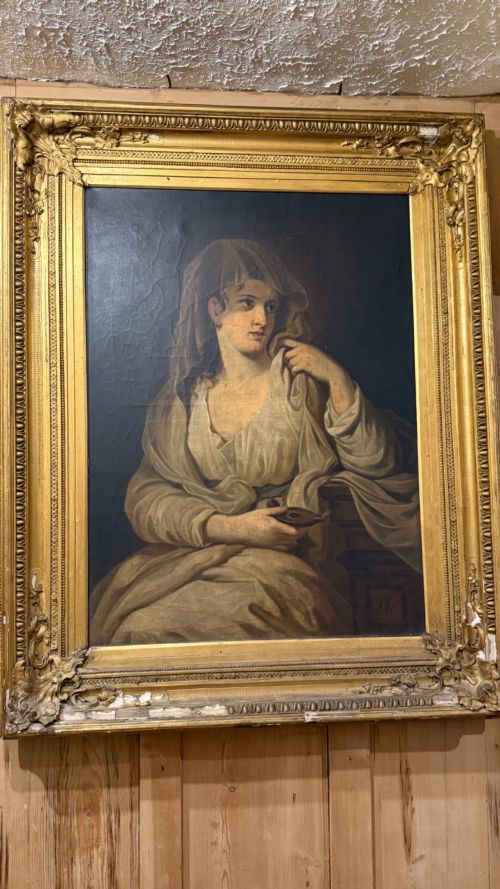
When searching for gold leaf wall art, buyers encounter oil paintings, religious icons, portraits, and engraved prints set within ornate surrounds. These pieces bridge centuries of fine art traditions, spanning from the seventeenth century through to the twentieth century.
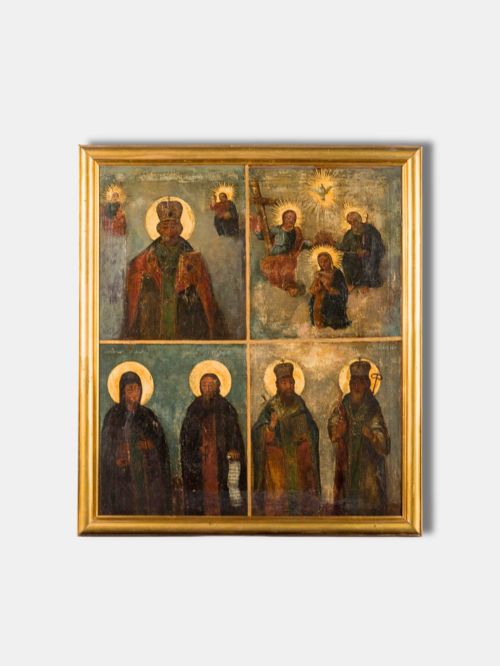
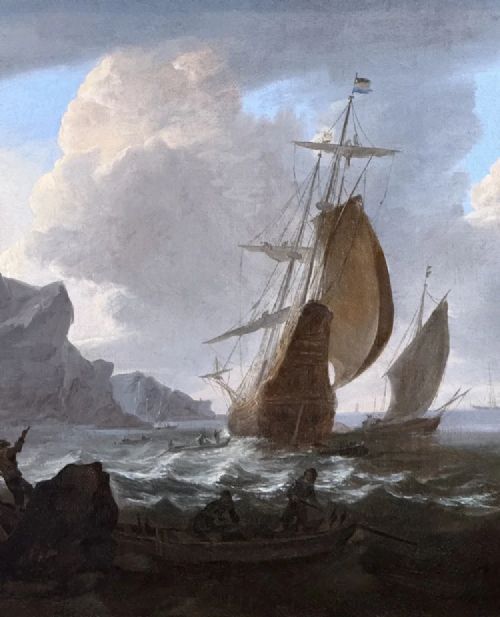
The selections on this page rely heavily on historical portraits, maritime scenes, and religious subjects originating from British, French, Dutch, and Italian schools. Many of these works integrate the metal directly into tempera panels or frame religious subjects with brilliant metallic illumination.
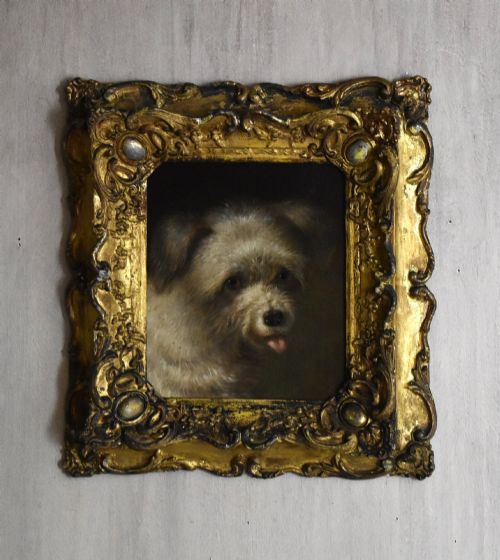
Framed artwork and antique picture frames form a distinct category within this group, often utilising carved wood and gesso finished in metallic leaf. These frames serve as sculptural companions to historical canvases, engravings, and lithographs.
Materials and Techniques
Makers constructed these works using oil on canvas, tempera, and paper, applying thin metallic sheets by hand to wooden supports and picture frames. Craftsmen prepared substrates using gesso to create a smooth base before layering the gold leaf.
Traditional framing involved carving solid wood and applying layers of gesso and bole before burnishing the metallic leaf to a high shine. Painters worked with oil pigments on canvas or panel, sometimes incorporating tempera and gold leaf for sacred subjects.
Listings span periods from the 17th century through to the mid-20th century, encompassing oil on canvas, carved giltwood, and tempera.
Qualities That Distinguish the Range
Quality rests upon the skill of the painter and the depth of the carving within the gilded frame. Superior pieces demonstrate confident brushwork, expressive portraiture, and intricate hand-carved gesso details beneath the metallic finish.
The integrity of the underlying support and the preservation of the original metallic surface define the standing of each piece. Works that retain their untouched nineteenth-century or seventeenth-century frames carry greater visual harmony than later replacements.
Jean Mariette·Pieter Borsseler·Lemuel Francis Abbott·Mark William Langlois·Bonaventura Peeters·Martin Theodore Ward·George Augustus Holmes·Renato Moretti·Jacob Akkersdijk·Thomas Hodgson Liddell·Theodore Jensen·Everett Watson Mellor·John Greenhill·Benjamin Eugene Fichel
The Gold Leaf Wall Art Glossary
- Giltwood
- Wood that has been coated with gold leaf or gold paint. This technique created opulent picture frames and decorative panels throughout the seventeenth and eighteenth centuries.
- Gesso
- A plaster mixture used as a base for paint or gold leaf on wood panels and frames. It provided a smooth, absorbent surface for the application of metallic leaf.
- Tempera
- A permanent, fast-drying painting medium consisting of coloured pigment mixed with a water-binder. It frequently appears alongside gold leaf in early religious icons.
- Stipple Engraving
- A printmaking technique that uses dots to create tonal shadows and highlights. This method was widely utilised for portrait prints during the eighteenth century.
- Oleograph
- A type of chromolithographic print textured to imitate an oil painting. These appeared in the nineteenth century as an accessible alternative to original canvases.
Gold Leaf Wall Art: Frequently Asked Questions
How do I care for antique giltwood frames?
Dust the carved surfaces gently with a dry, soft brush to prevent the accumulation of dirt within the intricate crevices of the gesso.
Keep these pieces away from direct sunlight and fluctuating humidity to protect the delicate metallic leaf from cracking or flaking over time.
What is the difference between an oil painting and an engraving?
Oil paintings feature pigments suspended in drying oil applied directly to canvas or wooden panels by the hand of the artist.
Engravings are printed works created by incising a design into a metal plate, which transfers inked lines onto paper.
Are religious icons painted on wood or canvas?
Traditional religious icons in this collection typically utilise tempera and gold leaf applied directly onto prepared wooden panels.
This construction method provided a rigid support suited for sacred imagery across centuries of devotional practice.
How can I identify a seventeenth-century portrait?
Seventeenth-century portraits often feature specific clothing styles, such as lace collars, heavy doublets, and formal attire worn by nobility and merchants.
The painting techniques and canvas preparations from this era also display distinct age-related craquelure and traditional framing methods.