



Antique Nautical Portrait
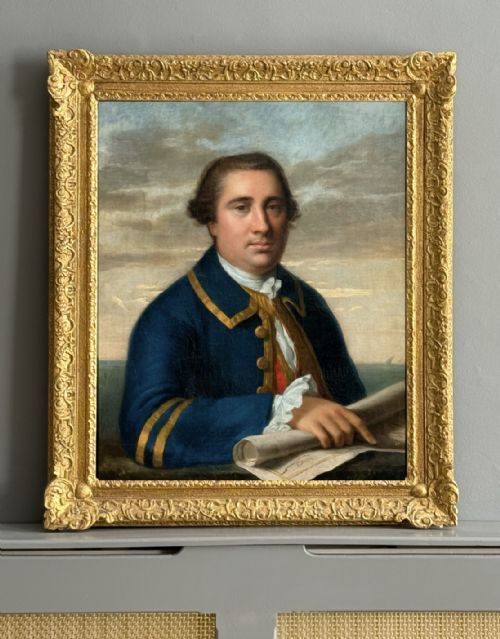
An antique nautical portrait captures the personality of a specific vessel or seafaring figure, bringing maritime history directly onto the wall.
Antique Nautical Portrait
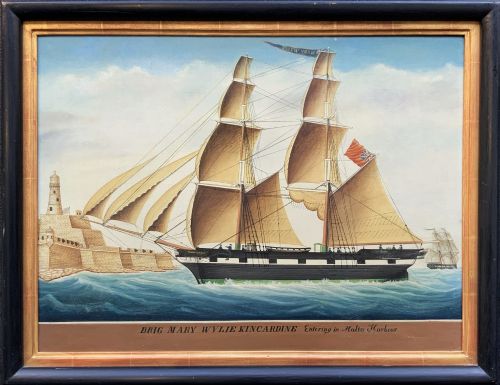
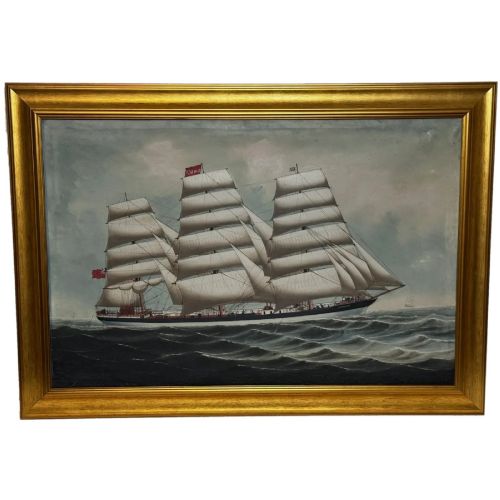
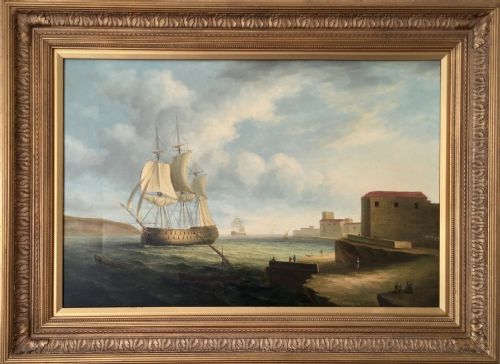
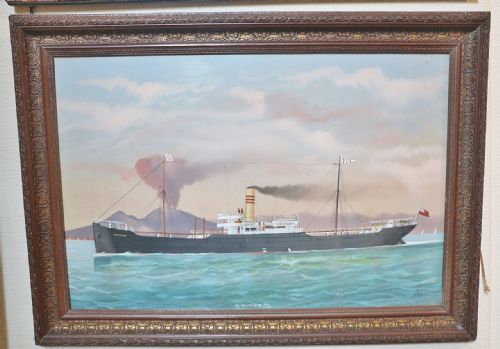
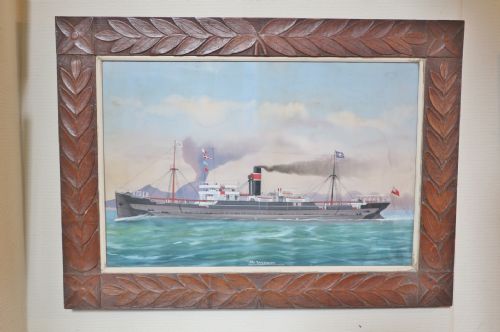
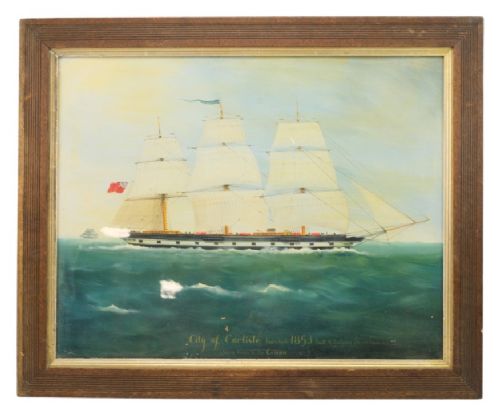
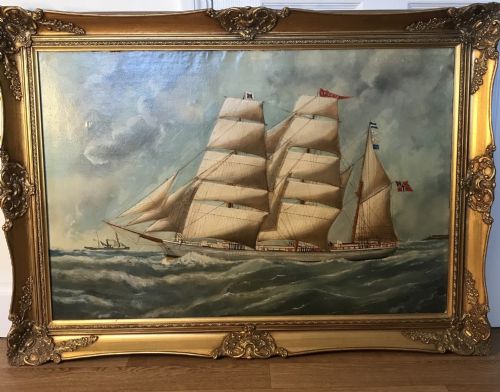
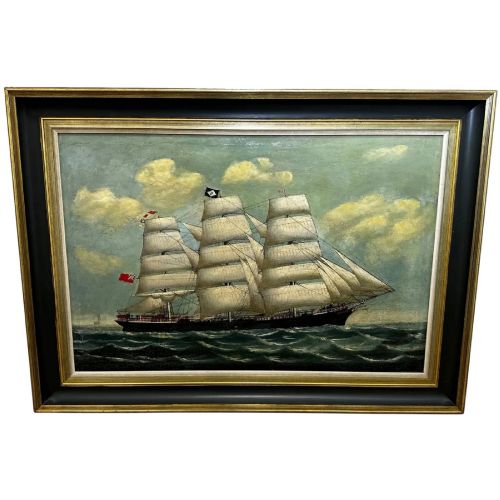
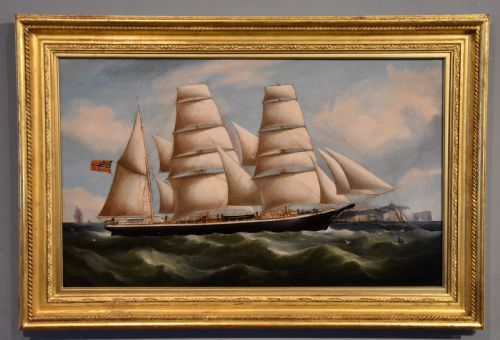
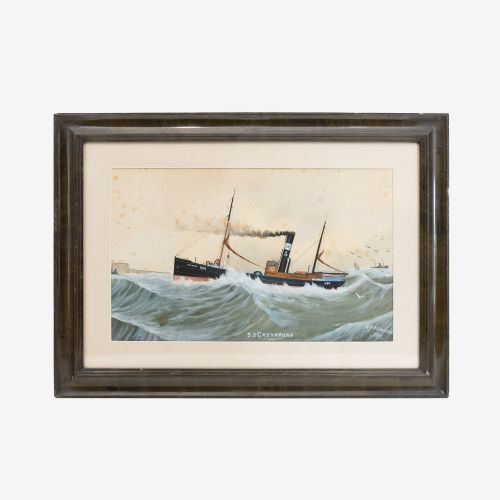
An antique nautical portrait encompasses oil paintings, watercolours, gouache, and photographs depicting named vessels, naval captains, and common sailors across the eighteenth, nineteenth, and twentieth centuries. These works record specific ships such as ironclad battleships, steamships, and clipper ships, often shown navigating choppy waters or anchored off foreign ports.
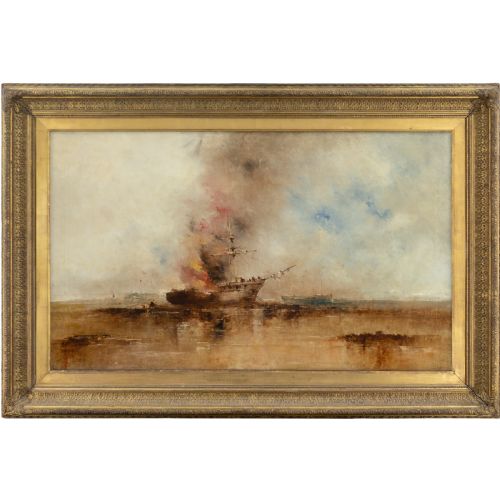
Buyers frequently encounter nineteenth-century marine oil paintings and Edwardian watercolours representing named merchant vessels, naval craft, and coastal scenes. Pierhead paintings and ship portraits produced in British, European, and Anglo-Chinese studios appear regularly alongside depictions of specific historical events like troops heading to the Crimea.
The selection ranges from detailed watercolours of individual barques to large oils of multi-masted schooners navigating difficult passages. Works originating from periods spanning the Georgian era through the interwar years demonstrate the enduring fascination with maritime subjects.
How they were made
Artists deployed oil paint on canvas or panel, watercolour and gouache on paper, and charcoal to render rigorous details of rigging, hulls, and coastal topography. Framing typically involved period materials such as wood, oak, and giltwood, which frequently survive in their original state around the artwork.
Draftsmanship required precise technical knowledge of naval architecture, ensuring that masts, sails, and steam funnels matched the actual vessel portrayed. Pigments were applied to canvas or paper to capture atmospheric effects like heavy seas, stormy skies, and harbour light.
Antique Nautical Portrait Retail Price Guide 2026
Typical asking prices for nautical portrait among the pieces listed under this phrase on Sellingantiques today, from the lower quarter to the upper quarter. They describe what is for sale here now, not the wider market.
Listings feature works from the eighteenth, nineteenth, and twentieth centuries, executed in oil on canvas, watercolour, gouache, and photographic card.
What varies in quality
Quality rests upon the artist's command of maritime architecture, perspective, and the movement of water against a hull. Superior works display a rigorous understanding of ship construction and rigging, whereas lesser examples rely on formulaic repetition without individual character.
The precision in rendering the specific vessel, combined with the atmosphere of the sea and sky, separates accomplished studio output from standard commercial output. Original framing and documented provenance further distinguish the finer examples within this category.
Lemuel Francis Abbott·Reginald Arthur Borstel·Lai Fong·Richard B. Spencer·Vincenzo D’Esposito·Joseph Heard·WF Mitchell
The Antique Nautical Portrait Glossary
- Pierhead painting
- A specific genre of ship portrait commissioned by captains or owners while docked, typically depicting the vessel leaving or entering a specific harbour.
- Barque
- A sailing vessel with three or more masts, having the fore and mainmasts square-rigged and the mizzenmast fore-and-aft rigged.
- Gouache
- An opaque watercolour paint consisting of natural pigment, water, and a binding agent such as gum arabic, producing a denser matte finish than standard watercolour.
- West Indiaman
- A large merchant ship specifically designed for trade between Europe and the West Indies during the eighteenth and nineteenth centuries.
- Provenance
- The documented history of ownership surrounding an artwork, establishing its authenticity and chain of custody over time.
Antique Nautical Portrait: Frequently Asked Questions
What is a ship portrait?
A ship portrait is a specialised artwork commissioned to record the exact appearance, rigging, and name of a specific vessel rather than a generalized seascape.
These works served as a source of pride for ship owners, captains, and crew members who wished to document their maritime livelihoods.
How do I identify the ship in a painting?
Many works include the name of the vessel painted directly onto the hull, inscribed on a flag, or written on the original mount and frame.
Additionally, specific rigging configurations, funnel colours, and historical flags help connect the painted vessel to maritime records.
Where were pierhead paintings made?
Pierhead paintings were produced by local artists working in busy international ports, ready to sell directly to arriving sailors and ship captains.
Locations like Naples, Malta, and various British ports supported specialised artists who understood local maritime architecture.
How should I frame an antique maritime artwork?
Antique maritime works are best housed in period frames such as oak, giltwood, or simple wood mouldings that complement the age of the piece.
Preserving original frames maintains the historical context and visual integrity of the portrait.