

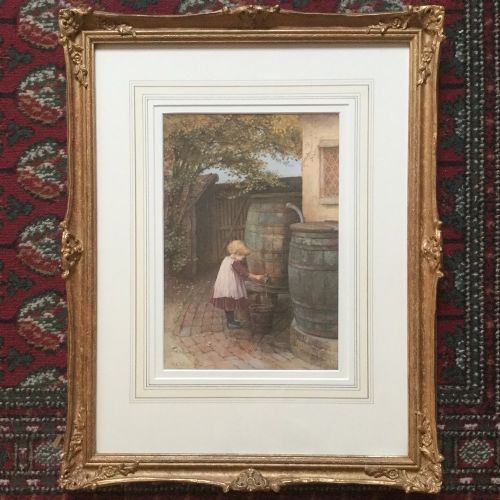


Framed Landscape Wall Decor
Framed landscape wall decor brings natural vistas and rural scenes into a room through oil, watercolour, and print.
Framed Landscape Wall Decor
When searching for framed landscape wall decor, buyers examine artistic depictions of natural scenery, rivers, and coastal views contained within protective surrounds. These pieces span multiple centuries, capturing topographical scenes, agricultural fields, and maritime settings across various artistic movements.
The selections available here range widely in origin and age, extending from eighteenth-century works through Victorian canvases to mid-century impressionist interpretations. Buyers encounter oil paintings on canvas or board, alongside watercolours on paper and historical prints, all presented ready for display.
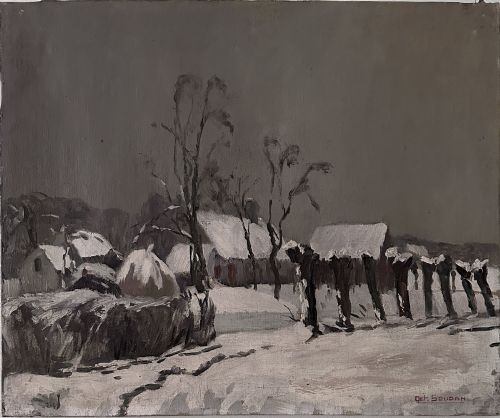
Rural valleys, winter villages, and harbour views dominate the subjects encountered in this collection. These works reflect the changing artistic interpretations of the countryside and coast through distinct historical periods.
Materials and construction
Many works utilise oil paint applied to stretched canvas, wooden boards, or paper, often layered to create texture and depth. Watercolours employ pigment suspended in water on paper supports, while other examples rely on lithographic or printed techniques.
Frames commonly consist of wood, frequently decorated with gilt or carved details that complement the artwork within. Protective glass often shields works executed on paper, whereas oil paintings on canvas remain exposed to air.
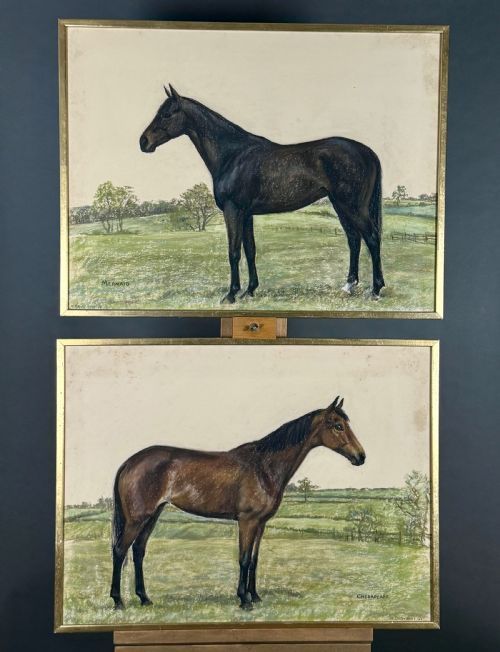
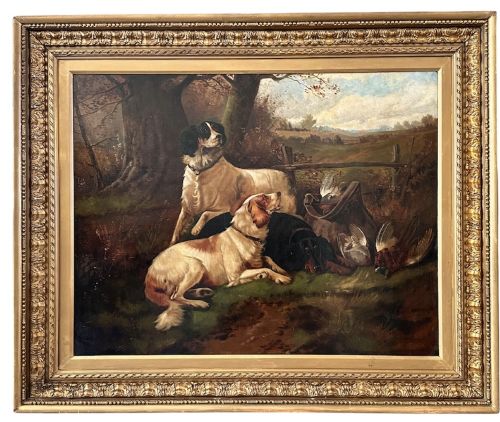
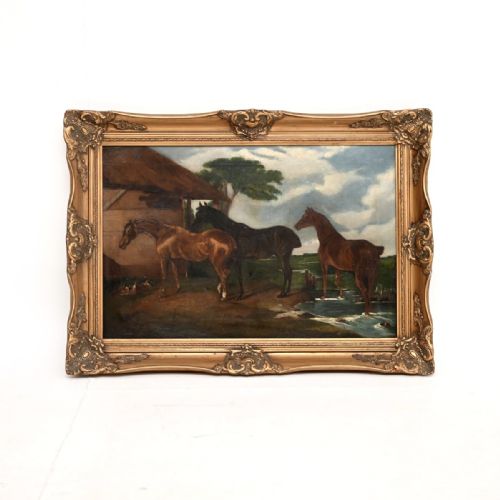
Horses, dogs, and farmyard ducks frequently share the landscape with human figures across these historical scenes.
Standards of execution
The strength of a composition and the confidence of the brushwork distinguish finer examples from standard decorative pieces. Masterly handling of light, shadow, and atmospheric perspective elevates a work above routine topographical recording.
The integrity of the original support, whether canvas or panel, alongside the preservation of the painted surface, influences the standing of an item. Original framing appropriate to the period of the artwork further contributes to the character of the piece.
John Frederick Herring Jnr·Edward Matthew Elliott·Helen Layfield Bradley·Raimond Louis Lecourt·Jan Evert Morel
The Framed Landscape Wall Decor Glossary
- Impasto
- Paint applied in thick layers that stand out from the surface. This technique allows the texture of the paint itself to capture the play of light.
- Lithograph
- A print produced from a flat stone or metal plate treated to repel and accept ink. This method was widely used for reproducing original paintings.
- Provenance
- The documented history of ownership associated with an artwork. A clear record helps establish the authenticity and origin of the piece.
- Stretcher
- The wooden frame upon which canvas is pulled tight before painting. Traditional corner keys allow for future adjustment of tension.
- Topographical
- Depicting a specific real-world location with geographical accuracy. These scenes often serve as historical records of changing landscapes.
Framed Landscape Wall Decor: Frequently Asked Questions
How do I hang a heavy framed oil painting?
Heavy canvases and gilt wood frames require secure fixings anchored directly into wall studs or masonry using appropriate wall plugs and screws. Using two fixing points distributes the weight evenly and prevents the frame from tilting.
Position the centre of the artwork at eye level, generally around one hundred and fifty centimetres from the floor, to achieve a balanced visual weight within the room.
Should oil paintings be displayed behind glass?
Traditional oil paintings on canvas or board are typically displayed without glass to allow the textured surface and paint layers to interact with ambient light. Glass is generally reserved for works on paper, such as watercolours and prints, which require physical protection.
Keeping oil works away from direct sunlight and excessive moisture matters more for their preservation than adding a glass barrier.
How do I identify the period of a landscape painting?
Examining the stretcher bars, canvas type, and framing materials often provides initial clues to the age of an artwork. Older canvases show distinct oxidation and weave patterns characteristic of specific centuries.
Stylistic conventions, clothing styles in figurative elements, and artist signatures or exhibition labels on the reverse help narrow down the date of creation.
How do I clean an antique painted landscape?
Surface dust can be gently removed from oil paintings using a very soft, dry brush or a clean microfibre cloth. Avoid using water, household cleaners, or chemical solvents on the painted surface.
Professional conservation cleaning is recommended for removing accumulated grime or discoloured varnish without disturbing the underlying pigment.