




Traditional Oil Landscape Art
Traditional oil landscape art brings the depth of centuries past indoors through layered pigment and enduring canvases.
Traditional Oil Landscape Art
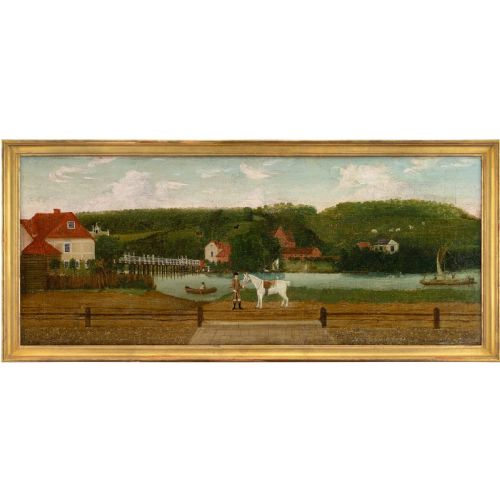
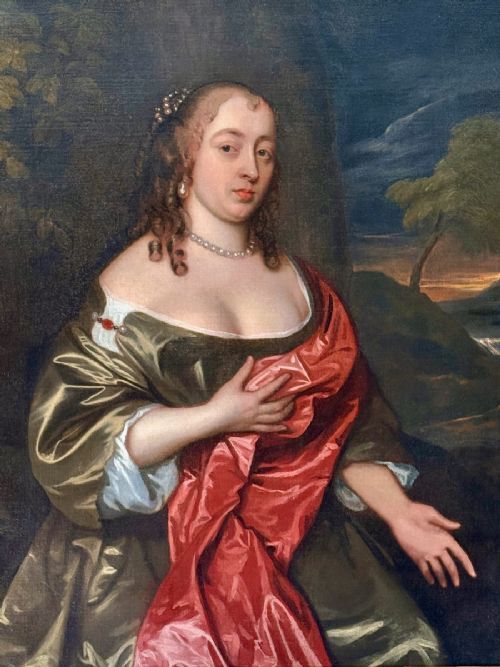
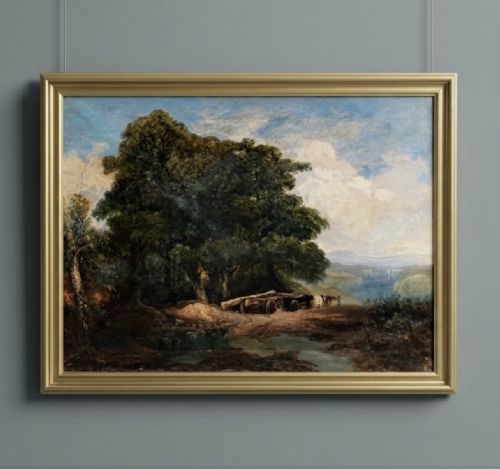
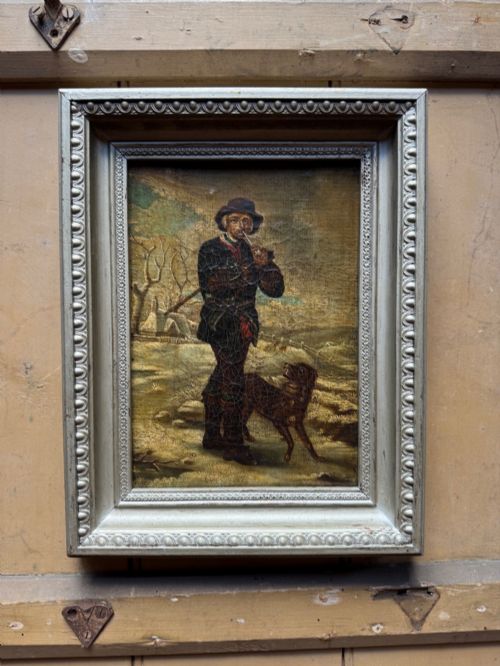
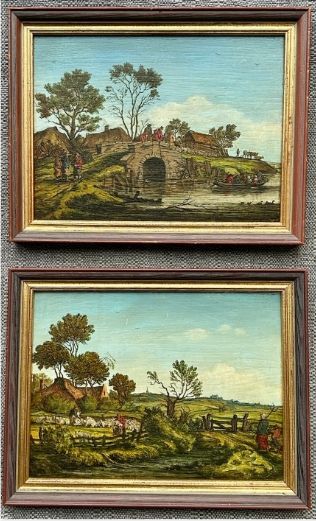
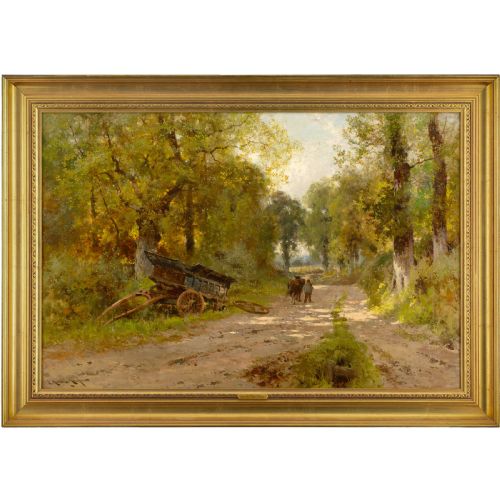
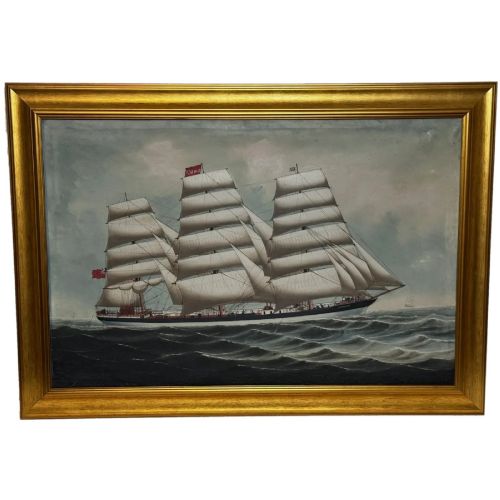
Traditional oil landscape art captures pastoral scenes, rural vistas, and coastal views through centuries of painterly tradition. When exploring traditional oil landscape art, buyers encounter works ranging from expansive 18th century compositions to intimate 20th century woodland panels. These pieces typically depict British and European countryside scenes populated by figures, livestock, or quiet waterways.
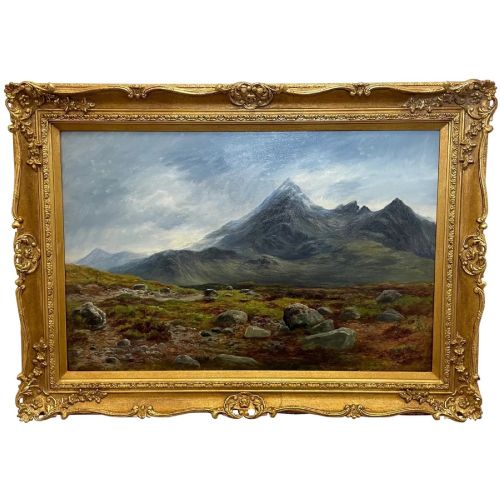
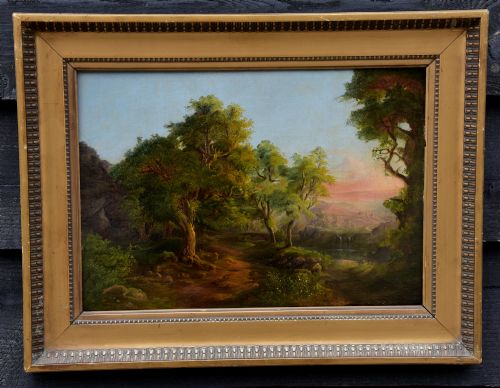
The selection centres heavily on 19th century canvases alongside Georgian and Edwardian examples. Works on this page frequently originate from named British and continental painters working in realistic, romantic, or impressionistic modes. Subjects vary from highland mountains and wooded paths to serene pastoral farming scenes.
Materials and construction methods
Painters applied rich oil paint primarily onto stretched canvas, wooden panels, or supporting boards. These grounds received pigmented oils that allowed artists to build luminous skies, textured foliage, and deep shadows through careful layering.
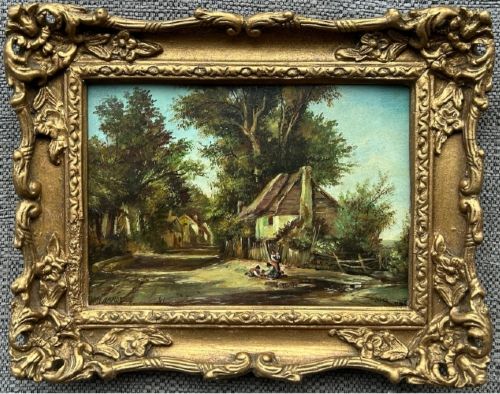
Finished works found their homes within period frames constructed from gilt wood, gesso, and carved timber. These protective surrounds often feature ornate decorative mouldings that complement the depth of the oil paintings within.
Several canvases quietly preserve the muddy paw prints of farm dogs that trotted too close to the easel.
Distinctions in craftsmanship and execution
Quality rests in the handling of light, brushwork precision, and the structural integrity of the support material. Superior compositions display confident pigment application that gives water translucency and foliage distinct movement.
The sophistication of the original frame and the clarity of the artist's signature further differentiate exceptional works from standard school paintings. Masterful control over atmospheric perspective separates fine gallery pieces from simpler regional studies.
Richard Sebastian Bond·William Beattie Brown·William H Myers·Tom Campbell·William Howard Hardy·John Horace Hooper·Hendrik Willem Schweickhardt·Alfred Fontville de Breanski·George Houston·Thomas Barker of Bath·Thomas W Lascelles·David Bates·Thomas Smythe·Robert John Hammond·Walter Heath Williams·Thomas Creswick·Thomas Sidney Cooper
The Traditional Oil Landscape Art Glossary
- Oil on Canvas
- Pigments mixed with drying oils applied to a woven fabric support stretched across a wooden frame. This primary method allowed artists to achieve rich textures and lasting depth.
- Wood Panel
- A rigid wooden board utilised as a painting surface before and alongside stretched canvas. Panels offered a stable ground that preserved fine brushwork over centuries.
- Giltwood
- Timber carved and coated with a thin layer of gold leaf or metallic powder. This material defined the ornate frames enclosing traditional landscapes.
- Gesso
- A paint mixture consisting of a neutral binder mixed with chalk, gypsum, or pigment. Artisans used this substance to prepare wooden panels and frame mouldings before gilding.
- British Impressionism
- A painting approach focusing on light and everyday subjects adopted by British artists in the late nineteenth and early twentieth centuries. This style brought looser brushwork to traditional rural views.
Traditional Oil Landscape Art: Frequently Asked Questions
How do I date an oil landscape?
Dating relies on stylistic clues, framing materials, and the preparation of the canvas or wood panel behind the pigment. Painters altered their palettes and compositional structures across the eighteenth, nineteenth, and twentieth centuries.
Examinations of stretcher bars, canvas weaves, and inscriptions provide further context. Comparing brushwork techniques to documented oeuvres helps narrow the active period of the artist.
Where should I hang an oil painting?
These works require placement away from direct sunlight and excessive moisture to preserve the stability of the canvas and oil pigments. Stable indoor environments prevent warping in wooden panels and cracking in aged paint layers.
Wall spaces with controlled ambient temperature allow the gilt wood frames and rich colours to endure safely. Proper clearance from heating elements protects both the structural support and the delicate gesso.
What is the difference between canvas and panel?
Canvas provides a flexible, textured woven support that absorbs environmental changes differently than rigid wooden boards. Works executed on wood panels often display finer detail due to the smooth, unyielding nature of the prepared surface.
Both supports remained popular across different periods and regional schools. Collectors value each medium for the distinct textural quality it imparts to the finished landscape.
How do I identify the school of a painting?
School identification depends on subject matter, regional clothing styles, architectural details, and local handling of light and atmosphere. British and continental works often carry distinct palettes reflecting their geographical origins.
Unsigned pieces are frequently attributed to particular schools by comparing their compositional elements with documented regional painters. Landscapes from the Norwich or Scottish schools exhibit characteristic regional topography and lighting.