


Gold Leaf China Dish
These gold leaf china dish examples bring hand-painted artistry and fine porcelain to the table, offering a touch of period elegance for any room.

Gold Leaf China Dish
A gold leaf china dish encompasses fine porcelain serving dishes, dessert plates, and cabinet plates decorated with rich gilding.
The pieces on this page span from Georgian and Victorian eras through to the early twentieth century, reflecting varied British and continental ceramic traditions.
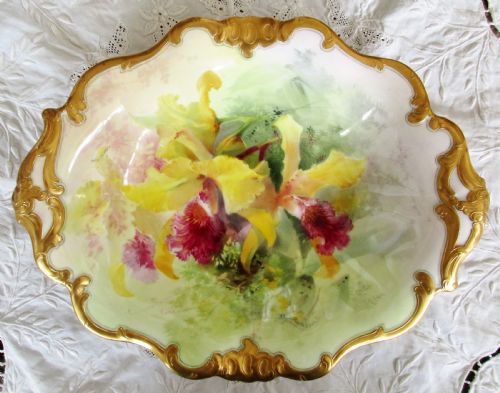
Buyers commonly encounter decorative plates and twin-handled serving dishes designed for display or formal dining rather than daily kitchen use.
Materials and construction
Makers utilised hard-paste and bone china as the ceramic base, shaped into traditional forms like basketweave plates and cabinet dishes.
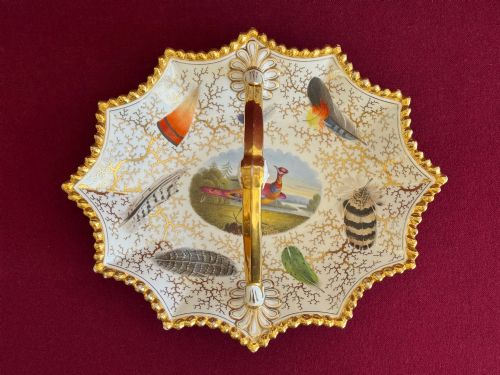
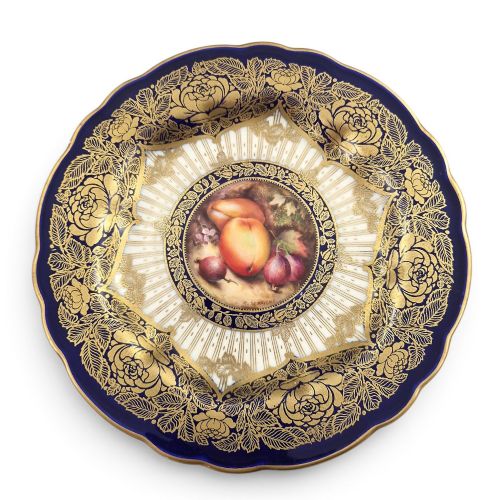
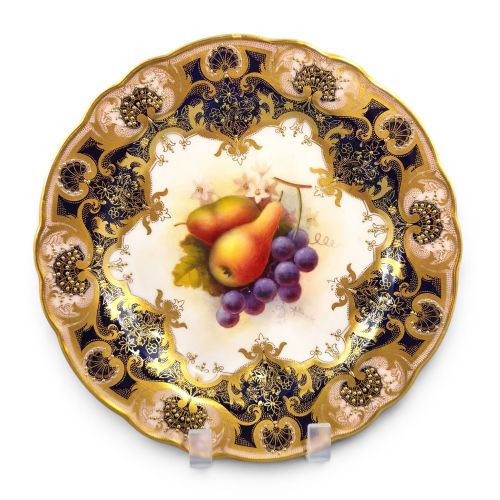
Skilled artisans applied hand-painted details depicting fruit, birds, orchids, and butterflies directly onto the porcelain body.
Gold leaf, gilt, and gold gilding were meticulously hand-applied to rims, handles, and borders to catch the light.
Butterflies and orchids share cabinet space with hand-painted peaches, proving nineteenth-century artists loved nature in all its forms.
Assessing quality and craftsmanship
The skill of the hand-painted decoration separates standard production from exceptional works, particularly where named artists contribute detailed botanical or wildlife studies.
The crispness of the moulded shape and the generosity of the gold leaf or gilding indicate the original workshop's standing.
Well-preserved painted surfaces and intact gilding reflect both the initial firing quality and the subsequent care given by previous owners.
Royal Worcester·Royal Doulton·Copeland·Minton·Barr, Flight and Barr·Meissen·Royal Crown Derby
The Gold Leaf China Dish Glossary
- Cabinet plate
- A decorative ceramic plate intended primarily for display in a cabinet rather than for serving food. These pieces often feature elaborate painted scenes.
- Bone china
- A type of soft-paste porcelain incorporating bone ash, known for its high strength, chip resistance, and translucent body.
- Gilding
- The application of gold leaf or gold powder to a surface. On ceramics, it provides a metallic border or accent.
- Rococo Revival
- A nineteenth-century design style drawing on eighteenth-century Rococo motifs, characterised by asymmetrical curves, scrollwork, and naturalistic forms.
- Hand-painted
- Decorated directly by an artist using a brush rather than through transfer printing. This method ensures each piece is unique.
Gold Leaf China Dish: Frequently Asked Questions
Were these dishes used for dining?
Many items like dessert plates and serving dishes were made for dining tables during the Georgian and Victorian periods. Others, particularly cabinet plates, were strictly meant for display.
Over time, changing household habits turned many utilitarian serving pieces into decorative cabinet items kept behind glass.
How do I date a porcelain dish?
Dating relies heavily on factory backstamps, ceramic bodies, and stylistic markers specific to periods like the Regency or Edwardian era. Hand-painted signatures and pattern numbers also help narrow down the decade of production.
Comparing the shape and paste to documented examples from makers such as Worcester or Minton provides a reliable timeline.
Can I use gilt dishes for food?
Using antique gilt porcelain for serving food is technically possible, but hand-washed care is essential to protect the delicate gold leaf. Modern dishwashers and harsh detergents will quickly wear away the metallic gilding.
Most collectors choose to keep these pieces for display or gentle occasional use to preserve the painted artwork.
What does cabinet plate mean?
A cabinet plate is a decorative ceramic piece produced for its visual appeal rather than practical dining use. They often feature intricate hand-painted fruit, floral studies, or landscapes.
These plates usually measure standard dinner or dessert sizes and were displayed in glass-fronted cabinets in formal rooms.