
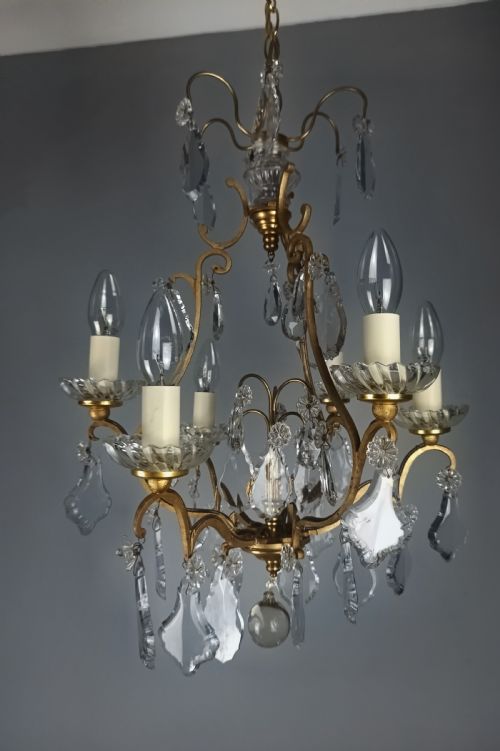
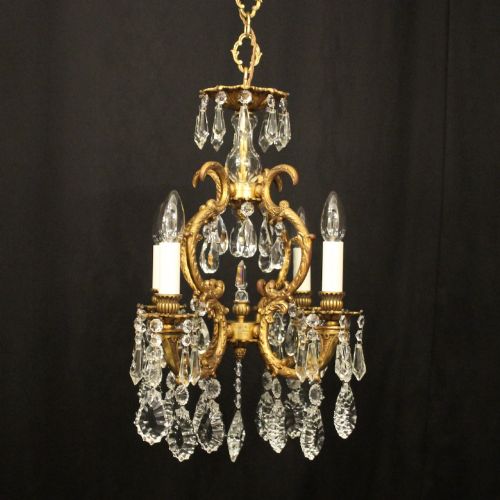
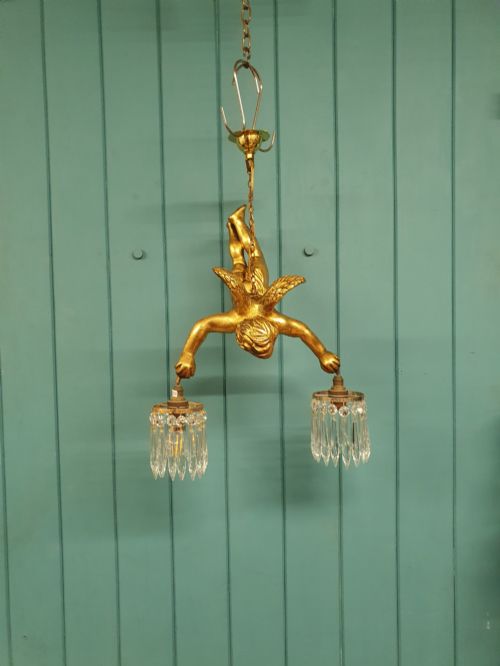
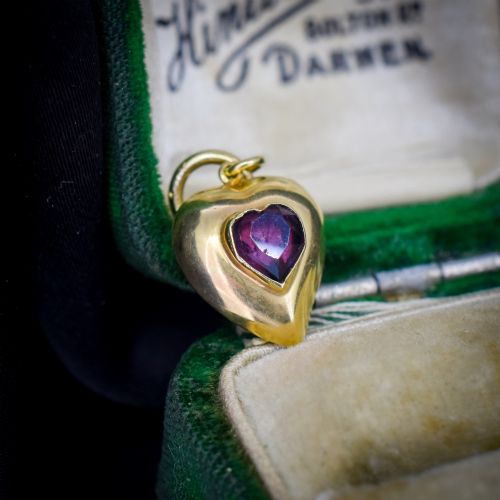


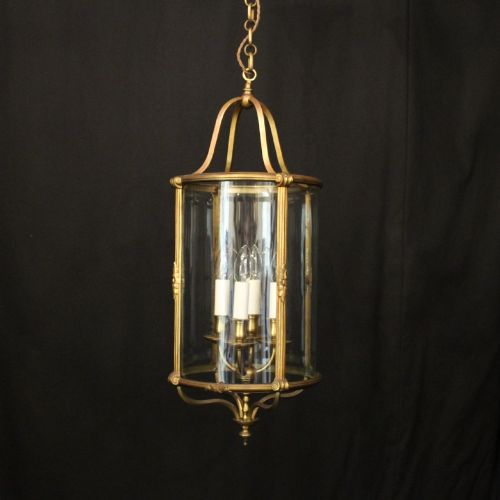
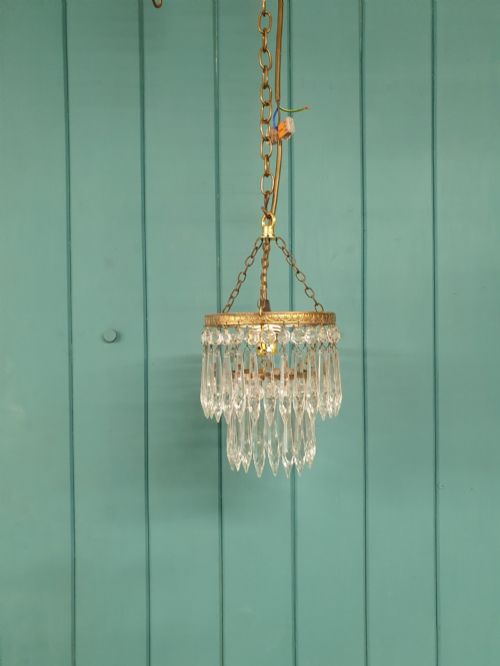
Gold Glass Pendant
These gold glass pendant options bring together metal frames and lustrous glass, offering a distinctive way to wear or hang period work.
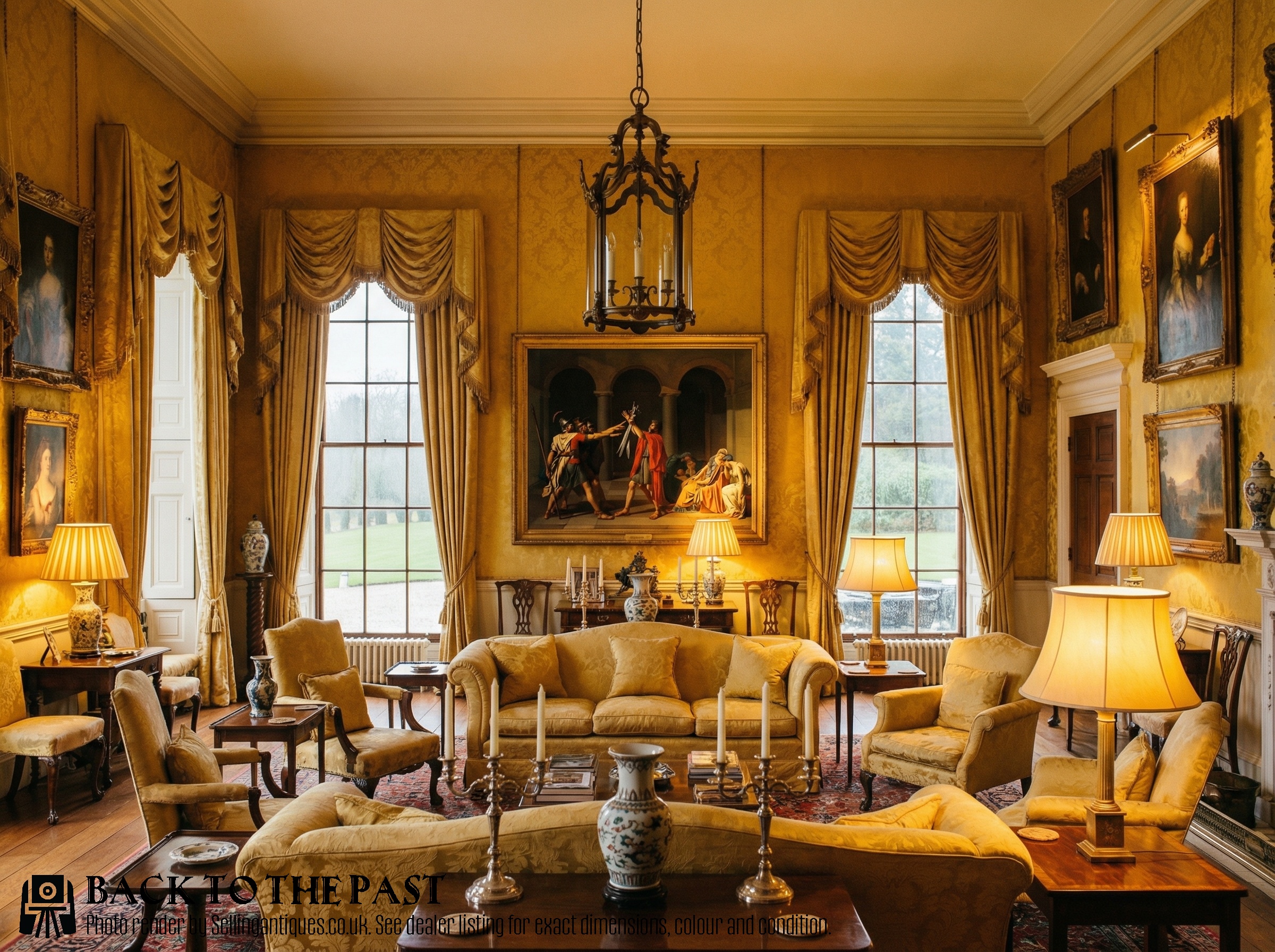
Gold Glass Pendant
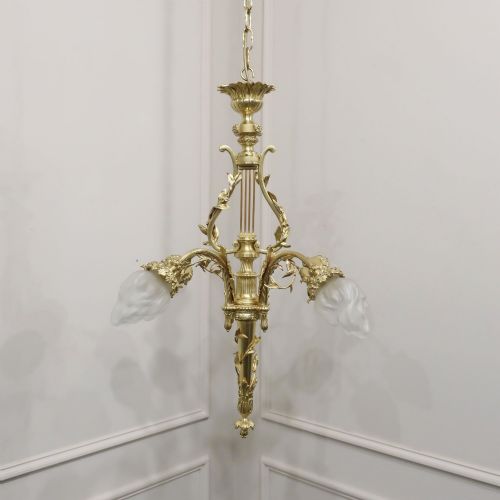
A gold glass pendant encompasses items designed for suspension or personal wear, combining metallic settings with glass elements. Buyers searching for a gold glass pendant will encounter pieces ranging from Victorian lockets with glass backs to Edwardian gold drops and hall lanterns with glass panels.
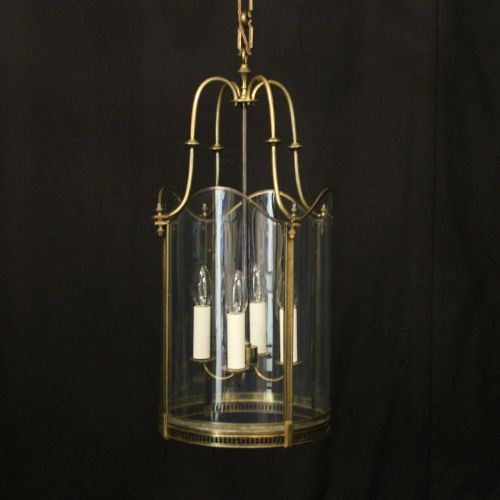
The selection leans heavily toward items created during the nineteenth and early twentieth centuries, including Edwardian and Victorian examples alongside later twentieth-century pieces. Common formats include lockets with glass compartments, paste drop necklaces, and architectural glass hall lanterns framed in brass or gilt metal.
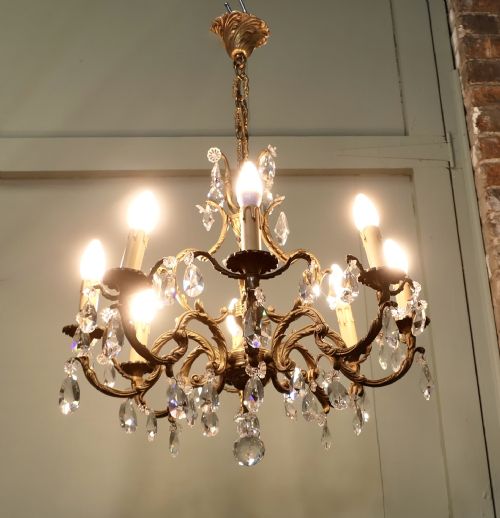
Origin points span English and French workshops, encompassing styles from French Neoclassical to Art Nouveau and Victorian revivalism. The unifying thread is the interplay between a gold or gilded frame and glass components, whether cut crystal or transparent compartment covers.
Materials and construction methods
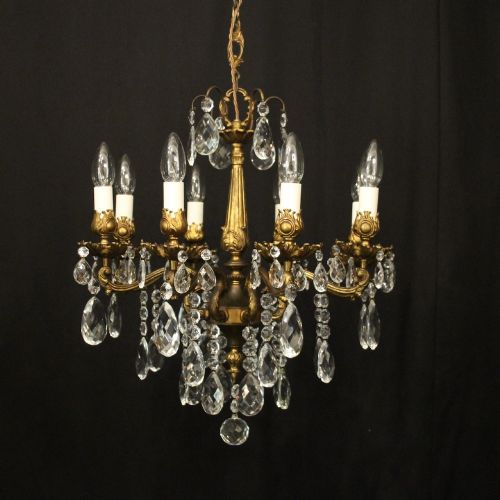
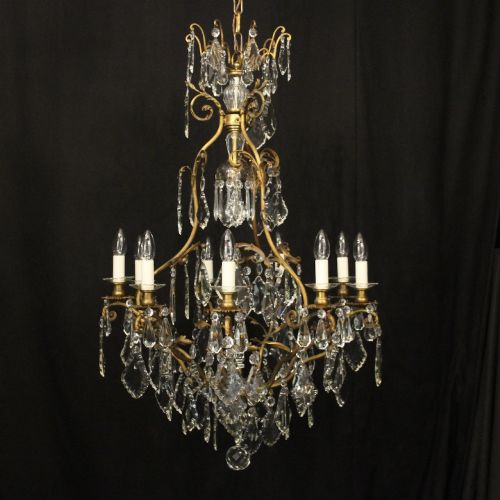
Items rely on a foundation of gold, nine-carat gold, eighteen-carat gold, or gilded brass and bronze, providing structural metalwork that holds glass securely in place. Craftsmen utilised cut glass, crystal glass, and plain or etched glass panels to catch and refract light.
Assembly involved soldering metal frames, setting paste stones or gems such as amethyst and pearl, and securing glass panes into lanterns or locket backs. Gilt metal and gilt bronze received surface treatments to achieve a uniform golden tone across brass frameworks.
Listings feature items spanning the nineteenth century, the Edwardian era, and the 1920s and 1930s, using glass, brass, crystal, and gold.
Assessing quality and craftsmanship
Quality rests upon the precision of the metalwork, the clarity and cut of the glass, and the integrity of the settings. Finer examples display crisp casting in gilt bronze or detailed engraving on gold locket frames, alongside tightly fitted glass components without excessive movement.
The distinction between standard production and superior work lies in the depth of hand-finishing, the quality of the gilt surfaces, and the use of genuine precious metals paired with well-faceted crystal or intact etched glass rather than basic pressed alternatives.
The Gold Glass Pendant Glossary
- Gilt bronze
- Bronze that has been treated with a thin layer of gold to give the appearance of solid gold metal. It provides durability while maintaining a bright finish.
- Paste
- Hand-cut glass or lead crystal used to imitate gemstones in historical jewellery. It is set into metal mounts in the same manner as precious stones.
- Hall lantern
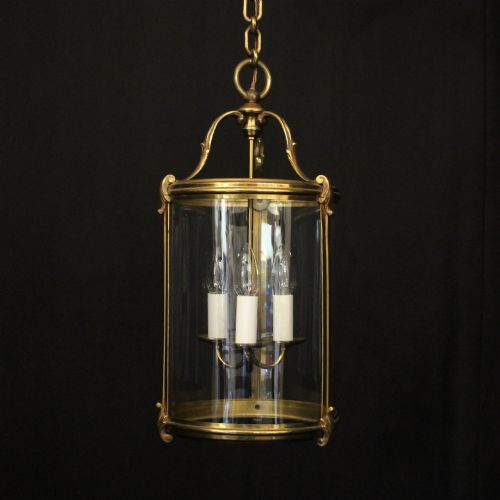
- An enclosed ceiling light designed for entranceways, typically featuring glass panels set within a brass or gilt frame. These fixtures often employ convex or etched glass.
- Locket
- A small ornamental case worn on a chain, hinged to open and reveal a space for a portrait or keepsake. Many historical versions incorporate glass backs for displaying hair or photographs.
- Tent and waterfall
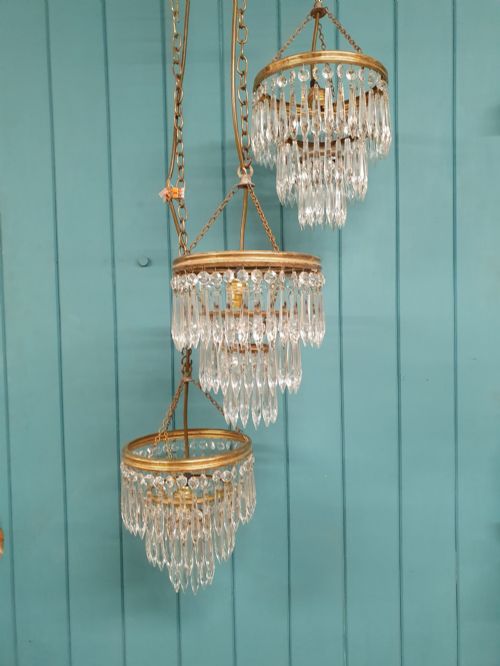
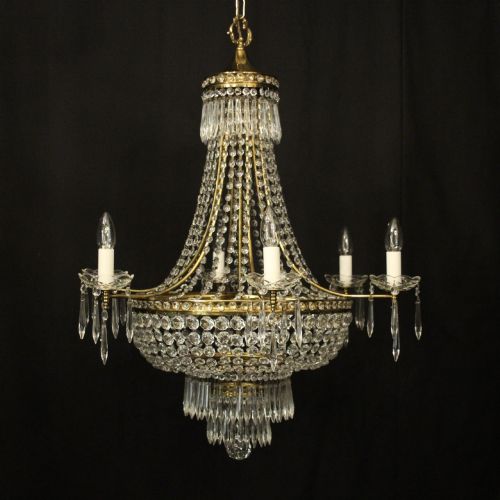
- A chandelier configuration where strings of glass crystals form a tent shape above a cascading arrangement of drops. This style is frequently found in French lighting from the early twentieth century.
Gold Glass Pendant: Frequently Asked Questions
What is a gold glass pendant?
A gold glass pendant refers to jewellery or small hanging objects that combine gold or gilt metals with glass components. This category includes lockets with glass compartments and delicate drop necklaces.
The materials typically involve nine-carat or eighteen-carat gold alongside crystal or glass elements, originating from the Victorian, Edwardian, and early twentieth-century periods.
How do I date a piece?
Dating relies on stylistic markers such as the flowing organic lines of Art Nouveau or the symmetrical motifs of French Neoclassical design. Hallmarks on gold components and construction techniques also help establish the era.
Items span the nineteenth century through the Edwardian era and into the 1920s and 1930s, each displaying distinct manufacturing traits associated with those decades.
Were these items used for portraits?
Many locket pendants from the Victorian and Edwardian periods were specifically designed to hold miniature portraits or locks of hair. These compartments were frequently protected behind transparent glass or crystal covers.
This practical function allowed wearers to keep miniatures close, combining ornamental goldwork with secure glass viewing windows.