


Gold Gilt Hall Table
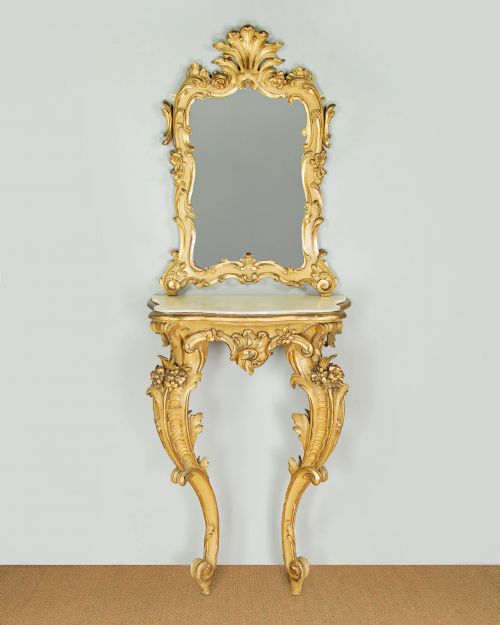
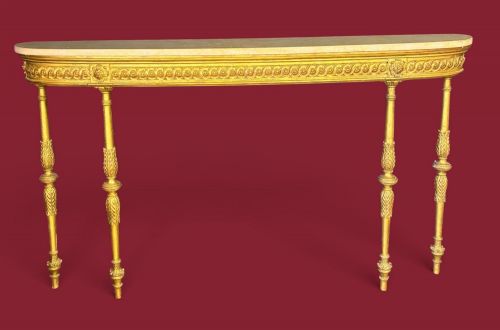
A gold gilt hall table brings architectural presence into an entrance, combining carved woodwork with heavy marble surfaces.
Gold Gilt Hall Table
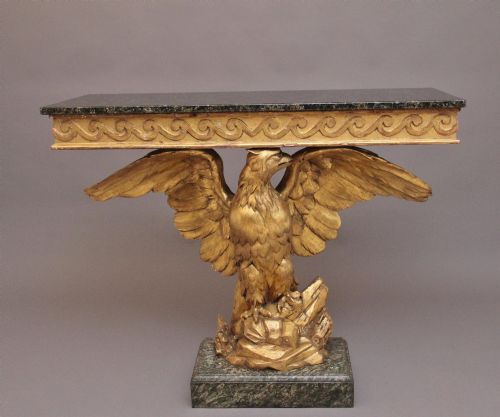
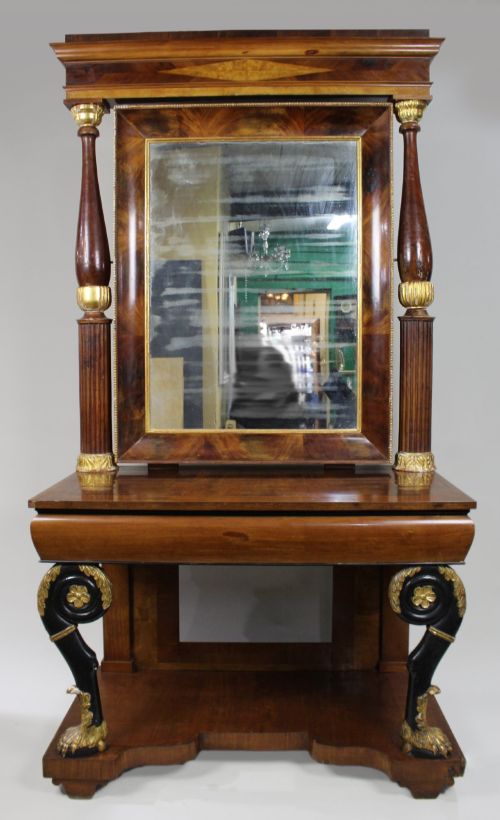
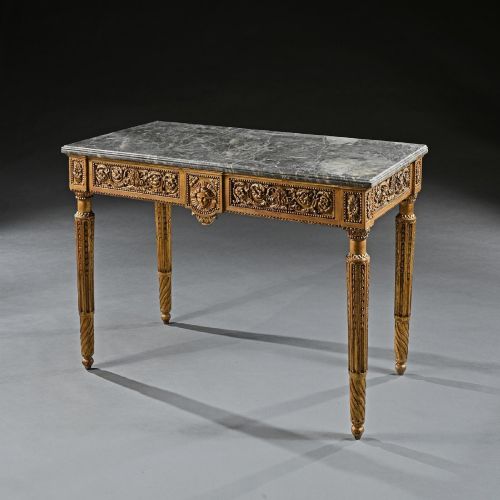
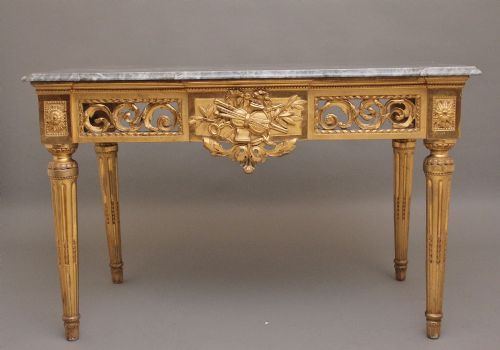
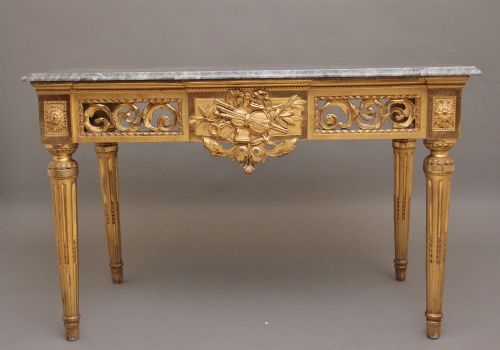
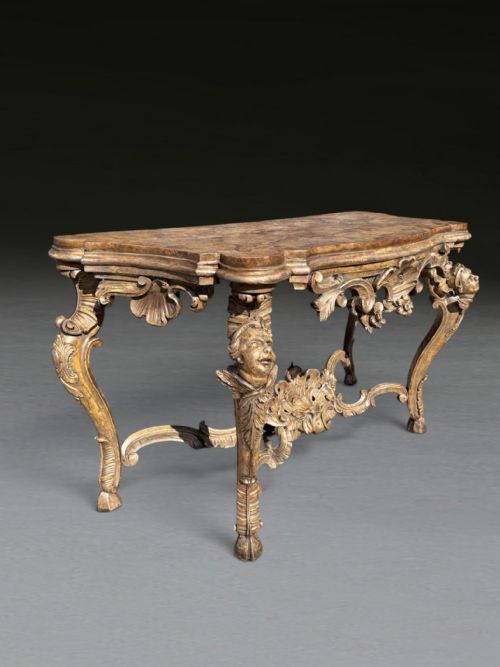
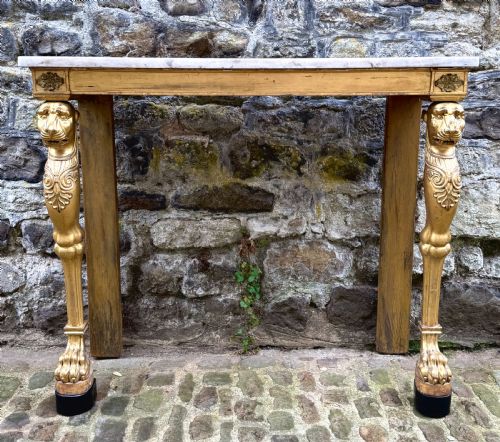
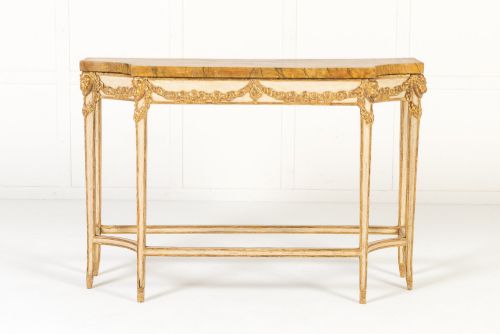
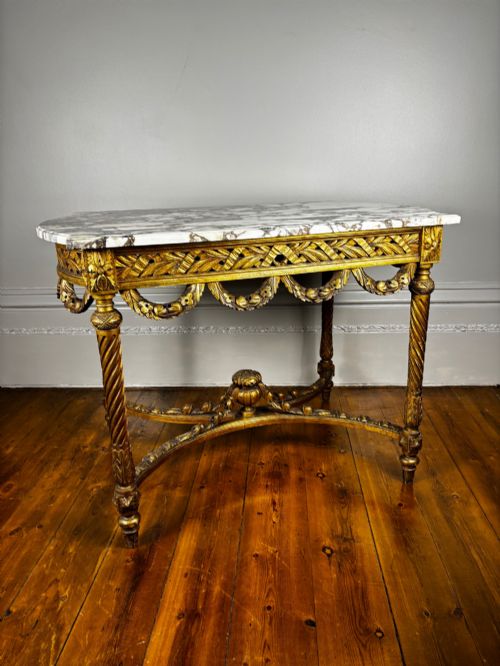
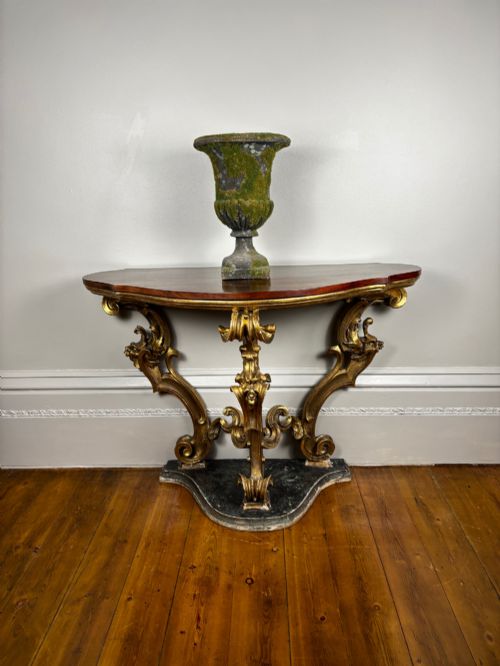
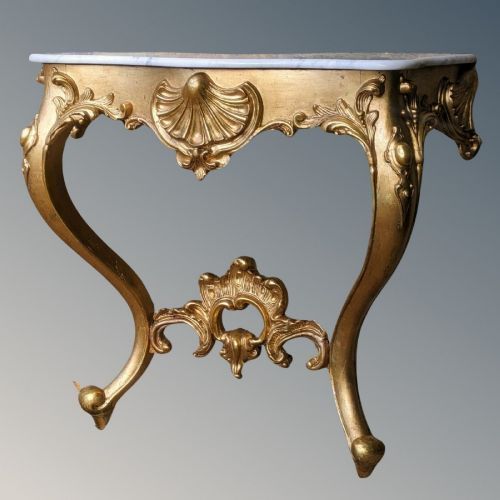
A gold gilt hall table typically manifests as a console table designed to sit flat against a wall, frequently paired with a matching pier mirror. When searching for this phrase, buyers encounter examples ranging from 18th-century Italian workshops to early 20th-century revivals.
Materials and construction methods
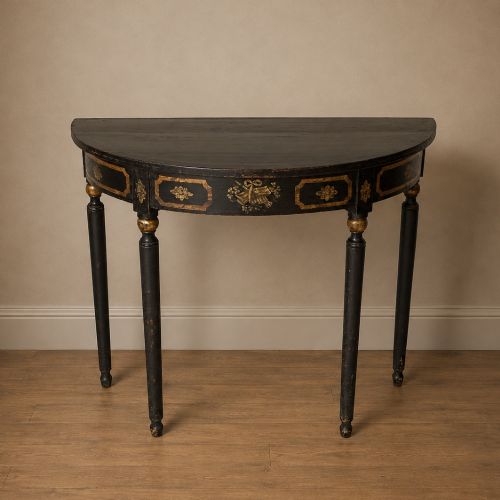
The construction relies on carved wood, gesso, and gold leaf applied to form rich gilded surfaces, sometimes complemented by parcel gilding on painted wood or ebonised grounds. Frames are built from timber such as mahogany or softer woods prepared to receive intricate carved detail in styles spanning Rococo, Neoclassical, and Regency.
Heavy stone surfaces, including rouge and white marble, rest upon these carved wooden bases to provide a functional and decorative top. Silver gilt and paint also appear on select pieces alongside glass elements found within associated pier mirrors.
Materials recorded across the inventory include giltwood, gesso, ebonised timber, and various grades of marble such as Carrara and breccia.
Distinctions in grade and execution
Quality rests heavily on the depth and crispness of the wood carving beneath the gilding, where hand-chiseled detail outperforms mechanical shaping. The application of gold leaf and the integrity of the underlying gesso layers dictate how light reflects across the ornamentation.
The selection and thickness of the marble top also separate standard items from superior pieces, particularly when dealing with figured breccia or specimen marble slabs. Structural stability in the joints and the preservation of the original gilt surface remain central to the overall standard.
Holland + Son
The Gold Gilt Hall Table Glossary
- Giltwood
- Timber that has been coated with gold leaf over a prepared layer of gesso. This finish creates a brilliant reflective surface characteristic of formal period furniture.
- Console table
- A table designed to stand against a wall, historically fixed with brackets or supported by front legs. These items serve a decorative and functional role in halls and reception rooms.
- Parcel gilt
- A decoration method where only specific carved portions or details of a painted or dark wood object are gilded. This technique creates contrast against ebonised or mahogany grounds.
- Breccia marble
- A multicoloured stone composed of angular fragments embedded in a fine-grained matrix. It provides a heavily patterned surface favoured on high-status tables.
- Demi-lune
- A half-moon shape used for table tops and frames. This outline allows furniture to sit flush against a wall while projecting into the room.
Gold Gilt Hall Table: Frequently Asked Questions
Where should I place a console table?
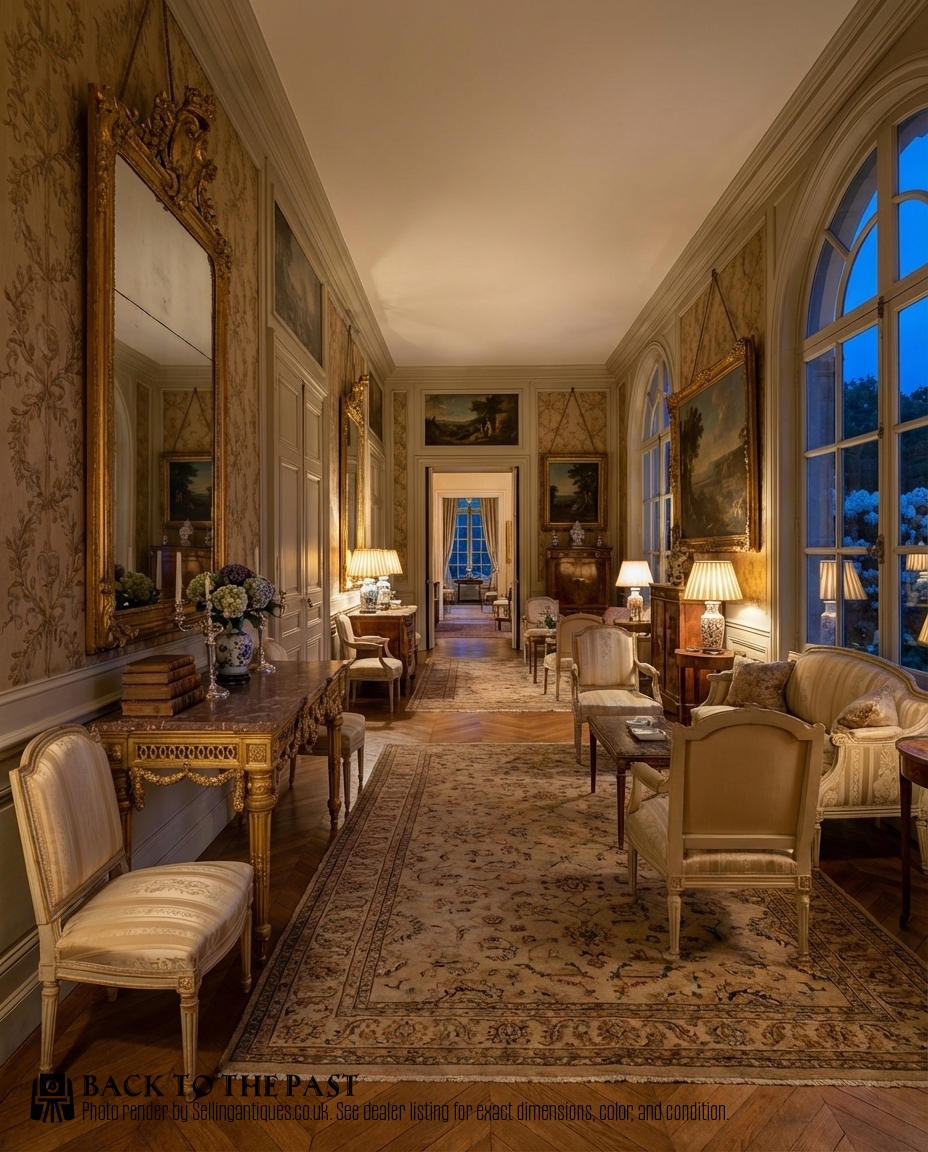
These tables fit naturally in entrance halls, corridors, or principal reception rooms against a blank wall. Their shallow depth allows them to occupy narrow circulation spaces without blocking pathways.
Matching them with a wall-mounted pier mirror creates a cohesive focal point upon entering a home. They provide a sturdy surface for decorative objects while maintaining an open floor plan.
How do I care for giltwood surfaces?
Giltwood requires gentle maintenance to protect the delicate gold leaf and gesso layers from damage. Dusting should be done lightly using a soft, dry brush without applying moisture or chemical cleaning agents.
Keep these tables away from direct sunlight and steady heat sources to prevent the wood from shifting. Protecting the surface from heavy impacts ensures the carved details remain intact.
What is the difference between a console and centre table?
A console table is designed with a flat back to sit directly against a wall, often requiring wall attachment for complete stability. They prioritise front decoration and shallow profiles.
Centre tables are finished on all sides so they can stand independently in the middle of a room. They feature symmetrical designs meant to be viewed from every angle.
How do I identify 18th-century Italian style?
Italian pieces from this period often display deep, exuberant carving rooted in Baroque and Rococo traditions. Look for dynamic motifs such as scrolling foliage, asymmetrical cartouches, and animal supports.
The integration of heavy marble tops and silver or gold leaf application further distinguishes these regional workshops from later English or French interpretations.