


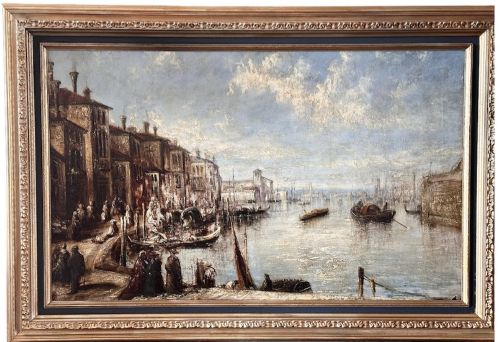

Gold Framed Seascape Artwork
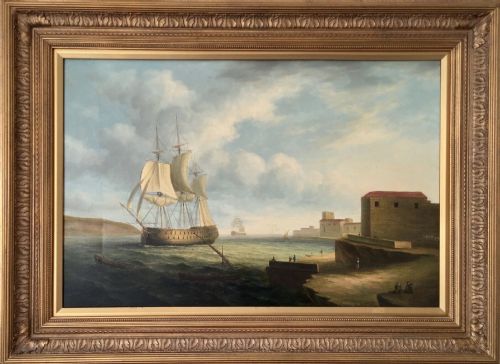
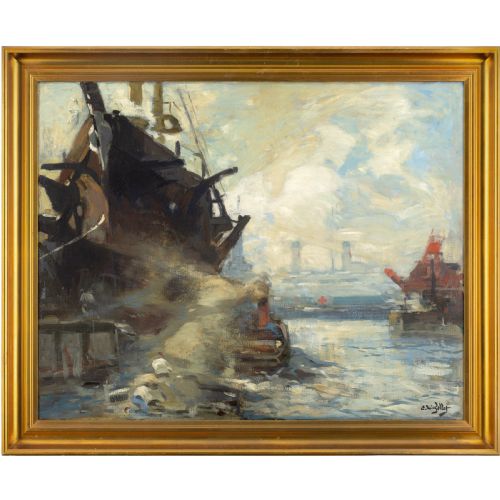
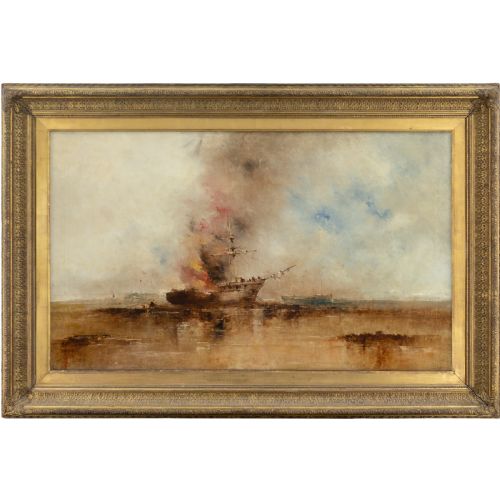
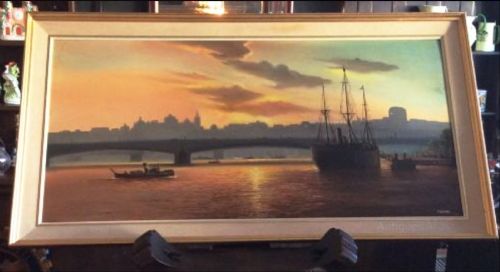
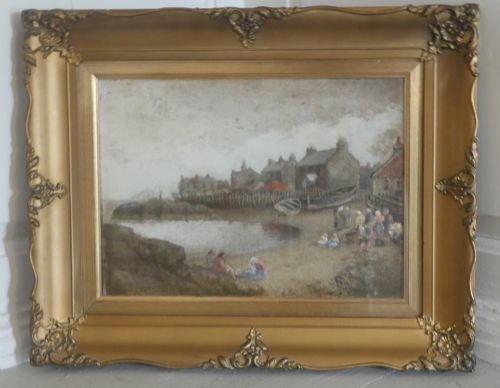
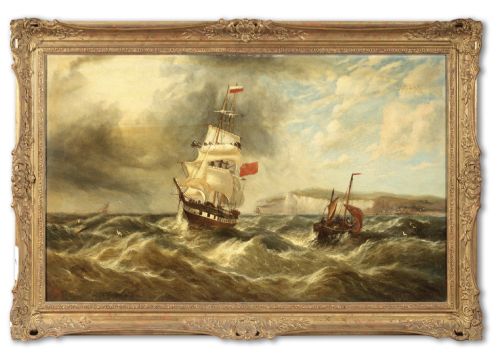
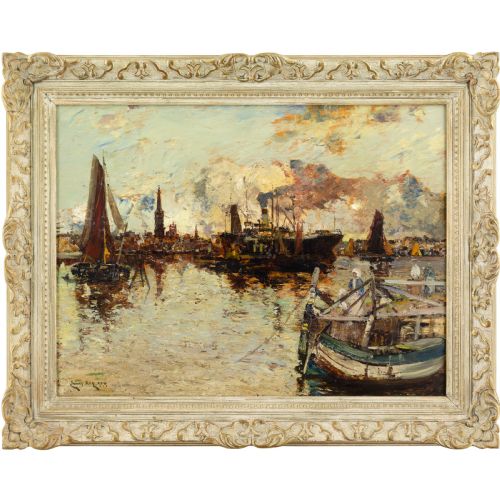
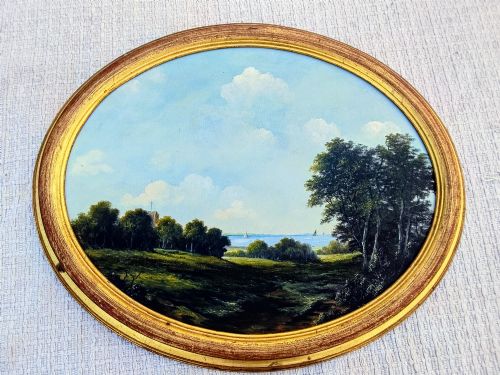
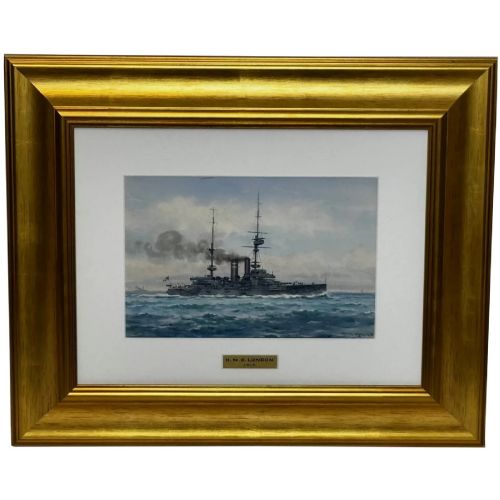
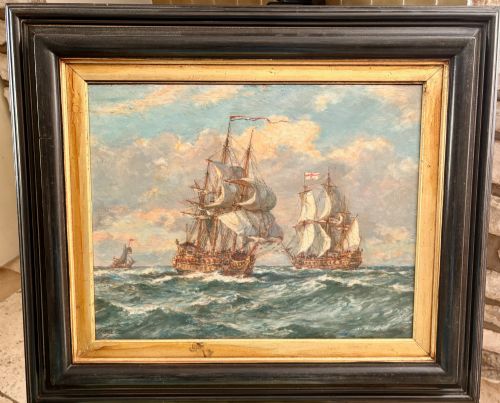
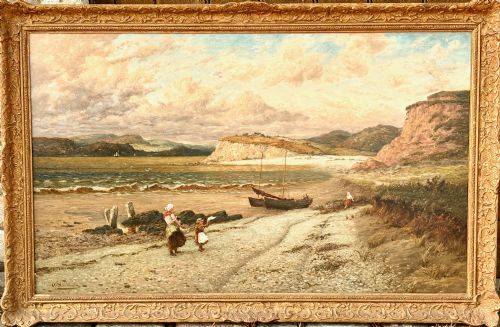
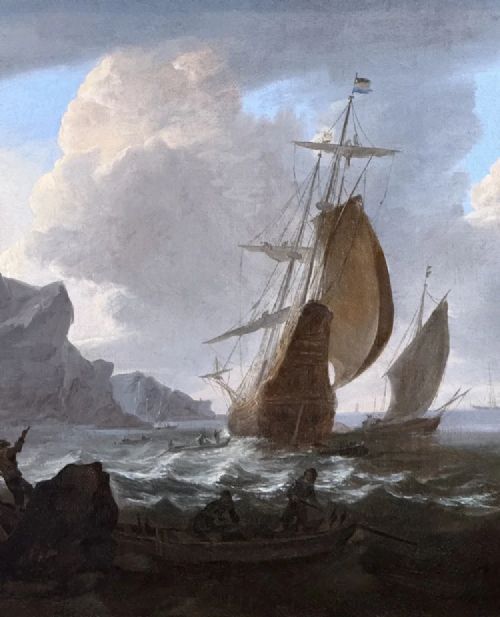
These gold framed seascape artwork pieces capture coastal shipping and harbour views through oils and watercolours set in ornate mouldings.
Gold Framed Seascape Artwork
When you search for gold framed seascape artwork, you encounter coastal views, maritime scenes, and harbour watercolours spanning from the seventeenth century through to the mid-twentieth century. The most common form on this page is the nineteenth-century oil painting on canvas, housed within a gilt wood frame.
Subjects range from British merchant ships and gale-tossed Dutch boats to serene Venetian canals and Cornish fishing harbours. Painters captured these marine vistas using traditional oil paint and watercolour on canvas, board, and panel.
How They Were Made
Artists applied oil paint or watercolour to canvas, wood panels, or stout paper boards to build up maritime scenes of shipping and coastal light. Canvases were stretched over wooden frames and secured before receiving layers of pigment that defined turbulent seas, skies, and vessels.
The enclosing frames combine carved or moulded wood finished with gilt and giltwood surfaces to complement the marine subjects within. Glass frequently protects the watercolour works on paper from atmospheric moisture and surface damage.
The listings on this site encompass periods from the seventeenth century through to the mid-twentieth century, featuring oil on canvas and watercolour media.
What Varies in Quality
Quality rests in the handling of light, atmosphere, and maritime detail across the canvas or paper surface. Skilled painters rendered rigging, waves, and coastal architecture with precision, whereas simpler works rely on generic formulas for water and sky.
The construction and finish of the gilt frame also distinguish the pieces. Deeply moulded, original giltwood surrounds reflect superior craftsmanship compared to simpler or later replacement frames.
Eugène-Louis Gillot·William McAlpine·Frank Watson Wood·Bernard Gribble·Bonaventura Peeters·Francis Moltino·Bernard Benedict Hemy·Willem Bos·Thomas Hodgson Liddell·William Henry Williamson·John Holland·George Stanfield Walters·Abraham Hulk I
The Gold Framed Seascape Artwork Glossary
- Giltwood
- Wood carved and covered with a thin layer of gold leaf or gilt. This material provides the ornate metallic border characteristic of many period art pieces.
- Marine art
- Depictions of the sea, ships, maritime engagements, and coastal views. This genre includes historical naval battles, merchant shipping, and quiet harbour scenes.
- Panel
- A flat piece of wood used as a rigid support for oil painting instead of stretched canvas. Panels offer a stable surface that resists the slackening common to fabric supports over decades.
- Watercolour
- A painting method where fine pigments are suspended in a water-soluble binder applied to paper. These works require glass protection to preserve the delicate pigments from humidity.
Gold Framed Seascape Artwork: Frequently Asked Questions
How do I date an old seascape painting?
Examine the materials of the canvas, panel, and stretcher bars alongside any artist signatures or inscriptions on the reverse. Costume details on figures and the style of the sailing vessels also offer clues to the decade of creation.
Frame construction provides additional evidence, as nineteenth-century giltwood mouldings differ noticeably in joinery and composition from later twentieth-century substitutes.
Where should I hang a marine oil painting?
Choose a wall away from direct sunlight and sudden temperature shifts to protect both the oil pigments and the gilt wooden frame. Stable indoor conditions prevent the canvas from slackening and the wood from warping.
Ensure the hanging height places the centre of the artwork at eye level so the painted horizon and coastal details can be easily appreciated.
Are watercolours framed differently from oil paintings?
Watercolour paintings on paper require glass protection and mounts to keep the paper surface from touching the glazing. Oil paintings on canvas or panel are left open to the air without glass so the paint surface can breathe.
Consequently, antique watercolours rely on tighter sealed frames to exclude dust and moisture.
What is the difference between marine and coastal art?
Marine art focuses primarily on ships, open seas, naval engagements, and deep-water activities. The vessel and the behaviour of the water take precedence over the land.
Coastal art places greater emphasis on the shore, harbours, cliffs, and beach life, featuring land-based viewpoints looking out toward the water.