


Gold Framed Military Portrait
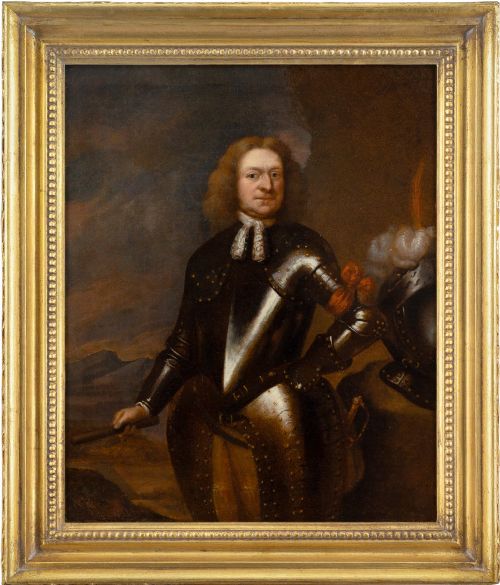
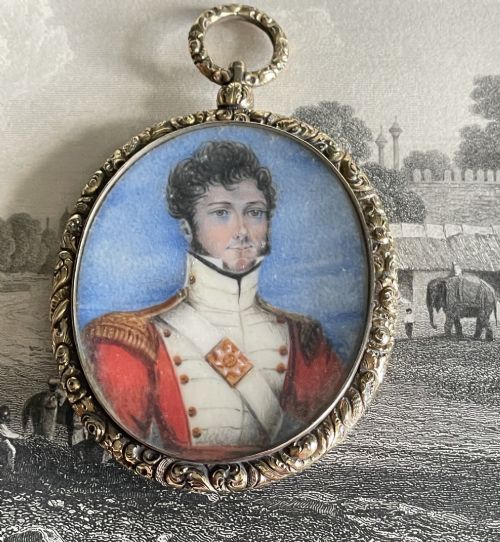
A gold framed military portrait captures the commanding presence of officers and commanders from centuries past, preserved through oil on canvas or delicate miniatures.
Gold Framed Military Portrait
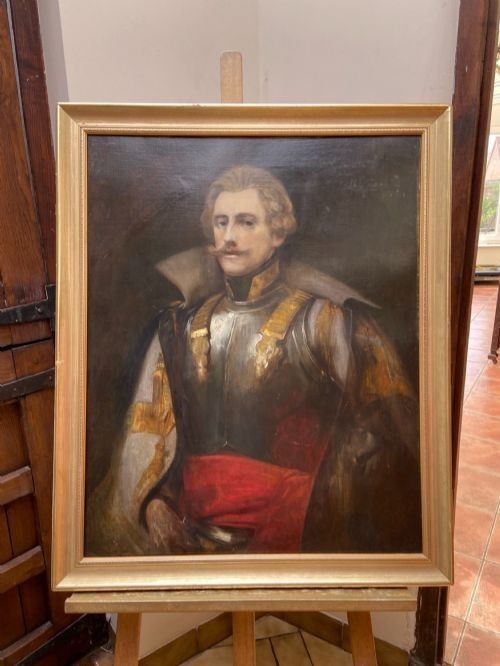
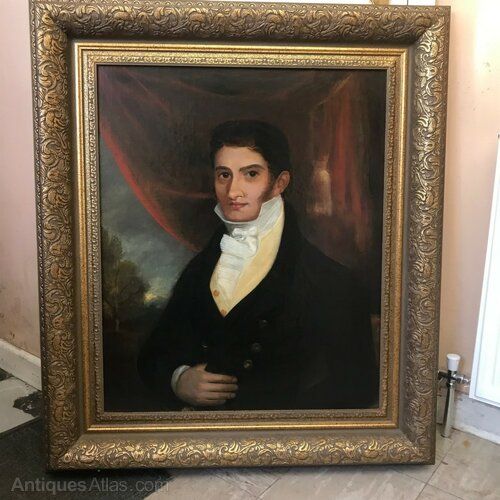
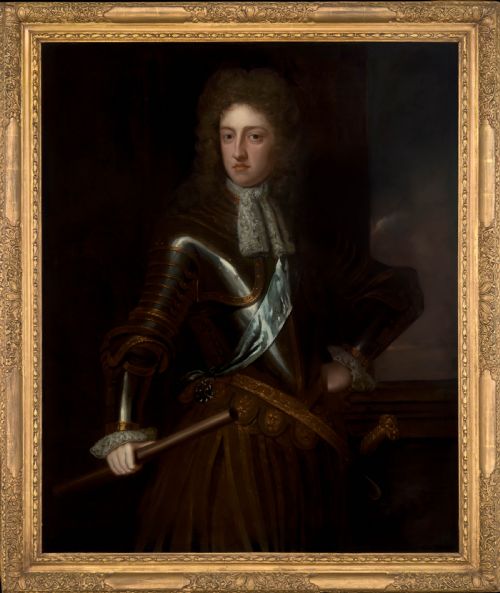
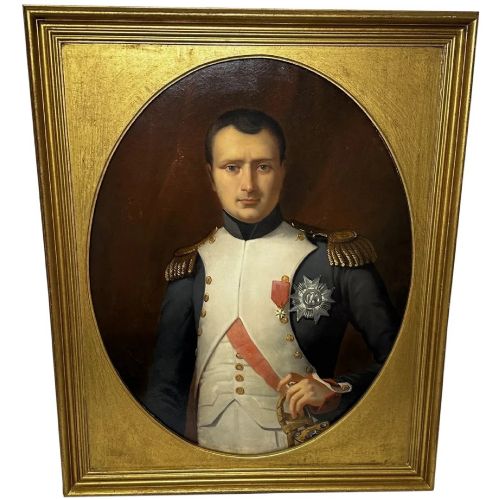
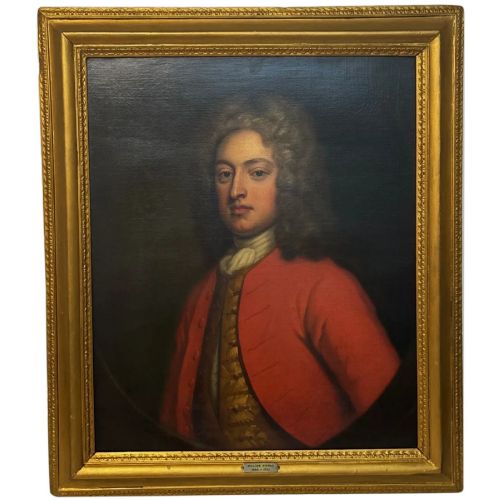
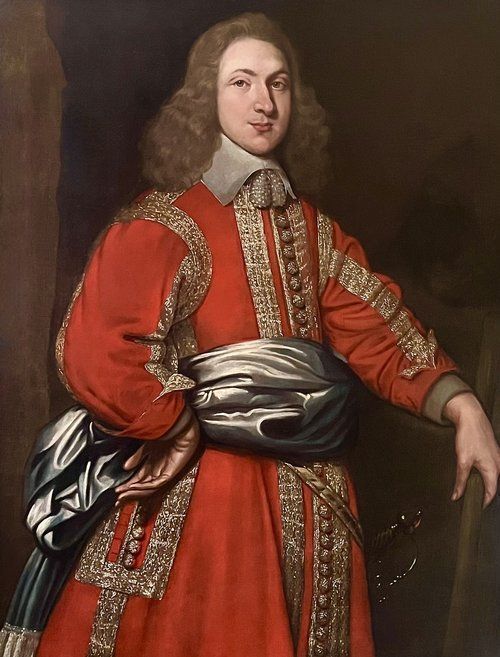
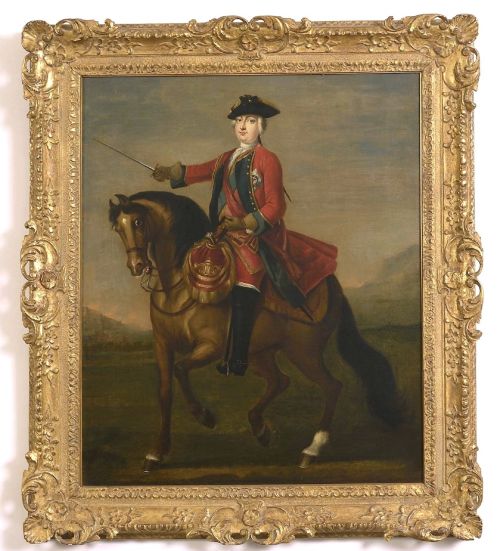
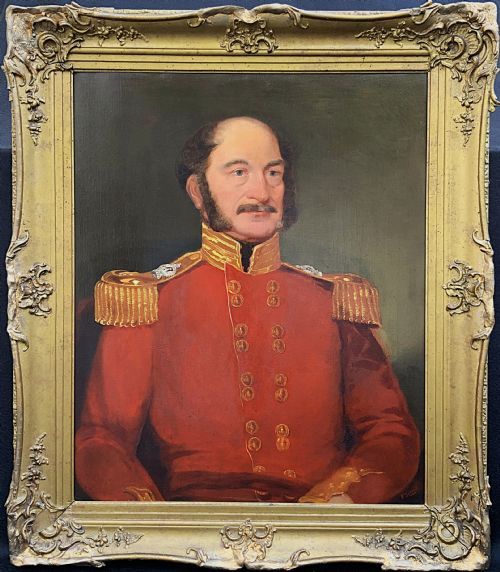
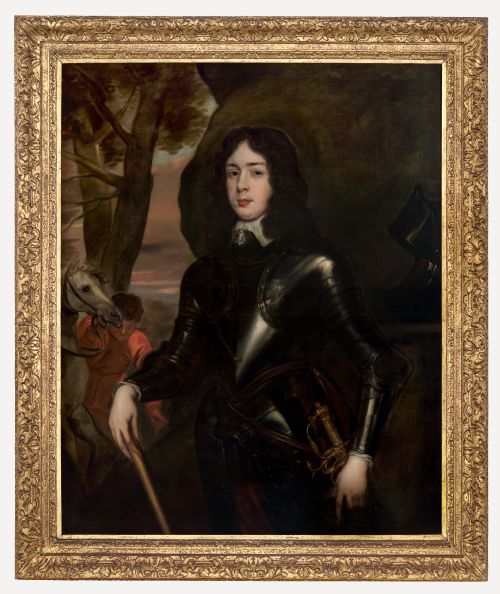
A gold framed military portrait presents officers, generals, and naval commanders rendered across the seventeenth, eighteenth, and nineteenth centuries. These works record subjects in uniform, armour, or ceremonial dress, frequently set within gilded surrounds.
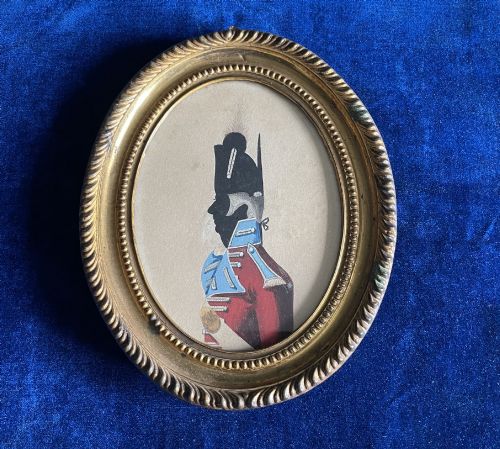
The selections available range from large canvas oil paintings by named British and European schools down to intimate miniature watercolours on agate panels. Portraits span figures from the Madras Presidency Service to the Royal Artillery and Napoleonic campaigns.
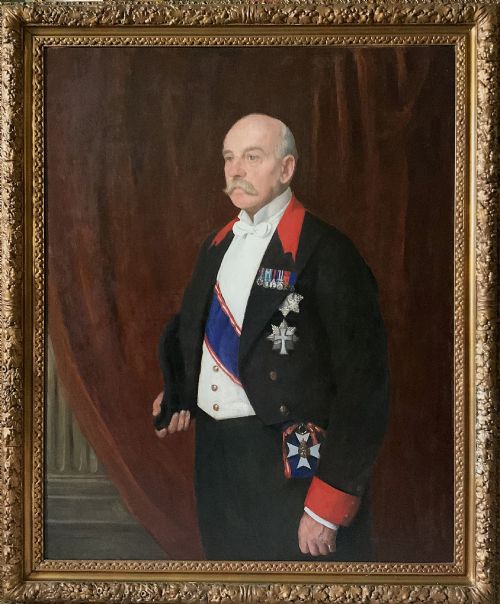
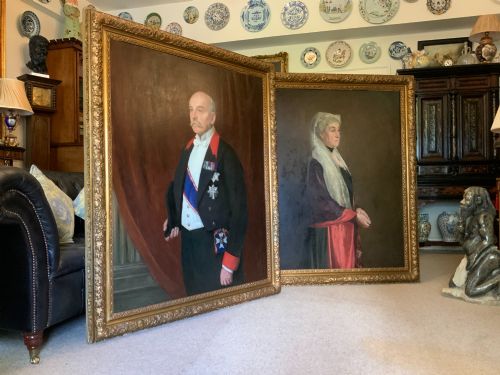
Subjects appear in various settings, including field commanders outside fortresses, royalist officers with horses, and formal half-length studies displaying service medals and sashes.
Materials and execution
The works utilise oil on canvas or panel, watercolour, and occasionally silkwork or agate panels for portrait miniatures. Canvas supports are stretched over wooden frames, whilst miniatures use precious metals including eighteen-carat gold.
Giltwood and gold leaf provide the primary framing materials, often shaped with ornate mouldings characteristic of periods from the Baroque through to the Victorian era. Pigments are applied by hand using traditional brushwork techniques appropriate to each century.
Several officers share wall space with an equine military participant named Balmoral.
Evaluating the pieces
Quality rests upon the skill of the brushwork in capturing facial likeness and uniform detail, alongside the preservation of the original canvas and paint layer. Superior examples demonstrate confident handling of textiles, armour reflections, and facial expression by the artist.
The integrity and original state of the giltwood or gold leaf framing influence the overall character of the piece. Period frames that match the age of the portrait enhance historical cohesion.
Sir Godfrey Kneller·Sir Anthony van Dyck·John Wootton·Thomas Hudson·Nicolas De Largillière·Ernest Crofts·Edward Pugh·Francis Russell Flint
The Gold Framed Military Portrait Glossary
- Giltwood
- Wood carved and coated with gold leaf or metallic powder. This material forms the decorative surrounds typical of many antique picture frames.
- Portrait Miniature
- A small, highly detailed painting executed on ivory, vellum, card, or agate. These small works were often designed to be worn or carried.
- Oil on Canvas
- Pigment mixed with drying oil applied to a woven fabric support. This combination provides durability and depth of colour for large-scale military paintings.
- Baroque
- An artistic style prevalent during the seventeenth and early eighteenth centuries. It is characterised by dramatic movement and rich detail.
- Regency
- A period in British history spanning the early nineteenth century. Works from this time often reflect neoclassical influences in portraiture and framing.
Gold Framed Military Portrait: Frequently Asked Questions
How do I identify the military rank from the portrait?
Uniform details, epaulettes, sashes, and specific headwear often indicate the rank and regiment of the sitter. Service medals and orders of chivalry also provide clues to their military standing.
Researching the historical context of the uniform style or consulting military records associated with the named sitter helps confirm their position.
Are these portraits original period pieces?
The listings comprise works created in the seventeenth, eighteenth, and nineteenth centuries, alongside mid-twentieth-century historical depictions. Dating relies on stylistic analysis of the painting technique, costume, and framing.
Many pieces retain documentation or attribution to specific schools or artists active during those periods.
How should I hang a heavy giltwood framed portrait?
Large oil paintings with substantial giltwood frames require secure wall fixings anchored directly into wall studs or masonry. Professional picture hanging hooks rated for the specific weight of the frame must be utilised.
Positioning the work away from direct sunlight and damp conditions protects both the canvas and the gilded wood over time.
What is the difference between a full-scale portrait and a miniature?
Full-scale portraits are typically painted in oil on large canvas supports designed to be displayed prominently on walls. Portrait miniatures are executed on a much smaller scale, often on panel, ivory, or agate.
Miniatures were frequently intended for personal carriage or intimate display rather than public room decoration.