



Monarch Oil Painting
A monarch oil painting captures the striking likeness of a sovereign or a royal figure, bringing centuries of history onto canvas.
Monarch Oil Painting
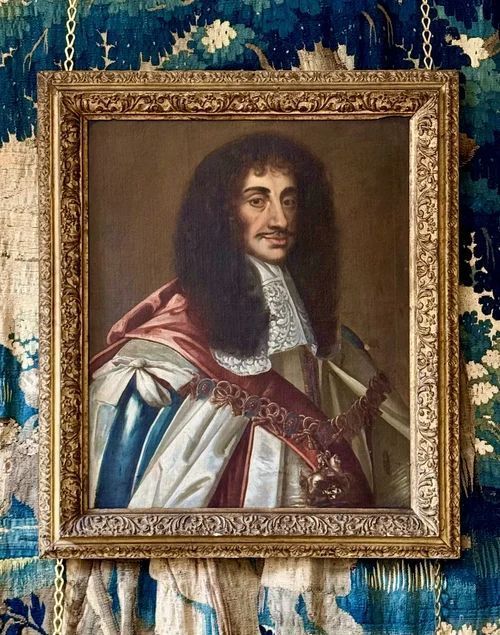
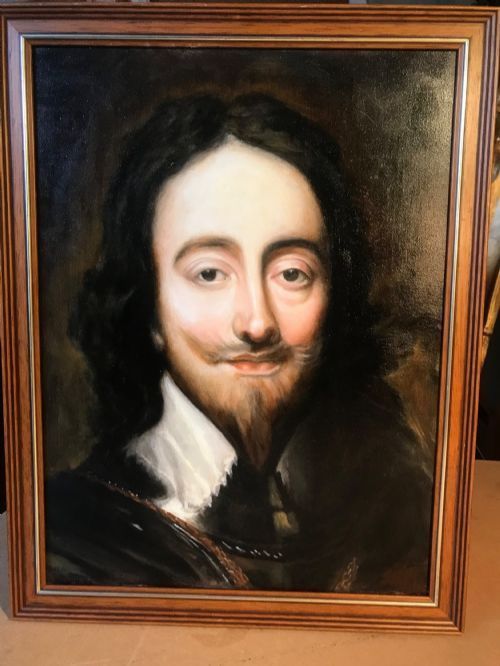
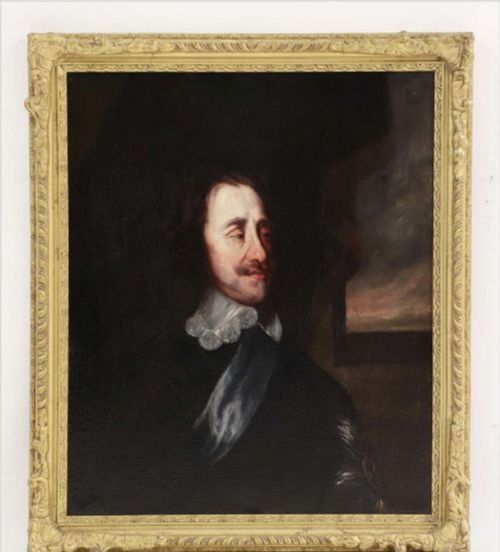
When you search for a monarch oil painting, you encounter depictions of historical royalty, from Tudor and Stuart kings to twentieth-century sovereigns. These artworks portray figures such as King Charles I, King Henry VIII, and King George V in formal attire, military uniform, or ornate armour.
The pieces on this page span several centuries, including seventeenth-century works, eighteenth-century portraits, nineteenth-century revivals, and mid-century canvases. You will also find alternative interpretations featuring animal subjects, such as deer stags and horses sharing the same title.
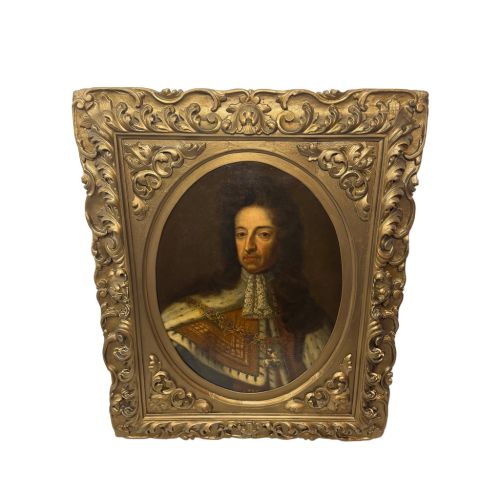
Most entries are oil paintings on canvas, frequently housed in giltwood, gilded timber, or stepped oak frames. They range from small cabinet portraits to huge works designed to project authority and prestige.
What varies in quality
The standard of a monarch oil painting depends on the dexterity of the brushwork and the fidelity of the likeness. Superior examples capture the psychological presence of the sitter through nuanced handling of light on velvet, lace, and armour.
Framing also distinguishes the tier of the piece. Original or period-correct giltwood and gilded timber frames with deep enrichment elevate the historical weight of the canvas compared to simpler or later replacements.
Royal authority occasionally shares wall space with Highland stags and starlit equine monarchs.
Sir Anthony van Dyck·Sir Peter Lely·Kershaw Schofield·William Eddowes Turner
The Monarch Oil Painting Glossary
- Oil on Canvas
- A painting medium where pigments bound in drying oil are applied to a woven fabric surface stretched across a wooden frame.
- Giltwood
- Wood that has been coated with a thin layer of gold leaf or gold powder, commonly used for ornate picture frames.
- Baroque
- An artistic style prevalent in the seventeenth century characterised by dramatic movement, rich colour, and strong contrasts between light and dark.
- Order of the Garter
- The oldest and most senior British order of chivalry, frequently denoted in royal portraits by specific badges, ribbons, or garters worn by the sitter.
- Anglo-Flemish School
- A grouping of artists working in Britain and Flanders whose styles show a distinct cross-channel exchange of portraiture techniques.
Monarch Oil Painting: Frequently Asked Questions
How do I date a monarch oil painting?
Dating relies on the costume of the royal sitter, the style of the brushwork, and the construction of the canvas and frame. Seventeenth-century pieces often display distinct lace collars and armour types.
Secondary clues include inscriptions, signatures, or framing plaques that reference specific jubilees or presentation dates, helping to narrow the period of creation.
What is the difference between a period portrait and an after-work?
A period portrait was painted during the lifetime of the subject or shortly thereafter by a primary workshop. An after-work is a later copy executed by an artist referencing an established royal image.
Both hold historical interest, but contemporary or seventeenth-century interpretations carry greater weight among collectors of early fine art.
How should I display a gilt framed oil painting?
Position the artwork away from direct sunlight and steady sources of heat to protect both the oil pigments and the delicate gold leaf on the frame. Stable indoor humidity prevents the canvas from slackening.
Ensure the wall fixings are robust enough to support the combined weight of the heavy timber stretcher and the gilded wooden surround.
Why do some royal portraits feature animals?
While most monarch paintings depict crowned heads of state, the title also applies historically to prominent animals, such as champion stags in the Highlands or celebrated horses.
These works share the same nineteenth-century and traditional oil painting techniques used for human subjects, celebrating supreme status in the natural world.