



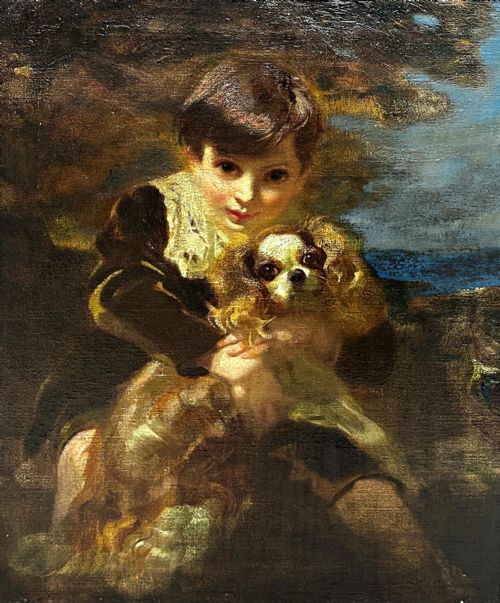


Vintage Portrait of King
A vintage portrait of king brings royal presence into a room, spanning oils on canvas, framed prints and decorative plaques.
Vintage Portrait of King
When you search for a vintage portrait of king, you encounter representations of monarchs in various media, from oil on canvas to photogravures and decorative plaques. The selection ranges through Edwardian, Victorian, and mid-century periods, often capturing rulers in military uniform, royal attire, or ceremonial settings.
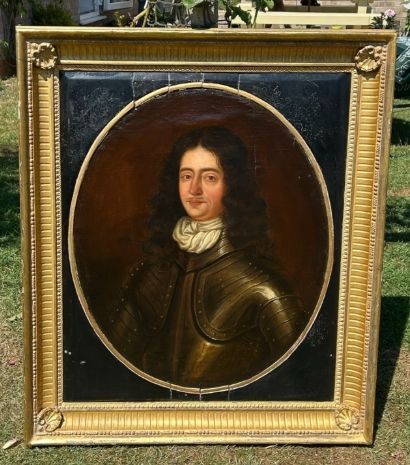
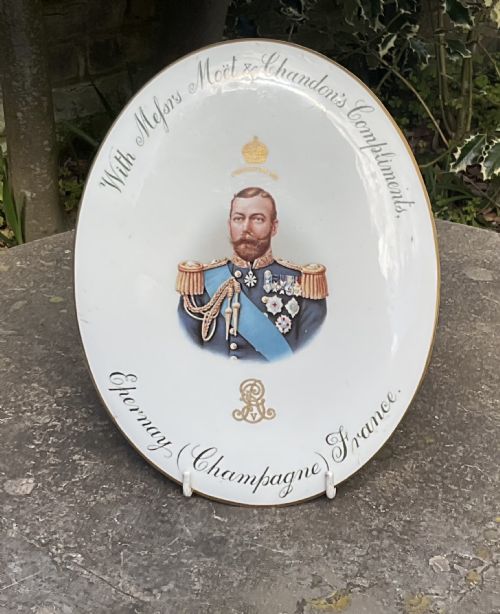
You are most likely to meet framed oil paintings and prints dating from the nineteenth and twentieth centuries. These depict figures such as King George V, King Edward VII, and King George VI, alongside historical monarchs like King William III.
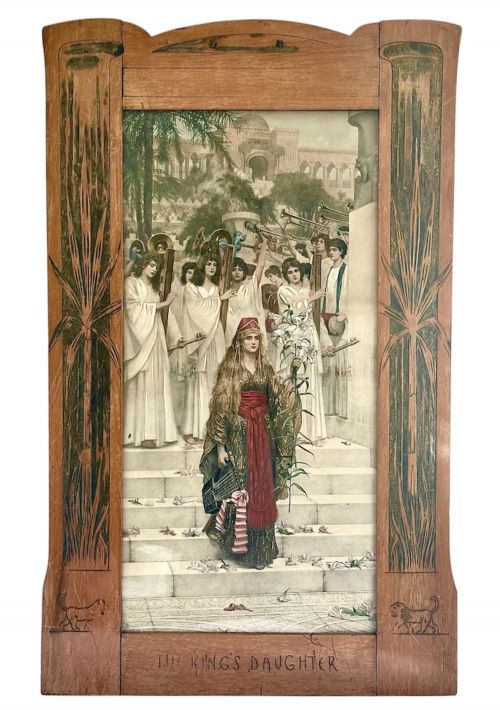
The forms extend beyond traditional canvas paintings to include stepped oak frames with presentation plaques, commemorative champagne markers, and equestrian drawings. Each piece reflects the formal visual language associated with monarchy and public pageantry across different eras.
How they were made
Painters utilised oil on canvas to build rich, layered surfaces for royal likenesses, while others worked in watercolour, pencil, or photogravure on paper. These methods allowed artists to capture fine details in uniforms, decorations, and facial expressions.
Frames are integral to the presentation, incorporating wood, oak, glass, and giltwood with applied gold leaf. Many pieces feature custom elements such as engraved presentation plaques mounted directly onto stepped oak surrounds.
The listings span the seventeenth century through the mid-twentieth century, recording oil on canvas, paper, oak, wood, glass, and gold leaf.
What varies in quality
The distinction between standard works and master creations lies in the precision of the brushwork and the psychological depth of the sitter. Superior portraits capture a convincing likeness and presence, whereas lesser examples rely on formulaic depictions of regalia and uniform.
Materials and secondary framing also set pieces apart. Original giltwood and stepped oak frames with period presentation inscriptions elevate the object, while canvas condition and the integrity of the original backing paper influence the overall standard.
Herbert Gustave Schmaltz·Henry John Yeend King·Samuel John Carter·Frank Owen Salisbury·Geoffrey Mortimer·Kershaw Schofield·Sir Oswald Hornby Joseph Birley
The Vintage Portrait of King Glossary
- Photogravure
- A print produced from an intaglio plate based on a photographic negative. This technique reproduces tonal gradations with photographic fidelity.
- Giltwood
- Wood that has been covered with a thin layer of gold leaf or gesso and gold paint. It provides a reflective, ornate border for formal portraits.
- Baroque
- An artistic style originating in the seventeenth century, characterised by drama, tension, and grandeur. It often influences the theatrical staging of royal and aristocratic portraiture.
- Equestrian
- Depicting a figure on horseback. In royal art, this format emphasises leadership, military command, and status.
Vintage Portrait of King: Frequently Asked Questions
How do I date a royal portrait?
Dating relies on the sitter's age, the style of the uniform or dress, and the materials of the frame. Signatures, inscriptions, and canvas stamps also offer direct clues to the period of creation.
Changes in painting techniques and photographic reproduction methods across the nineteenth and twentieth centuries help narrow the decade in which the piece was produced.
Are these portraits painted from life?
Some official commissions involved direct sittings, while many commemorative works and prints derived from photographs or earlier master paintings. Artists often worked from official photographs, particularly for posthumous tributes or commemorative editions.
Studying the brushwork and provenance helps determine whether an oil painting was executed during the sitter's lifetime or as a retrospective memorial.
How should I hang a framed oil painting?
Hang oil paintings away from direct sunlight and fluctuating heat sources to protect the canvas and the giltwood or oak frame. Ensure the wall fixings match the weight of the piece, particularly for heavy framed works with glass.
Using professional picture wire and D-rings secured to the wooden stretcher or frame ensures the artwork hangs securely and maintains the correct tension.