


1950s Framed Portrait Painting
These 1950s framed portrait painting works capture distinct mid-century subjects and styles, offering character and depth for your walls.
1950s Framed Portrait Painting
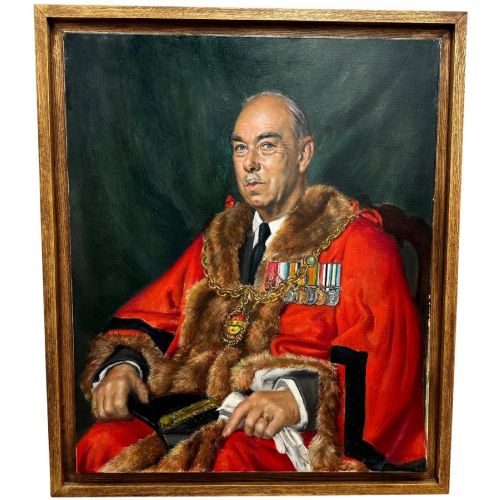
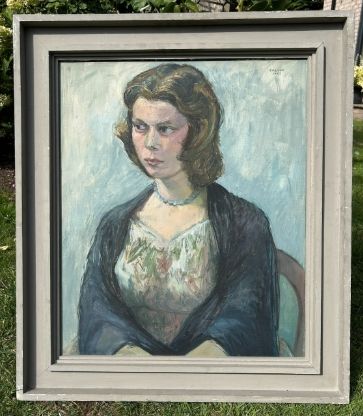
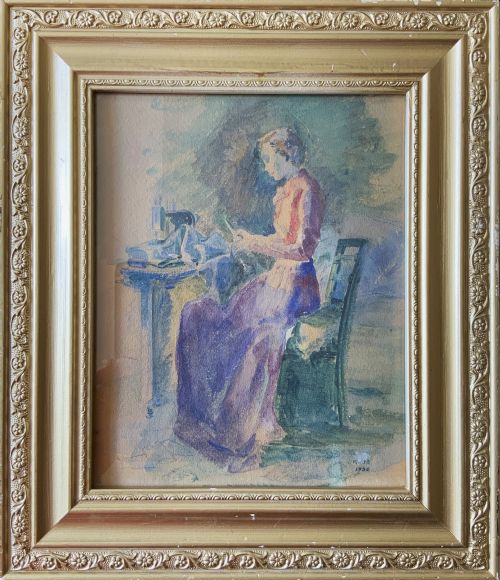
A 1950s framed portrait painting represents a specific mid-century artistic focus on human subjects, captured across the 1950 period. You will encounter various portrayals including female sitters, dancers, royalty, and abstract forms.
The selections on this page span styles such as Mid-Century Modern, Mid-Century Impressionism, and 20th Century Realism. These artworks bring mid-century portraiture directly into domestic spaces.
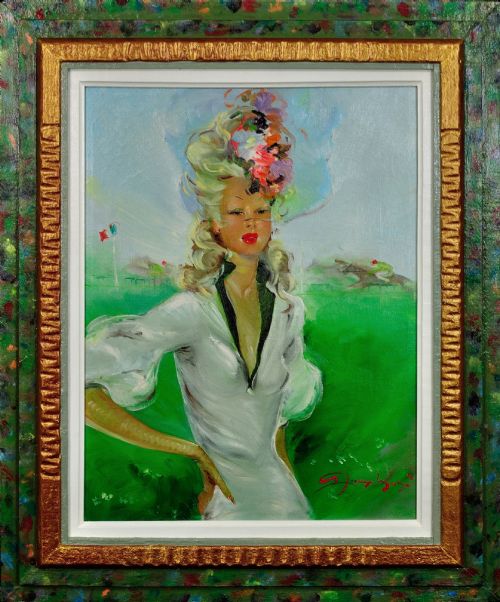
Subjects range from formal figures like a mayor or a monarch to performers, nudes, and fashionable ladies. Each piece is set within a frame, often including gilt wood.
Materials and methods
Artists of this period utilised oil paint and pastel applied to canvas, paper, or board. These primary mediums define the physical nature of the surviving works.
Framing materials such as wood and gilt wood frame constructions enclose the paintings and pastels. Glass also appears in protecting the paper works.
Listings feature works spanning the 1950 period, executed in oil paint and pastel on canvas, paper, and board within wood and gilt frames.
Distinctions in quality
Quality in these portraits rests on the execution of the subject and the handling of paint or pastel. Mastery over form and expression distinguishes individual works.
The character of the frame, such as gilt wood, contributes to the overall presentation of the painting. Condition of both the artwork surface and its housing shapes the visual impact.
Bernard Hailstone·Kenneth Cozens·Jean-Gabriel Domergue·Yetta Kane·Richards Rubin
The 1950s Framed Portrait Painting Glossary
- Oil on Canvas
- A painting medium where pigment is suspended in drying oil, applied to a stretched canvas support. This combination forms durable and textured artistic surfaces.
- Pastel
- A dry painting medium in the form of a stick, consisting of powdered pigment and a binder. Pastels produce vibrant and immediate colour on paper.
- Gilt Wood Frame
- A wooden framing structure coated with a thin layer of gold leaf or gilt finish. This provides an ornate border for the enclosed artwork.
- Post-Impressionism
- An art style following Impressionism that extends its limitations while retaining its use of vivid colours and thick application. It prioritises emotional response over strict visual realism.
- Mid-Century Modern
- A design and art movement spanning roughly the middle decades of the twentieth century. It embraces clean lines and modern aesthetic sensibilities.
1950s Framed Portrait Painting: Frequently Asked Questions
What styles define 1950s portraits?
The works reflect Mid-Century Impressionism, Mid-Century Modern, Post-Impressionism, and 20th Century Realism. Artists captured sitters through diverse lenses ranging from abstract compositions to detailed figurative studies.
Subjects also include specific thematic explorations such as circus performers, royalty, and fashionable ladies at leisure.
What mediums were used?
Makers employed oil paint and pastel as primary mediums. These were applied to surfaces including canvas, paper, and board.
Frames incorporate wood, gilt, and glass to protect and display the individual pieces.
How do I hang a framed portrait?
Consider the weight of the wood and gilt frames when selecting wall fixings. Ensure the hanging height places the subject's face at a comfortable viewing level.
Keep the paintings away from direct sunlight to protect the oil paint and pastel pigments.
Are these works signed?
Certain pieces feature signatures from the artists who created them, while others are attributed to followers or specific named individuals. Dating is often confirmed through signatures or accompanying documentation on the work.
Each listing records the specific details known about the origin and authorship of the painting.