
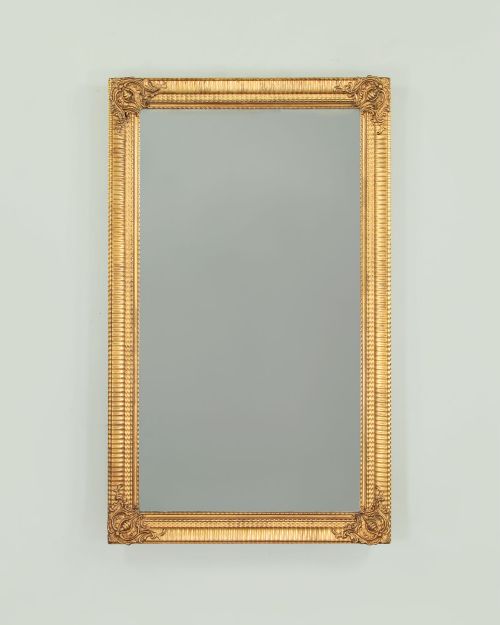
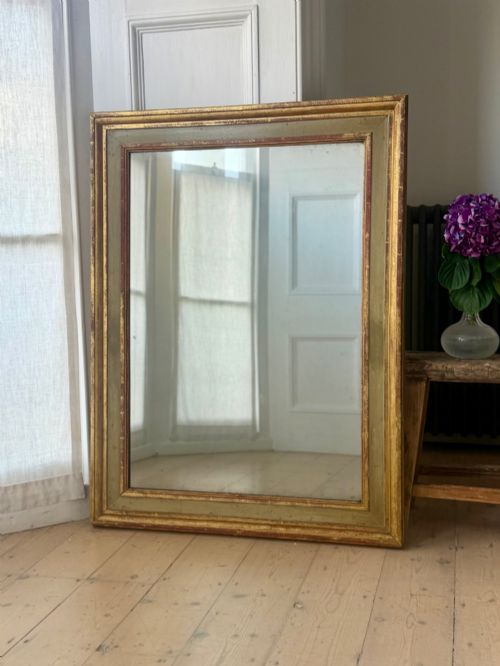
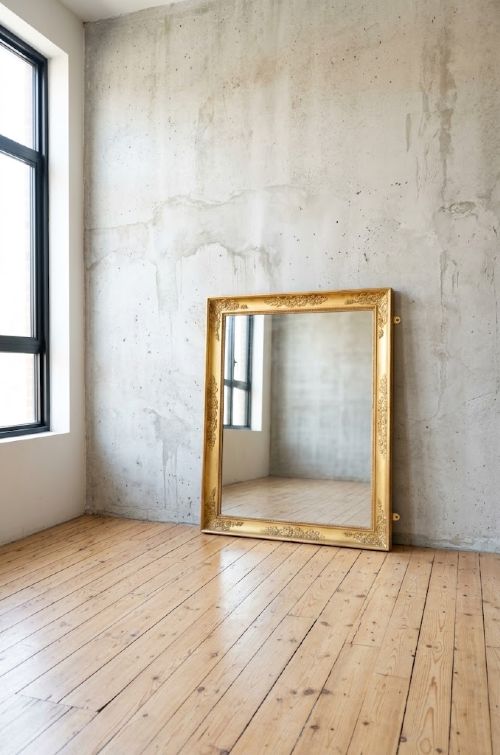
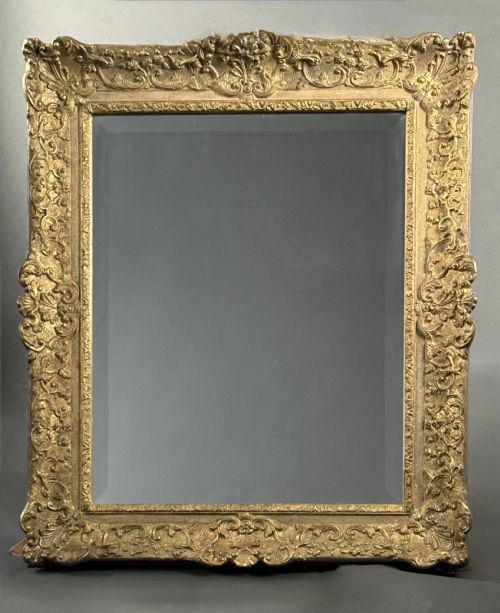
Gold Framed Glass Mirror
A gold framed glass mirror brings warmth and reflective depth to a room through centuries-old craftsmanship.
Gold Framed Glass Mirror
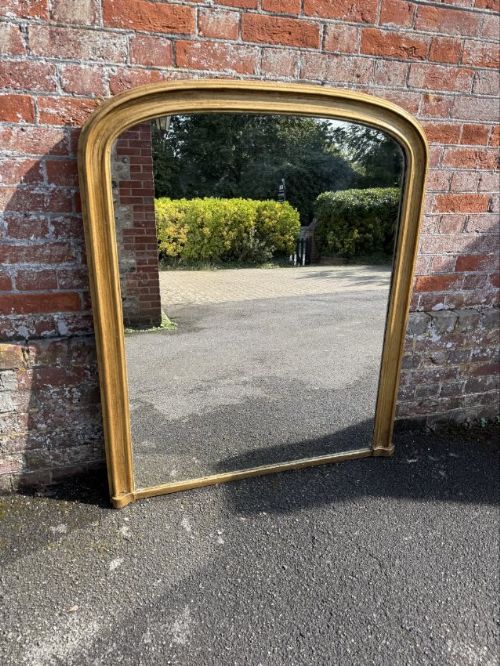
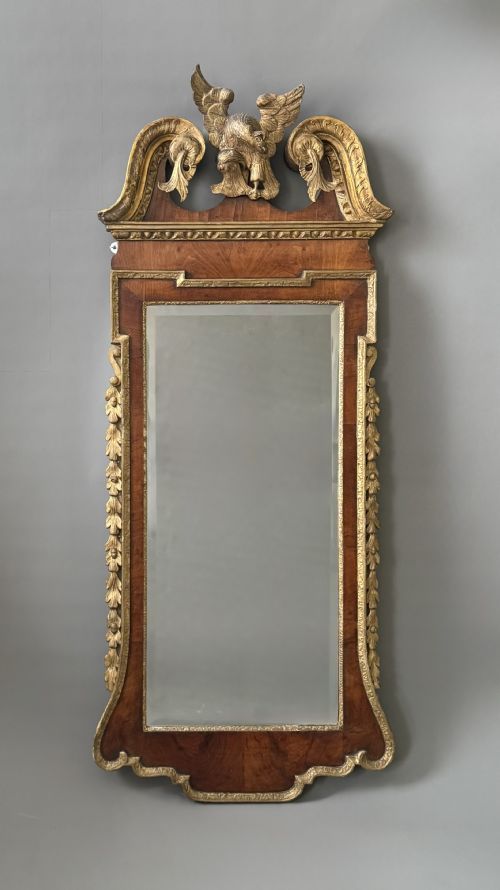
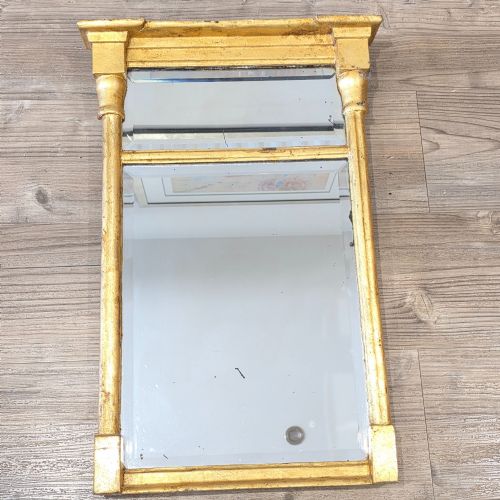
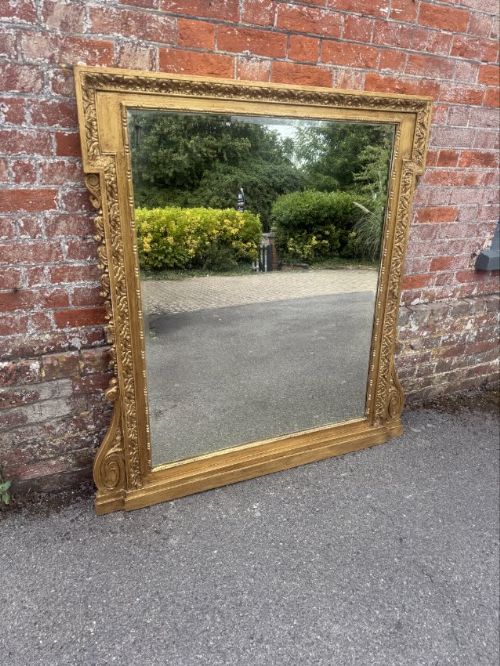
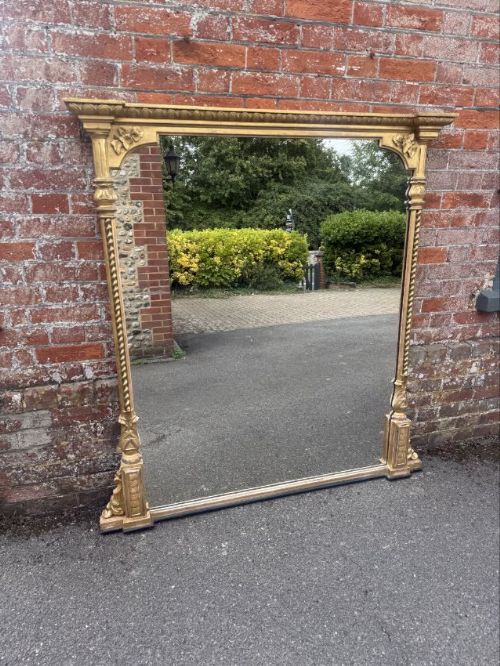
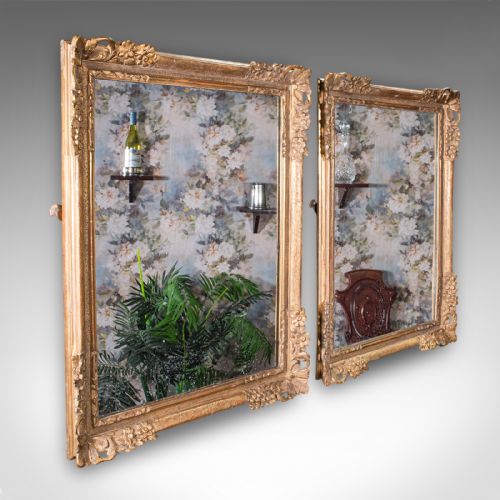
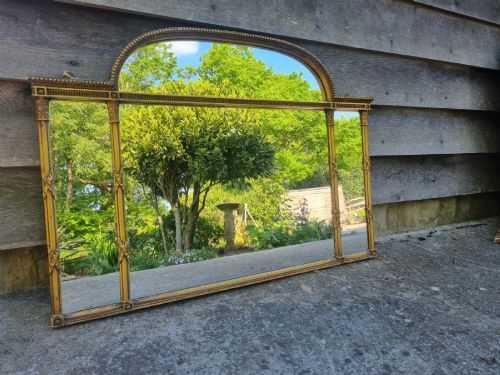
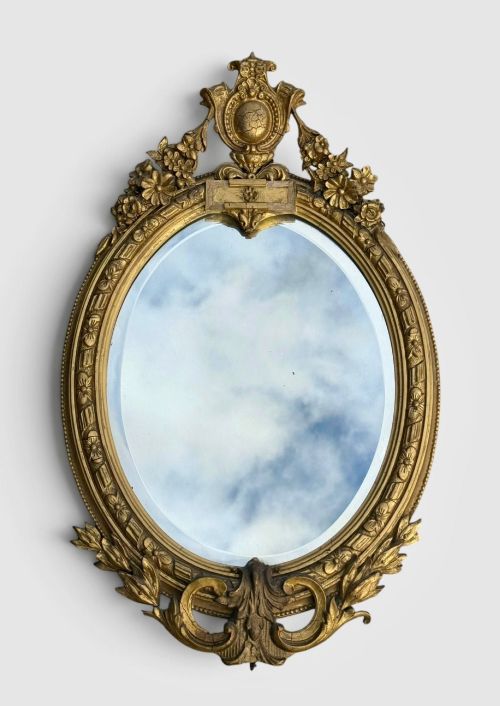
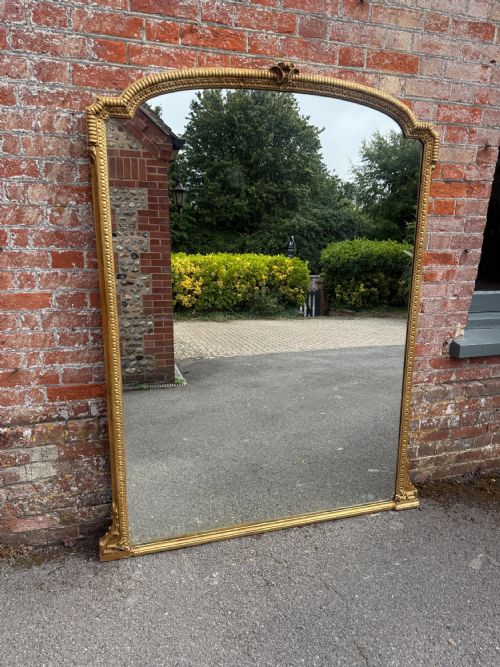
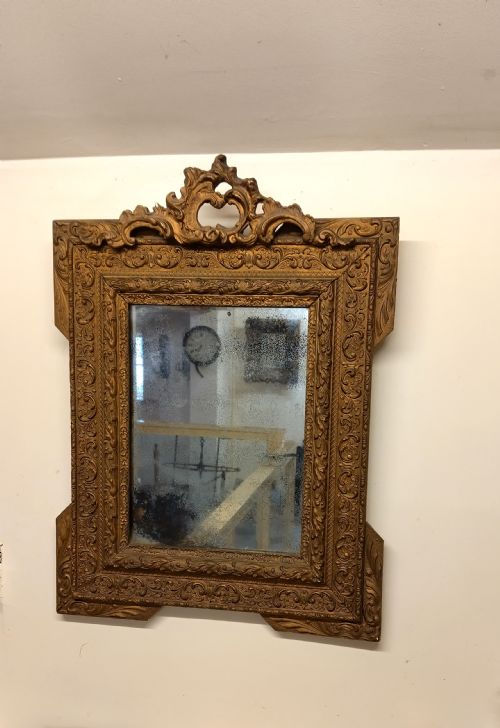
A gold framed glass mirror is an antique furnishing designed to reflect light and expand interior spaces. The selection on this page centres on wall-mounted items, overmantel pieces, and pier mirrors originating from English and French workshops.
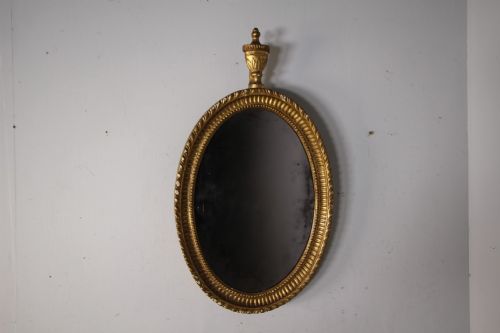
Buyers will most frequently encounter 19th-century examples alongside 18th-century pieces. These range from grand proportions suited for placement above a fireplace to smaller oval and rectangular wall mirrors.
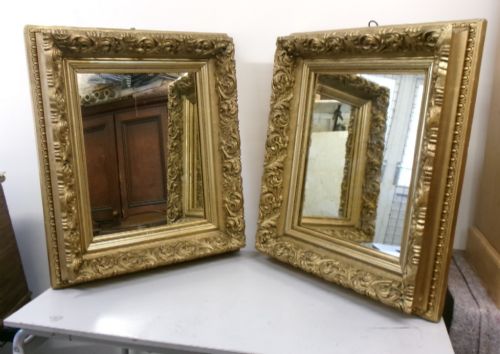
Common forms include Rococo Revival, Regency, and Victorian styles. Many incorporate ornate carved details such as rope twists, floral motifs, and architectural mouldings.
How they were made
Makers built the structural carcases from timber such as wood, walnut, or mahogany. They applied layers of gesso over the carved wood to create a smooth surface for gilding.
Gold leaf or metallic paint was applied to the gesso ground to achieve the characteristic metallic finish. Some pieces utilise parcel gilt techniques, combining exposed wood grain with gilded highlights.
Reflecting plates include early mercury glass, which often exhibits characteristic foxing and ageing, alongside later mirror glass and bevelled plates.
Listings feature items spanning the 18th century, Regency period, Victorian era, and up to 1900.
What varies in quality
The precision and depth of the carved woodwork set superior examples apart from simpler items. Hand-carved gesso ornamentation displaying crisp botanical or mythological details demonstrates higher workshop skill.
The condition and age of the mirror plate contribute significantly to the character of the object. Original mercury glass with natural foxing retains historical integrity compared to later replacements.
The application method of the gold leaf and the preservation of the original gilt surface dictate visual richness. Intact gilding with minimal overpainting preserves the authenticity of the piece.
The Gold Framed Glass Mirror Glossary
- Giltwood
- Wood that has been coated with gold leaf or a gold-coloured finish. This technique provides a durable and decorative surface for frames.
- Gesso
- A plaster-like mixture applied to wood frames to create a smooth base for carving and gilding. It allows for intricate relief decoration.
- Mercury glass
- Double-walled glass blown with a silvering mixture inside, often showing age spots called foxing. It creates a soft, hazy reflection.
- Overmantel mirror
- A large mirror specifically designed to hang above a fireplace mantelpiece. These pieces often feature wide horizontal proportions.
- Pier glass
- A tall mirror designed to fit on the narrow wall space between windows. They frequently match console tables or architectural piers.
Gold Framed Glass Mirror: Frequently Asked Questions
How do I hang a heavy overmantel mirror?
Heavy overmantel mirrors require secure wall fixings anchored directly into masonry or structural studs. Professional installation ensures the substantial weight of the timber and glass frame is safely supported.
Position the mirror at a height that complements the surrounding mantelpiece and room proportions. Ensure the hanging wire or brackets match the weight capacity specified for the piece.
What is foxed glass?
Foxing refers to the natural ageing process of antique mirror plates, where the silver backing deteriorates over time. This creates mottled dark spots and atmospheric patches across the reflective surface.
Many collectors prize foxed glass for the genuine antiquity it proves. It offers a softer reflection than modern glass and enhances the historical character of the frame.
How do I clean an antique gilt frame?
Clean antique gilt frames gently using a soft, dry brush to remove dust from the intricate gesso carvings. Avoid applying moisture or chemical cleaning agents, which can strip the delicate gold leaf.
Regular light dusting prevents particle buildup in recessed areas. Professional restoration should be consulted if the surface shows active flaking.
How do I identify a Regency mirror?
Regency mirrors date from the early 19th century and often feature classical architectural motifs. Look for elements like ball-stud cornices, ebonised reeded slips, and convex or rectangular plates.
These pieces reflect the neoclassical taste of the period. The frames combine carved wood and gesso with bright gilt surfaces.