


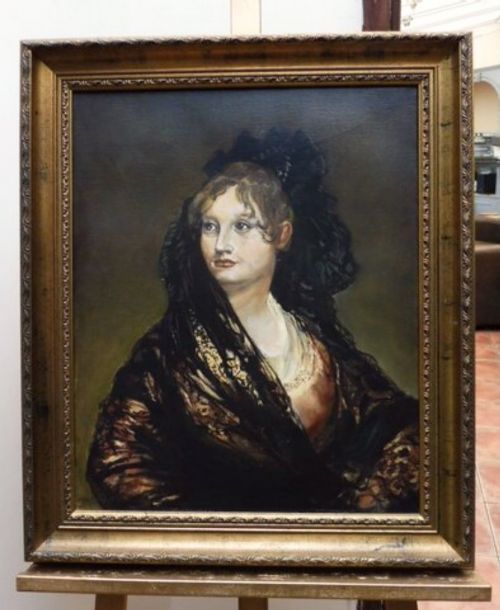
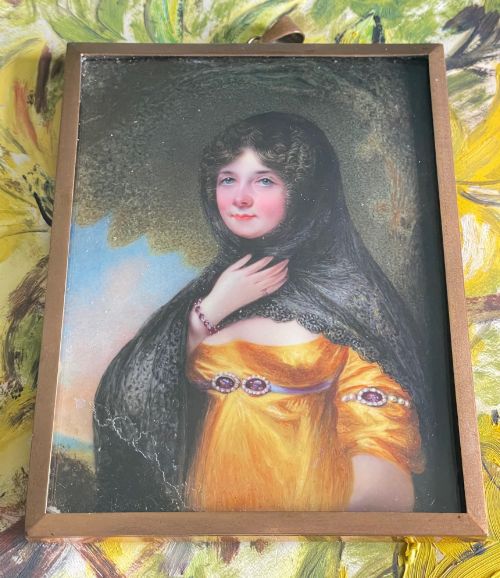
Gold Framed Female Portrait
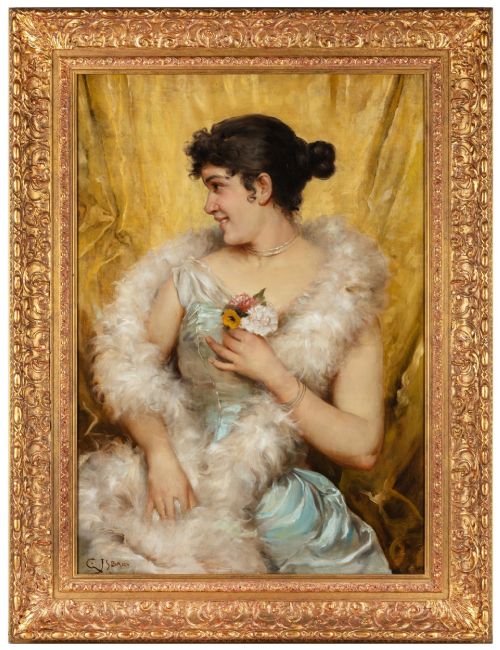
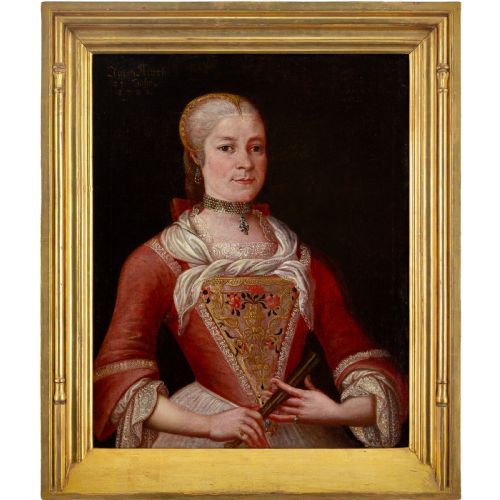
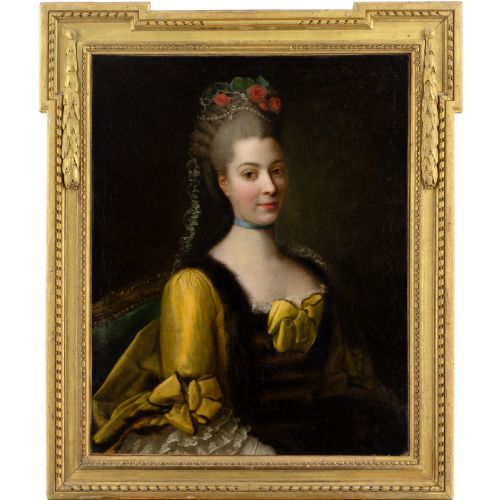
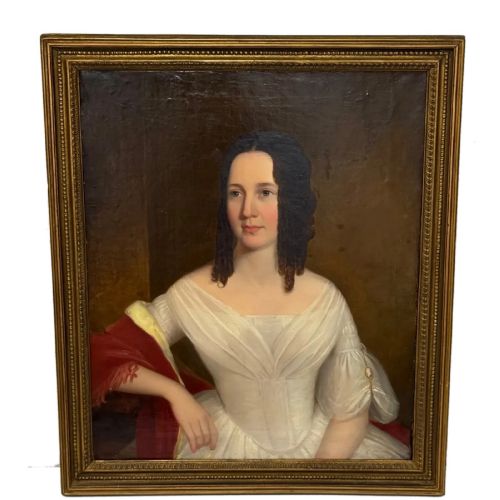
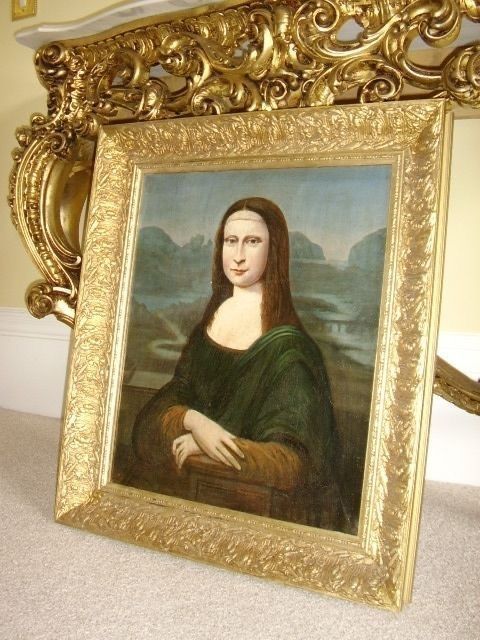
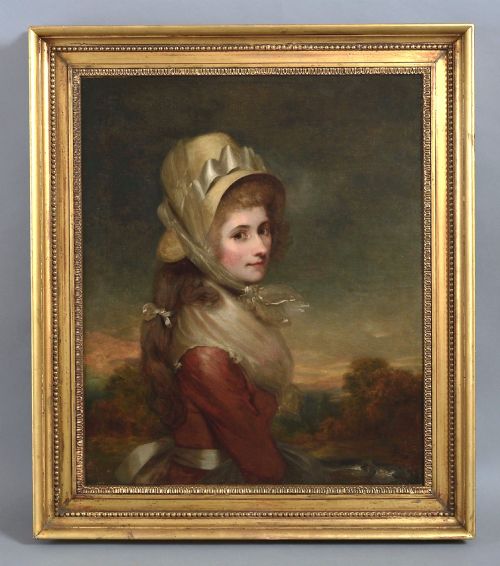
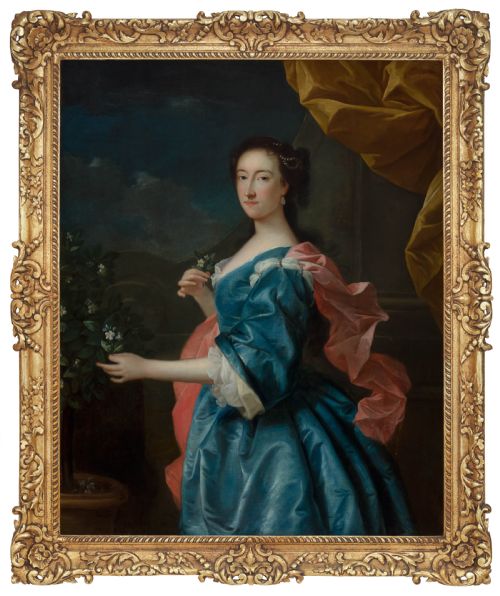
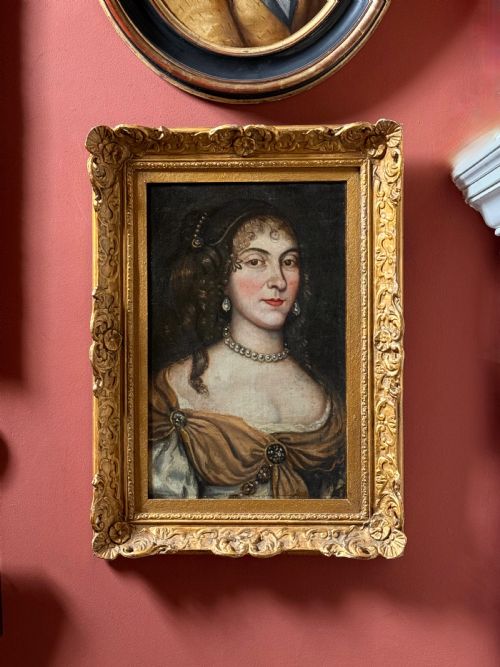
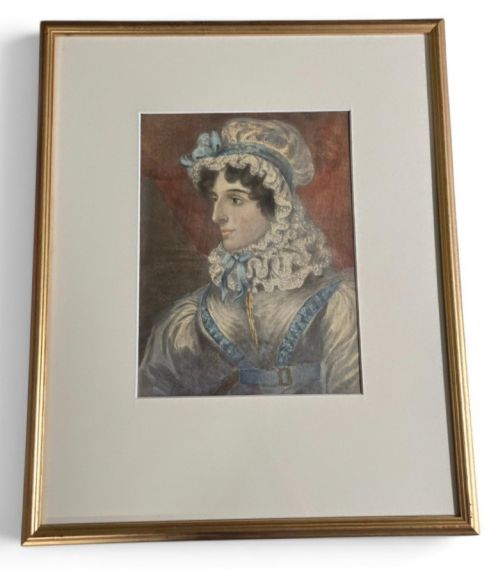
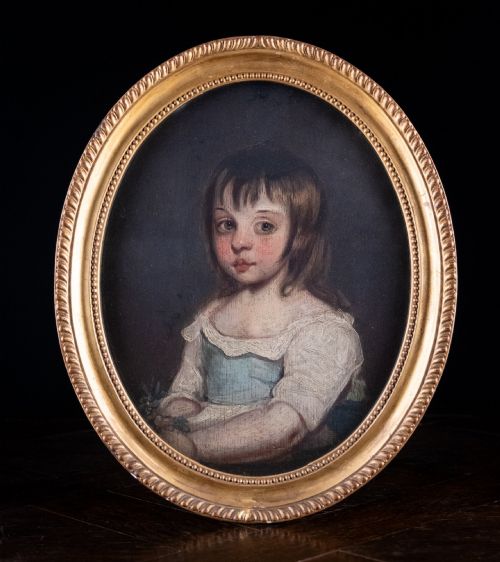
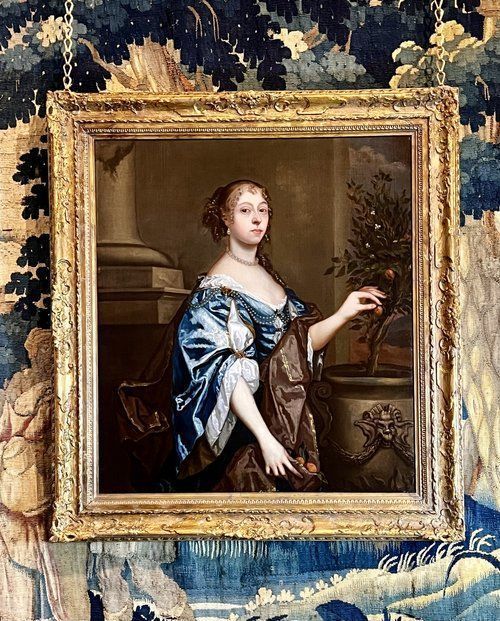
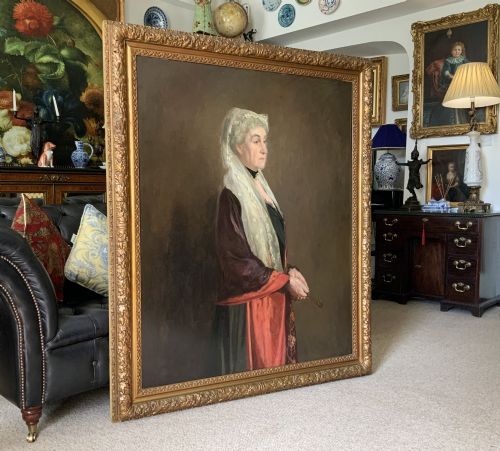
A gold framed female portrait brings centuries of character into a room, framed in gleaming giltwood and preserving the likeness of women from past eras.
Gold Framed Female Portrait
A gold framed female portrait encompasses historic paintings, watercolours, and enamels depicting women, each enclosed in an ornate or simple gilded surround. Buyers searching for a gold framed female portrait encounter works spanning the seventeenth century through to the mid-twentieth century, including Georgian, Victorian, and Edwardian examples.
The subjects range from noblewomen and artists to country girls and young beauties, captured by various European schools. Oil on canvas and oil on board predominate, though works on paper and panel also appear within these gilded borders.
Materials and technique
Artists painted these works primarily using oil paint on stretched canvas or wooden panels, applying layers of pigment to build depth and luminosity. Watercolour and pastel on paper also feature in the selection, offering a lighter medium.
The surrounding frames utilise wood and giltwood, carved and gilded to complement the imagery within. Glass frequently protects delicate watercolours and pastels, while oil paintings on canvas remain unglazed.
Several noblewomen gaze out eternally while clutching freshly picked oranges or accompanied by faithful dogs.
Assessing quality
The skill of the brushwork and the psychological depth of the sitter's expression distinguish superior portraits from standard decorative pieces. Masterly handling of fabric textures, lighting, and anatomy elevates certain works significantly.
The craftsmanship of the accompanying frame matters equally, with hand-carved, heavily gilded wooden mouldings representing a higher standard of period production than simpler or later replacements.
John Hayls·Pieter Borsseler·John Russell·John Opie·Henrietta Rae
The Gold Framed Female Portrait Glossary
- Giltwood
- Wood that has been treated with a thin layer of gold leaf or gold paint. This finish creates a luminous, reflective border designed to catch natural light in a room.
- Oil on Canvas
- Pigment mixed with drying oil applied to a woven fabric support. This technique allows for rich colour blending and enduring stability over centuries.
- Mezzotint
- A printmaking process where the copper plate is roughened to achieve rich tonal gradations. It was frequently utilised for reproducing famous painted portraits.
- Panel
- A flat piece of wood used as a rigid support for painting. Oak and other timbers served this purpose before canvas became the dominant medium.
Gold Framed Female Portrait: Frequently Asked Questions
How should I hang my portrait?
Select a wall with stable ambient temperature away from direct sunlight to protect both the canvas and the gilt frame. Hang the piece securely using appropriate hardware suited to the weight of the wooden structure.
Position the centre of the portrait at approximate eye level to replicate gallery standards and ensure the subject engages comfortably with viewers in the room.
Are these portraits original works?
The inventory includes original period oil paintings, watercolours, and pastels created by named artists or historic schools. Each listing specifies the exact medium and approximate date of creation.
Some listings also feature period copies after famous masters, which were traditionally painted as part of an artist's training or to satisfy collector demand.
How do I clean a gilt frame?
Dust the carved wooden surfaces gently with a very soft, dry brush or a feather duster. Avoid applying moisture or chemical cleaning agents directly onto the gilded surface.
Persistent grime or damage to the gold leaf requires the expertise of a professional conservator to prevent stripping the historic finish.
What periods do these portraits represent?
The selection spans multiple centuries, featuring seventeenth-century panel paintings, eighteenth-century Georgian works, and nineteenth-century Victorian pieces. Later examples stretch into Edwardian and mid-century modern eras.
Stylistic shifts, from Baroque grandeur to Impressionist softness, reflect the prevailing aesthetic tastes of each distinct historical period.