
Gold Fireplace Guard
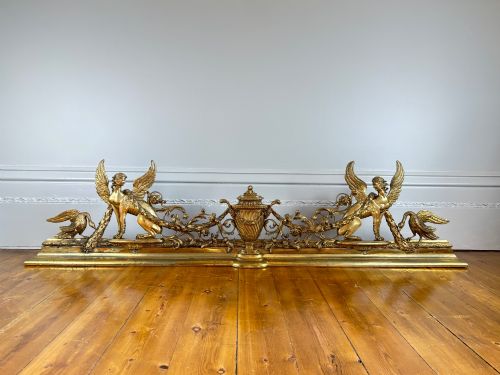
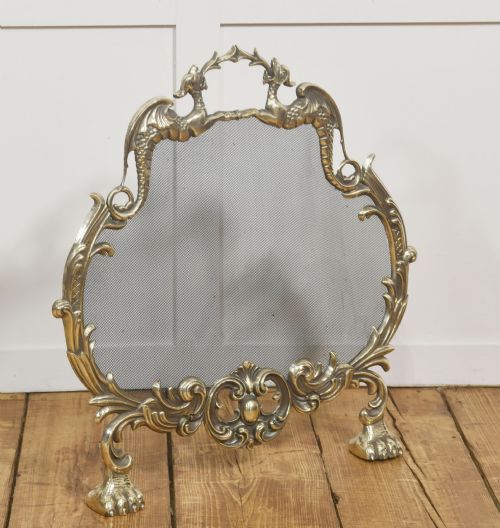
A gold fireplace guard stops stray sparks while framing the hearth in polished metal.
Gold Fireplace Guard
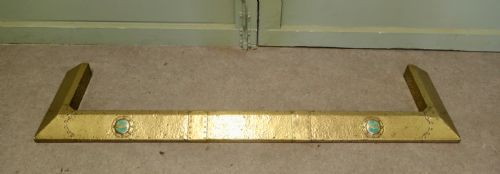
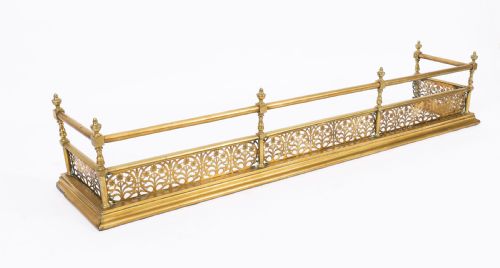
Most examples found here date from the nineteenth century into the early twentieth century. Victorian and Edwardian pieces dominate the selection, alongside continental imports shaped by French revival styles.
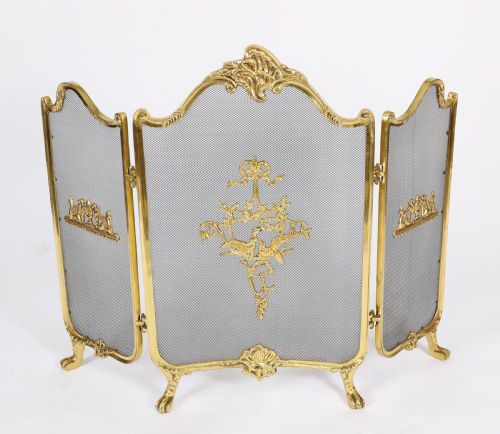
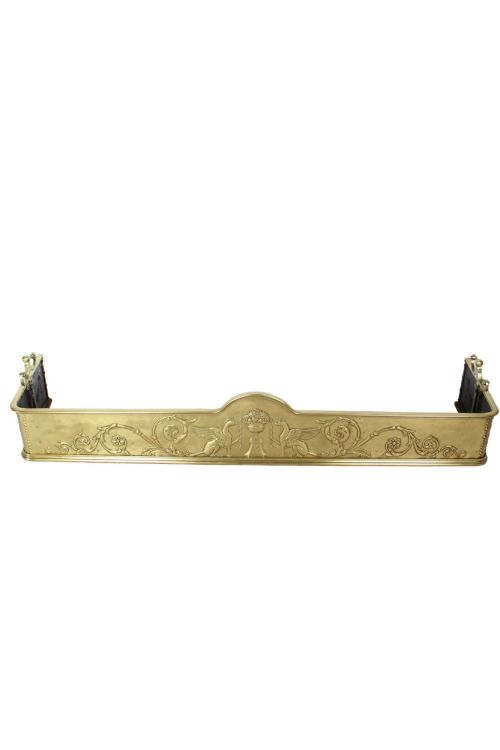
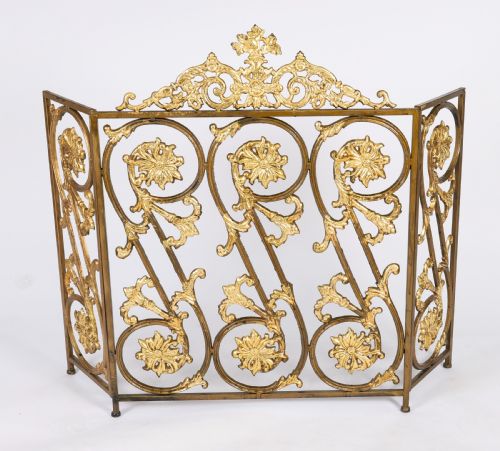
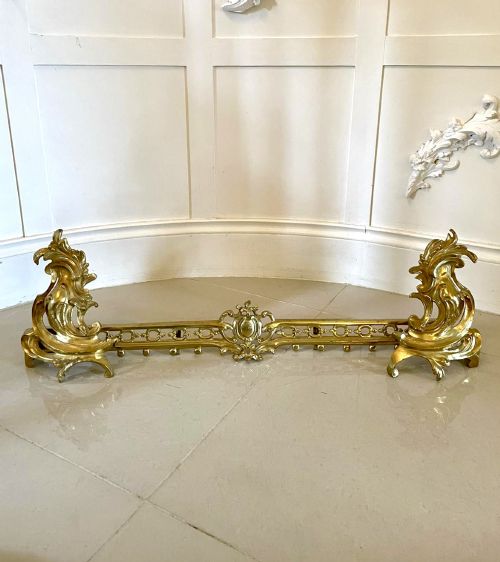
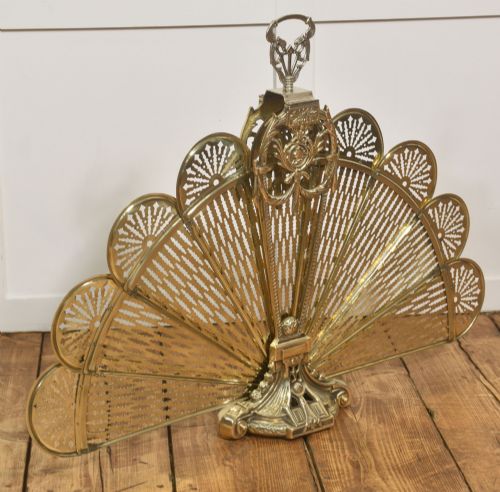
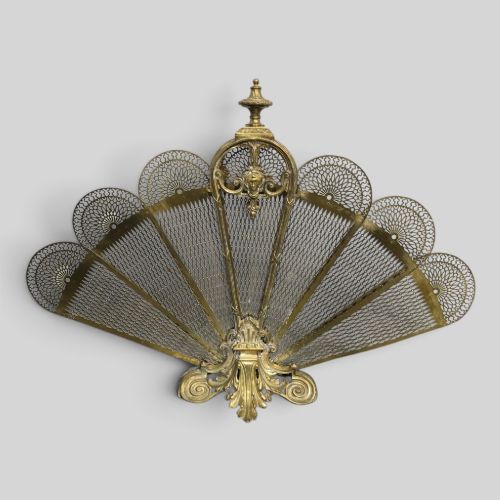
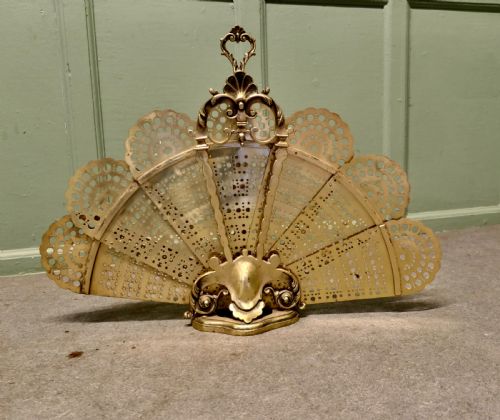
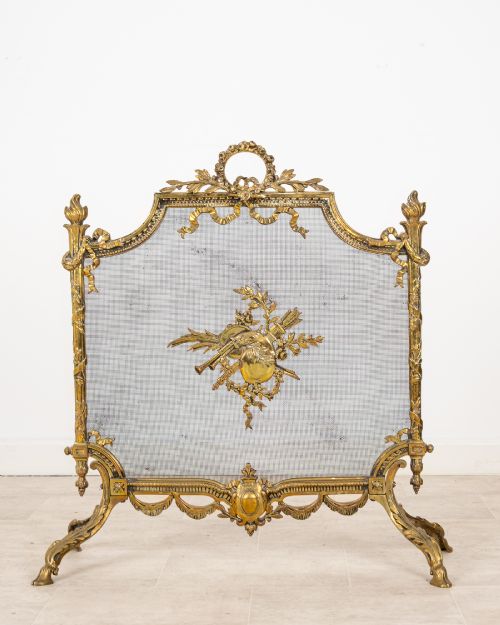
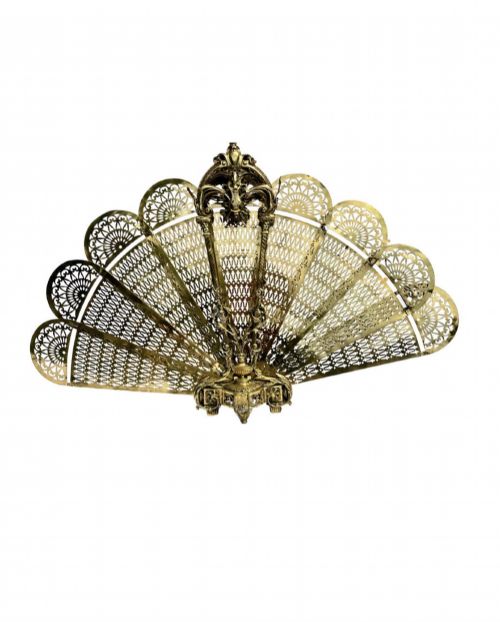
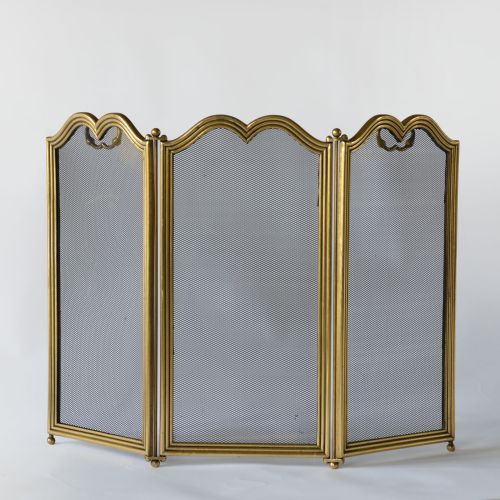
Forms range from solid extending fenders to folding peacock fan screens and tripartite spark guards. Each design balances protective utility with ornate metalwork suited to period interiors.
Materials and construction
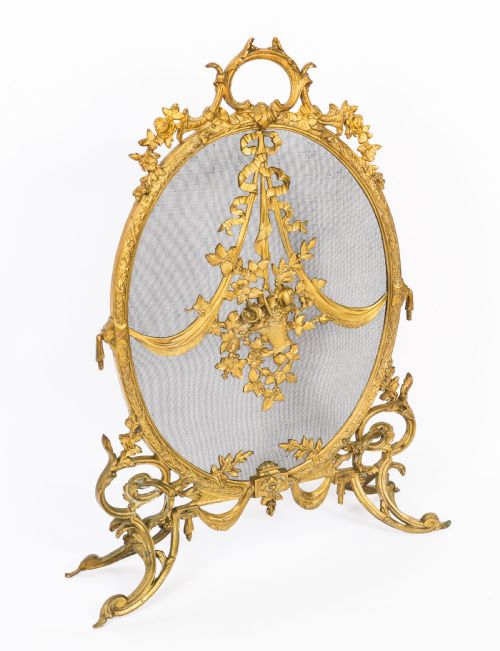
Metalworking techniques combine cast brass, wrought iron frames, and fine wire mesh. Many nineteenth-century items utilise gilt bronze or ormolu to achieve a rich, golden surface finish.
Pierced brass plates, applied floral trophies, and enamel cabochons demonstrate period craftsmanship. Folding mechanisms allow multi-panel peacock screens to expand and contract smoothly.
Peacock fan screens mimic unfurled tail feathers to transform a dark, empty summer hearth into a flash of gleaming brass.
Quality factors
Quality rests on the weight of the metal and the crispness of the casting. Heavier cast brass and detailed chasing set finer screens apart from lighter, mass-produced alternatives.
The integrity of the gilding and the tightness of the wire mesh or folding joints indicate superior making. Makers such as E F Caldwell applied exceptional bronze work that elevates a standard fender into a sculptural focal point.
E F Caldwell New York
The Gold Fireplace Guard Glossary
- Ormolu
- Gilded bronze applied to ornamental objects. This technique produces a deep golden lustre common on French revival pieces.
- Fender
- A low metal guard placed on the hearth. It keeps coal and sparks contained within the fireplace opening.
- Spark guard
- A fine wire mesh screen designed to catch flying embers. These fold or stand directly in front of the grate.
- Pierced brass
- Metal sheet perforated with decorative patterns. This method lightens the weight while allowing heat to radiate.
- Repoussé
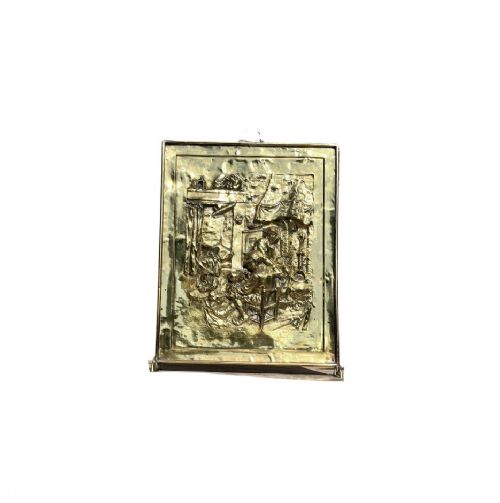
- Metalwork hammered into relief from the reverse side. It creates dimensional floral and classical motifs on fire screens.
Gold Fireplace Guard: Frequently Asked Questions
How do I choose the right size?
Measure the width of your hearth opening before selecting a fender or rigid screen. Extending models offer flexibility if your fireplace dimensions fall between standard sizes.
Ensure folding fan screens have enough clearance around the hearth stone so the outer blades open fully without tipping.
Are these screens safe for daily fires?
Most pieces feature robust wire mesh or solid metal panels designed to contain sparks and glowing embers. They act as a physical barrier between an open fire and your flooring.
Check that folding joints and mesh panels remain secure before placing the guard in front of an active hearth.
How do I clean polished brass?
Dust metal surfaces regularly with a soft cloth to prevent soot buildup. Avoid harsh chemical cleaners that strip historical patinas from antique brass and gilt bronze.
Gentle soap and warm water suffice for general maintenance, followed by thorough drying to prevent tarnishing.
How do I identify French revival styles?
Look for asymmetrical C-scrolls, floral swags, and shell motifs characteristic of Rococo revival pieces. Louis style guards often feature musical trophies and classical urns cast in gilt bronze.
Victorian and Edwardian British pieces tend to favour simpler pierced designs or functional extending frames.