


Ornate Brass Spark Screen
An ornate brass spark screen brings warmth and decorative brilliance to a hearth, combining protective wire mesh with elaborate period casting.
Ornate Brass Spark Screen
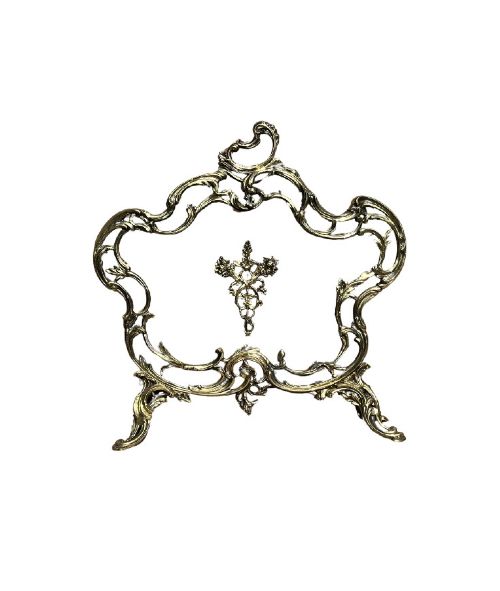
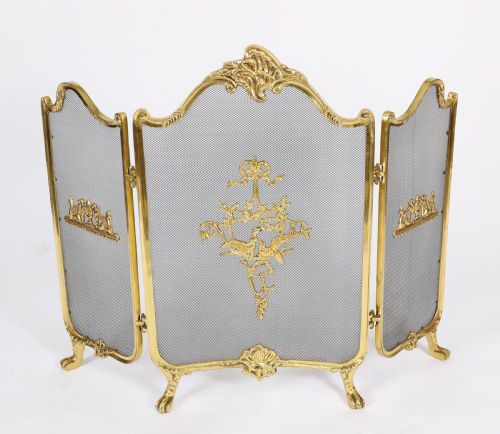
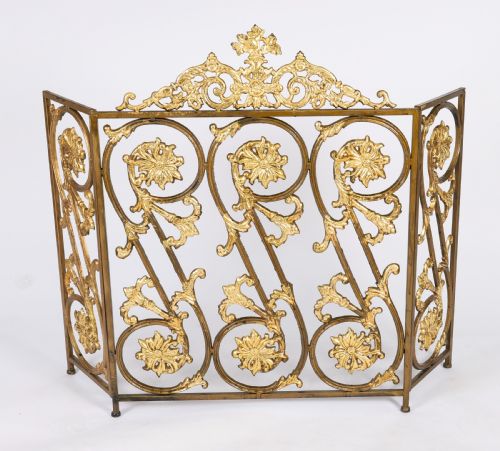
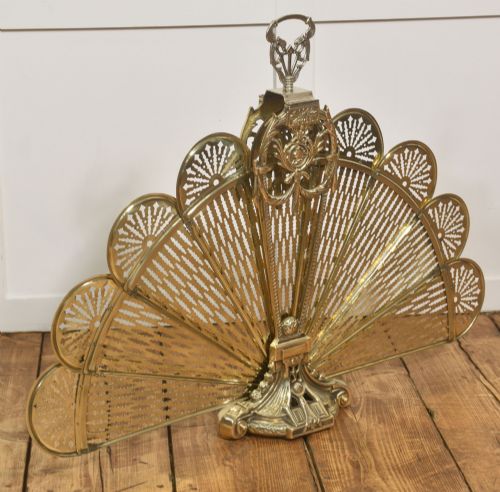
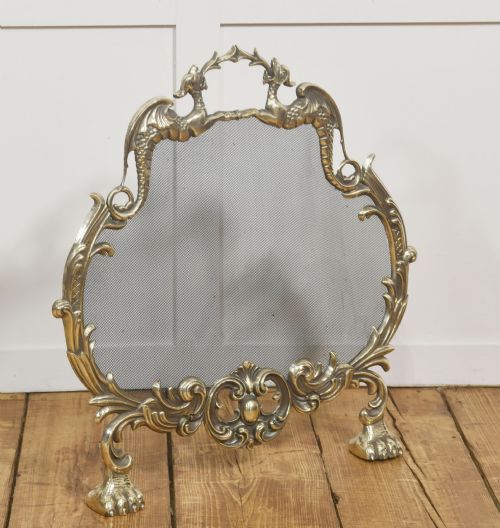
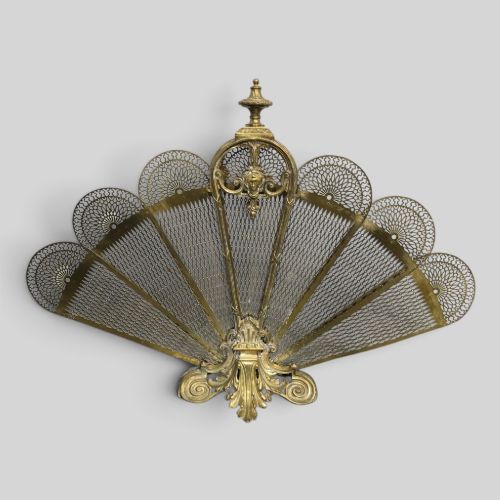
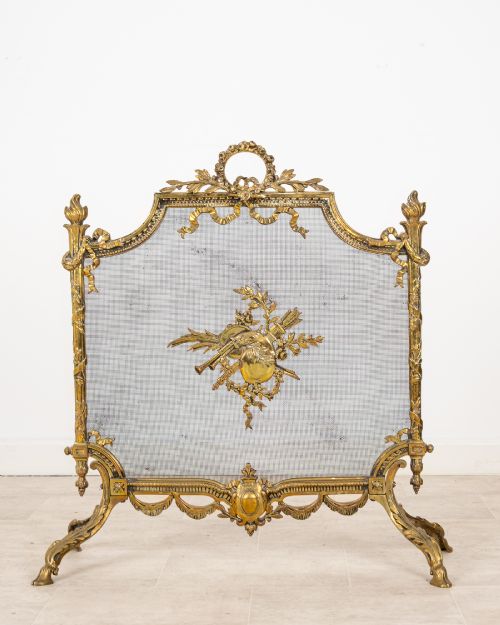
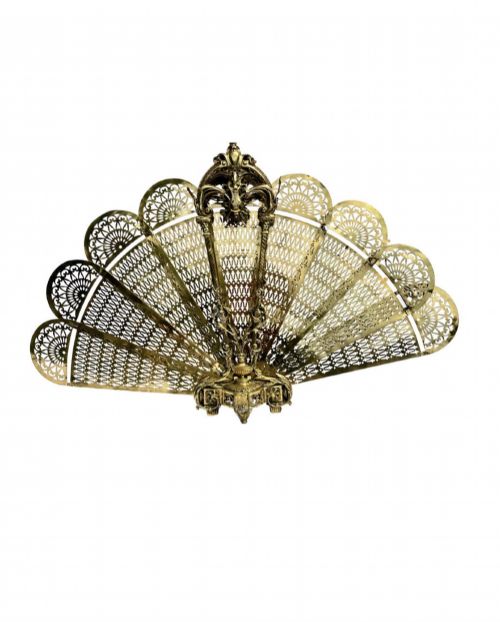
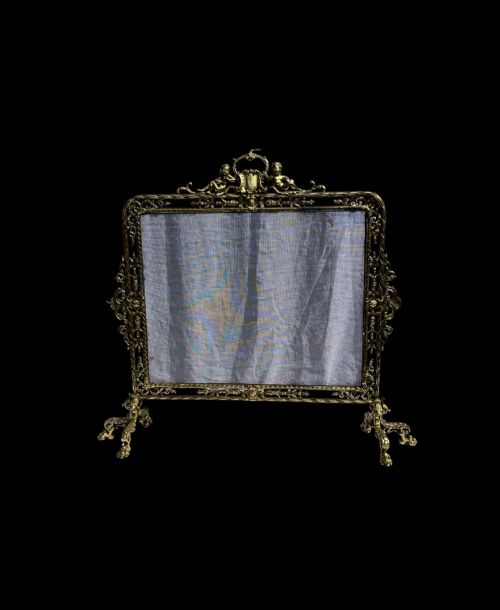
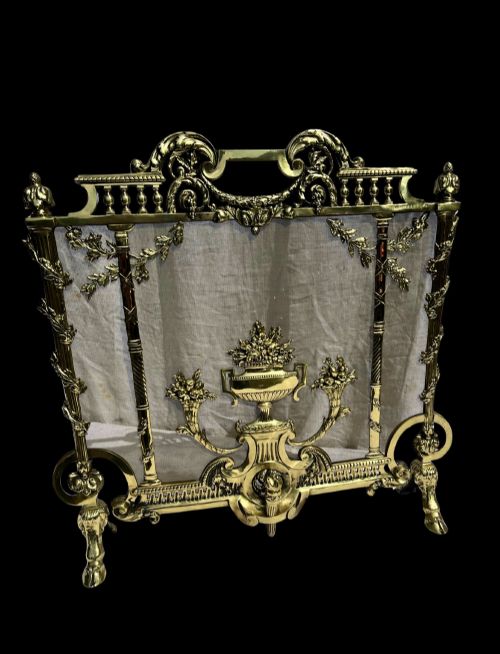
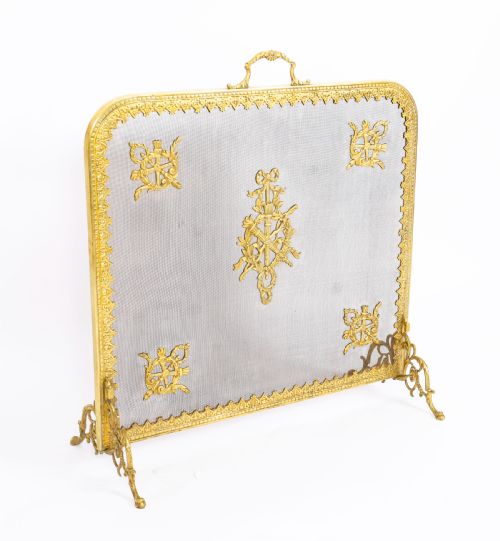
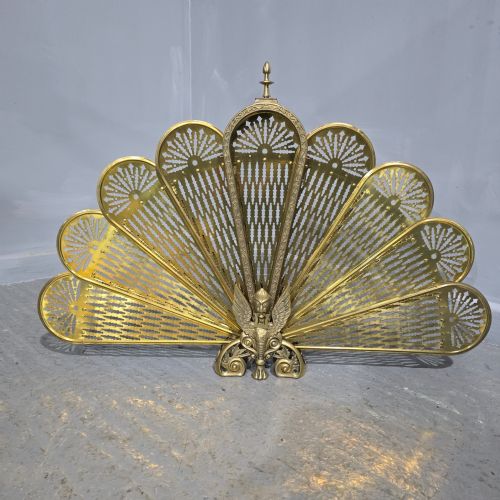
When searching for an ornate brass spark screen, a buyer encounters a substantial selection of fireplace accessories primarily originating from the nineteenth century. These items include folding peacock fan designs alongside rigid rectangular frames decorated with classical motifs and elaborate cast surrounds.
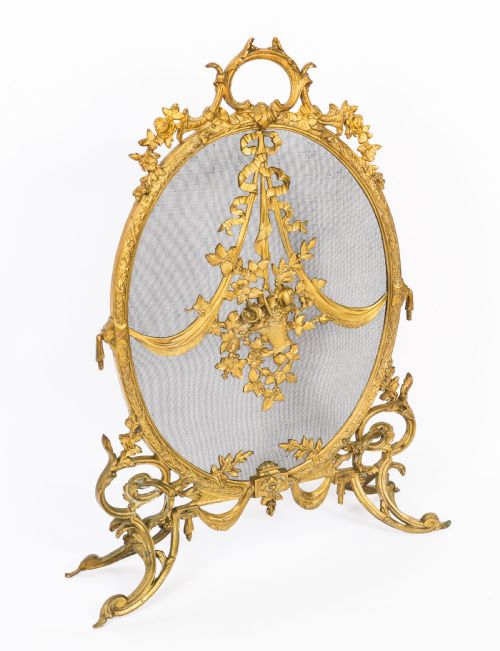
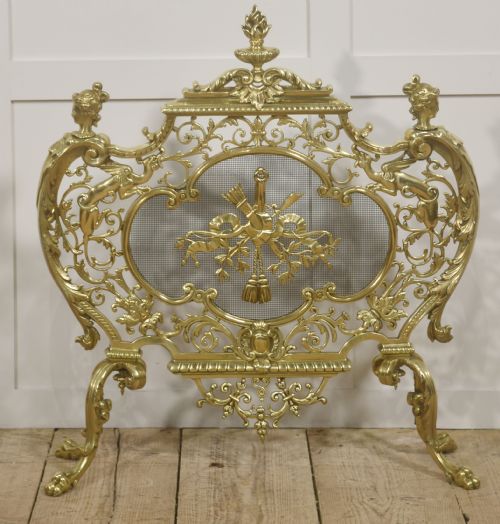
The versions most frequently met on this page showcase French revival styles, particularly Rococo and Louis XIV aesthetics, featuring pierced metal mesh panels and heavy cast frames. Pieces range from simple protective fire guards to monumental gilt bronze screens adorned with dolphins, flaming torches and classical trophies.
Materials and construction methods
These fireplace furnishings rely heavily on brass, gilt bronze and metal mesh constructed through traditional metalworking techniques. Frames are formed from cast brass or gilt bronze, shaped into elaborate scrolls and asymmetrical curves characteristic of nineteenth-century revival movements.
Fine wire mesh and pierced sheet brass are integrated into the central panels to contain embers while maintaining visibility of the fire. Many examples incorporate hinged sections, folding mechanisms or integrated handles for practical handling before the hearth.
Ornate Brass Spark Screen Retail Price Guide 2026
Typical asking prices for ornate brass spark screen among the pieces listed under this phrase on Sellingantiques today, from the lower quarter to the upper quarter. They describe what is for sale here now, not the wider market.
Listings span the nineteenth century, including specific dates from 1800 to 1920 alongside Victorian examples.
Distinctions in quality and execution
Superior examples of an ornate brass spark screen distinguish themselves through the crispness of the chased detailing on gilt bronze surfaces and the weight of the cast frame. High-end pieces display deep, intentional relief work rather than shallow moulding, often attributed to skilled continental workshops influenced by French design.
The refinement of the mesh panel and the structural integrity of hinges and feet indicate the level of original craftsmanship. Simpler Victorian variations utilise lighter sheet brass and standard wirework, whereas top-tier revival pieces demonstrate meticulous finishing across every visible scroll and mount.
The Ornate Brass Spark Screen Glossary
- Spark screen
- A protective barrier placed before an open fireplace to catch flying embers. These devices utilise fine wire mesh to ensure safety without blocking the radiant heat.
- Gilt bronze
- Metal cast from a copper and tin alloy that has been treated with a fine layer of gold. This material was favoured in French revival pieces for its lustrous, warm finish.
- Rococo revival
- A design movement popular during the nineteenth century characterised by asymmetrical scrolls, C-scrolls and naturalistic plant motifs. It heavily influenced the ornate framing of fireplace screens.
- Fire guard
- A sturdy metal barrier designed to enclose the hearth area. Unlike a simple screen, guards often feature side panels or folding wings for extended coverage.
- Pierced brass
- Sheet metal that has been cut or punched through with decorative patterns. This technique allowed makers to create intricate ventilation designs on the body of the screen.
Ornate Brass Spark Screen: Frequently Asked Questions
How do I clean a brass fire screen?
Dust the wire mesh and frame regularly with a soft, dry brush to prevent soot accumulation.
Avoid harsh chemical polishes that can strip original gilding or patination from antique brass surfaces.
Are these screens safe for modern fires?
Most antique screens feature metal mesh capable of stopping stray sparks from an open hearth.
Check that the frame stands steadily on a flat hearth before leaving a fire unattended.
What is a peacock fan screen?
A folding hearth accessory composed of multiple overlapping brass blades that expand like a tail.
These designs became popular during the Victorian period to cover empty fireplaces during warmer months.
How do I identify French revival styles?
Look for cast motifs such as flaming torches, classical trophies, dolphins and shell-like scrolls.
Nineteenth-century makers frequently borrowed these ornamental vocabularies from Louis XIV and Rococo periods.