



Gilt Metal Fire Screen
These gilt metal fire screen examples bring French revival elegance and practical hearth protection into a room.
Gilt Metal Fire Screen
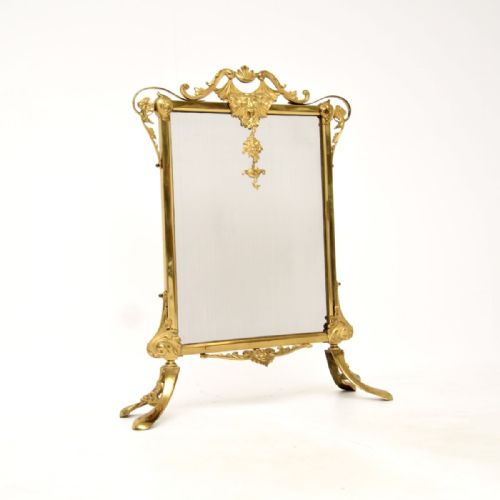
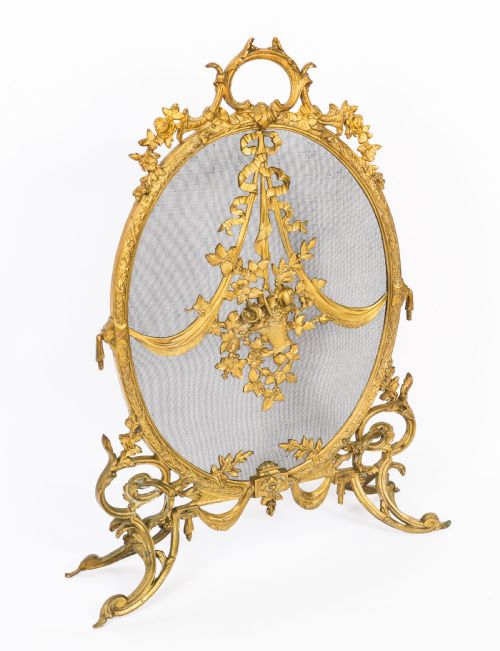
A gilt metal fire screen protects a room from stray embers while adding decorative warmth to a fireplace. These accessories span several revival periods, including French Rococo, Louis XIV, Louis XV, and Louis XVI styles.
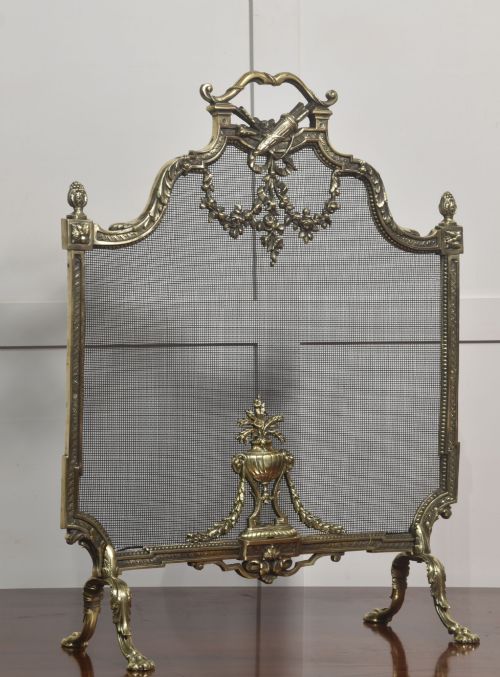
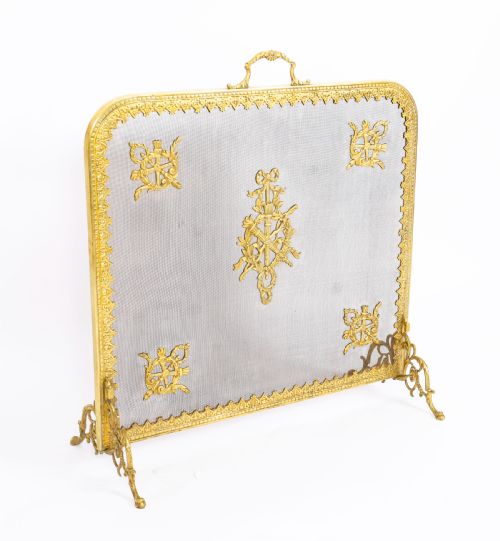
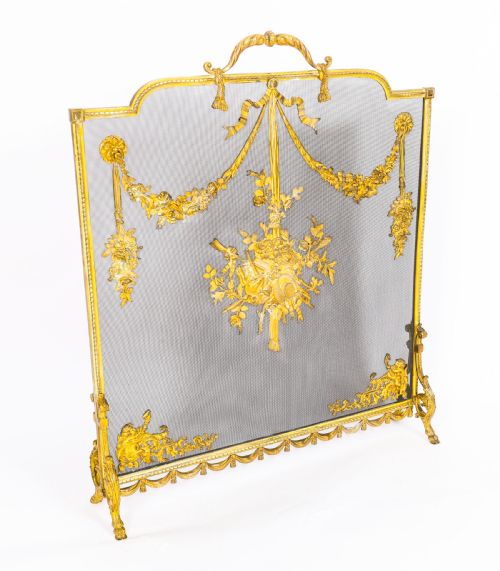
The most common examples on this page are French pieces dating from the nineteenth century, often cast in brass or gilt bronze. They frequently feature intricate motifs such as floral garlands, musical trophies, and classical emblems.
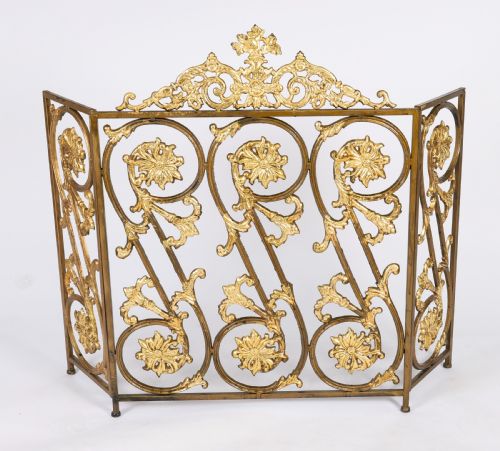
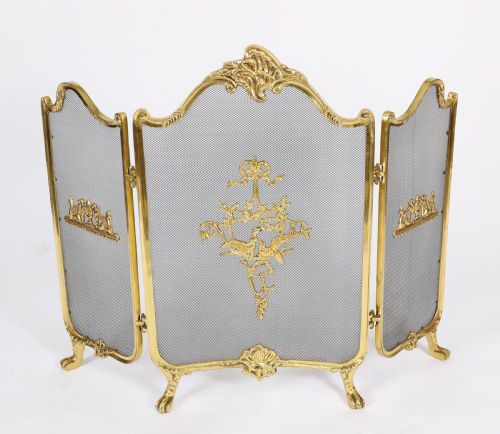
Many items incorporate wire or steel mesh panels designed to contain sparks effectively. Alongside standard single screens, triple-panel configurations and tapestry banner hangers appear within the selection.
How they were made
Gilt metal fire screen pieces rely on metal casting techniques to form elaborate frames in brass, bronze, and gilt metal. Artisans shaped these structures to reflect French Rococo Revival and Neoclassical tastes.
Fine wire mesh and steel mesh are integrated into the metal frames to handle the heat of an active fireplace. Gilding is applied to the bronze and brass surfaces to achieve a rich metallic finish.
Gilt Metal Fire Screen Retail Price Guide 2026
Typical asking prices for gilt metal fire screen among the pieces listed under this phrase on Sellingantiques today, from the lower quarter to the upper quarter. They describe what is for sale here now, not the wider market.
Listings feature items from the nineteenth century, including Victorian pieces alongside French Rococo and Louis XIV revivals.
What varies in quality
The quality of a gilt metal fire screen rests upon the crispness of the cast ornamentation and the depth of the metalwork. Pieces featuring detailed floral and musical trophies display superior craftsmanship compared to plain frames.
The choice of material also shifts the character of the object, with gilt bronze and fire-gilded surfaces offering a different weight and lustre than standard brass or plated metal. Structural integrity in the folding mechanisms of triple screens further distinguishes finer examples.
The Gilt Metal Fire Screen Glossary
- Gilt bronze
- Metal cast in bronze and treated with a gold-coloured finish. This material forms the primary structure of many nineteenth-century French hearth accessories.
- Wire mesh
- A woven metal grid fitted inside the screen frame. It serves the practical purpose of blocking sparks while maintaining transparency.
- Rococo Revival
- A decorative style popular in the nineteenth century. It borrows heavily from earlier French aesthetics with asymmetric scrolls and naturalistic motifs.
- Trophy
- A sculptural grouping of symbolic items such as musical instruments or ribbons. These details are cast directly into the metal frames of decorative screens.
- Banner hanger
- A specialised hearth fixture designed to suspend a textile panel rather than a rigid mesh screen. These pieces bridge decorative textile arts and metalwork.
Gilt Metal Fire Screen: Frequently Asked Questions
What is a gilt metal fire screen?
A gilt metal fire screen is a decorative hearth accessory designed to shield a room from sparks. These pieces combine metal frames with mesh panels.
They reflect historical design movements like French Rococo and Louis XVI revivals. Many incorporate intricate brass and bronze casting.
How were fire screens used?
Fire screens were placed in front of fireplaces when fires burned low to control embers. They also served to hide empty grates during warmer months.
Their ornate metal frames added a decorative focal point to the principal reception rooms.
How do I live with one?
Living with a gilt metal fire screen involves placing it safely before the hearth or against an unused fireplace. Regular dusting preserves the gilt surface.
Care should be taken to protect the delicate wire or steel mesh panels from physical damage.
How do I tell periods apart?
Periods are identified through specific decorative motifs and casting styles. Nineteenth-century French pieces often exhibit elaborate Rococo scrolls or classical trophies.
Victorian examples frequently showcase heavier brass construction and Neoclassical revival details.