
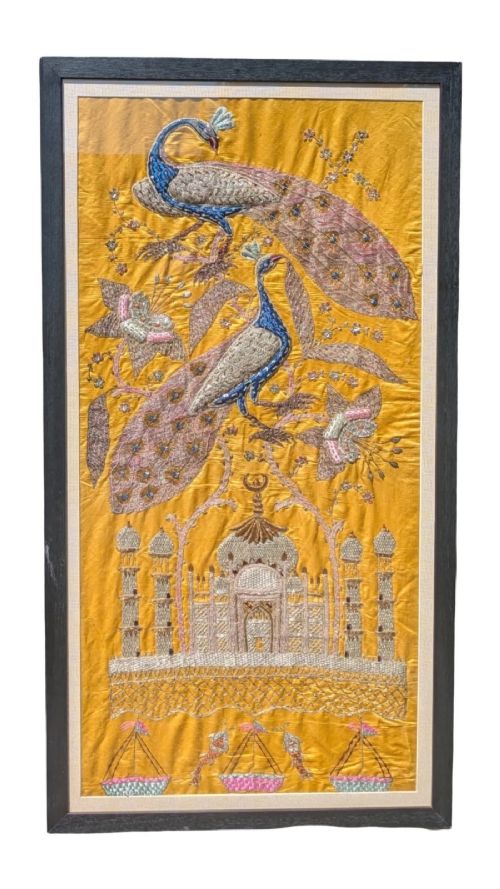
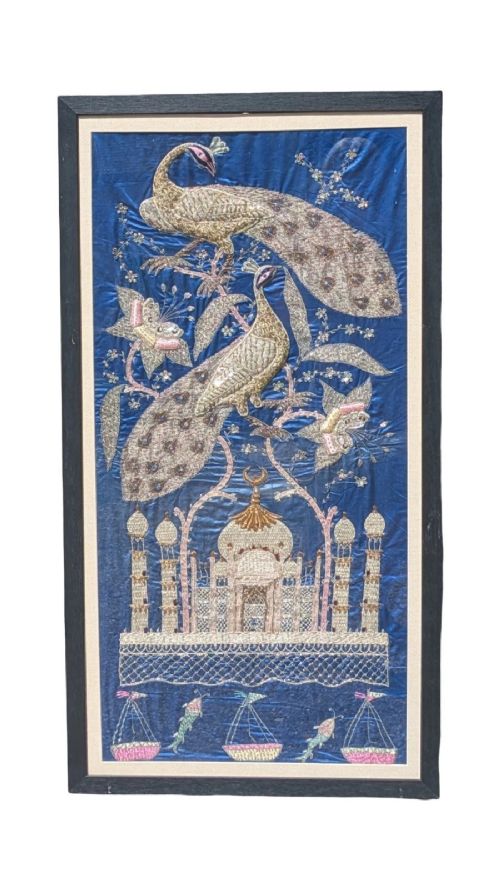
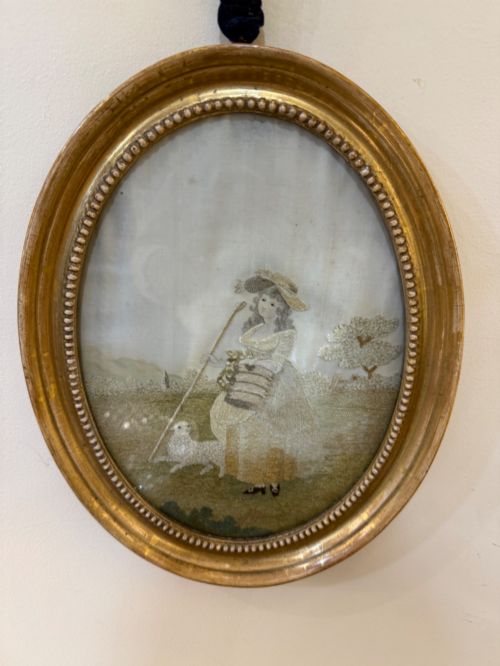
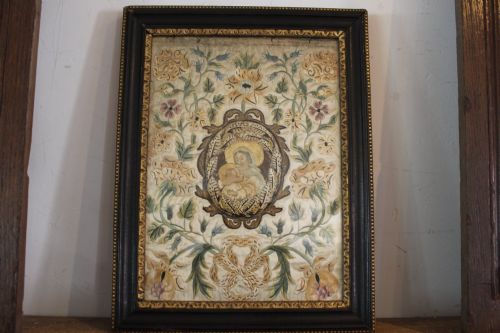



Gold Embroidered Panel
A gold embroidered panel brings ancient texture and metallic shimmer directly to a wall, offering rich colour that flat paint simply cannot match.
Gold Embroidered Panel
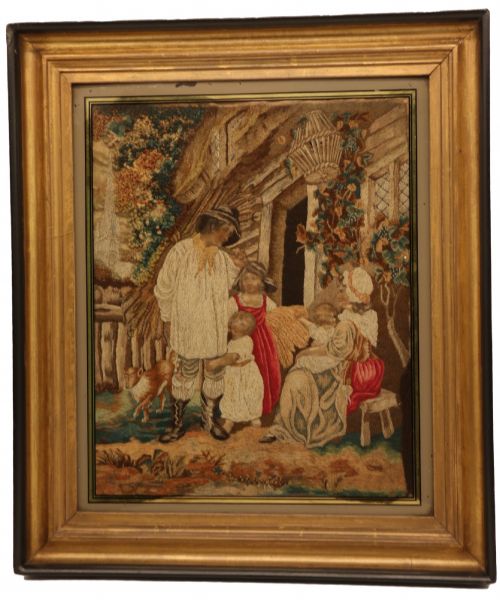
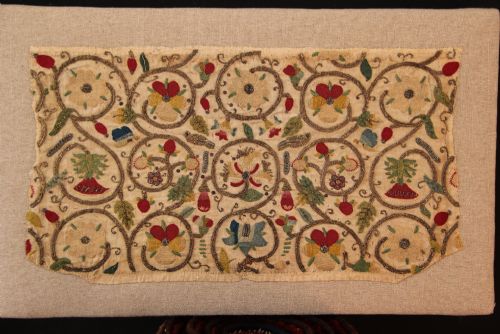
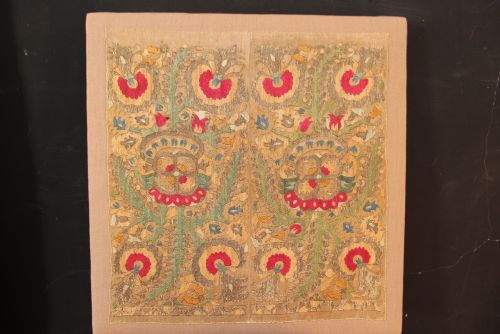
A gold embroidered panel spans centuries of meticulous handiwork, featuring heavily in domestic interiors as wall art, framed needlework pictures, and decorative textile hangings. When exploring this selection, buyers frequently encounter pieces originating from the seventeenth, eighteenth, and nineteenth centuries, alongside specific cultural traditions such as Ottoman, Indian, and Greek folk art.
The physical formats vary widely, encompassing domestic items repurposed into display pieces, folding screens, fire screens, and dedicated wall art mounted behind glass or set within giltwood frames. English needlework and continental tapestry also appear regularly alongside foreign export pieces from China and Japan, reflecting a global taste for embellished fabric.
Domestic applications ranged from utilitarian household textiles, such as hand towel end panels and coverlets, to purely decorative wall hangings designed to catch the candlelight. Surviving examples demonstrate how deeply these opulent fabrics were integrated into historic spaces, whether as part of an elaborate room divider or framed as a standalone picture.
Materials and Construction
Makers built these panels upon stable base fabrics including silk, linen, wool, and velvet, providing a robust foundation for heavy embellishment. The incorporation of metallic thread, silver wire, and gold gilt elements added a reflective quality that elevated simple textiles into luxury objects.
Needlework techniques relied heavily on skilled hand stitching, ranging from fine silkwork and crewel work to intricate metal-thread couching and needlepoint. Frames made from wood and carved giltwood frequently housed these fragile textiles, protecting the organic fibres while enhancing their visual impact.
Current listings feature panels spanning the seventeenth to the twentieth centuries, utilising silk, velvet, wool, and metallic thread across English, Ottoman, and Asian traditions.
Distinguishing Quality and Execution
The distinction between ordinary and exceptional work rests on the precision of the needlecraft, the complexity of the design, and the survival rate of the metallic threads. Superior examples exhibit dense, even stitching where the underlying fabric remains secure beneath heavy gold and silver embroidery, whereas lesser pieces show loose threads and thinning ground cloth.
Provenance and mounting also influence the standing of a piece; antique panels retained in their original water-gilded frames or untouched historic settings command greater appreciation than those subjected to modern re-framing or heavy restoration. The integrity of the materials, particularly the oxidation state of the metallic elements and the vibrancy of the silk, dictates the overall visual success of the textile.
The Gold Embroidered Panel Glossary
- Couching
- A technique where metallic or thick threads are laid across the surface of the fabric and secured in place with fine, nearly invisible subsidiary stitches. This method conserved expensive gold thread by keeping the precious metal on the face of the textile.
- Crewel work
- Embroidery executed using wool yarn on a heavy linen or cotton twill ground. It became particularly popular in seventeenth-century English domestic needlework for hangings and furnishings.
- Giltwood
- Wood, typically carved timber such as gessoed pine, coated with a thin layer of gold leaf. It formed the primary material for luxury picture frames and decorative screen structures.
- Needlepoint
- Stitches worked through an open-weave canvas mesh to completely cover the ground fabric in dense pattern. It formed the basis of many decorative panels and firescreens across the Victorian period.
- Metal-thread
- Wire or flat strips of silver, gilt, or base metal wrapped around a silk or cotton core. It provided the shimmering highlights characteristic of formal court textiles and ecclesiastical vestments.
Gold Embroidered Panel: Frequently Asked Questions
How should I clean an antique gold embroidered panel?
Historic textiles require extreme caution and professional conservation rather than domestic cleaning methods. Dust should be removed very gently with a soft brush only if the fibres are completely stable.
Moisture, harsh scrubbing, and chemical solvents will cause irreversible damage to aged silk grounds and fragile metallic threads. Consult a textile conservator before attempting any remedial care.
Can I hang these panels in direct sunlight?
Direct sunlight rapidly fades historic silk dyes and embrittles organic fibres like wool and linen. Natural light will also cause metal threads to tarnish unevenly across the surface of the textile.
Position your panels away from windows or utilise UV-filtering conservation glass if framing. Indirect, subdued lighting preserves both the colour saturation and the structural integrity of the fabric.
What is the difference between a fire screen and a wall hanging?
Fire screens were functional nineteenth-century furnishings fitted with adjustable wooden stands and protective panels to shield people from hearth heat. They often utilised glass or heavy needlework inserts to deflect warmth.
Wall hangings and flat textile panels were designed strictly for display, intended to decorate large architectural surfaces or delineate spaces within a room. Their backing and mounting hardware reflect this permanent wall-mounted purpose.