



Antique English Needlework
Antique English needlework encompasses hand-stitched samplers, textile art, and utilitarian items created across centuries by skilled makers.
Antique English Needlework
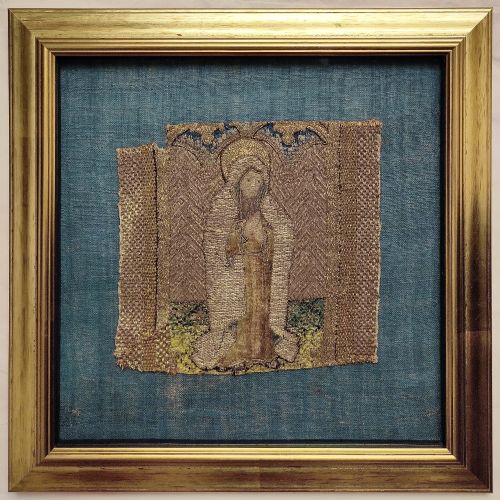
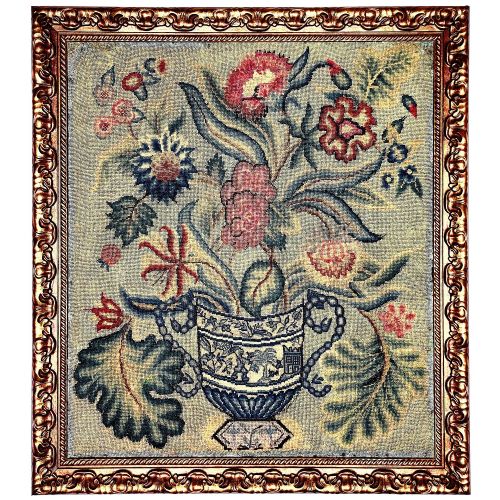
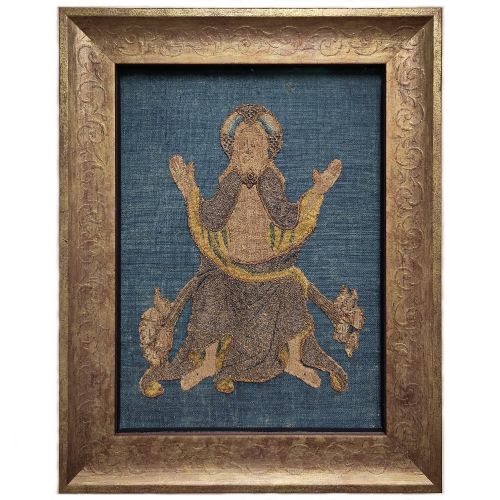
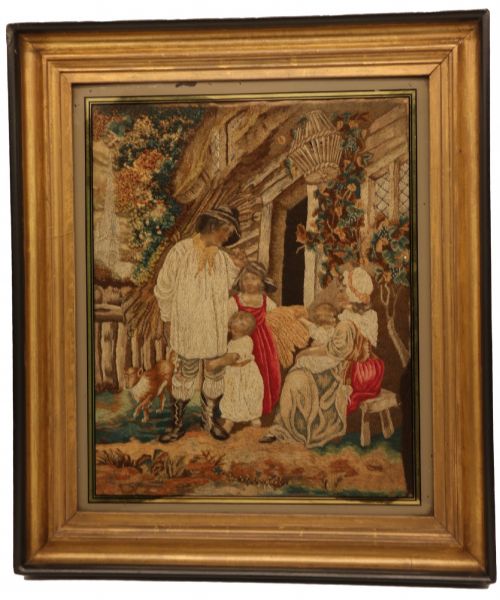
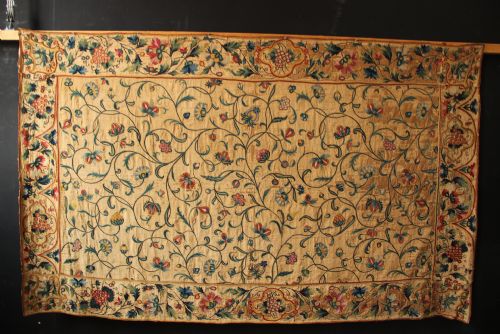
Antique English needlework spans domestic craft and decorative art, taking the form of samplers, framed embroidered pictures, and upholstered furnishings. Buyers encounter needlepoint panels, crewelwork, and embroidered silk pictures produced across the seventeenth, eighteenth, and nineteenth centuries.
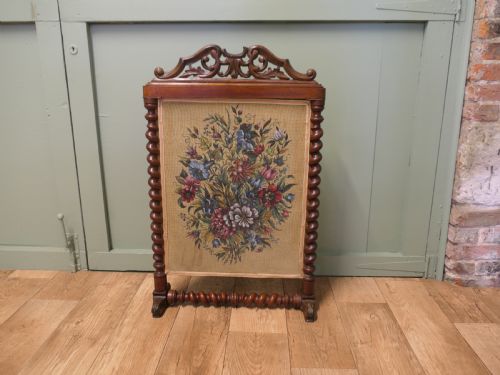
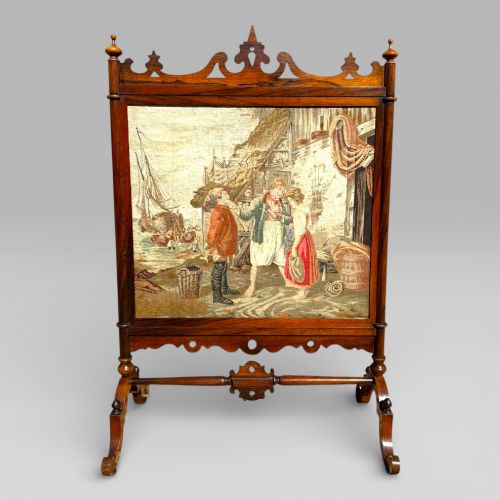
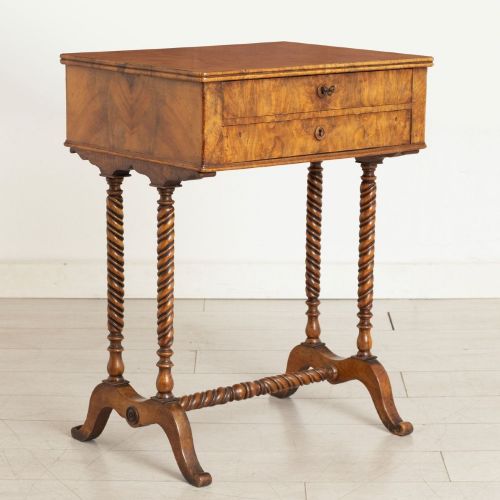
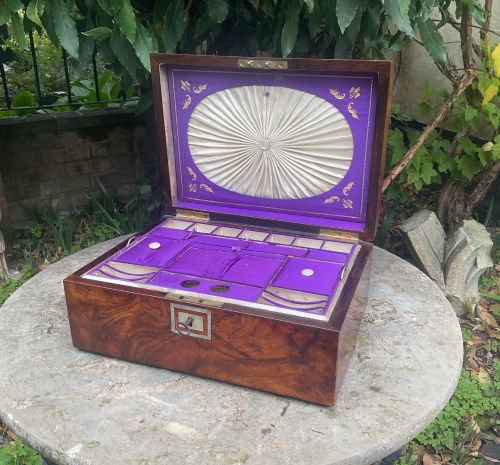
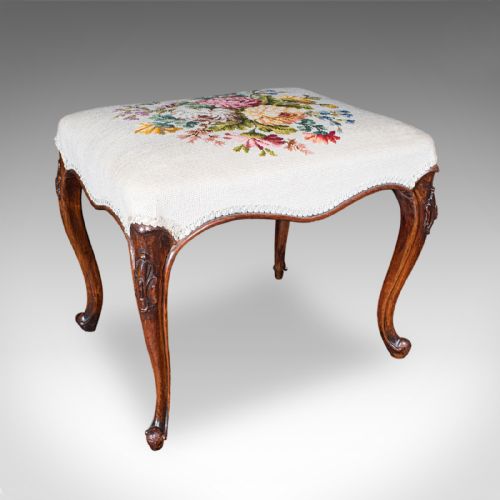
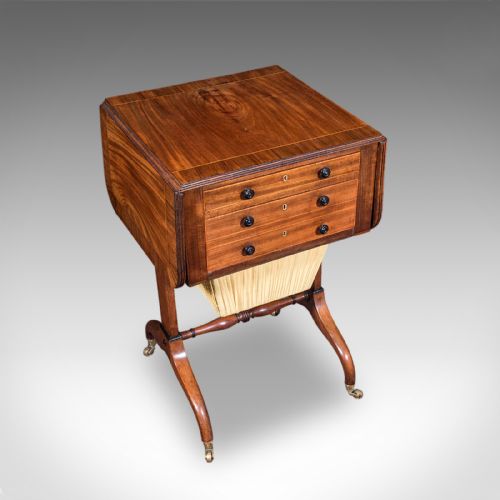
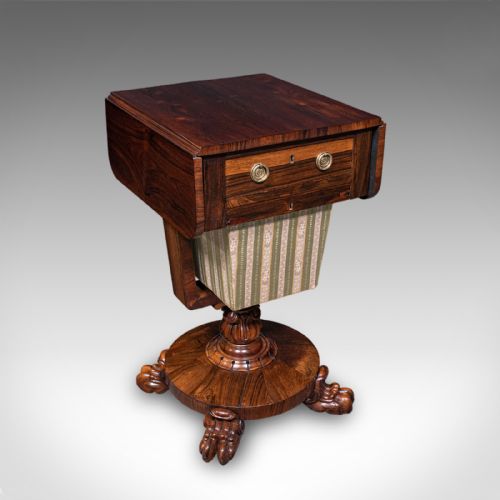
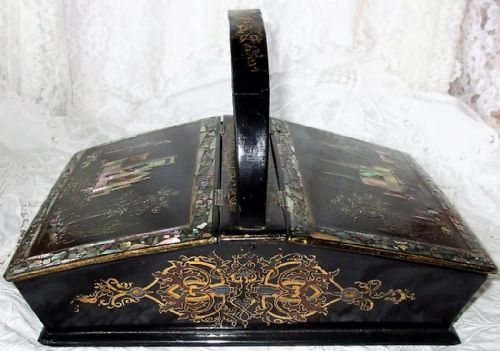
Functional items integrate needlework into everyday domestic life through sewing tables, fire screens, footstools, and caskets. These pieces combine wooden frames in mahogany, walnut, or rosewood with textile elements ranging from band samplers to tapestry cushions.
The selection ranges from early seventeenth-century crewelwork and coifs to Victorian Berlin work and Edwardian hobby tables. Domestic samplers and framed panels record needlework techniques passed down through generations.
How they were made
Makers stitched wool, silk, and cotton threads onto foundation materials of linen, muslin, and canvas. Needlepoint, crewelwork, and embroidery techniques required frames to maintain fabric tension during execution.
Woodworking supports such as sewing tables, pole screens, and caskets utilised mahogany, rosewood, walnut, and burr ash, frequently complemented by brass hardware, glass panels, and papier-mâché.
Antique English Needlework Retail Price Guide 2026
Typical asking prices for english needlework among the pieces listed under this phrase on Sellingantiques today, from the lower quarter to the upper quarter. They describe what is for sale here now, not the wider market.
Materials span silk, wool, linen, mahogany, and papier-mâché across various forms of textile art and furniture.
What varies in quality
Quality rests in the precision of the stitching, the complexity of the design, and the survival of original materials. Finer pieces display intricate pictorial detail, disciplined execution of samplers, and sophisticated colour palettes in silk and wool.
The construction of supporting furniture affects the overall standard, distinguishing standard utility pieces from examples featuring cabinetmaker input, such as rosewood cheval fire screens or burr ash work tables.
Charles Tozer·Waring & Gillow
The Antique English Needlework Glossary
- Crewelwork
- Embroidery executed with wool yarn on a linen or cotton twill ground. This technique creates textured surface designs often found in seventeenth-century panels and wall art.
- Sampler
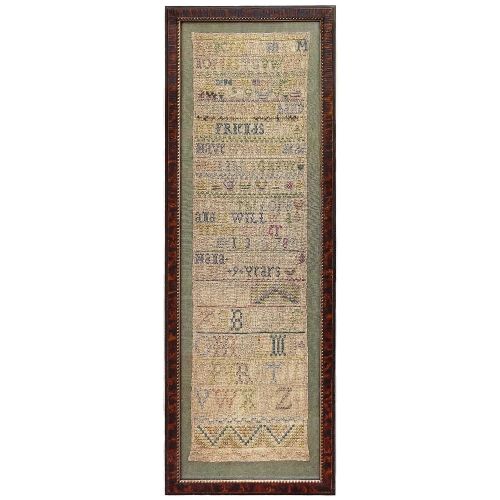
- A piece of needlework produced to demonstrate proficiency in various stitches and patterns. Early examples frequently include alphabets, motifs, and the maker's signature alongside dates.
- Berlin work
- A style of charted needlepoint popular during the nineteenth century. Workers followed printed grid patterns using brightly coloured wool on canvas.
- Pole screen
- A standing fireside screen with an adjustable vertical panel designed to deflect heat from the face. The shield typically incorporates needlework, tapestry, or embroidered silk.
- Haberdashery
- Small items connected to sewing and dressmaking, including tapes, threads, and buttons. Antiques in this category often involve specialised boxes and folding work tables.
Antique English Needlework: Frequently Asked Questions
How do I date an antique sampler?
Many samplers include the maker's name, location, and a specific year stitched directly into the textile. Stylistic indicators, such as alphabet lettering styles, border motifs, and fabric composition, help place undated pieces within the seventeenth, eighteenth, or nineteenth centuries.
Examining the reverse side and mounting techniques also reveals clues regarding age and whether the piece retains its original period frame.
What is a pole screen used for?
A pole screen protected individuals from the intense radiant heat of open hearth fires. The adjustable vertical shield could be raised or lowered along a turned wooden shaft.
Beyond utilitarian function, these stands served as decorative furniture displaying accomplished needlework panels in the parlour or drawing room.
How do I care for antique textiles?
Protect antique needlework from direct sunlight to prevent fading of silk and wool threads. Display pieces away from excessive moisture and heat sources to preserve the underlying fabric and wood.
Cleaning should remain minimal, relying on gentle surface dust removal rather than washing or chemical treatments that risk damaging fragile fibres.
What is the difference between needlepoint and crewelwork?
Needlepoint involves stitching yarn through an open-weave canvas ground, covering the entire surface in dense stitches. Crewelwork uses wool embroidery threads worked onto a tightly woven linen or twill fabric, leaving portions of the background visible.
Each technique produces a distinct texture and visual weight suited to different decorative applications.